Gifts That Linger: Why Refined Giving Demands Craft Over Convenience
A luxury gift in South Africa needn't be loud. It should smell like intention and last long enough to matter.
By Claudi·Poured in Mossel Bay, Western Cape
The most thoughtful gifts rarely announce themselves. They arrive in restrained vessels, burn for weeks, and leave a trace of decision-making behind them. In South Africa, where the hospitality market has matured and corporate gifting has grown predictable, a luxury gift that whispers rather than shouts has become genuinely rare. The person who receives it understands that someone spent time considering not just the scent, but the object itself—what it says, how long it lasts, whether it can be kept and refilled.
A candle poured in small batches from the Mossel Bay studio carries something mass-produced gifts cannot: regional specificity. The fynbos that scents our Manor collection grows on the slopes visible from the studio. The coastal salts in our Coastal range reflect an actual place, not a marketing concept. When you give a luxury gift from South Africa that comes from South Africa—poured by hand, burned by intention—the recipient holds something that required decisions, not algorithms.
Key Takeaways
- A luxury gift that lasts 40–55 hours (like our bamboo jar candles) signals thoughtfulness in a way a single-use item never can
- Gifts poured in small batches in Mossel Bay carry regional authenticity that global brands cannot replicate
- The custom label builder transforms a candle into a personalized object, turning gifting into storytelling
The Difference Between Expensive and Refined
Luxury gifting in South Africa has been trapped in a false binary: either corporate sameness or aspirational price tags that signal nothing but cost. A luxury gift should demonstrate restraint, not excess. The difference between a R800 candle and a R180 candle isn't always visible—it's often in what you don't see: the quality of the pour, the choice of vessel, the burn consistency across all 40–55 hours of the candle's life.
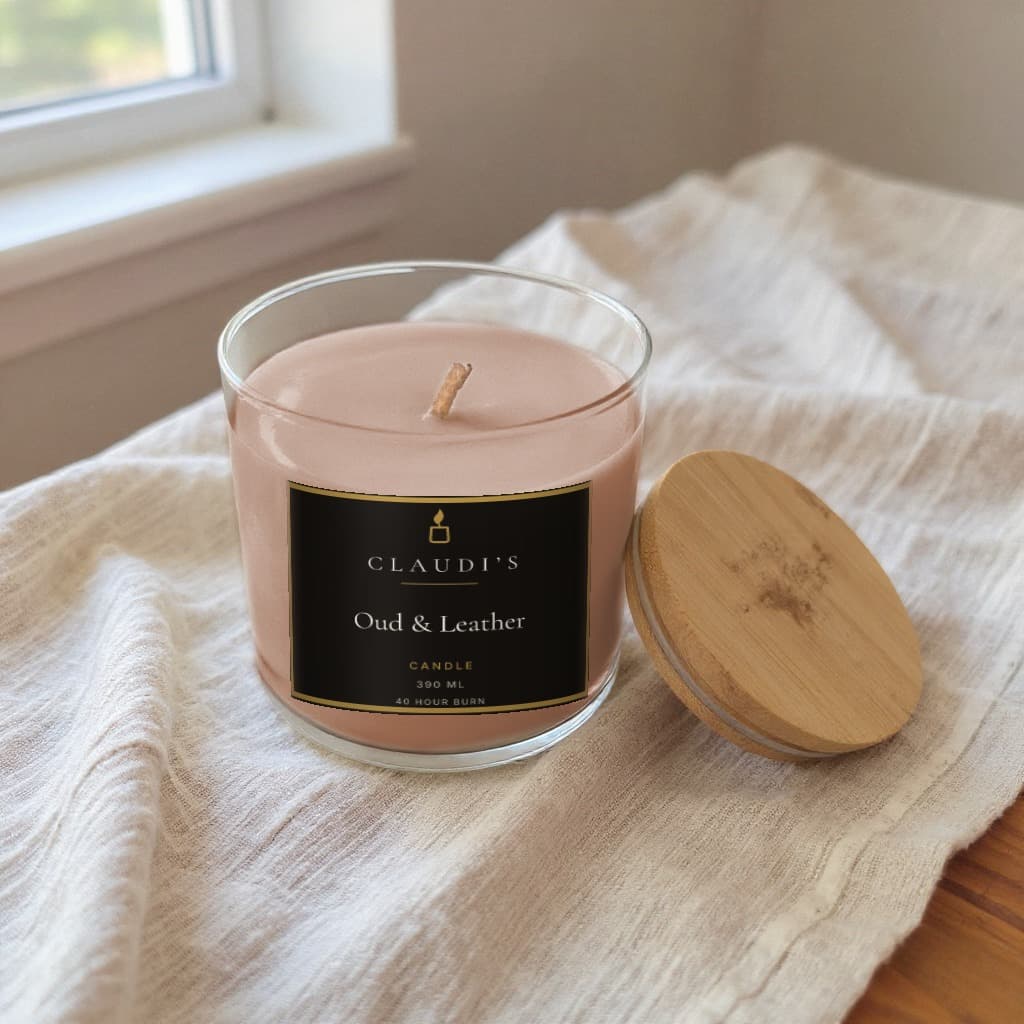
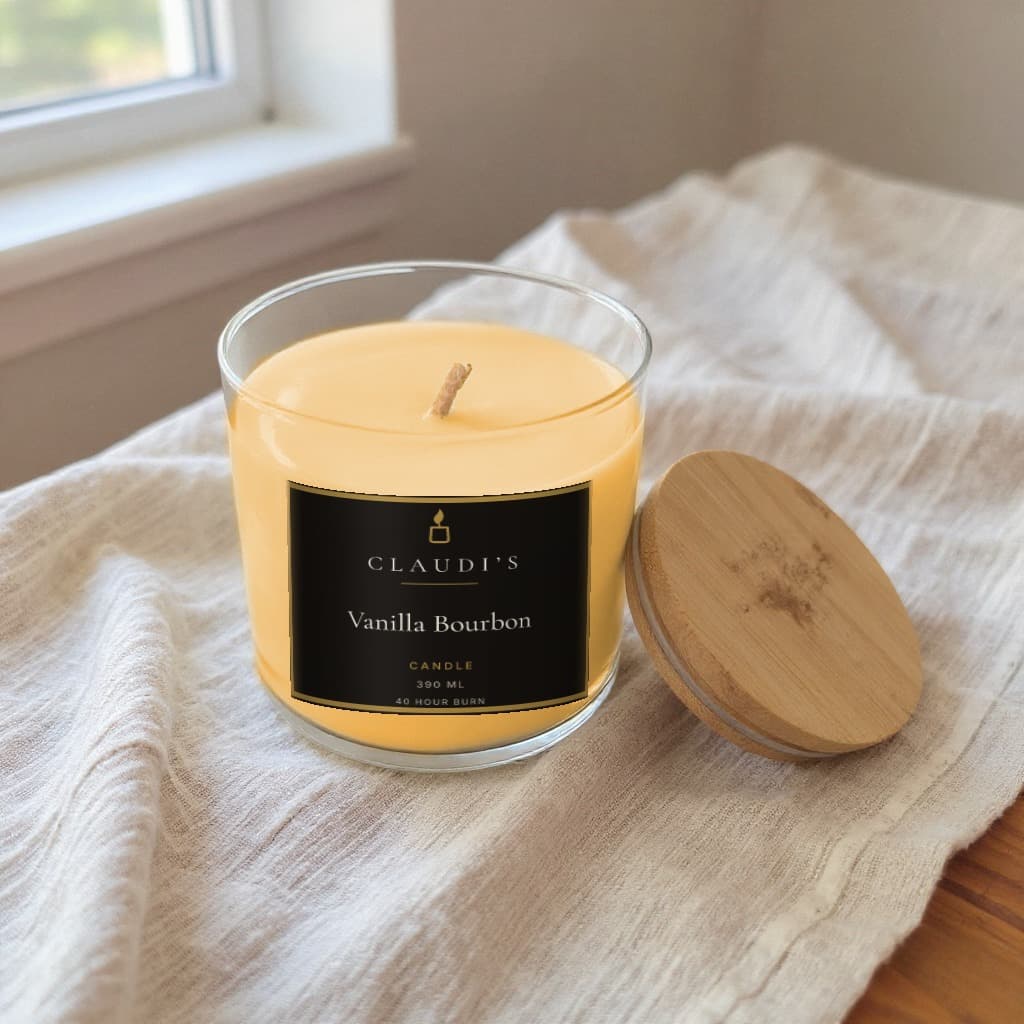
Our bamboo jar candles are designed for this exact purpose. They're not the most expensive items we produce, but they're deliberately built to be kept. The lidded vessel preserves the scent between burns, extending the perceived value. A recipient who uses a candle for three weeks, lets it cool, closes the lid, then returns to it days later has a different relationship with that gift than someone who burns through a disposable product in one weekend. That extended relationship is what makes a gift feel luxurious—not the price, but the presence.
In Mossel Bay, we've learned that refined gifting across South Africa's high-touch hospitality and corporate sectors works best when the object outlasts the scent. The vessel becomes a candle holder, a trinket dish, a decorative object with quiet authority. A gift that transforms its function proves the giver understood something beyond the transaction.
Craft as the Language of Gift-Giving
A luxury gift from our bamboo collection carries handmade markers that a mass-produced alternative cannot match. Each candle is poured individually in the studio, which means minor variations in color depth, wax texture, and fragrance intensity are not defects—they're proof of craft. A recipient educated enough to recognize this detail understands they've received something made, not manufactured.
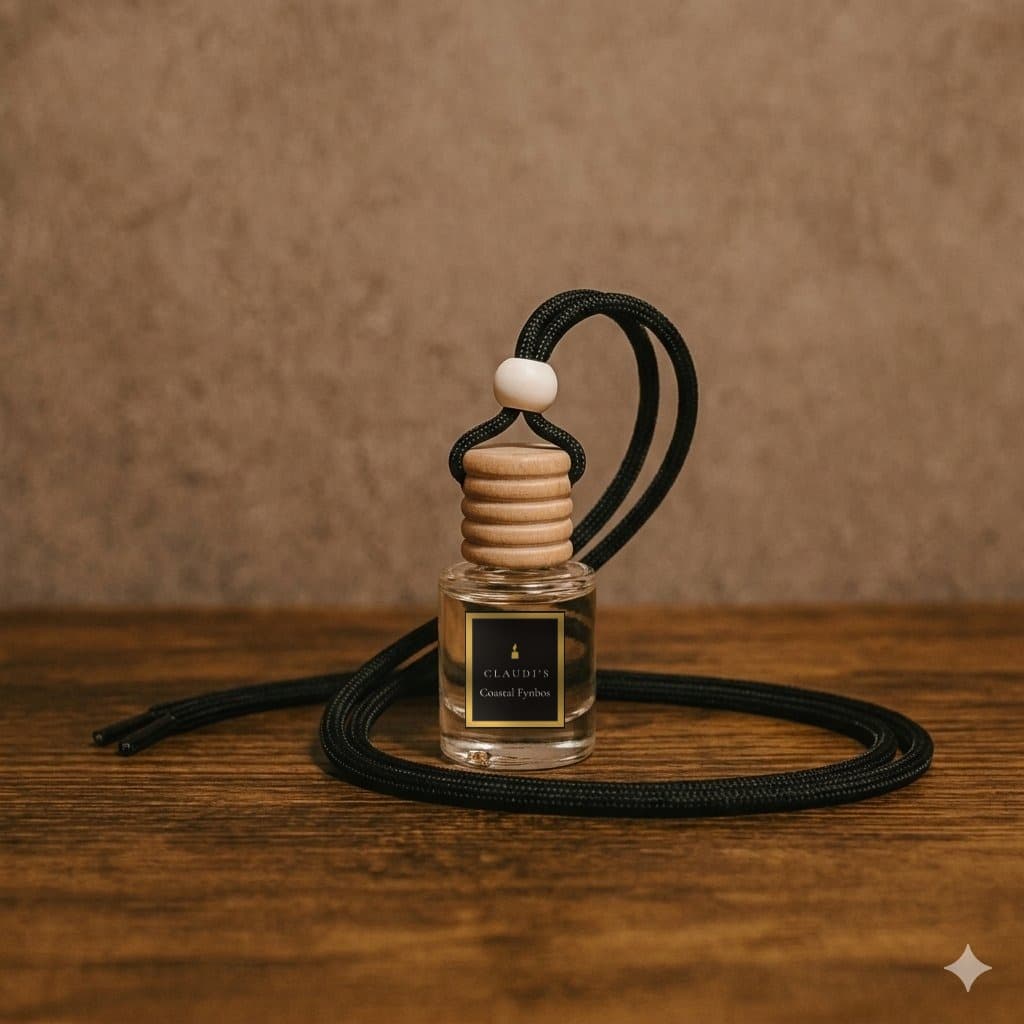
The scent families we've developed—Coastal, Fynbos, Manor, and Gather—are built around the landscape and culture of the Garden Route. A Fynbos candle doesn't just smell botanical; it references a specific ecosystem. A Manor candle evokes the formal warmth of the region's historic estates. When someone from Johannesburg receives a luxury gift that smells unmistakably of the Western Cape, the geography becomes part of the storytelling.
For corporate gifting or hotel partnerships, we've built the hospitality trade programme to handle bulk orders without sacrificing this craft language. A lodge that gifts our candles to departing guests is essentially saying: "This place matters. This scent is from here." That's worth substantially more, in perception and reality, than a generic luxury item chosen from an international catalogue.
Personalizing the Gift: From Object to Story
A truly refined luxury gift tells a story. The custom label builder allows you to transform a candle into a narrative object—a gift for a milestone, a thank-you with context, a corporate gesture that acknowledges the recipient specifically rather than generically. A label that reads "Garden Route, [date], [recipient name]" converts a beautiful object into a memoir.
This is where luxury gifting becomes strategic. In South Africa's corporate and hospitality sectors, a personalized gift demonstrates that the sender invested thought—not just budget. A CFO who receives a custom-labeled candle from a vendor remembers the gesture differently than she remembers a hamper. The object is smaller, the thoughtfulness is larger.
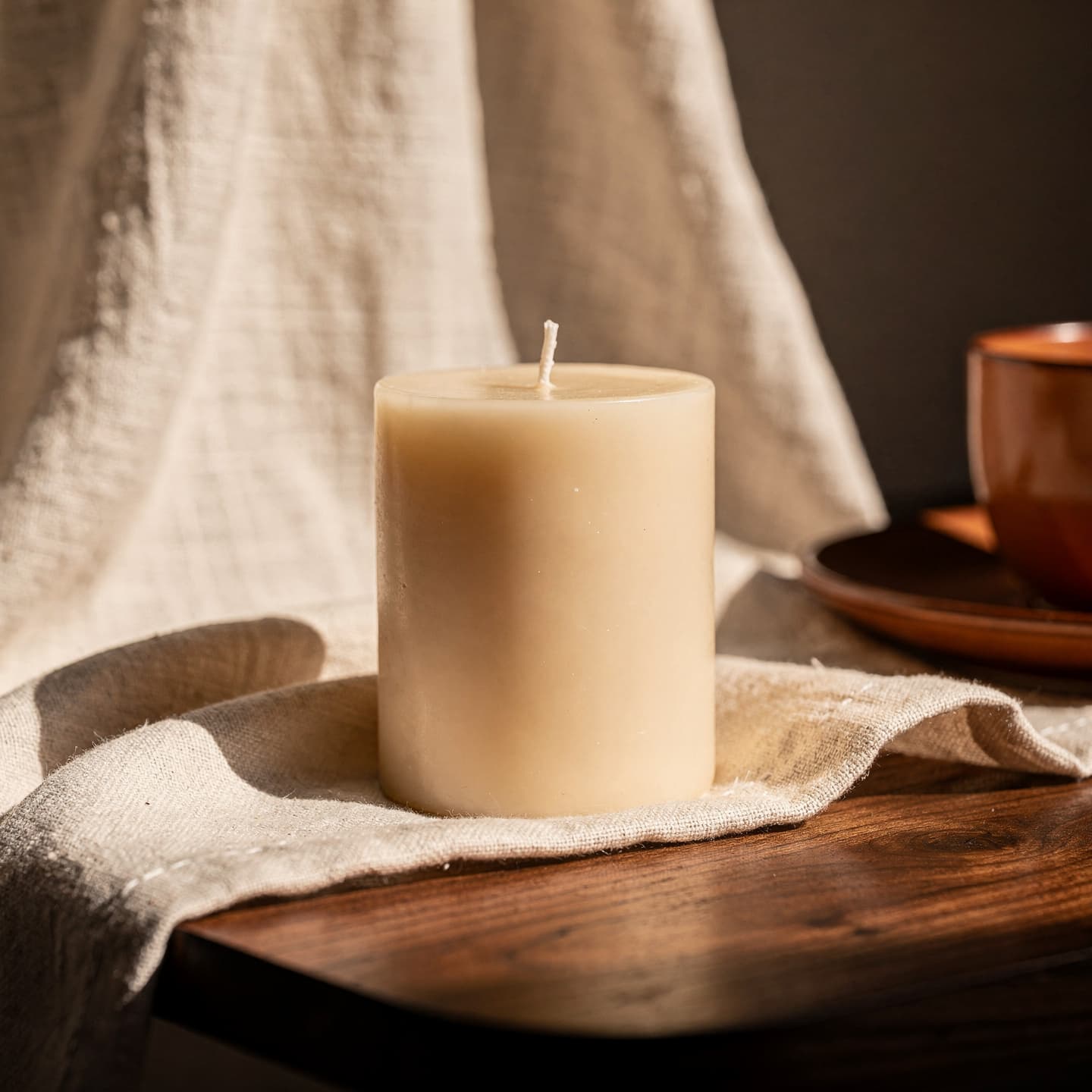
For weddings, milestone events, or corporate retreats in the Western Cape, our pillar candles work as architectural gifts—objects that set a scene and last through the event itself. A tabletop arrangement of three pillar candles, each custom-labeled with a date or initials, becomes a visual story that guests witness. The gift isn't consumed; it's experienced.
How to Choose a Luxury Gift That Actually Feels Luxurious
Start by asking what the recipient will do with the object after the fragrance is gone. If the answer is "throw it away," the gift has failed the luxury test. Our bamboo jars are kept. Our pillar candles become decorative objects. Our tumbler candles—poured in batches of 35–45 hours each—transition into pencil holders or small vases.
Next, consider whether the gift reflects somewhere real. A scent that references the Mossel Bay coast, the fynbos, or the formal estates of the Garden Route carries geography as value. Generic luxury—a scent called "Luxury" or "Premium"—signals nothing but price. Specific luxury signals knowledge.
Finally, decide whether personalization adds to or detracts from the gift. Some recipients prefer anonymity (a gift that's generous but not intrusive); others value being named directly. Our custom label builder lets you decide the tone: formal, playful, commemorative, or simply dated.
Use our scent quiz if you're uncertain which collection suits the recipient. It takes three minutes and removes the guesswork from a decision that should feel confident.
Frequently Asked Questions
What's the difference between a luxury gift candle and a regular candle in South Africa? A luxury gift candle is built for longevity and presentation. Our bamboo jar candles burn for 40–55 hours and come lidded, meaning the recipient can pause and resume. The vessel is kept. A regular candle is consumed and discarded. The difference is in what remains—an object or nothing.
Can I order luxury gift candles in bulk for corporate giving? Yes. Our hospitality and wholesale programmes handle corporate orders without minimum purchase requirements that feel punitive. Lead times vary by season; for personalized labels, we recommend ordering 2–3 weeks ahead. Contact the studio directly for bulk pricing on custom orders.
Are your candles considered truly luxurious if they're made in Mossel Bay rather than imported? Regional craft is increasingly valued as a marker of luxury. A candle poured in the Mossel Bay studio using local fynbos and coastal references carries authenticity that imported alternatives cannot match. Luxury is moving away from "foreign" and toward "specific." Our candles are luxury precisely because they're made here.
What's the best way to gift a candle to someone I don't know well? Choose a scent family that's less personal—Coastal or Manor work as safe, universally appealing options. Keep the label simple and undated. Or use our scent quiz to personalize the recommendation without over-explaining. A gift with a note that says "I thought of you when I discovered this" is more refined than a gift with a long justification.
A luxury gift in South Africa needn't come from overseas to feel significant. The studio in Mossel Bay has spent years understanding what refined gifting requires: restraint, craft, and objects that last. When you choose a bamboo jar candle poured locally, you're giving more than a fragrance—you're giving proof that someone paid attention. The recipient will burn it slowly, close the lid between sessions, and keep the vessel long after the scent is gone. That's what a luxury gift does. It stays.
*Gifting notes, July 2026 — Claudi's Studio