Beyond the Label: Why a Personalised Gift Demands Real Craft
A personalised gift in South Africa means nothing without the vessel. Here's what transforms a candle into something worth keeping.
By Claudi·Poured in Mossel Bay, Western Cape
A personalised gift sits in your hand for perhaps thirty seconds before it lands on a shelf. That's when the real work begins—when the recipient is alone, when they decide whether this thing stays visible or gets moved to storage. A candle with a custom label might survive that test. A candle poured badly, in a vessel that sweats or cracks, with a scent that fades after twelve hours—that fails before the gift-wrapping even comes off.
South Africa's gifting culture leans toward the meaningful. We don't give things casually. A personalised gift carries intention, effort, and often an apology or celebration that matters enough to spend real money on. But intention without craft is just sentiment with a price tag attached.
This is where most candle-gifting breaks down. A printed label doesn't change the burn. A name doesn't improve the wax. What transforms a personalised gift into something worth keeping is the object itself—the weight of it, the way it performs, whether the scent holds steady for forty hours or collapses into something medicinal by hour eight.
Key Takeaways
- A personalised gift succeeds only if the physical object—vessel, burn quality, scent stability—can back up the personalisation
- South African gifting norms expect longevity and presence; a poorly made candle contradicts that expectation
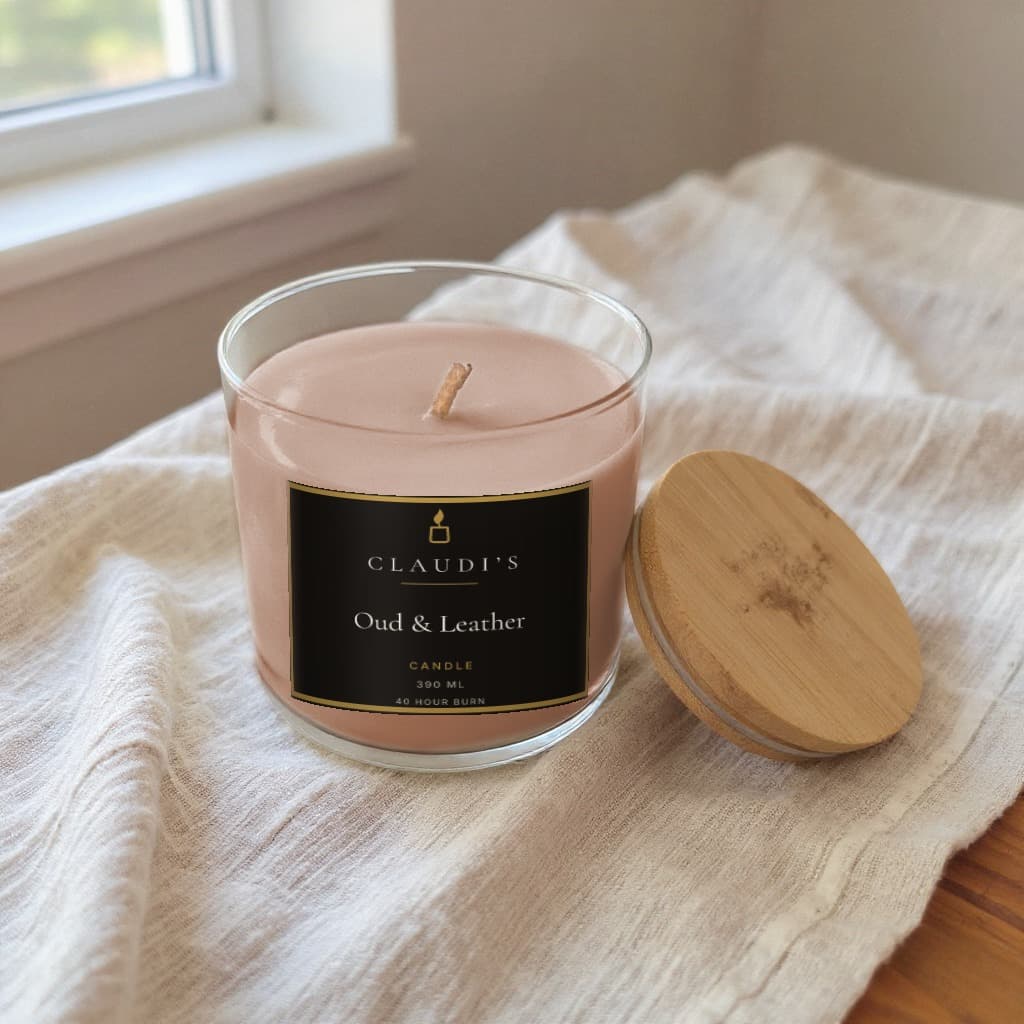
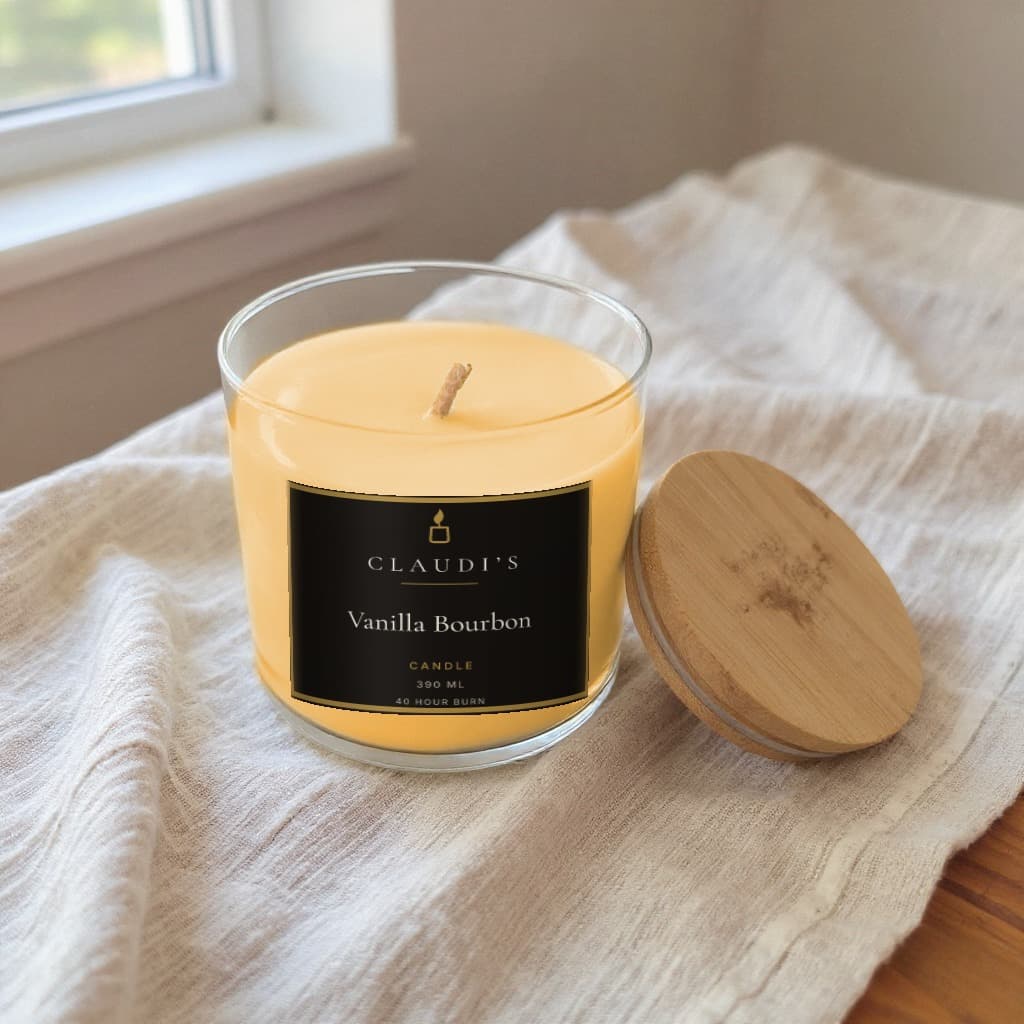
- The custom label builder works best paired with a vessel designed to be kept: the bamboo jar or tumbler, not disposable packaging
The Tension Between Personalisation and Permanence
Personalisation has a problem: it makes the gift specific, which means it must be good. A generic candle can hide mediocrity. People expect less. But the moment you add a name, a date, or a message, you've raised the bar. The recipient now knows this was chosen—not just for them, but deliberately thought through enough to customise.
In South Africa, where gifting often marks major transitions (a promotion in Cape Town, a new home in the Winelands, a wedding in the Garden Route), that personalisation carries weight. It says: I didn't grab this off a shelf. I spent time on this.
But here's the tension: personalisation is visual. It happens in the first five seconds. The actual candle—its burn time, its scent profile, whether it performs for 30 hours or 55—reveals itself over the next month. If those don't align, the personalisation becomes ironic. The custom label becomes a reminder of a gift that disappointed.
The best personalised gifts in South Africa are built on objects designed to stay visible. A vessel that earns a place on a mantelpiece. A burn performance that justifies that placement. The personalisation then enhances something already good—it doesn't have to carry the entire weight of the gift's value.
Vessels That Survive the Personalisation Test
A personalised gift needs a vessel worthy of the name written on it. This is where most high-street candle gifting stumbles. Disposable packaging dressed up with a label doesn't work. The moment the candle burns down, the gift vanishes.
Our bamboo jar—lidded, weighted, designed to be refilled or repurposed—solves this differently. It's a vessel that stays in view. A 40–55 hour burn means the gift performs for weeks, not days. The lid preserves scent between uses, which matters in humid climates like the Garden Route and KwaZulu-Natal. And when the candle burns out, the jar itself becomes storage or décor. The personalisation—a custom label, an engraved lid—travels with an object that has already proven its worth.
The tumbler candle works similarly. A 35–45 hour burn in a vessel substantial enough to hold in both hands. The glass stays, the label stays, the gift stays. No waste. No planned obsolescence hiding under luxury packaging.
When you personalise one of these vessels, you're not adding value to thin air. You're enhancing an object that's already designed to outlast the burn. That alignment—between what the gift says (I chose this carefully) and what it does (it performs, it lasts, it earns its place)—is what makes a personalised gift in South Africa feel intentional rather than transactional.
How to Choose a Personalised Gift That Matches the Moment
The best personalised gift starts with a question: Will this person keep the vessel? If yes, personalise it. If no, reconsider.
For formal occasions—a corporate milestone, a high-net-worth client, a wedding guest who already has everything—the bamboo jar with a custom label is the right move. It signals that you've thought about longevity. The person will use it for weeks, see your personalisation daily, and keep the jar long after the candle is gone. Lead times are typically 7–10 days for custom labelling, so plan ahead.
For intimate occasions—a birthday, an apology, a close friend's new home—a tumbler with our scent quiz result personalised on the label is often better. You're saying: I took time to figure out what you actually like. The quiz narrows 200+ combinations to five scent families (Coastal, Fynbos, Manor, Gather, Seasonal). A custom label that reads "[Name]'s Fynbos candle, June 2026" costs little but says everything. The tumbler's burn time means they'll experience your choice repeatedly.
For corporate gifting in bulk, check whether our wholesale programme offers personalised vessel options. Minimum quantities vary, but if you're ordering 20+ units, custom labelling becomes economical and genuinely impactful.
The calculation is simple: personalisation + a vessel designed to be kept = a gift that stays visible and performs consistently. Personalisation + disposable packaging = sentiment that ends the moment the wax runs out.
Frequently Asked Questions
What does "personalised" actually mean at Claudi's? We offer custom label design—your text, dates, or branding on a tumbler or bamboo jar. The label wraps the vessel, so it's visible every time the candle is lit. Custom labelling takes 7–10 business days for single orders, less for wholesale quantities. We don't alter the scent or pour a bespoke batch for individual gifts—the strength is in pairing our existing scent families with a vessel that performs.
How much does personalisation add to the cost? Custom labelling on a tumbler or bamboo jar typically adds R80–R150 depending on complexity. If you're sending a gift to someone in Johannesburg or Durban, the personalisation is often worth the cost because it signals intention. For corporate gifting, per-unit costs drop at volumes above 20 units.
Can I personalise a candle for a specific South African region or occasion? Yes. Our seasonal collection rotates quarterly, so you might personalise a summer Coastal candle for a Cape Town wedding or a winter Fynbos candle for a Hermanus lodge. We're based here in Mossel Bay, on the Garden Route, so we understand the gifting calendar—December holidays, winter weddings, spring promotions. Custom labels can reference place names, dates, or events specific to South Africa.
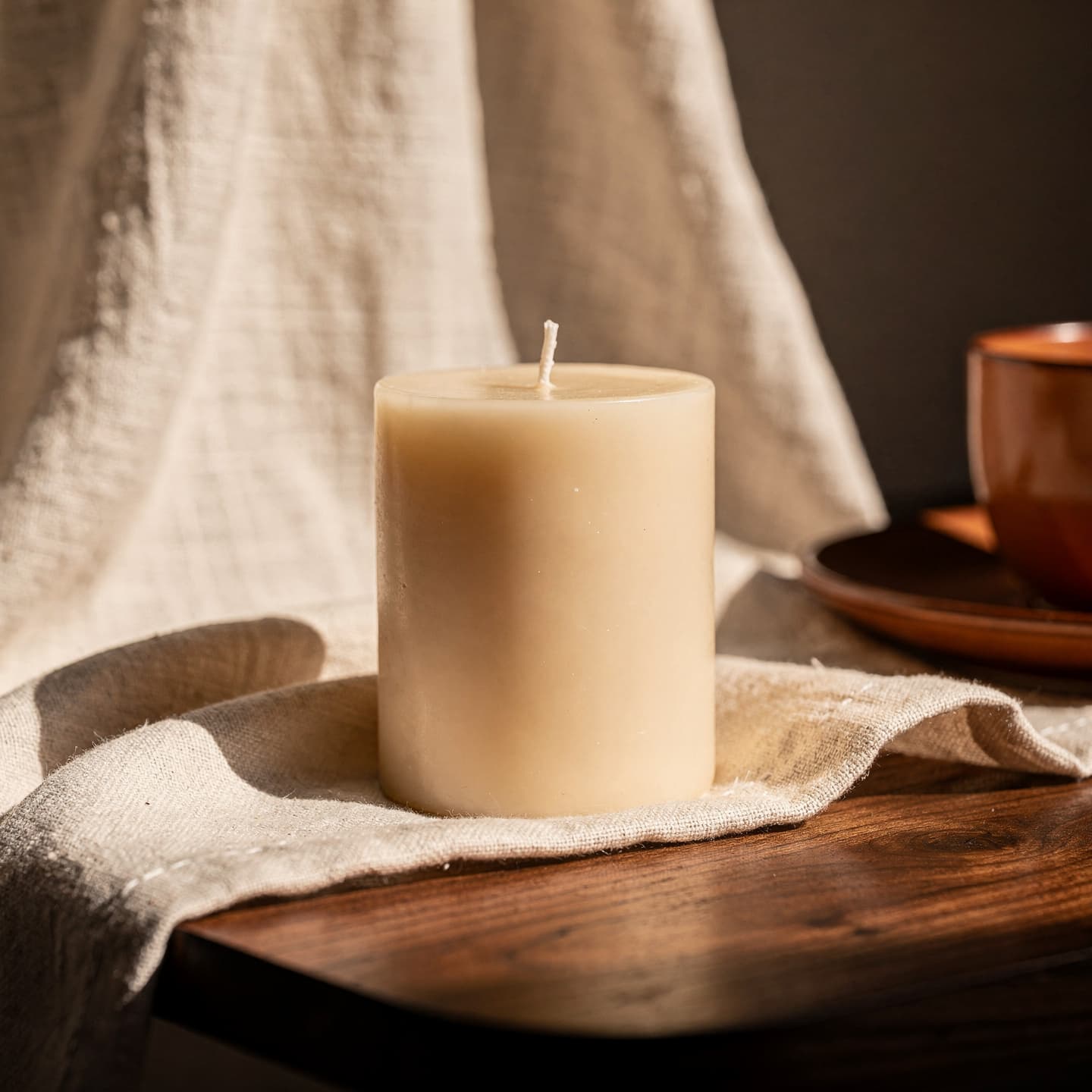
Is personalisation only for individual gifts, or can it work for events? Both. Individual personalised gifts work for milestone moments. But our weddings programme and hospitality trade offerings also use custom labelling—think bamboo jars with a lodge name for guest welcome packages, or pillar candles with a couple's initials for a ceremony. Custom labels scale better than you'd expect.
The Last Word: Permanence Over Trend
A personalised gift in South Africa is a small ceremony. It says: I noticed you. I spent time. I chose something that reflects how I see you. But that statement only holds if the object backs it up. A poor burn, a fading scent, a vessel that lands in the bin—these contradict the message before it fully lands.
The most successful personalised gifts we've seen sent from South Africa pair a vessel designed to be kept with a custom label that deepens the meaning. A bamboo jar for someone you want to impress long-term. A tumbler for someone you see regularly. The personalisation enhances what's already good