Beyond the Flame: What Luxury Candles Actually Demand
Craft, burn time, and vessel quality separate genuine luxury candles in South Africa from the rest. Here's what matters.
By Claudi·Poured in Mossel Bay, Western Cape
The difference between a candle that sits on a shelf and one that earns a permanent place in a room comes down to three things most people never think about: the weight of the wax, the precision of the pour, and what happens after the flame dies. Walk into any homeware shop in Cape Town or Johannesburg and you'll see rows of vessels that look identical. But pick one up. Feel it. The real ones are heavier. They hold heat differently. They hold scent longer.
Luxury candles in South Africa are becoming harder to define because the market is saturated with products that look expensive but perform like commodity goods. A tumbler poured in bulk in a warehouse in KwaZulu-Natal isn't the same as one crafted in the Mossel Bay studio, batch by batch, where the humidity of the coast and the quality of local botanicals inform every decision. Yet they sit side by side on Instagram, indistinguishable in a thumbnail.
This article walks you through what luxury actually means when it comes to candles—and how to recognise it when you're shopping.
Key Takeaways
- Vessel weight and post-burn utility are the hidden markers of luxury candles; a tumbler or jar worth keeping is worth the investment.
- Burn time above 40 hours requires precision wax selection and wick calibration—most mass-produced candles plateau at 25–30 hours.
- The scent families matter more than novelty; a well-executed Fynbos or Coastal candle will age into your space, not fade from it.
The Craft Behind the Flame
Luxury candles in South Africa are typically defined by what they're made of, not what they cost. A hand-poured tumbler that burns for 40–45 hours hasn't happened by accident. It's the result of testing wax blends, sourcing wick sizes that match the vessel diameter, and understanding how a coastal climate (like Mossel Bay's) affects curing time.
Most mass-produced candles use paraffin or a cheap soy blend. They burn fast, they bloom with soot, and the vessel ends up in landfill. A genuine luxury candle uses a carefully considered wax composition—often a blend of paraffin, soy, or coconut—that's been tested to perform consistently. The wick isn't generic. It's calibrated to the vessel and the scent load.
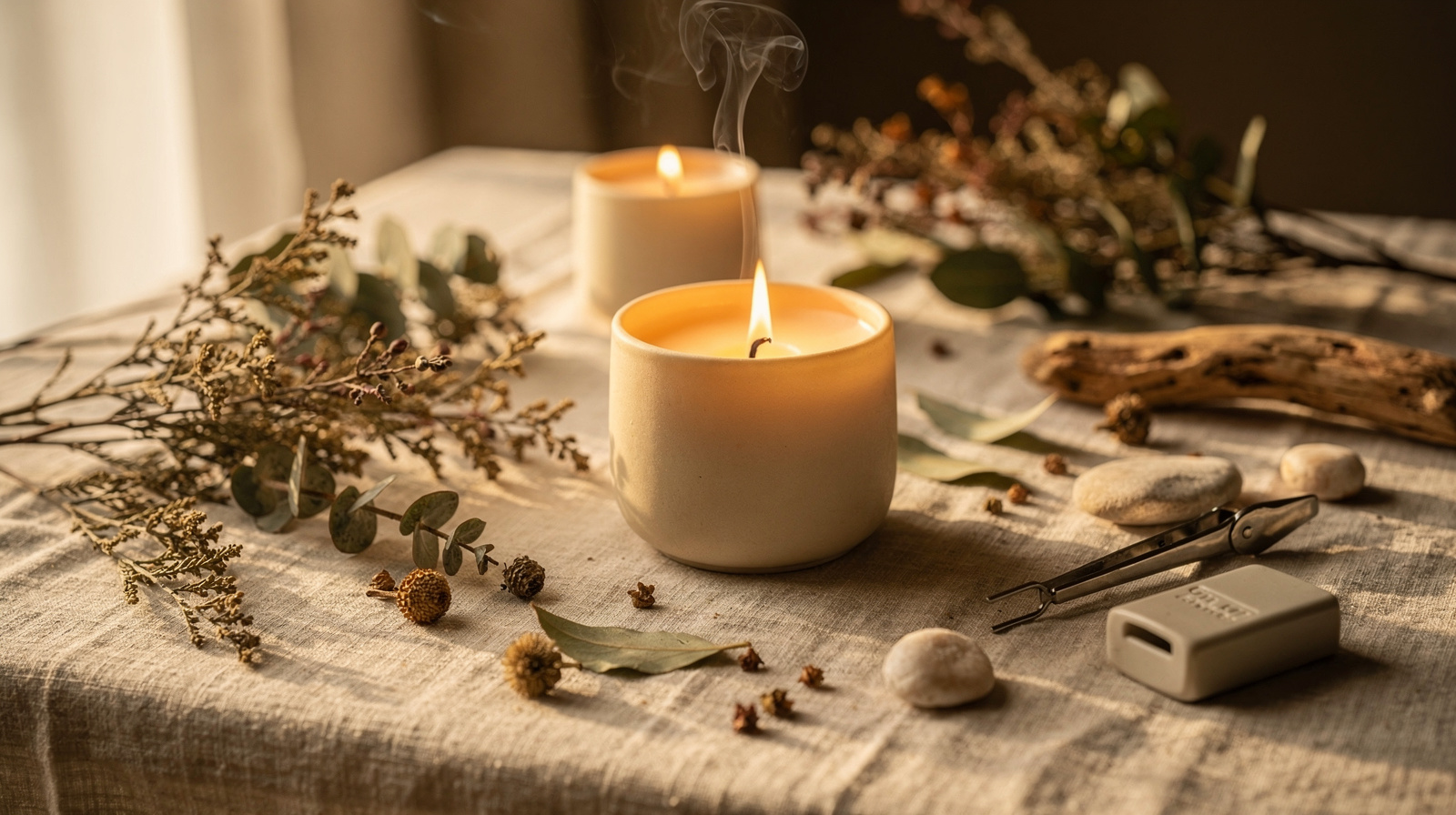
The Tumbler collection from the studio burns for 35–45 hours depending on the scent. That range isn't a marketing number; it's the result of knowing that Coastal fragrances—lighter, fresher, with volatile top notes—will naturally burn faster than Manor or Gather scents, which are denser and warmer. A scent's chemical composition directly affects combustion. This precision is what separates luxury candles from the rest. Browse the full tumbler range to see this consistency in practice.
The Vessel as Object
Here's what separates luxury candles in South Africa from impulse buys: the vessel is designed to outlive the wax.
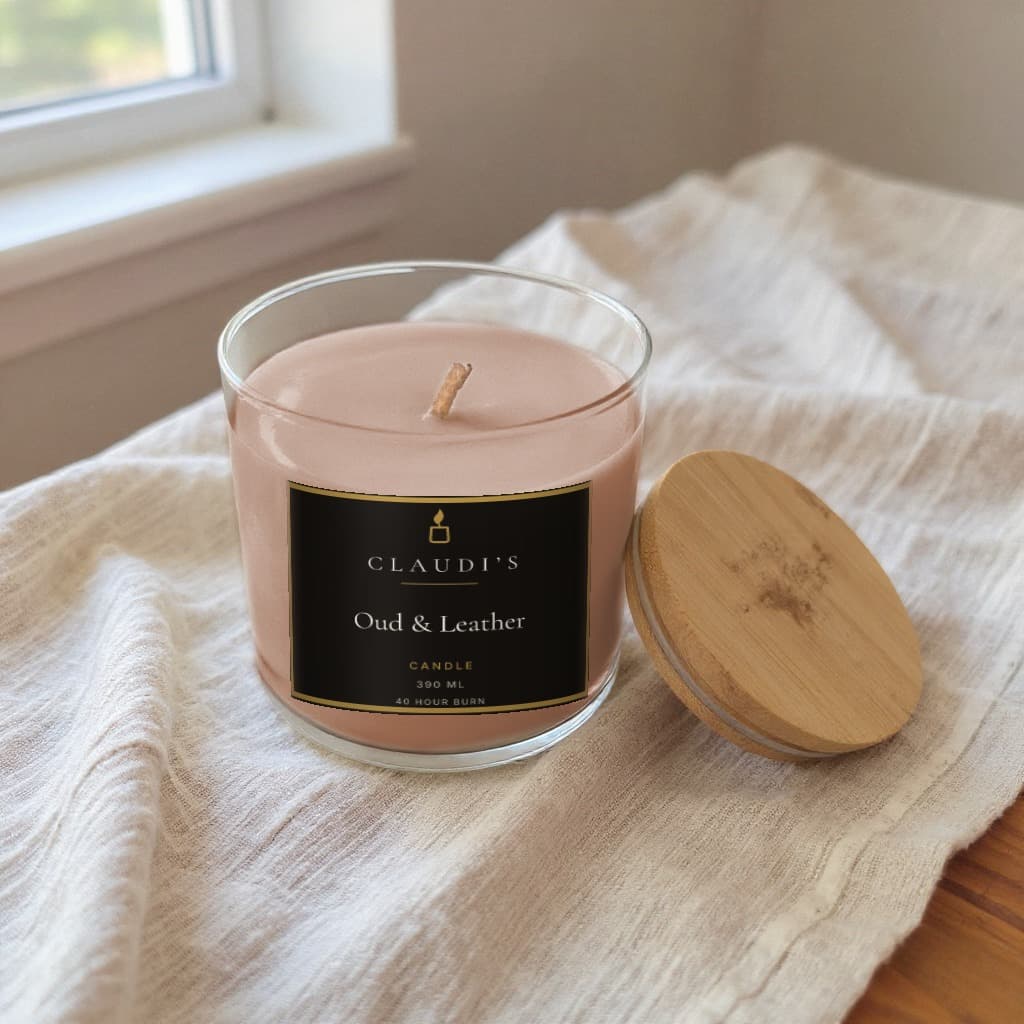
A cheap candle is a disposable object. Once the flame dies, it's trash. A luxury candle—especially one in a bamboo jar or a weighted tumbler—becomes a vessel. It's repurposed. It holds pens, flowers, tea lights. It's heavy enough to feel substantial when you pick it up. It has a lid that actually fits, so the remaining scent doesn't evaporate between burns over weeks.
The bamboo jar is a deliberate choice. Bamboo is lighter than glass, more durable, and thermally different—it doesn't conduct heat the way glass does, so it stays cooler during the burn and extends the life of the wax near the edges. A 40–55 hour burn in a bamboo jar isn't just longer; it's more even. The scent releases more gradually. The experience stretches.
This is the detail that matters: a luxury candle is sold assuming you'll keep using the vessel. The studio pours with that assumption built in.
Choosing by Scent Family, Not Trend
The temptation in the luxury candle market is to chase novelty. A new "Winter Spice" or "Desert Rose" drop every season. But the candles that actually become part of a home's identity are the ones tied to a consistent scent family—Coastal, Fynbos, Manor, or Gather—because they're formulated to age into a space rather than dominate it.
The Coastal collection is designed around the geography of Mossel Bay itself: salt air, kelp, bright citrus notes that recall early morning walks. These notes are intentionally restrained. They don't announce themselves. They settle into a room over three or four hours, which is why Coastal candles work in bedrooms and reading spaces.
The Fynbos collection, by contrast, leans into the resinous, botanical notes of the Garden Route. These are more assertive. They work in larger spaces, in kitchens, in living rooms where the scent can breathe. They're also seasonal in a real way—they feel different in June than in December, because the quality of light and air temperature change how humans perceive fragrance.
This approach—organising by family rather than by novelty—is what luxury candle shops do. It signals maturity in a brand. It says: we know what we're making and why.
Making the Decision: A Framework for Buyers
The next time you're shopping for a luxury candle, ask yourself three questions:
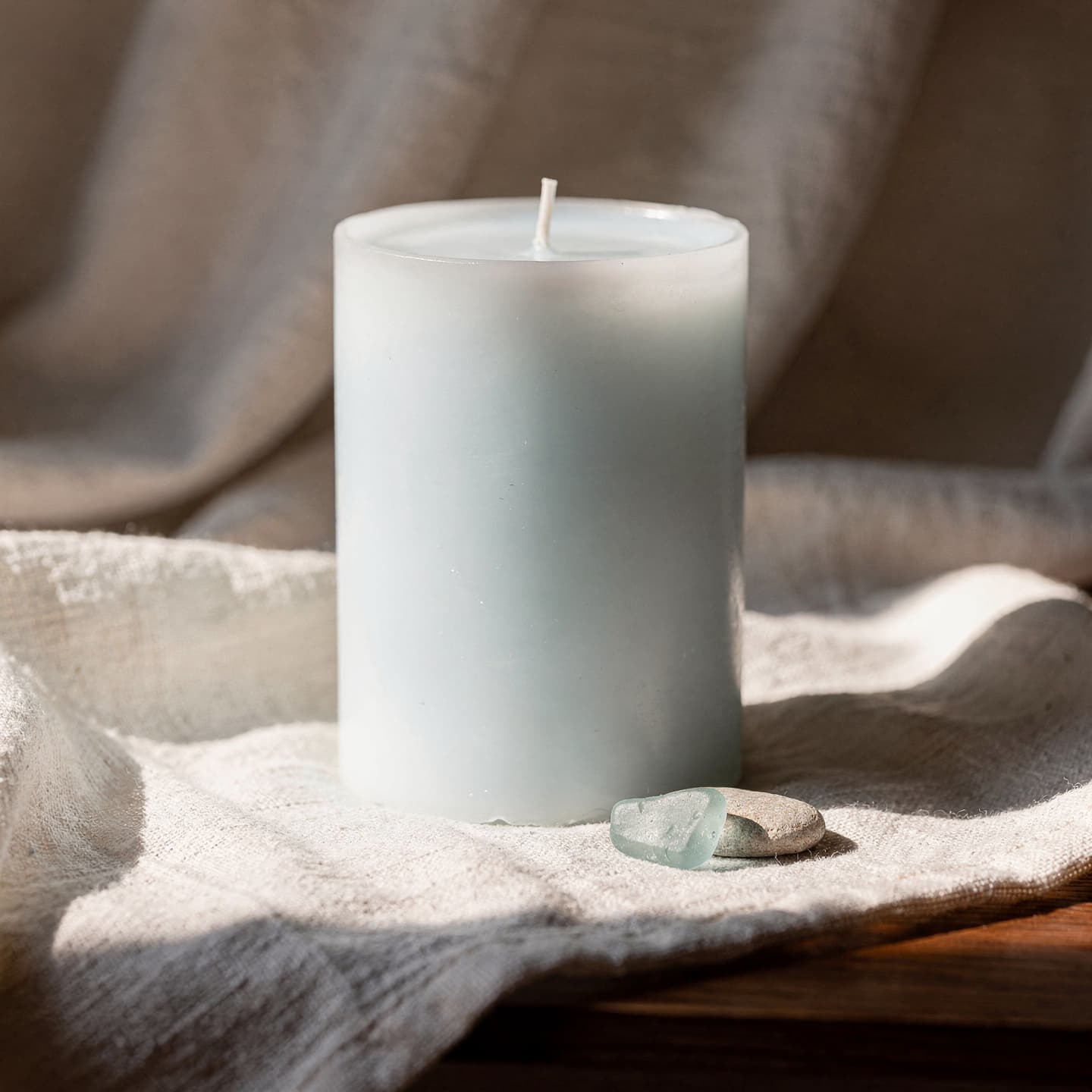
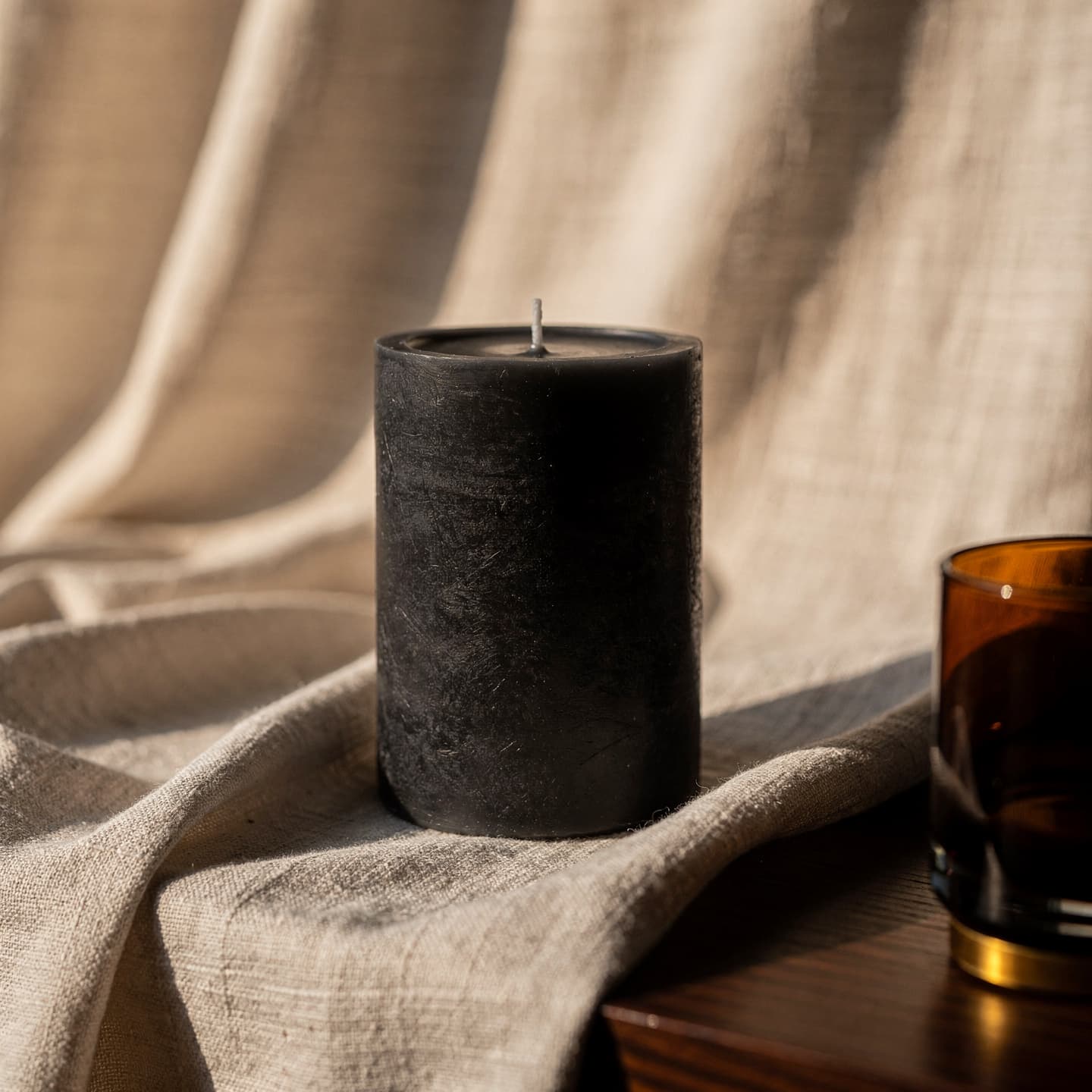
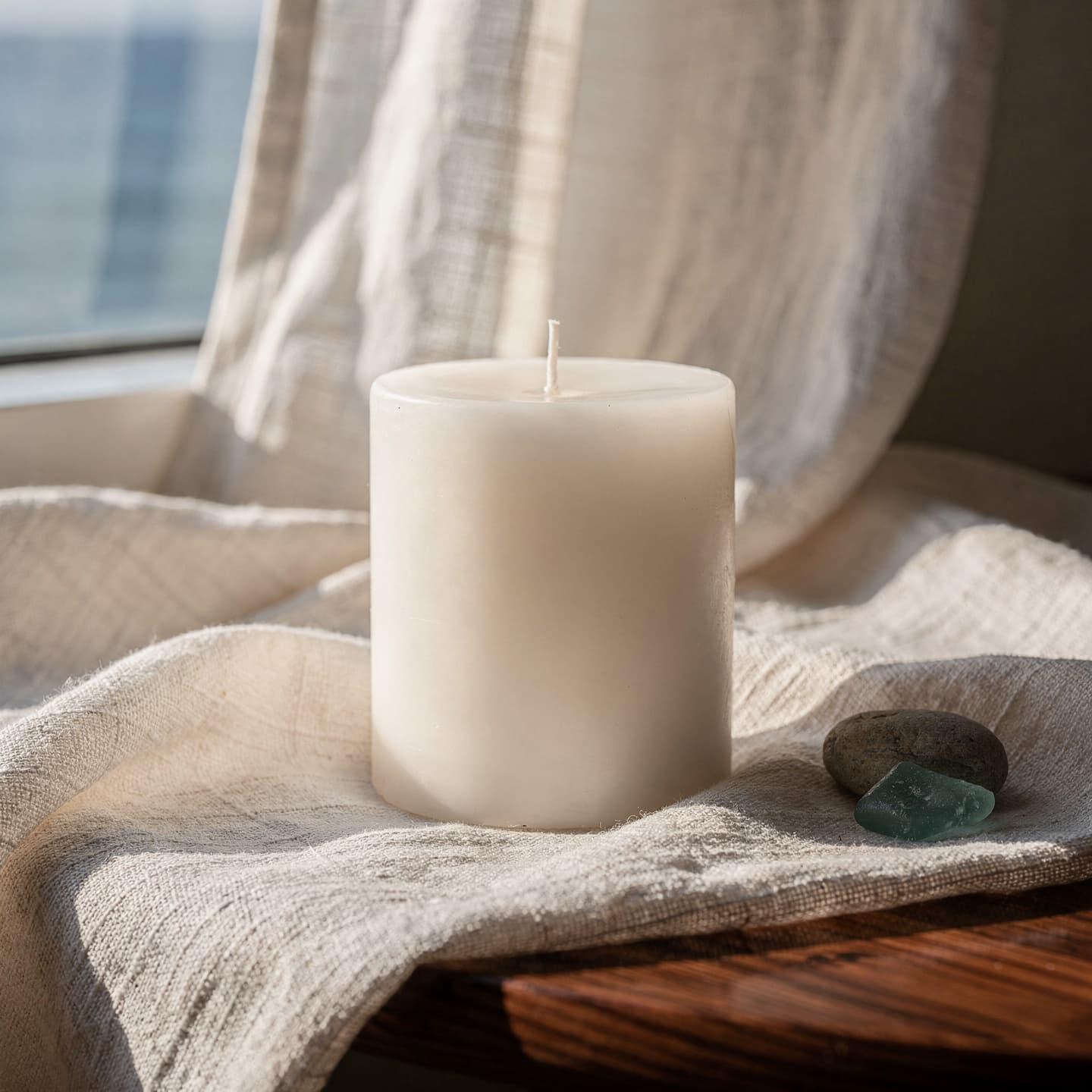
First: Will I keep the vessel? If yes, invest in a tumbler or bamboo jar. If it's a gift and you're unsure, the bamboo jar's neutral aesthetic works in almost any space. If no—if you're truly just buying the burn—a pillar candle might be the right choice, though you'll spend more per burn hour.
Second: What scent will I actually live with for 40–50 hours? This is where the scent quiz becomes useful. Don't choose based on a description. Answer the questions. Let the algorithm point you toward a family that matches your space and season. A mismatched scent in a luxury vessel is a waste.
Third: What's the occasion? If it's a personal purchase, a tumbler. If it's a gift and you want personalization, use the custom label builder to add a name or date. If it's for a hotel, lodge, or hospitality space, the studio runs a dedicated trade programme that includes volume pricing and custom fragrance development.
Frequently Asked Questions
What makes a candle "luxury" if it's the same wax as cheaper brands? Luxury candles in South Africa aren't defined by wax type alone—they're defined by precision (burn time, wick calibration, even curing in humid coastal conditions), vessel durability (weight, finish, post-burn usefulness), and scent families that are intentionally formulated rather than trendy. A luxury candle is an object you buy once and keep, not a product you replace seasonally.
How long should a high-quality candle actually burn? A properly formulated luxury candle should burn 35–55 hours depending on vessel size and scent family. The tumbler collection consistently delivers 35–45 hours, while the bamboo jar extends to 40–55 hours because the thermal properties of bamboo slow the burn rate. If a candle claims 60+ hours, ask how: it's usually either undersized wicks (poor scent throw) or inflated claims.
Why do luxury candles in South Africa cost more than imported brands? Small-batch pouring, coastal humidity adjustments, and vessel sourcing add cost. A candle poured in the Mossel Bay studio is adjusted for the Garden Route's climate—humidity, salt air, temperature swings—every single batch. That precision isn't scalable to warehouse volume. You're paying for consistency, not for branding.
Can I personalise a luxury candle as a gift? Yes. The custom label builder lets you add a name, date, or message to any tumbler or bamboo jar. Lead time is typically 7–10 days for personalised orders, which makes it useful for occasions like weddings