How Scent Architecture Transforms a House Into a Home
The psychology of fragrance layering and why vessel choice matters as much as the scent itself in South African interiors.
By Claudi·Poured in Mossel Bay, Western Cape
A room absorbs scent like stone absorbs water. Inhale when you step through a doorway, and you've already made a judgment about the space—whether the light is warm or cold, whether you belong there, whether you want to stay. This is the architecture of fragrance: invisible scaffolding that holds a home together in ways paint and furniture cannot. The difference between a house that smells like nothing and one that smells intentional is rarely discussed in home design, yet it shapes how people experience your space every single day.
Key Takeaways
- Scent layering—pairing different intensities and families across rooms—creates coherence without monotony in home fragrance strategies for South African interiors.
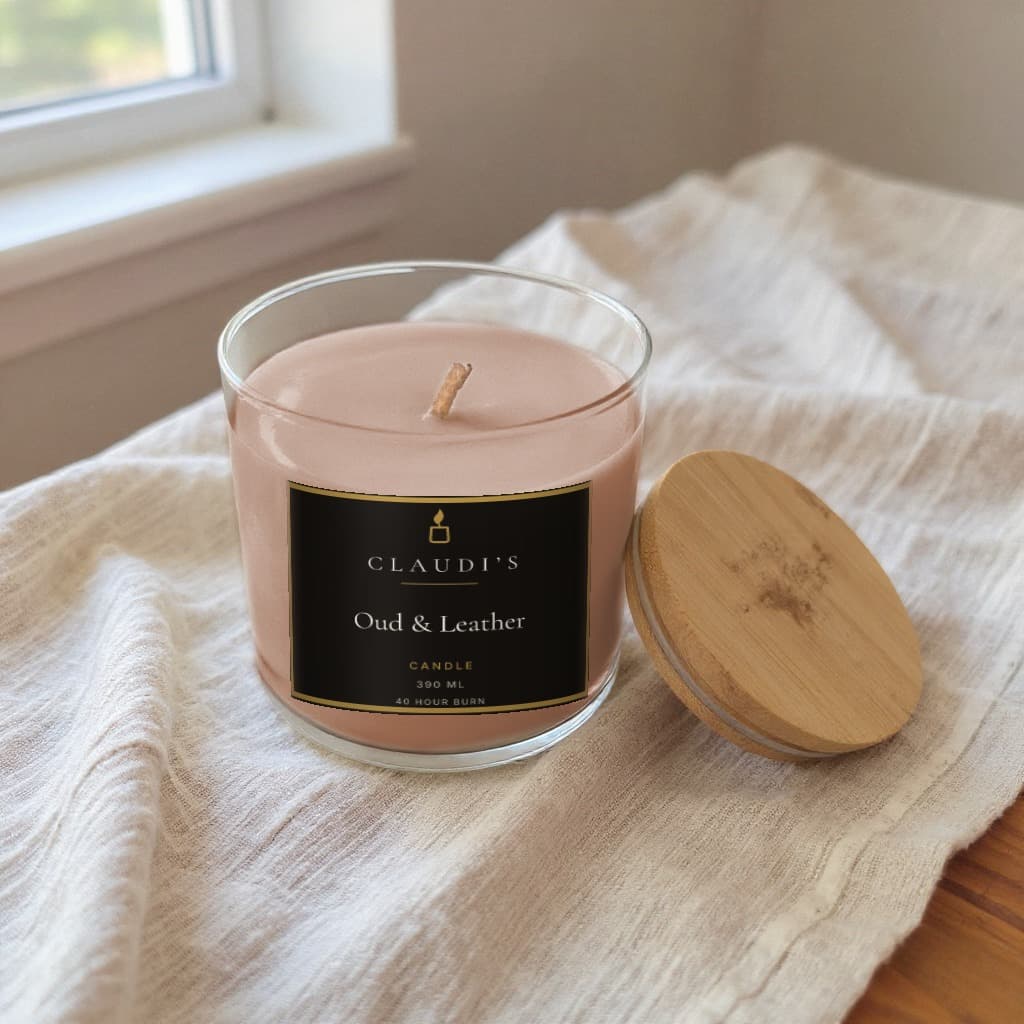
- The vessel matters: a tumbler candle with a 40-hour burn creates different ritual and space-filling than a pillar, and affects how scent disperses through a room.
- Humidity and temperature in coastal properties (like Mossel Bay) require specific fragrance families—Fynbos and Coastal scents perform differently than Manor in salt-air environments.
The Invisible Landscape: Why Home Fragrance Strategy Matters
Home fragrance in South Africa sits between two extremes: the coastal salt-damp of the Garden Route and the dry interior heat of the plateau. Neither environment is neutral. A scent that performs beautifully in a Johannesburg loft may feel thin in a Hermanus beachfront property. The air itself becomes a collaborator—or an adversary.
This is why generic home fragrance advice fails. You cannot simply light a candle and assume it will behave the same way in Cape Town's maritime humidity as it does in a Pretoria apartment. Scent molecules disperse at different rates depending on air movement, temperature, and moisture. A tumbler candle poured in the Mossel Bay studio works predictably across the 40–45 hour burn because the vessel design controls heat distribution, but the perceived intensity will shift based on your room's climate.
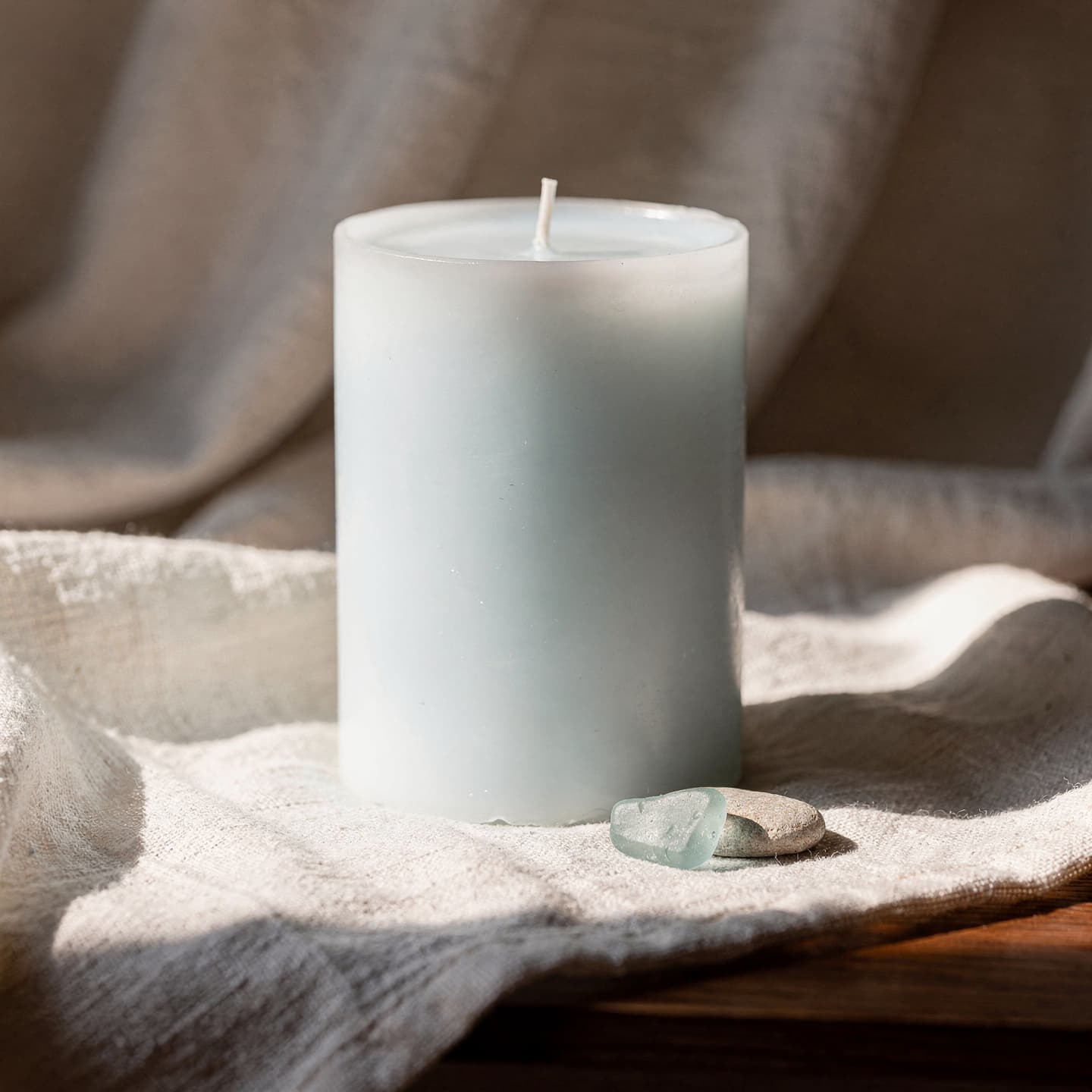
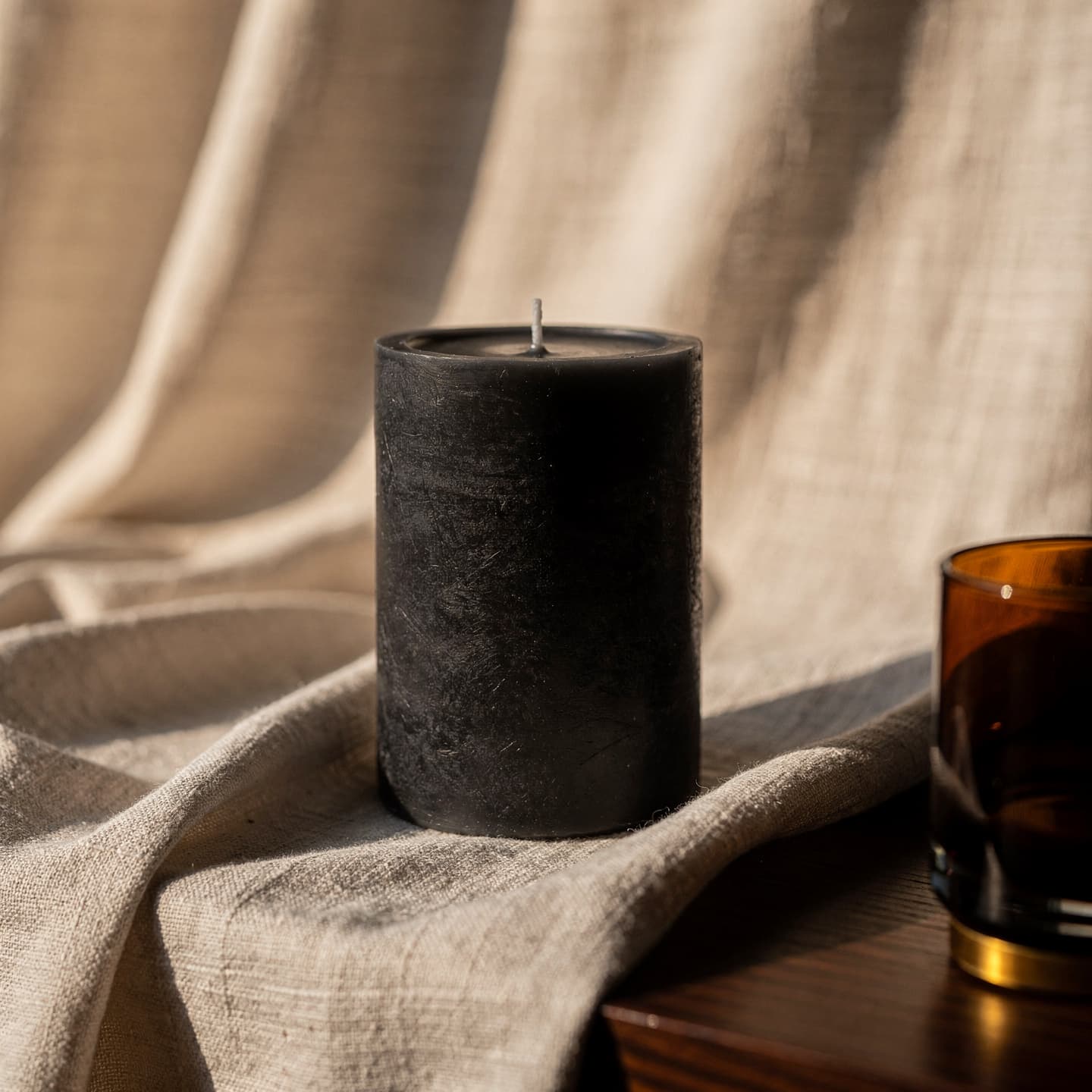
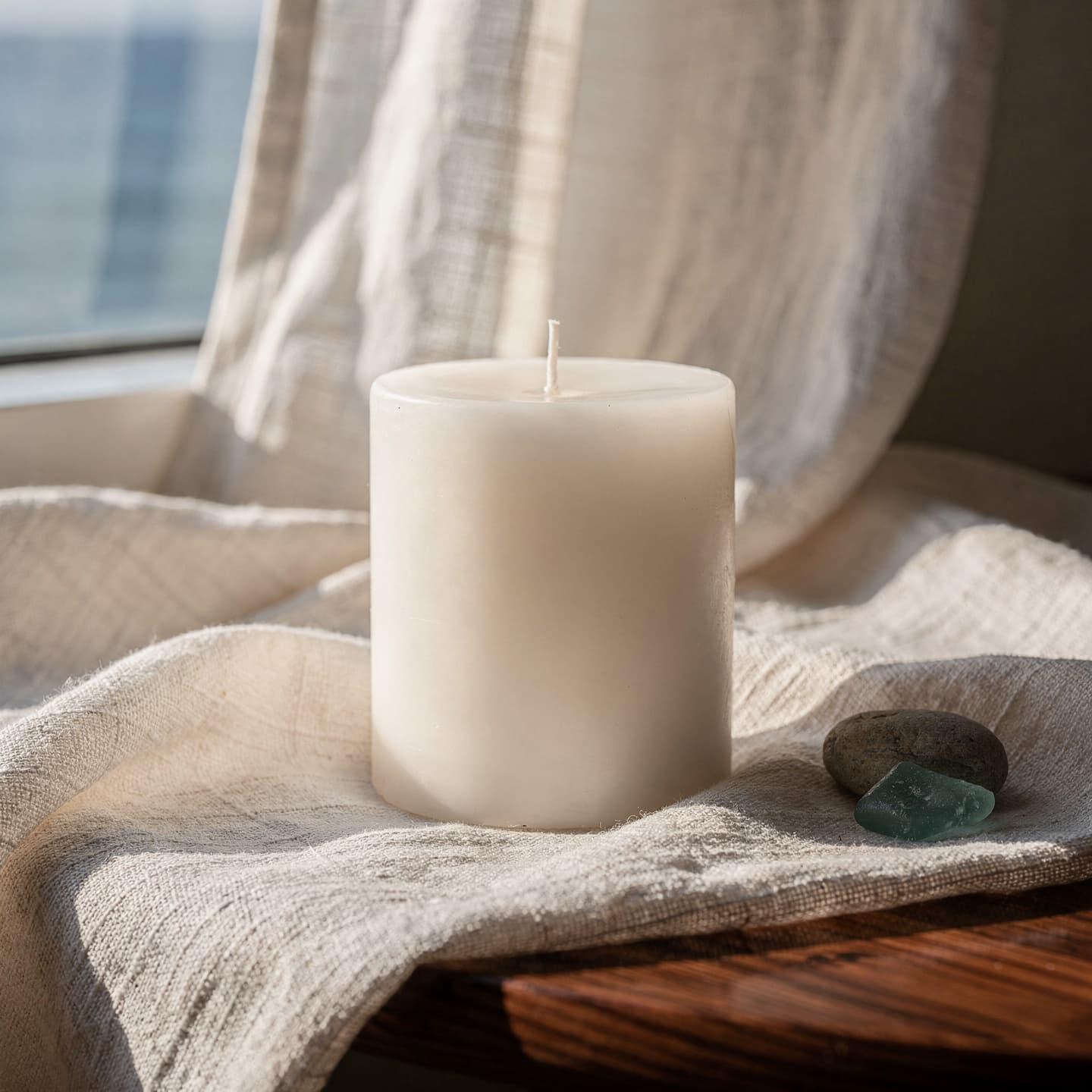
The real architecture of home fragrance lies in intentional placement and layering. One candle in a living room is decoration. Three candles—each from a different scent family, positioned in different zones—becomes a narrative. A Coastal collection piece near an open window, a Manor collection tumbler on a side table, a Fynbos pillar on a mantelpiece. Together, they create depth without overwhelming the space.
Craft, Vessel, and South African Context
The container you choose shapes how fragrance moves through air. Our bamboo jar preserves scent between burns with its fitted lid—crucial in humid coastal climates where exposure accelerates scent loss. The tumbler, by contrast, is designed for continuous presence: you light it, it sits, it works. No lids, no ritual between sessions. For layered home fragrance strategy, this distinction matters.
Fynbos-based scents perform with particular clarity in South African homes because the botanical notes—resinous protea, wild rosemary, sage—feel native to the air itself. They don't fight the environment; they speak to it. A Coastal collection candle behaves differently: it cuts through humidity and salt-saturated air by design. Manor scents, by contrast, benefit from enclosed spaces—bedrooms, studies—where warmth and stillness allow heavier notes to settle without dispersing too quickly.
Material choice also affects heat retention. Soy wax cools more slowly than paraffin, meaning scent release is gentler and more sustained. The poured vessels from the Mossel Bay studio use specific wax compositions tuned for Garden Route climate conditions, not generic industry standards. This is why a tumbler from here behaves differently than an identical-looking candle from a mass-production facility.
Designing Your Fragrance Landscape: A Practical Framework
Start with a room's function, then match a scent family. A kitchen benefits from Gather collection scents—spiced, social, active. A bedroom demands Manor or seasonal options that ground rather than stimulate. A living room that receives afternoon light can handle Coastal's brightness; one with deep shade needs the depth of Fynbos.
Next, consider layering intensity. If a room is large (over 30 square meters), two candles of different sizes create better distribution than one. If you're working with an open-plan space, position vessels in separate zones to avoid scent collision. A tumbler in the kitchen, a pillar in the dining area, a small artisan piece on a shelf—each operates in its own acoustic space.
The final variable is ritual. How you engage with fragrance shapes how it feels. Some homes need constant ambient scent (tumblers work here). Others thrive on intentional moments—lighting a bamboo jar in the evening, letting Fynbos fill a room for an hour before sleep. This isn't laziness; it's design.
Use our scent quiz to identify which families align with your spaces and preferences, then plan your placement accordingly. Or, if you're gifting fragrance to someone designing their first intentional home, the custom label builder transforms a tumbler or jar into something that says I chose this specifically for you.
Frequently Asked Questions
Does one home fragrance candle work for an open-plan living space? No. Open-plan rooms diffuse scent too quickly and unevenly. Two or three vessels positioned 4–5 meters apart create better layering. A 40–45 hour tumbler near the kitchen and a bamboo jar in the sitting zone allow each to work independently while contributing to overall atmosphere.
What's the difference between a tumbler and a pillar for everyday home fragrance use? A tumbler burns for 40–45 hours continuously and is designed for ambient scent in lived-in spaces. A pillar is architectural—it's beautiful on a mantelpiece or tablescaped dining table but burns differently (slower, more localized) and works best as a focal point rather than a workhorse. Choose tumblers for daily living rooms and bedrooms; pillars for formal spaces or when scent is secondary to visual design.
Why do scents behave differently in Mossel Bay homes versus Johannesburg? Mossel Bay's coastal air carries salt particles and higher humidity, which accelerates scent molecule dispersal but also adds complexity. Fynbos and Coastal candles are engineered to perform here; denser Manor scents can feel thin in maritime climates. The wax composition in candles poured in the studio accounts for these conditions.
Can I customize a candle as a housewarming gift for someone designing their first South African home? Yes. The custom label builder lets you personalize a tumbler or bamboo jar with a message or date. Combined with a scent choice from our collections, it becomes a considered housewarming gift—not just fragrance, but a named intention for their space.
Home fragrance in South Africa is not about making a space smell good. It's about making a space feel intentional. Whether you're working with a Mossel Bay coastal property or a Johannesburg apartment, the principle is the same: choose candles that speak to your climate and your rhythm, layer them with purpose, and revisit the choices seasonally. Start with our Coastal or Fynbos collections if you're drawn to Garden Route botanicals, or explore Manor if you prefer depth and formality. The vessel, the scent family, and the placement together become the architecture of home.
Fragrance notes, June 2026 — Claudi's Studio, Mossel Bay.