Studio Notes3 min read
Craft Over Commodity: Why South Africa's Best Candles Are Built on Specificity, Not Marketing
The candle market in South Africa is shifting toward makers who prioritize material integrity and local knowledge over mass production.
By Claudi·Poured in Mossel Bay, Western Cape
---
title: "Craft Over Commodity: Why South Africa's Best Candles Are Built on Specificity, Not Marketing"
date: 2024-01-15
author: Claudi's Editorial
category: Craft & Culture
---

The best candles in South Africa are no longer defined by price point or packaging aesthetics. A shift is underway in boutique fragrance spaces across the country—one that privileges **material specificity, burn science, and geographic rootedness** over the generic luxury messaging that dominates mainstream retail. Walk into a candle studio from Cape Town to the Garden Route, and you'll notice the difference immediately: makers are talking about wax composition, burn times measured in hours, and scent families tied to actual botanical regions rather than aspirational lifestyle imagery.

This movement reflects a broader consumer awakening. South Africans are asking harder questions about what they're lighting in their homes and gifting to others. They want to know whether a candle will actually burn for the promised duration, whether the vessel will have a second life after the wax is spent, and whether the fragrance was composed with intention rather than assembled from a fragrance house catalogue.

## Key Takeaways

- The top-performing candle makers in South Africa prioritize **burn time transparency, vessel durability, and locally informed scent composition** over brand storytelling alone.
- **A quality tumbler candle burns for 35–45 hours**—a measurable standard that separates craft producers from commodity manufacturers.
- Scent families like Coastal, Fynbos, Manor, and Gather are rooted in specific botanical and geographic conditions, not seasonal trends.

## The Craft Movement Reshaping South African Fragrance

The best candles in South Africa emerge from studios positioned within the landscapes they interpret. A candle poured in Mossel Bay carries the specificity of its maker—proximity to the Garden Route's fynbos corridors, the Atlantic wind patterns that shape coastal climate, and the hospitality culture embedded in the region's estuary communities. This geography isn't incidental; it's compositional.

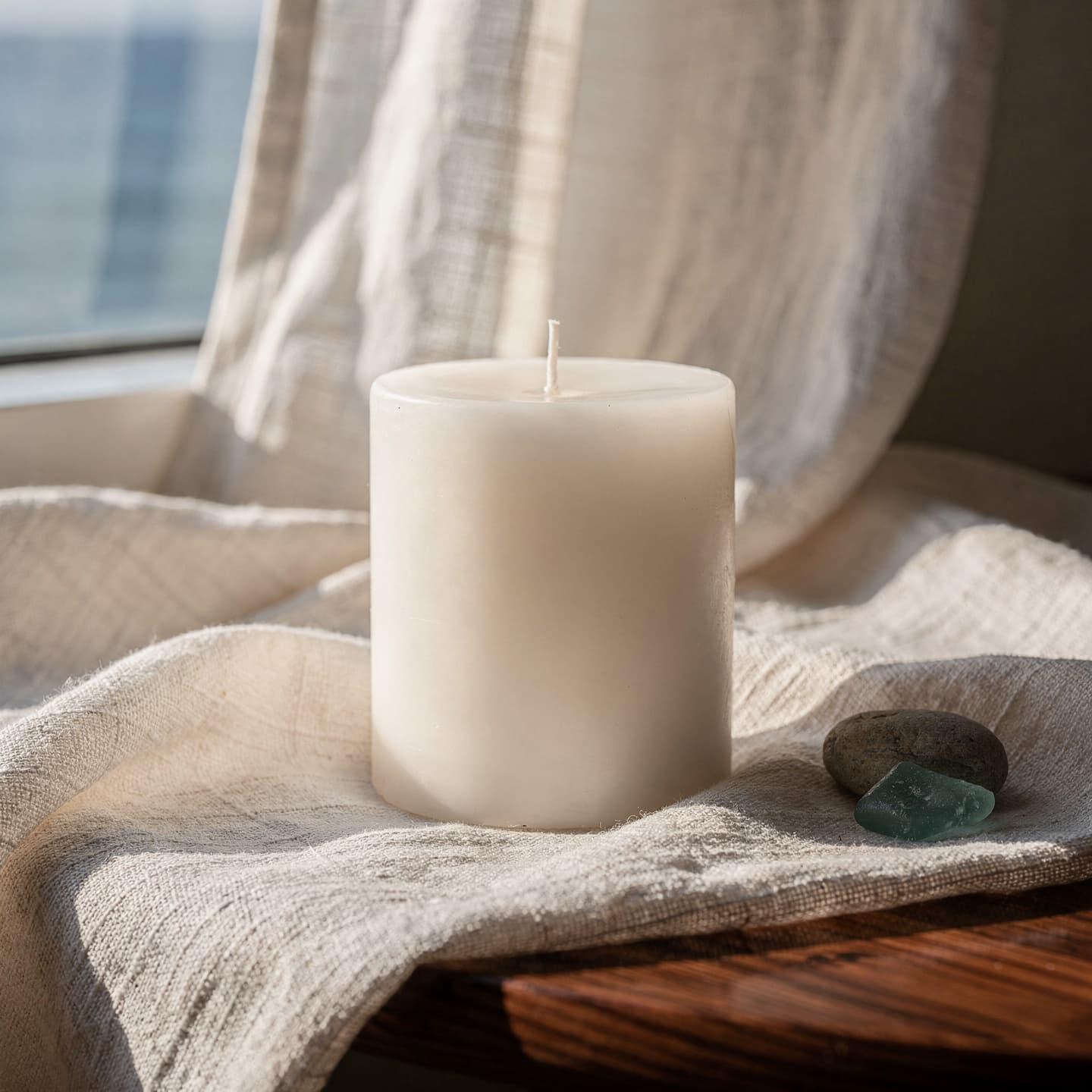
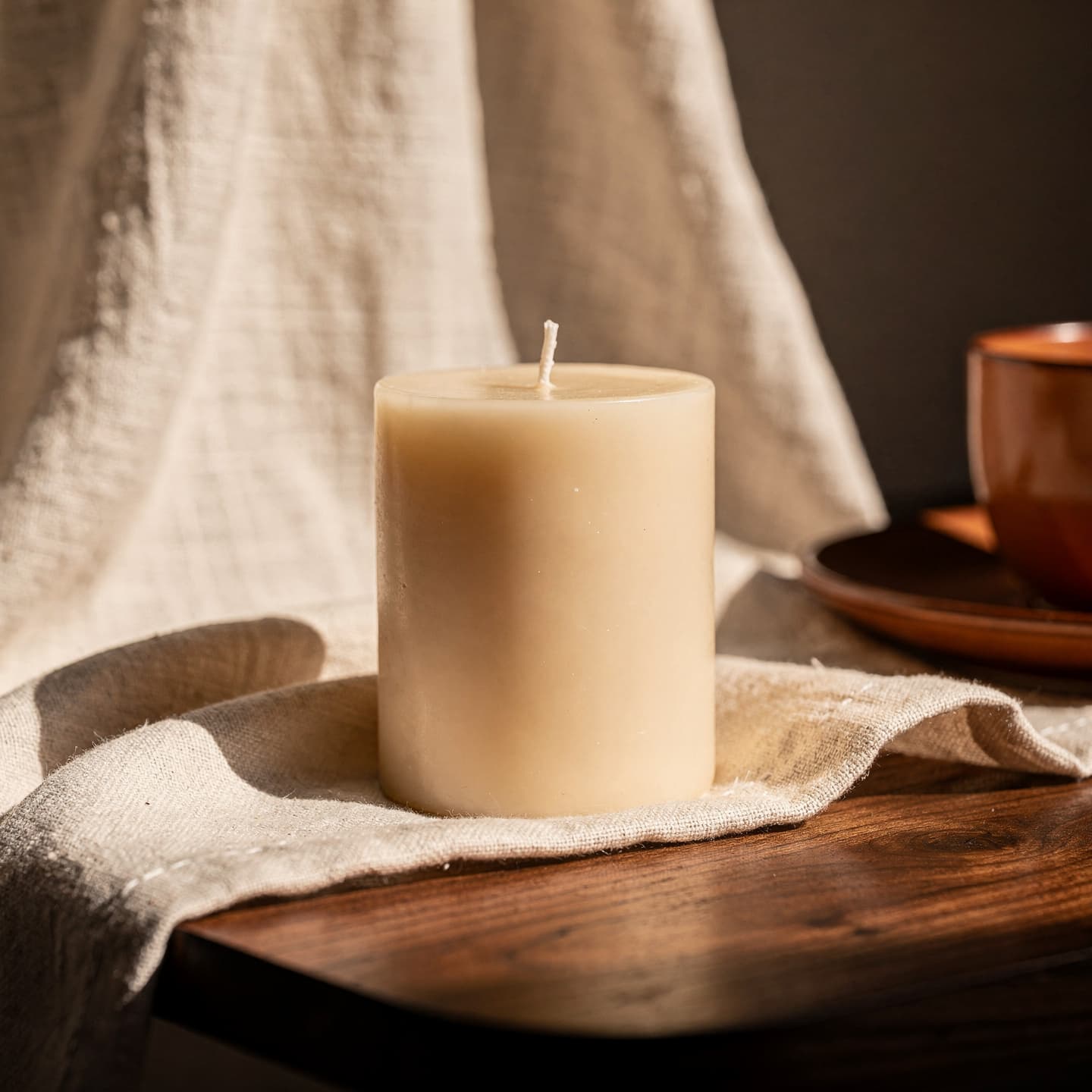
Consider burn time as the clearest proxy for craft intention. **A properly formulated candle holds a stable melt pool and releases fragrance evenly across 35–45 hours of burn**—not because of claims, but because wax selection, wick gauge (typically 2–3mm for tumbler vessels), and fragrance load have been tested across seasons and room conditions. A candle that burns unevenly or exhausts its scent in half the promised time signals formulation shortcuts or vessel misalignment.

The same engineering principle applies to vessel choice. At Claudi's, tumbler candles are retained after burn-down as functional objects—pen holders, drinking glasses, planters. A lidded vessel (like our bamboo-topped collection) preserves fragrance concentration between burns, reducing ambient scent loss and extending the experience across weeks rather than days. These aren't aesthetic choices; they're durability decisions that reflect how a maker thinks about the full lifecycle of an object.

## Specificity Over Inventory Rotation

The strongest candle studios in South Africa resist seasonal scent launches. Instead, they anchor their collections to place: Coastal captures the salt-spray and driftwood markers of Mossel Bay's shoreline; Fynbos interprets the protea and restio root systems of the Garden Route's interior; Manor draws from the heritage gardens and stone-built hospitality spaces of the region. These families persist because they're rooted in sensory truth, not marketing calendars.

A craft candle maker asks: *What botanicals exist here? How does wind, humidity, and seasonal light shift the way a space smells?* The answers inform formulation decisions that a commodity producer never confronts.

The shift toward specificity also reorders gifting logic. Rather than selecting a candle because it matches a season or trend cycle, the deliberate buyer chooses based on where they want the scent to live—bedroom, kitchen, work surface—and whether the burn time and vessel design suit that space's daily rhythm.