Studio Notes4 min read
Beyond the Souvenir: Why Cape Town Gifts Worth Giving Are Artisanal, Not Aspirational
Discerning Cape Town visitors choose handcrafted fragrance over mass-produced souvenirs—here's why scent transcends the tourism economy.
By Claudi·Poured in Mossel Bay, Western Cape
---
title: "Beyond the Souvenir: Why Cape Town Gifts Worth Giving Are Artisanal, Not Aspirational"
description: "Discover why hand-poured candles from Mossel Bay boutique studios outperform mass-produced souvenirs as genuine Cape Town gifts."
date: 2024-01-15
author: "Claudi's Editorial"
---

Cape Town's gift culture moves in two directions. One leads to airport terminals lined with identical bottles wrapped in fynbos-print paper. The other—quieter, more deliberate—seeks objects that carry the maker's hand, the place's actual story, not its postcard version. The difference between a Cape Town gift and a *gift from Cape Town* lies in specificity: in knowing where it was made, why it smells like this particular stretch of coast, and whether it will still matter three months after the trip ends.

Artisanal fragrance sits at the intersection of all three. It resists the souvenir logic. A hand-poured candle from a boutique studio doesn't compete on novelty or visual branding—it competes on presence. A 45-hour burn time means it becomes a ritual in the giver's home, not a decorative footnote. And when that candle is made from the coastline of Mossel Bay, ninety minutes east of Cape Town, it carries a specificity that no mass-production facility can replicate.

## Key Takeaways

- Discerning gift-givers choose locally made, slow-burn objects that tell a real story about South African craft and place, over generic souvenirs
- Artisanal fragrance—especially when hand-poured and vessel-conscious—creates a practical ritual in the recipient's home, not a shelf decoration
- A custom-labelled candle from a boutique studio becomes irreplaceable because it anchors memory to a specific moment, location, or relationship

## The Cape Town Gift Paradox: Why Authenticity Stays Longer Than Tourism

Cape Town attracts millions of visitors annually, yet most depart with interchangeable gifts: mass-produced candles with generic "coastal" notes, printed fabrics, essential oil blends that could have been made anywhere. The irony is that authenticity—real craft, verifiable place-based knowledge, traceable origins—is what actually stays with people.

When someone receives a gift, their brain doesn't just register the object. It registers the *thoughtfulness* embedded in the choice. Recipients pay more attention to gifts perceived as individually selected rather than commercially sourced. A hand-poured candle from a Mossel Bay studio—where the founder understands the specific salt-and-fynbos character of the Garden Route coast—signals that the giver understands something deeper about the place they visited.

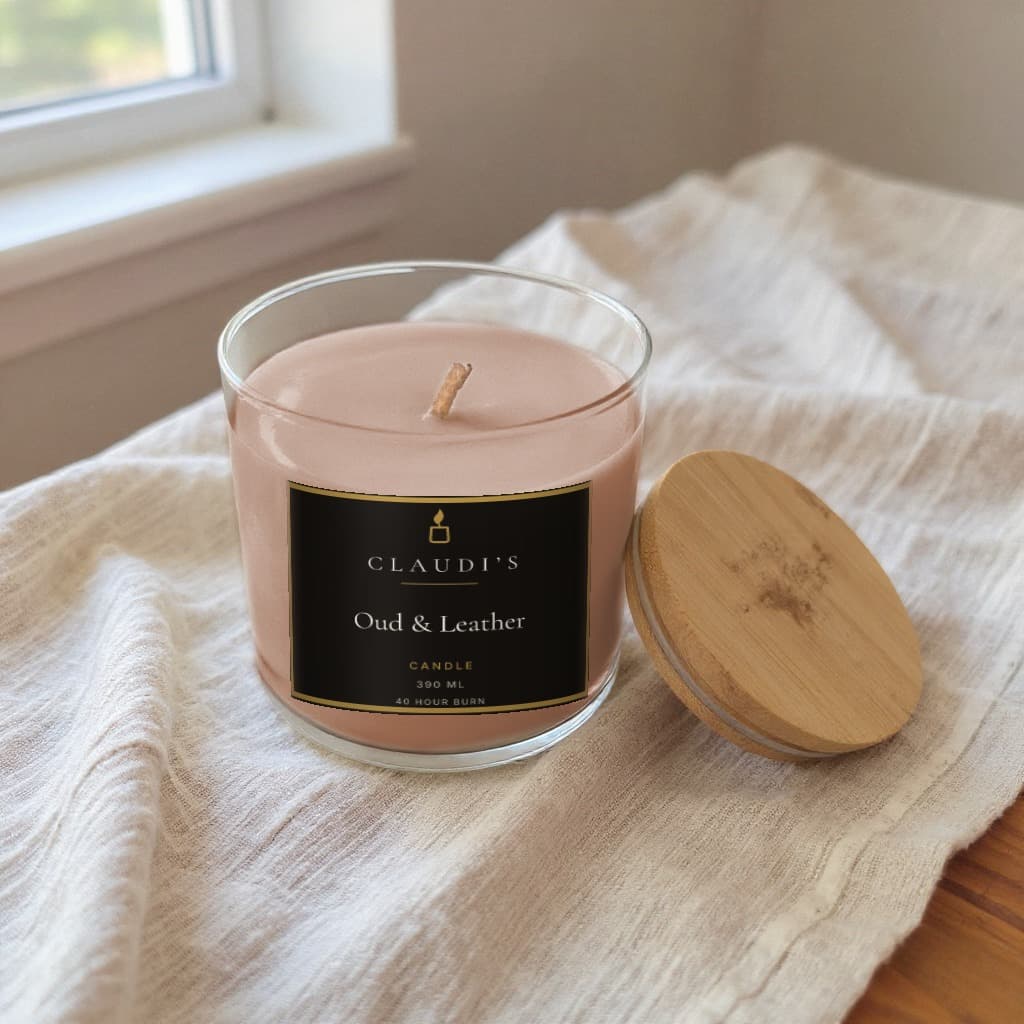
This is why the best Cape Town gifts aren't souvenirs at all. They're vessels for memory. Our [bamboo jar candle](/shop/bamboo) with a 40–55 hour burn time means the recipient lights it repeatedly over weeks, and each time, they're transported back. Not to a generic "Cape Town experience," but to the specific sensory moment the giver shared there. That burn time—measurable, real, built into the vessel design—is why it outlasts sentiment and survives the shift from novelty to necessity.

The tourist gift economy assumes transactionality: you were here, you leave, you buy proof. Artisanal fragrance inverts that logic. Every time the recipient strikes a match, they're not proving they went somewhere. They're *reliving* why it mattered.

## Why the Garden Route Difference Matters

Mossel Bay sits at the edge of the Garden Route, where the Cape coastline shifts from dramatic mountain-meets-ocean to something softer, greener, salt-weathered. The fynbos here carries different notes than Cape Town's Signal Hill. The air holds different moisture. A fragrance studio rooted in this place doesn't recreate "Cape Town"—it captures the specific olfactory character of the Garden Route's microclimate.

This distinction is everything. Mass-manufactured "South African" candles are made to a formula, bottled in batches of thousands. A hand-poured candle from Claudi's is made to a place. The founder sources materials with the coastline visible from the studio window. That proximity—that constant awareness of where the fragrance is meant to live—changes what goes into the vessel.

When you gift a candle poured in Mossel Bay, you're not gifting a scent. You're gifting the giver's taste and the maker's geography, braided together.

## The Ritual Economy: Why Burn Time Beats Brand

A 45-hour candle isn't just a measurement. It's a commitment structure. It means the recipient will return to that fragrance forty-five separate times, depending on their burn pattern. Each lighting is a small re-entry into the memory the gift carries. Mass-produced candles often burn faster and dimmer—they're engineered for perceived value at checkout, not presence over time.

The ritual dimension is where artisanal fragrance genuinely outperforms souvenirs. A printed scarf sits in a drawer. A generic perfume loses relevance once the novelty wears off. But a hand-poured candle with a measurable, generous burn time becomes part of the recipient's weekly rhythm. It's there when they're working, reading, winding down. It becomes the soundtrack of their season, not a relic of someone else's trip.

## Personalisation as Irreplaceability

The final mark of a gift worth giving is personalisation. At Claudi's, candles can be custom-labelled with dates, names, or place-specific dedications. A candle labelled with the month of a visit, the recipient's initials, or the specific Mossel Bay beach where a couple met becomes something no mass-produced gift can approach: truly one of a kind.

This personalisation isn't cosmetic. It signals that the giver thought about the recipient specifically, not just "someone who likes nice things." Neuroscience on gift reception confirms this: gifts perceived as individually tailored create stronger emotional bonds than gifts chosen from stock.

A personalised artisanal candle from the Garden Route isn't aspirational. It's *actual*—rooted in a real place, made by a real maker, burned over real time, and marked with real details about the giver's relationship to the recipient.

That's why it survives the trip. That's why it becomes a gift worth giving.