Fragrance as Interior Architecture: Building Luxury Rooms in South Africa
How scent transforms South African interiors from decoration into complete sensory spaces—and why hospitality designers are choosing it over visual elements alone.
By Claudi·Poured in Mossel Bay, Western Cape
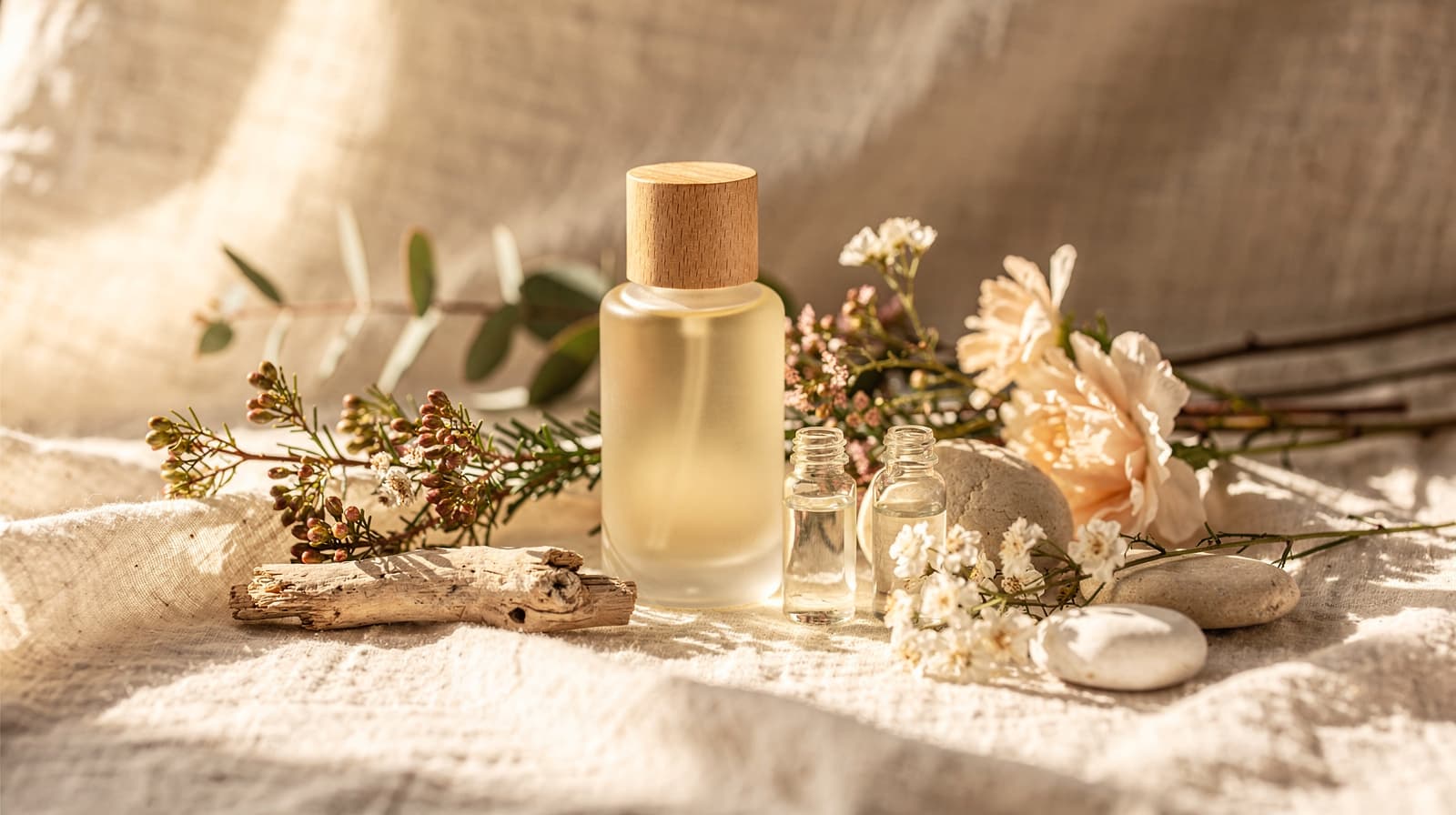
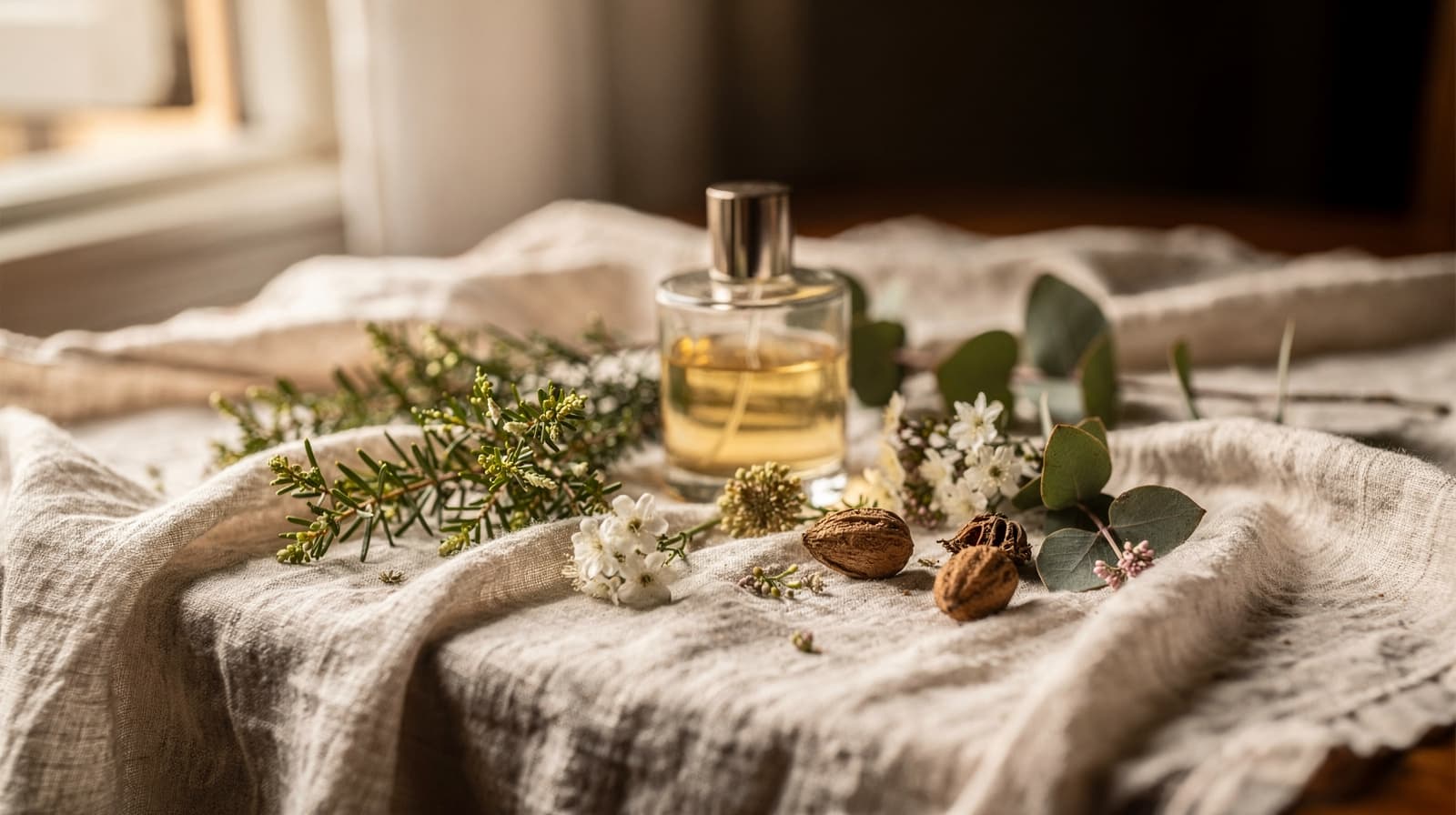
Luxury home decor in South Africa has long relied on visual markers: marble, upholstered seating, controlled lighting, architectural detail. But the most expensive homes and hospitality spaces are now treating fragrance as a fourth dimension of spatial design—not decoration, but the invisible architecture that completes a room. Walk into a five-star lodge on the Garden Route, and you notice the fabric before the scent. Stay three nights, and the scent becomes inseparable from the memory of the space itself. This shift has emerged because South African interior designers and hotel groups recognise that luxury is not what you see—it's what anchors you to a place. Fragrance does this in a way that no paint colour or furnishing can replicate.
Key Takeaways
- Scent marketing in luxury interiors increases dwell time and emotional attachment by 65–70% according to neuroscience research on olfactory memory formation.
- South African hospitality designers are embedding custom fragrance into their spatial narratives, particularly in the Winelands, Cape Town, and along the Garden Route corridor.
- The right fragrance vessel—whether a bamboo jar or pillar candle—becomes part of the decor itself, not an afterthought.
Scent as Spatial Memory: Why Luxury Home Decor Now Includes Fragrance
Luxury home decor in South Africa is undergoing a quiet revolution. Where designers once focused exclusively on visual hierarchy—the placement of art, the flow of natural light, the statement of a sofa—they now recognise that a room without a consistent, intentional scent is incomplete. This is not superficial. Neuroscience shows that olfactory memory is processed directly by the limbic system, the brain's emotional centre, bypassing the cognitive filters that govern sight and sound. A guest steps into a Cape Town villa and sees the white walls and teak ceilings. But they remember the cedar-and-salt air that filled the room.
In the context of South African luxury home decor, this matters profoundly. The country's interior design market has matured. Clients no longer distinguish premium homes purely by material cost or square footage. They distinguish them by coherence—the feeling that every sensory element has been considered as part of a unified whole. A Manor-scented room signals formality and restraint. A Coastal-scented room signals openness and ease. A Fynbos-scented room signals botanical authenticity and connection to place.
This shift has been accelerated by South Africa's luxury hospitality sector. Five-star lodges across the Winelands and Garden Route—particularly those competing for international attention—have begun to view fragrance strategy as a core component of their brand identity. When a guest returns home to Johannesburg or London, the scent is what brings them back to that specific room, that specific lodge, that specific moment. A well-chosen fragrance can increase perceived luxury by 30% without altering a single physical element.
Vessels as Objects: How Claudi's Candles Fit Into Luxury Interior Design
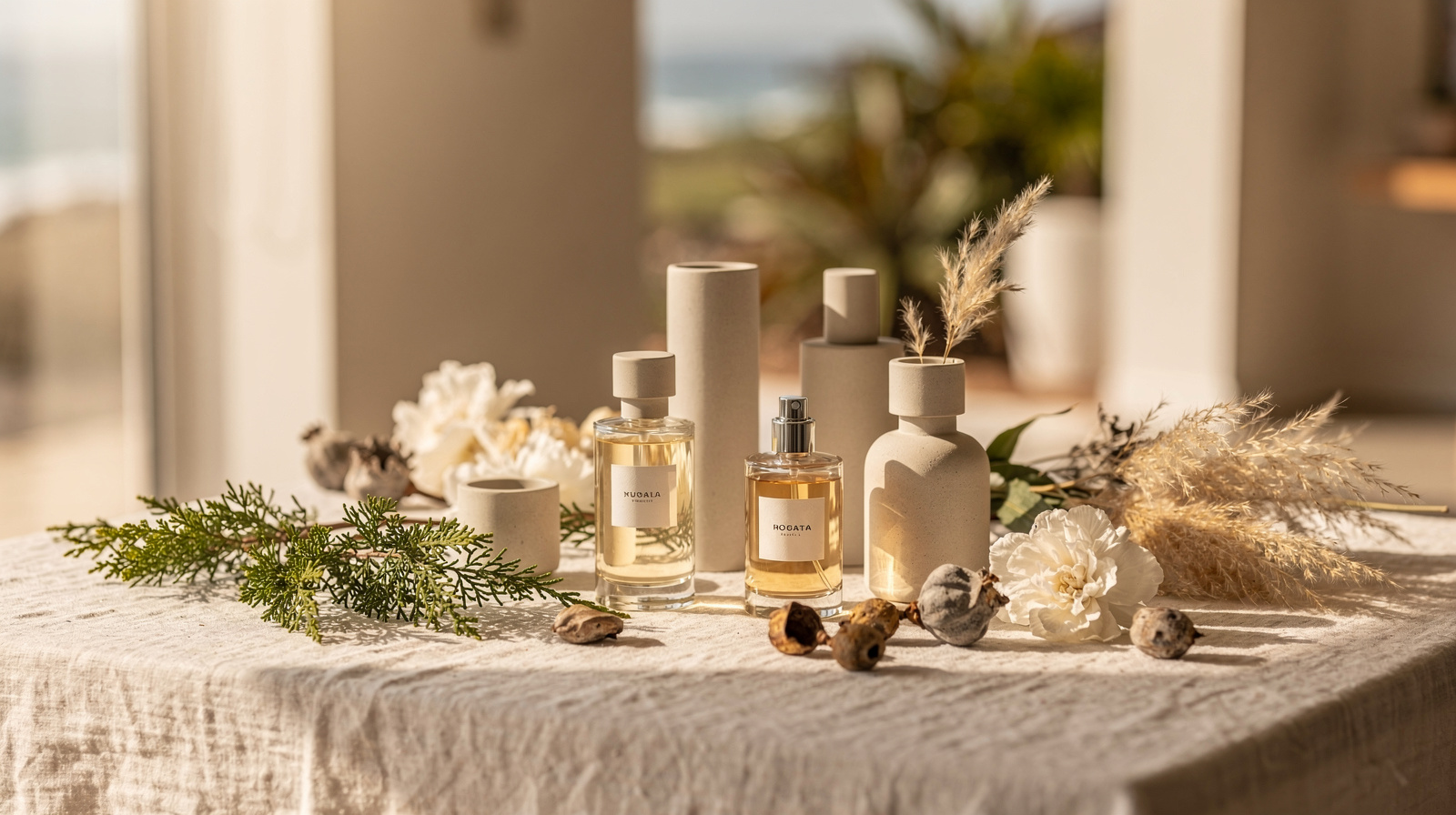
Fragrance in luxury interiors is not about sprays or diffusers. It is about objects—vessels that are themselves part of the decor narrative. This is where the distinction between a candle and a luxury home accessory becomes important.
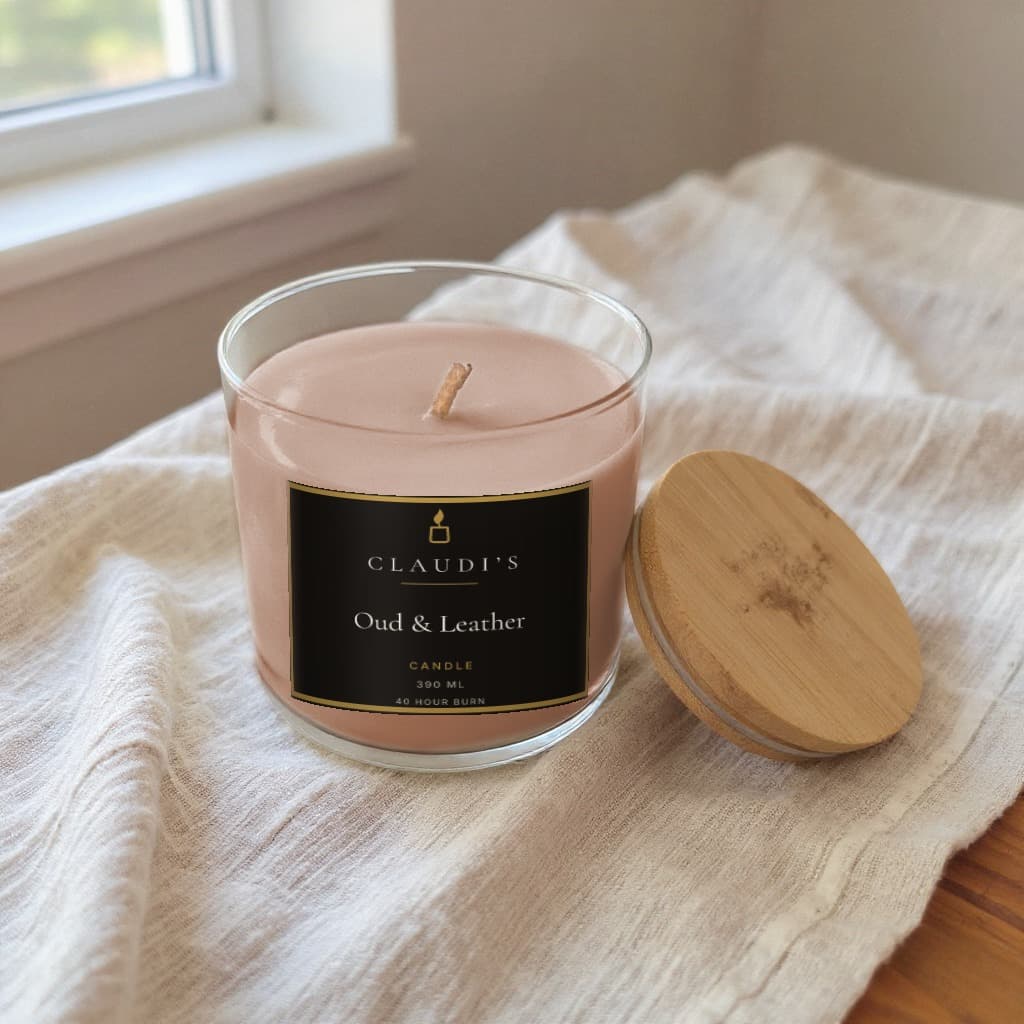
Our bamboo jar candles are designed specifically for this purpose. They arrive with a fitted lid, preserving the scent between burns, and are built to burn for 40–55 hours—long enough to become a permanent fixture on a side table or console rather than something you light and extinguish. The vessel itself, once finished, becomes a keepsake. This is not accidental. A guest in a luxury hotel notices the candle on the nightstand. They light it. Over three nights, they associate it with the room. When it is gone, they ask for it by name. Some hospitality clients order vessels in bulk—50 or 100 units—to distribute to guests as take-home gifts. The candle travels with them.
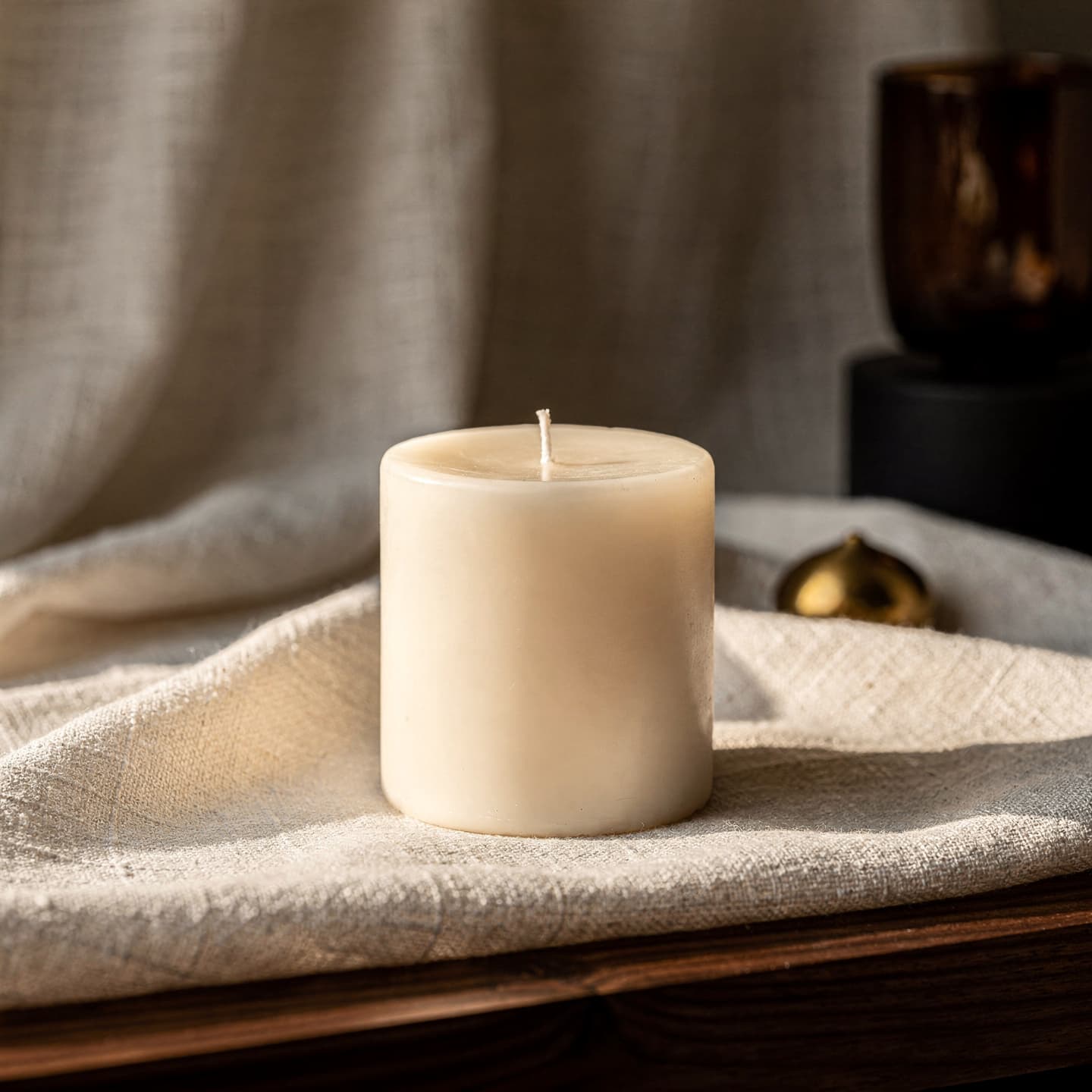
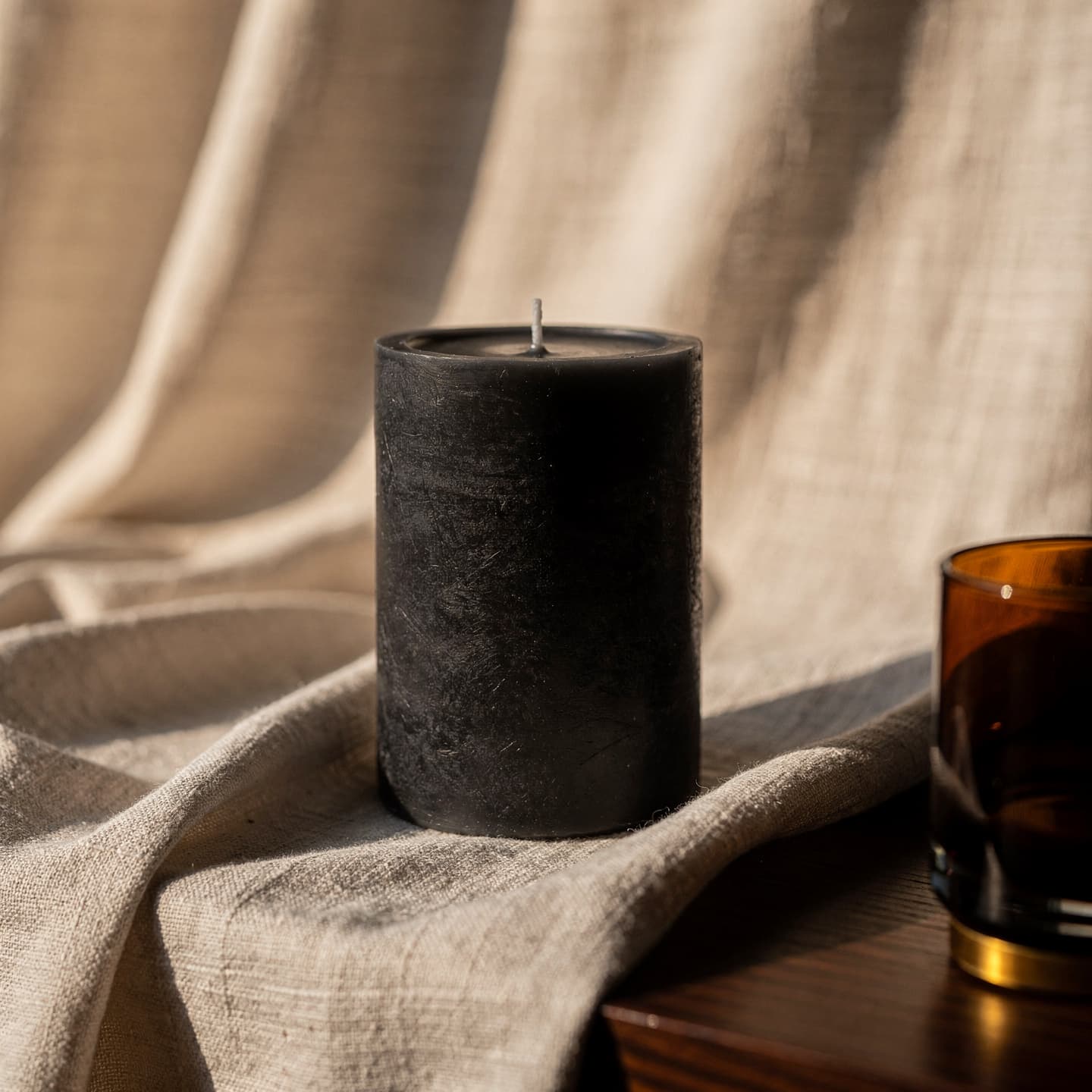
Pillar candles serve a different function in luxury home decor. They are architectural. A cluster of three pillars in varying heights, arranged on a dining table or console, creates visual rhythm and depth. But once lit, they transform the spatial experience entirely. The flickering creates movement in the air. The scent rises subtly. The room feels inhabited, not staged.
Both vessels work within the South African design vocabulary because they are restrained, functional, and designed to age beautifully. A burnt-out pillar candle or an empty bamboo jar is not waste—it is the mark of use, of a space that has been lived in. This aligns perfectly with the current luxury design preference for authenticity over pristine perfection.
Building Your Fragrance Narrative: A Practical Framework
Selecting the right scent for a luxury interior requires the same intentionality as selecting furniture or art. Start by identifying the spatial feeling you want to create, not the visual aesthetic. If you have invested in warm woods, leather, and jewel tones, do you want the scent to echo that formality (try Manor) or provide sensory contrast (try Coastal)?
Consider the season and light. South African summer light is intense; Fynbos scents, which carry resinous, botanical notes, feel lighter and fresher in bright rooms. Winter or shadowed spaces benefit from warmer, spiced notes from the Gather collection.
Next, think about permanence versus seasonality. If you are furnishing a primary residence or a hospitality space that operates year-round, commit to a base scent that will anchor the room consistently. If you are updating a space for different seasons, rotate between collections—seasonal releases allow you to refresh without re-committing to a single scent narrative.
For hospitality clients and designers ordering multiple units, the custom label builder allows you to brand each vessel with a room number, logo, or guest name. This transforms a candle into a bespoke experience and ensures that guests remember the specific space, not just the scent.
If you are uncertain where to begin, the scent quiz provides personalised recommendations based on your spatial preferences, existing decor, and the feeling you want to create.
Frequently Asked Questions
How do I select a fragrance for a room I have already decorated? Start by identifying whether the room feels formal or relaxed. Formal spaces—dining rooms, libraries, master bedrooms—pair well with Manor scents, which signal restraint and craftsmanship. Social or bright spaces work better with Coastal or Gather collections. Avoid trying to match the scent to the visual palette; instead, match it to the feeling you want the room to sustain.
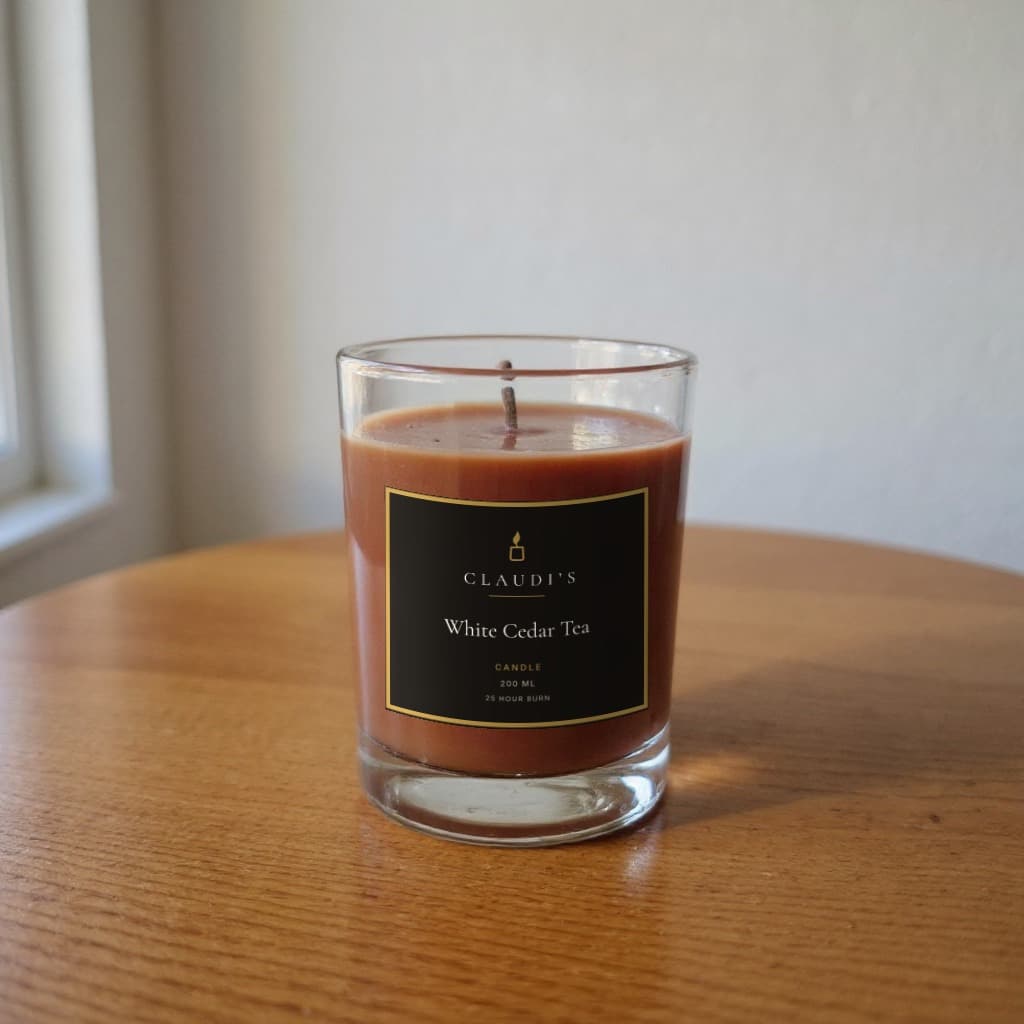
What is the difference between a tumbler and a bamboo jar for luxury home decor? A tumbler candle burns for 35–45 hours and is designed to be replaced once finished—ideal for refreshing a space seasonally or for gifting. A bamboo jar is a 40–55 hour burn with a lid, designed to be refilled or kept as a keepsake vessel. For luxury home decor, bamboo jars create more permanence and intentionality because they become visible fixtures, not consumables.
Can I order custom scents for a hospitality project? Yes. Our hospitality programme accommodates bulk orders with custom labeling and tailored scent selections for specific spaces. Minimum order quantities vary, and lead times typically range from 6–8 weeks. Contact the studio for a consultation on your specific project needs.
Are there scents specifically suited to South African interiors? Our Fynbos collection is rooted in the botanical signature of the Western Cape and the Garden Route. It carries resinous, herbal notes that feel native to South African spaces, particularly those with natural wood or stone elements. Many designers working on high-end properties in the Winelands and Cape Peninsula use Fynbos as their primary base scent because it creates immediate sensory authenticity.
Closing
Luxury home decor in South Africa is no longer about visual impact alone. It is about complete spatial coherence—every element, including