Where South African Fragrance Oils Come From: The Mossel Bay Studio Guide
Most fragrance oils sold in South Africa come from overseas. Here's what changes when they're crafted locally, and why provenance matters.
By Claudi·Poured in Mossel Bay, Western Cape
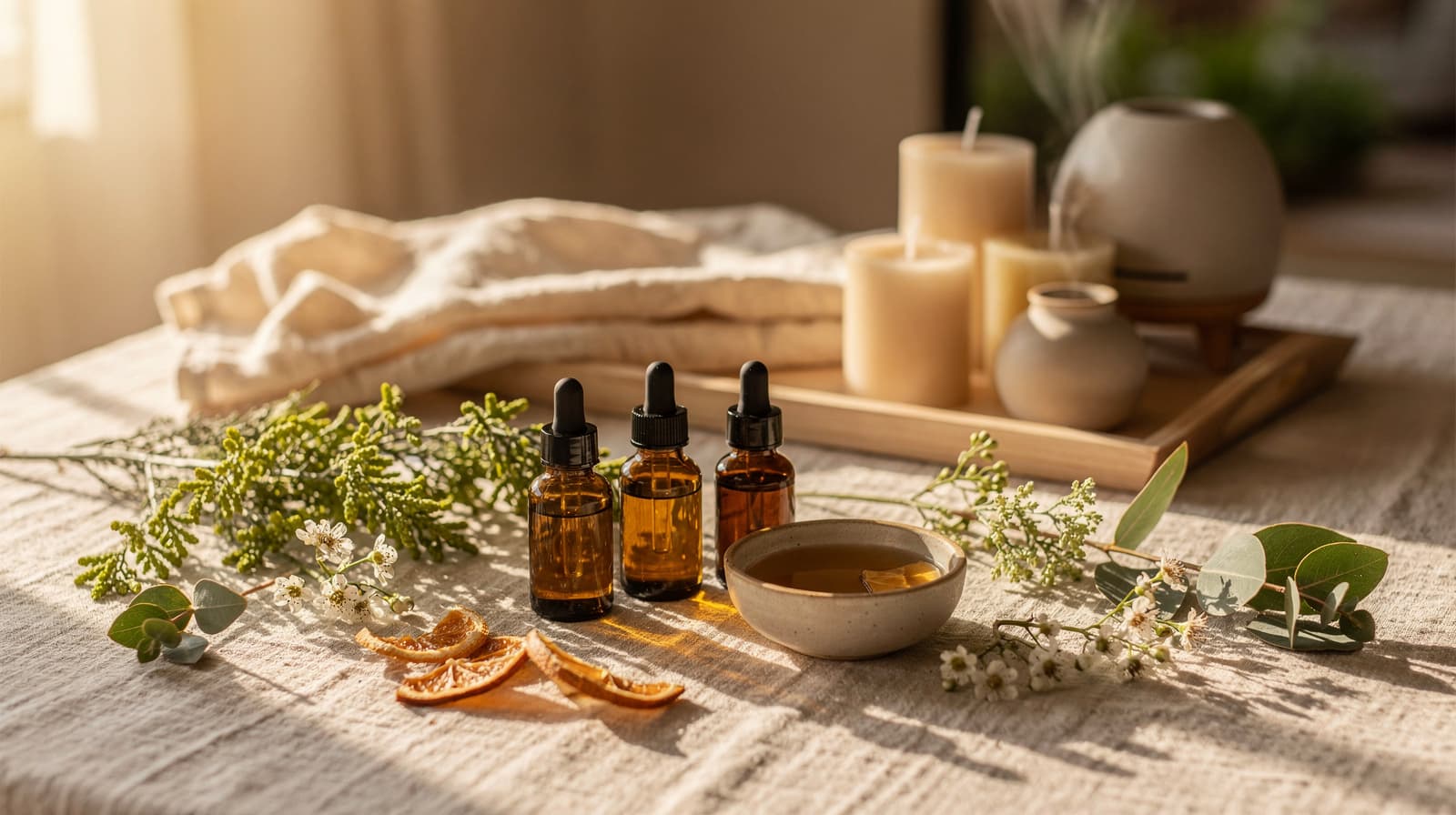
Most people assume fragrance oils are a commodity—ordered from a global supplier, poured into a vessel, and sold. The reality in South Africa is more fragmented. The majority of fragrance oils imported or blended locally come from European or American suppliers, formulated for generic markets. They work. But they don't carry the specificity of place. When we source and blend fragrance oils in the Mossel Bay studio, we're making a deliberate choice: to ground scent in the Garden Route itself—its fynbos, its maritime air, its particular light. That decision shapes everything downstream, from the oils we select to the vessels we pour them into, to the burn time you'll experience.
Key Takeaways
- Most fragrance oils in South Africa are imported wholesale; locally crafted blends offer specificity of place and traceability that mass-market bottles cannot match.
- The fynbos biome produces volatile botanicals—protea, erica, restio—that require specialist oil extraction and blending knowledge; generic fragrance oil formulations miss these nuances.
- A 40–55 hour burn in our bamboo jar delivers consistent scent throw because the oil composition and vessel design are calibrated together, not sourced separately.
The Fragrance Oil Supply Chain in South Africa
South Africa has a robust fragrance import industry, but fragrance oils sourced through conventional channels rarely reflect the country's unique botanical character. Most arrive pre-formulated in bulk—designed for a global customer base, not the Cape's specific climate, light, or sensory culture. A fragrance oil blended for European winters behaves differently in a Mossel Bay summer: it volatilises faster, loses nuance, can feel thin or sharp.
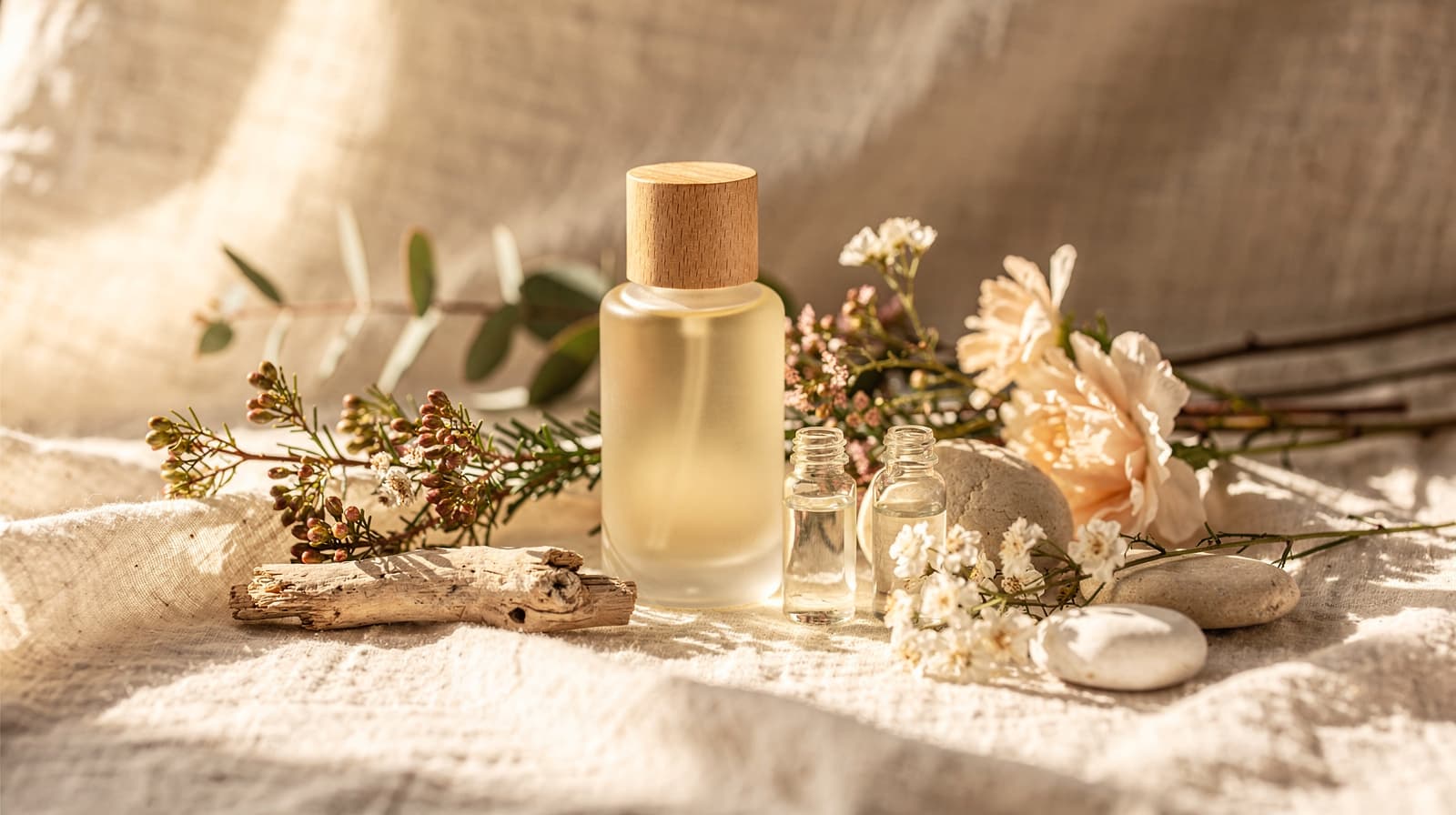
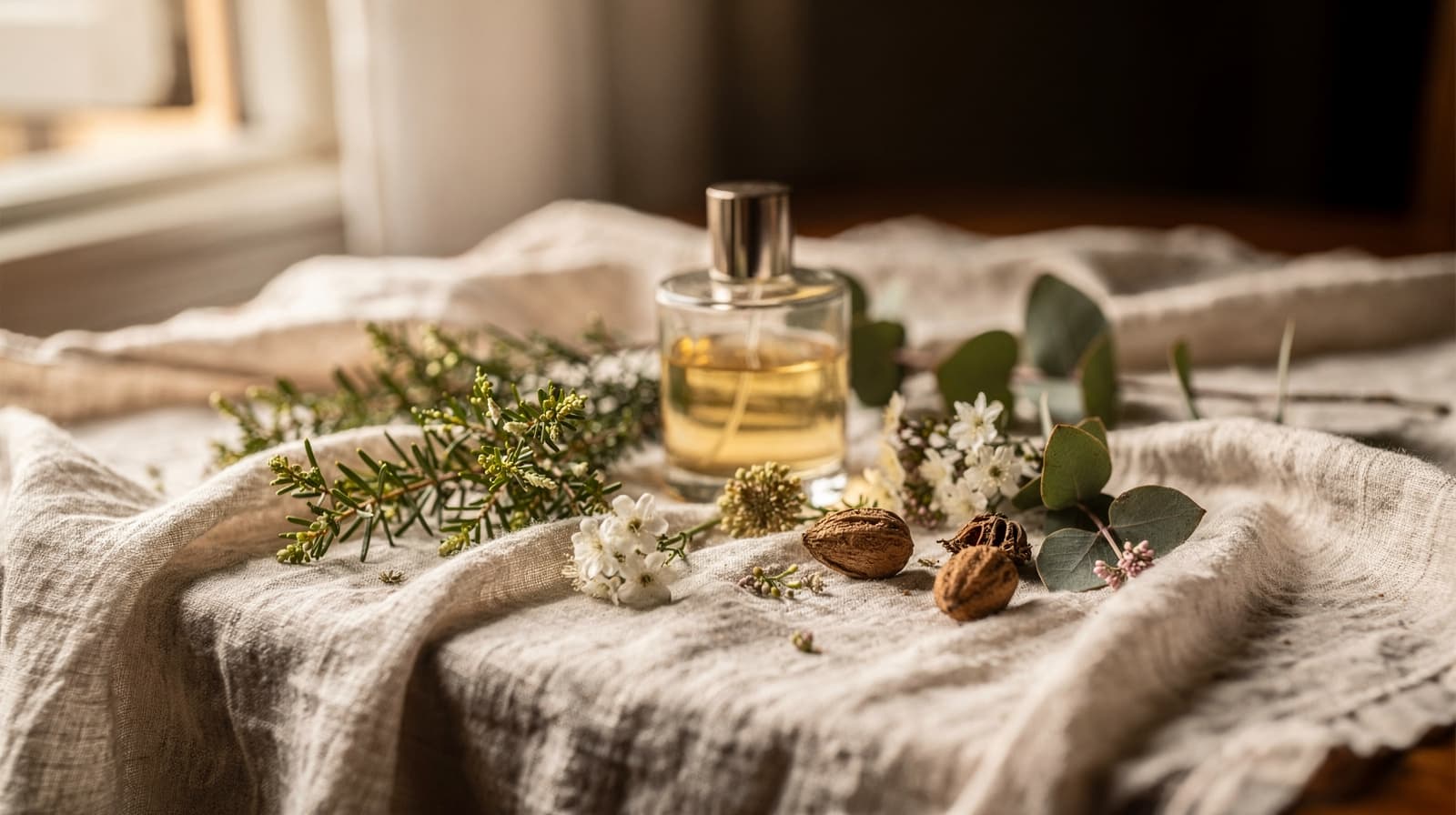
When we work with fragrance oils in the studio, we're sourcing them through specialist European houses—primarily French and Swiss—but we're commissioning custom blends and testing them against the Garden Route's conditions. A Fynbos oil, for instance, isn't a single molecule. It's a composition that captures the resinous greenness of erica, the honeyed warmth of protea, the mineral edge of the coast. That requires blending skill, local knowledge, and willingness to iterate. Most commercial fragrance oils avoid this complexity. They're built for consistency across climates and seasons. We're building for one place.
Crafting Local Character Into Every Pour
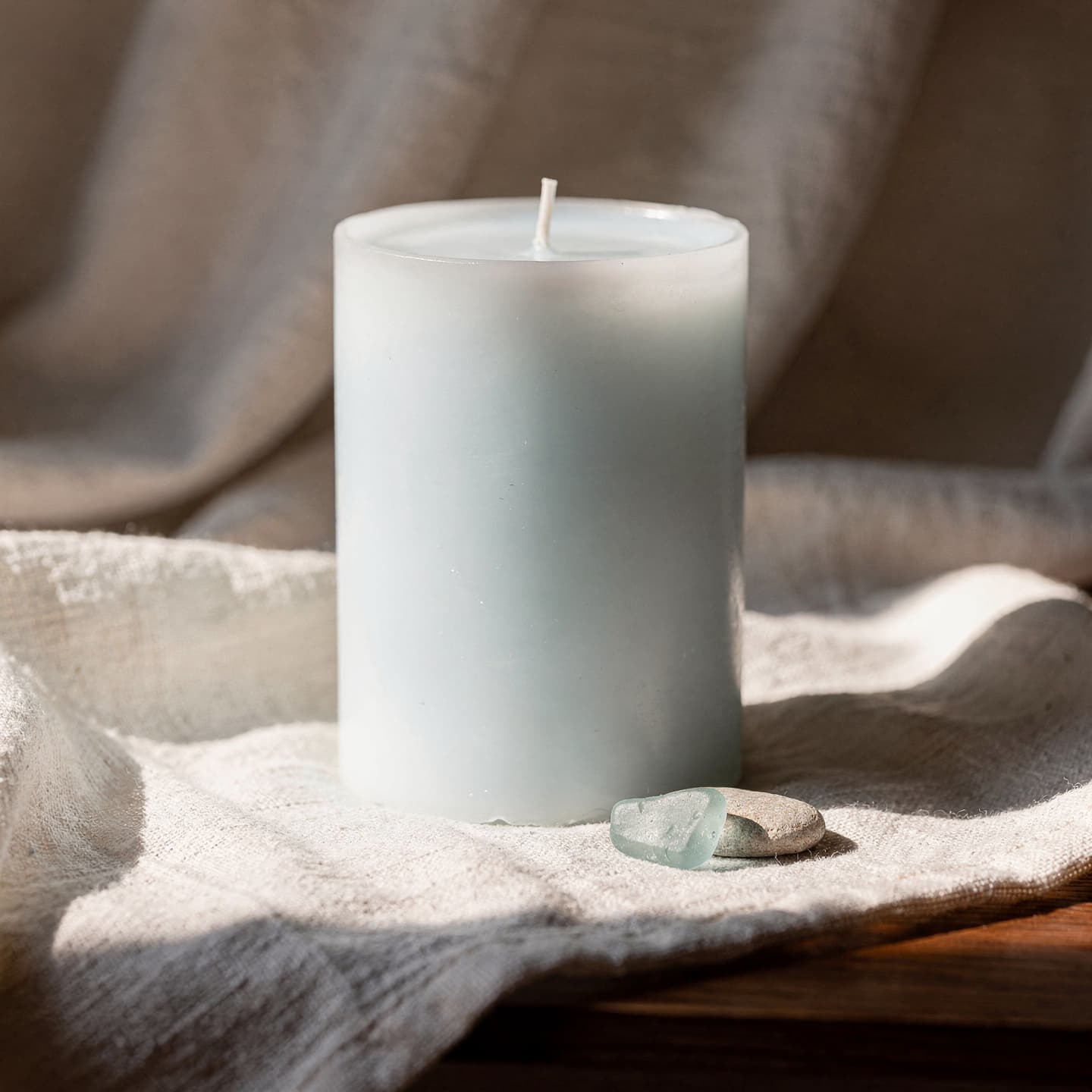
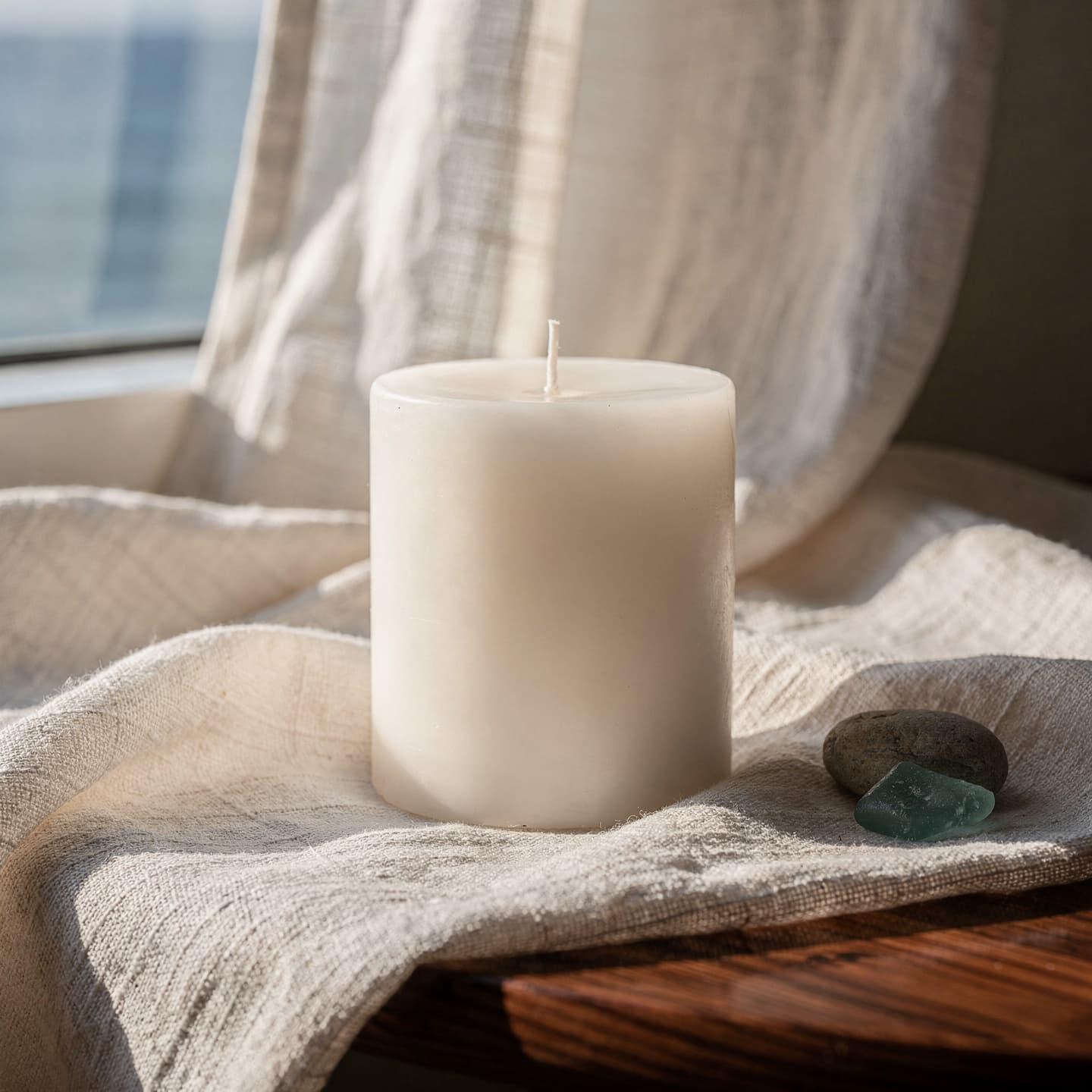
Our Coastal and Fynbos collections exist because fragrance oils sourced and blended locally can hold specificity that imported bottled candles cannot. A Coastal fragrance oil starts with maritime notes—salt, driftwood, iodine—but we've calibrated it to the light and humidity of Mossel Bay itself. The oil composition ensures it doesn't fade over the 40–55 hour burn time of our bamboo jar; instead, it evolves, the way a real coastline does across a day.
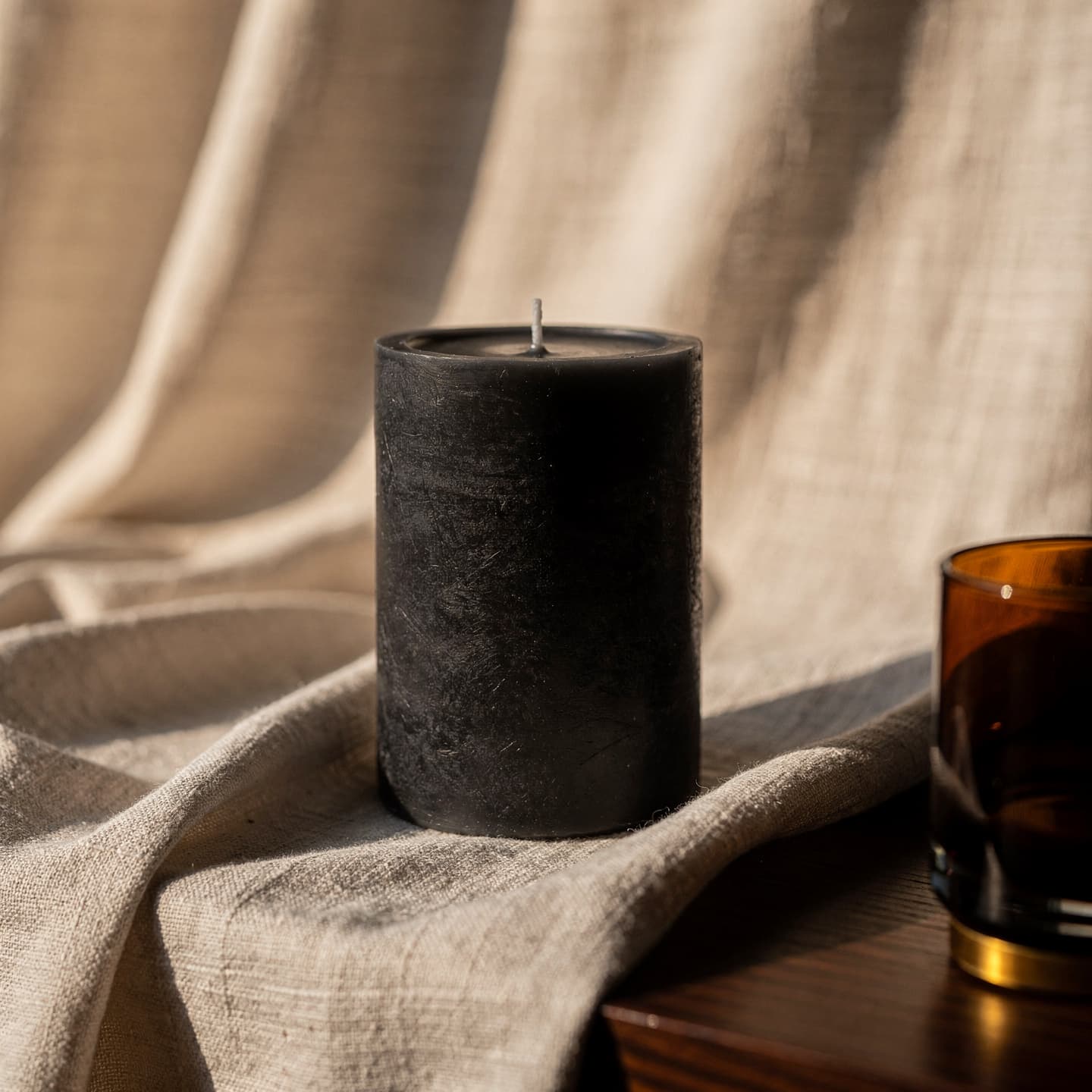
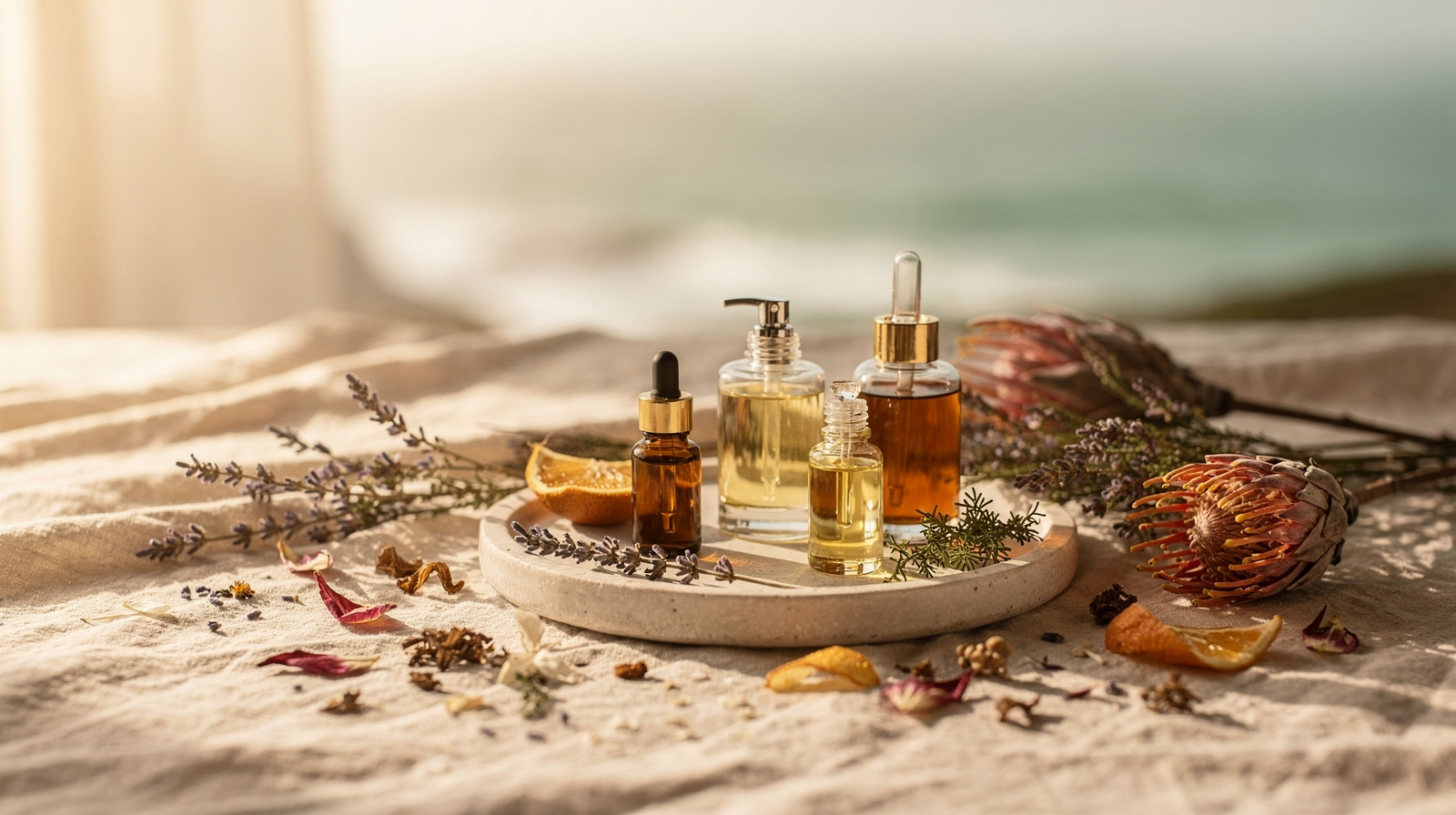
The Fynbos collection works differently. Fynbos fragrance oils are inherently difficult because the botanicals are volatile and resinous. A standard fragrance oil supplier will stabilise those notes into submission—they'll become a generic "green floral," safe and forgettable. We use fragrance oils that preserve the raw character: the slight bitterness of restio, the honeyed depth of protea, the medicinal edge of leucadendron. It's less forgiving. It demands a reader who wants specificity, not comfort.
Both collections are poured into vessels—our tumbler and bamboo jar—where the relationship between oil composition and vessel design matters acutely. A fragrance oil's throw (how far the scent carries) and longevity depend partly on the oil itself and partly on how much surface area it has to volatilise from, and how well the vessel retains heat and scent. That's why we don't source oils separately from vessels. They're calibrated as a system.
Choosing the Right Fragrance Oil for Your Space
If you're sourcing fragrance oils in South Africa for a home, a hospitality venue, or an event, you face a real decision: convenience or character. Convenience means ordering a pre-made candle or fragrance oil from a global supplier. It arrives quickly, it's predictable, it works. Character means accepting that sourcing locally, testing for local conditions, and waiting a little longer yields something that actually belongs in your space.
Start by asking: What do I want the scent to do? If you're designing a hotel lobby in the Cape, a generic lavender fragrance oil will make it feel like any lobby anywhere. A Coastal or Fynbos fragrance oil calibrated for South African conditions will make guests recognise where they are the moment they enter. That's worth the lead time and the slightly higher cost.
Use our scent quiz to clarify which scent family—Coastal, Fynbos, Manor, Gather—resonates with your space. Then decide on vessel: a tumbler candle for everyday use (35–45 hours, affordable, keeps the vessel after burn), or a bamboo jar for gifting or hospitality (50–55 hours, lidded to preserve scent between burns, feels intentional). If you're sourcing for an event or hotel, our hospitality programme includes custom fragrance oil blending and bulk ordering with trade pricing.
Frequently Asked Questions
What's the difference between South African fragrance oils and imported ones? South African fragrance oils sourced and blended locally—like ours—are tested against local climate, light, and humidity. An imported fragrance oil formulated for European conditions will volatilise differently in Mossel Bay's heat and sea air, often fading faster or losing subtlety. Local blending ensures the oil performs as intended where it's used.
Can I order custom fragrance oils in small quantities? Yes. Our custom label builder allows you to personalise a candle with your own branding or message. For larger custom blending (hotels, weddings, corporate events), contact us at hospitality or weddings—we work with venues on bespoke fragrance oil profiles.
How long does a fragrance oil candle actually burn? A tumbler candle poured from the Mossel Bay studio burns for 35–45 hours. A bamboo jar extends that to 40–55 hours because of its shape and lid design, which slows volatilisation between burns. Both assume proper wick trimming and safety practices; see our candle safety guide for details.
Why should a hotel or wedding venue source fragrance oils locally? When your guests arrive in Mossel Bay or elsewhere on the Garden Route, a fragrance that smells like the place becomes part of the memory. Global fragrance oils miss that opportunity. A locally blended Coastal or Fynbos oil tells a story. It also supports a studio—not a corporation—and often arrives faster and with more flexibility than overseas suppliers allow.
The choice to source fragrance oils in South Africa from a local studio isn't just about scent. It's about how you want your space to feel, and whether you're willing to prioritise specificity over convenience. In Mossel Bay, we've built the studio around the belief that scent should be rooted in place. A Fynbos tumbler candle poured here carries that philosophy from first light to last burn. That's the difference local fragrance oil crafting makes.
Fragrance notes, June 2026 — Claudi's Studio, Mossel Bay.