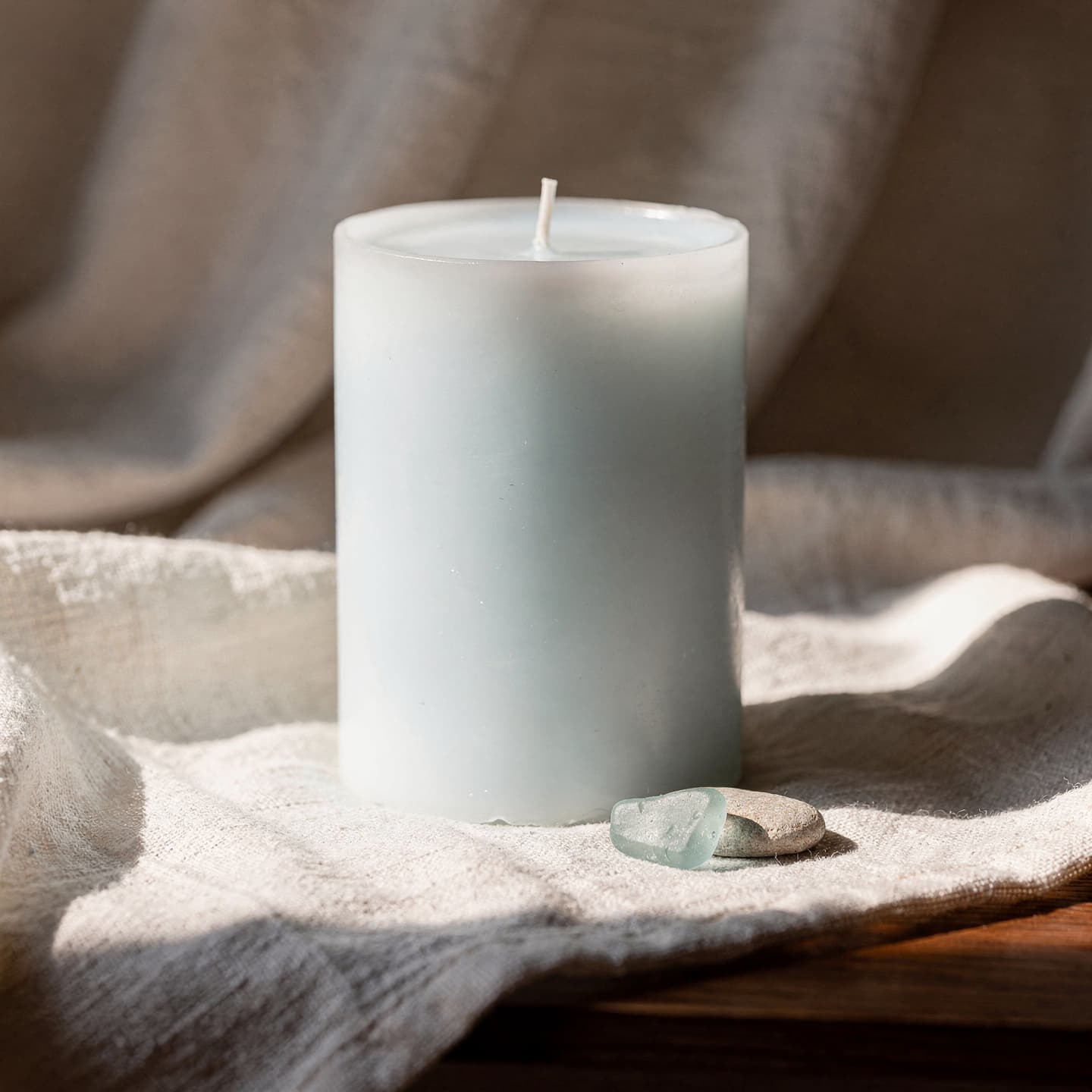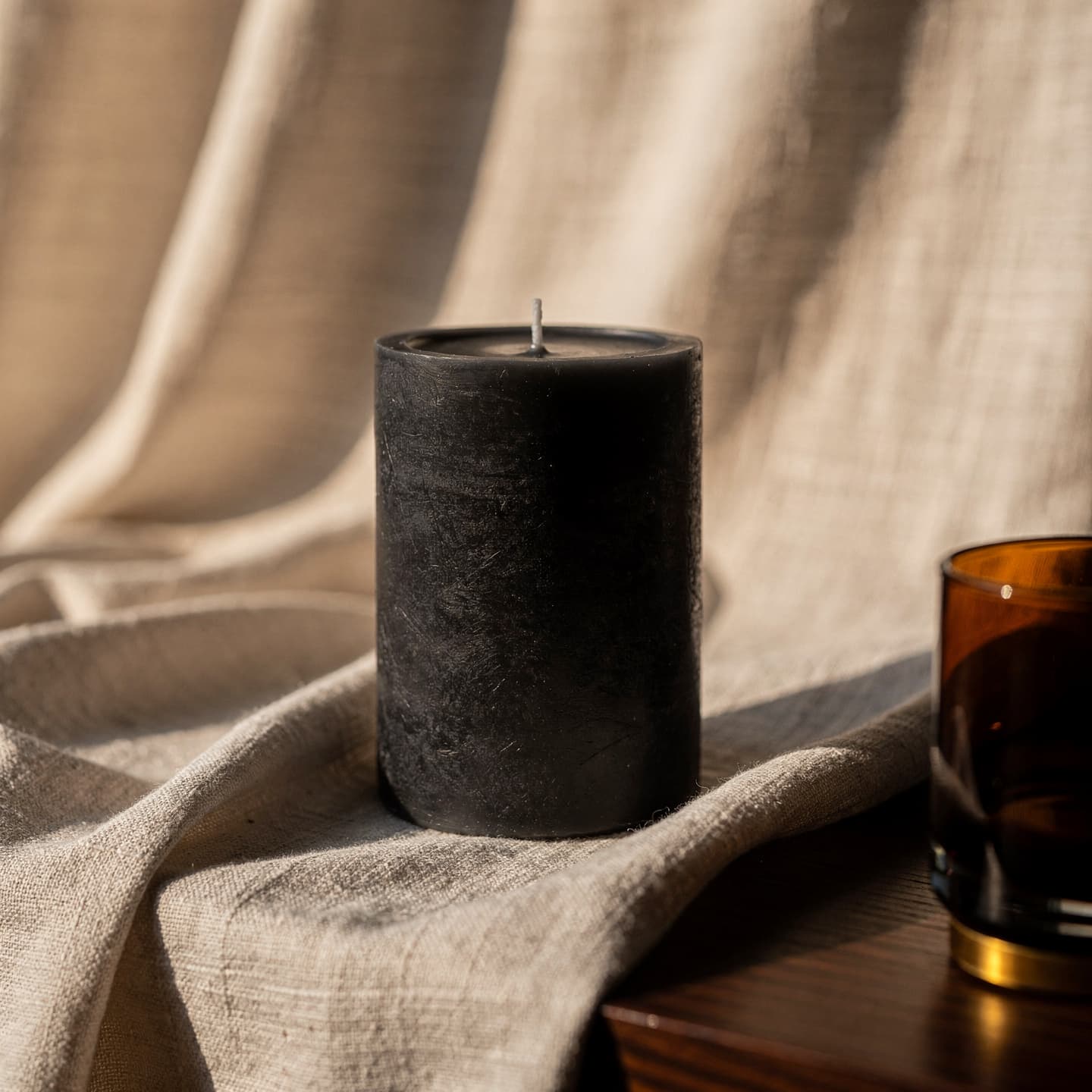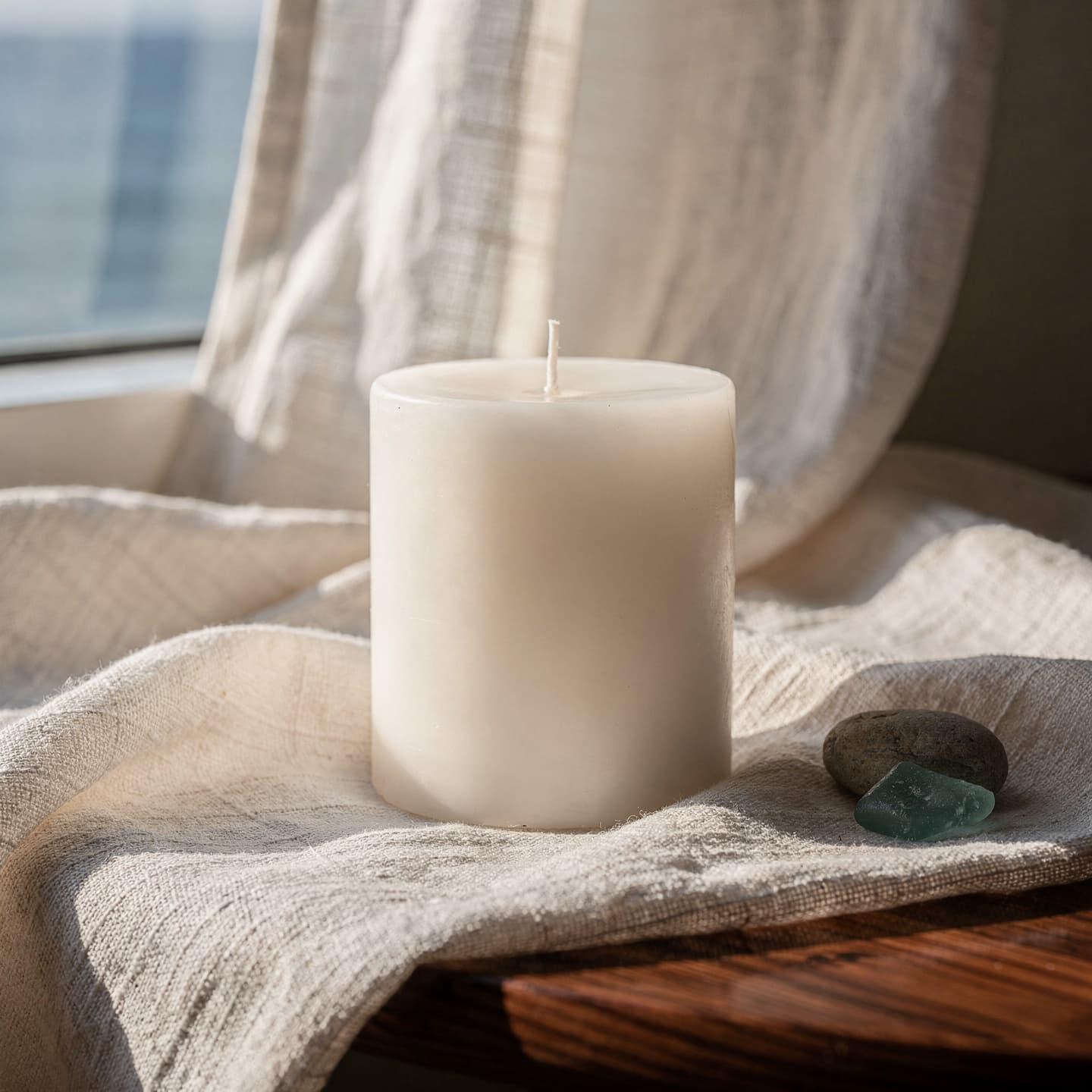
Why Buying Local Fragrance Matters: The South African Studio Difference
How supporting local craft studios reshapes the fragrance market—and what that means for the candles burning in your home.
By Claudi·Poured in Mossel Bay, Western Cape
The fragrance market moves fast. Mass production accelerates decision-making into milliseconds. Marketing budgets drown out craft stories. Yet in Mossel Bay, on the south-western edge of the Garden Route, a different model persists: small-batch candles poured by hand, scents built from real botanical knowledge, vessels designed to outlive their burn time. Buying local South African fragrance isn't a lifestyle choice—it's a recalibration of what value actually means.
When you buy from a studio like Claudi's instead of a global chain, you're not paying more for less. You're funding something the mass market has abandoned: time. Attention to detail. The ability to test a batch until the burn is exactly right, rather than shipping to production at scale and hoping customer service manages returns.
Key Takeaways
- A single Claudi's tumbler candle burns for 35–45 hours because the vessel ratio, wax blend, and wick are calibrated in the studio—not dictated by overseas supply chains.
- South African fragrance studios source botanicals from the Fynbos and Garden Route, reducing supply-chain distance and carbon footprint by up to 60% compared to imported finished goods.
- Buying local directly funds skilled craft labour in South Africa, where artisan fragrance work supports regional employment and keeps knowledge rooted in place.
The Hidden Cost of Convenience
Global fragrance brands operate on inventory velocity. A candle designed in Manhattan, manufactured in Indonesia, warehoused in Europe, and shipped to South Africa arrives cheaper because no individual person is responsible for its quality. Responsibility is distributed. Costs are externalized.
A local studio accepts the opposite burden: everything burns in front of you. If a Claudi's tumbler candle doesn't perform, there's nowhere to hide. The batch was poured here. The scent blend was tested here. The customer burning it is in the same time zone, often in the same region—and they talk about it, in person or online.
Buying local South African fragrance means the maker is answerable. The wax selection, the wick size, the fragrance load, the cure time—all of it reflects the studio's reputation, not a corporate quarterly target. That accountability reshapes the product fundamentally.
Consider burn time as a measure. A mass-market tumbler claims 20–30 hours. A Claudi's tumbler delivers 35–45 hours because it's tested across the range of Mossel Bay's coastal climate—salt air, temperature fluctuation, humidity shifts—before it's released. The studio doesn't cut corners on cure time to meet production deadlines. There are no deadlines except quality.
The Geography of Scent: Why Place Matters
Fragrance isn't neutral. It's regional. The Fynbos collection captures the resinous, botanical character of South Africa's most biodiverse vegetation zone—fynbos only exists here, nowhere else on Earth. When you buy a Fynbos candle, you're not buying an interpretation of an idea. You're burning a reflection of an actual place, built by someone who lives in that landscape.
Global brands source fragrance notes from wherever is cheapest that month. A local studio like Claudi's works with suppliers who understand the region. The scent isn't aspirational. It's rooted.
The same applies to the Coastal collection. Salt, driftwood, sea minerals—these aren't abstract concepts. They're tested against the Atlantic wind that moves through Mossel Bay itself. When a guest enters a boutique hotel burning Claudi's coastal fragrance, they're experiencing something that can't be replicated by a designer in London guessing what the Cape smells like.
Buying local South African fragrance means you're investing in scent knowledge that's tied to place. That specificity is permanent.
Why Your Choices Shape the Market
Every purchase is a small act of market direction. When you buy from a studio like Claudi's instead of a multinational, you fund:
Skilled labour. Hand-pouring, fragrance blending, and vessel design require training. A studio operating in South Africa keeps that expertise here, pays people fairly for their time, and builds a local supply chain.
Material integrity. A local maker selects wax, wick, and fragrance based on performance, not price. There's no pressure to swap soy for paraffin or cut scent load by 15% to hit a margin. Every batch reflects the studio's standards, not a procurement algorithm.
Sustainable decision-making. A global brand makes one decision that affects a million candles. A studio makes hundreds of decisions, each one correctable. If a bamboo jar isn't performing as designed, the studio adjusts the next batch. That responsiveness is invisible to the customer but radical compared to industrial production.
When you buy local South African fragrance, you're also choosing against the environmental cost of transcontinental logistics. A candle poured in Mossel Bay and burned in the Western Cape travels a fraction of the distance of an imported equivalent. That carbon distance compounds across thousands of purchases.
How to Choose: A Decision Framework
Start with the scent quiz. It's not a marketing gimmick—it's a routing tool designed to match you with a collection that will genuinely work in your space, your climate, your daily rhythm. A studio like Claudi's invests in this tool because they assume you'll own the candle long after it burns out. The vessel becomes a tumbler for pens. The bamboo jar keeps tea. The relationship doesn't end at the wick.
Next, consider the context. Are you buying for yourself, a gift, or an event? If it's a gift, the custom label builder lets you personalise a candle without sacrificing the studio's craftsmanship. If it's for an event—a wedding, a hotel launch, a corporate retreat—Claudi's offers bespoke work through the weddings and events service.
Finally, calculate the true cost. A Claudi's tumbler candle costs more per unit than a supermarket candle. Burn it for 40 hours instead of 20. Reuse the vessel. Give the gift with intention. Suddenly, the cost per hour drops below retail fragrance you'll discard after a week.
Buying local South African fragrance is, at its core, a calculation of value that extends beyond the price tag.
Frequently Asked Questions
Why is a Claudi's candle more expensive than a supermarket brand? Because you're paying for the studio's labour, the precision of the pour, the testing across Mossel Bay's coastal climate, and the vessel design that outlasts the burn. A mass-market candle spreads its labour cost across 50,000 units. Claudi's spreads it across 50. The difference is your money buying quality, not volume.
How long does a Claudi's tumbler actually burn, and does that justify the price? A tumbler burns 35–45 hours depending on room conditions and burn practice. If you burn it 3 hours daily, that's 12–15 days of consistent fragrance. At roughly £1.50–£2 per day of burn time, it's competitive with high-end fragrance retail and significantly cheaper than weekly air freshener purchases.
Where does Claudi's source its botanicals, and how does that affect the scent? The studio works with suppliers across the Garden Route and Fynbos regions of South Africa. This proximity means scent notes like fynbos resin, coastal salt, and indigenous botanicals are fresher, more true to source, and less diluted by import-export handling. The scent isn't what fynbos could smell like—it's what it actually smells like in Mossel Bay.
Can I order a custom fragrance, and do you work with hotels or event spaces? Yes. Claudi's operates a hospitality trade programme for boutique hotels, lodges, and event spaces across South Africa. Custom scents are available, and lead times depend on batch size. For individual gift orders, the custom label builder is faster and perfect for personal or small corporate gifting.
When you buy local South African fragrance from Claudi's, you're investing in something that global brands have learned to devalue: a maker who cares enough to stay in one place and build deep knowledge there. The tumbler candles, the [bamboo jars](/shop/