Seasonal Fragrance That Honors the Garden Route: Christmas Scenting for South African Homes
How to layer scent through December without the cloying sweetness—using fynbos, coastal botanicals, and craft-poured candles built for long burns.
By Claudi·Poured in Mossel Bay, Western Cape
December arrives in Mossel Bay with a particular light—long afternoons that stretch across the Atlantic, salt-weighted air, and the smell of fynbos warming in the sun. For most South African homes, Christmas fragrance means reaching for the same tired synthetic florals, the kind that coat the throat and fight against every other scent in the room. There is another way. The right home fragrance for December sits quietly in the background, shifts with the light, and respects the botanicals already growing on the Cape coast. It does not announce itself. It simply makes the space feel intentional—like someone knows what they are doing.
Key Takeaways
- Fynbos and coastal botanicals create depth in seasonal scenting without the cloying sweetness of mass-market Christmas fragrances commonly sold in South Africa.
- A single 35–45 hour tumbler candle can anchor a room's scent through an entire festive gathering, while bamboo jars preserve fragrance between burns—critical in our humid Garden Route climate.
- Layering scent (candle + room spray + pillar) requires deliberate choice; using our scent quiz prevents fragrance collision and ensures your home smells considered, not crowded.
Why Generic Christmas Fragrance Fails in South African Homes
Walk into any department store in Cape Town or Durban in November, and you'll find the same seasonal narrative: cinnamon, vanilla, "festive spice," synthetic musk. These fragrances were designed for Northern Hemisphere winters—cold, dry air where heavy florals and candy-scented molecules stick around. South Africa's December climate is the opposite. We have 40–50% humidity along the Garden Route coastline, which means fragrance molecules disperse faster, interact differently with salt air, and can turn cloying in a warm room. A fragrance that works in London reads as overwhelming in Mossel Bay.
The other problem: generic Christmas scents don't match South African place. Our landscape speaks in fynbos—protea, erica, restio—and coastal salt. Our summer is bright, not dark and cozy. A home fragrance that honors December in South Africa should feel like the place itself, not an imported narrative. This is why so many homes either skip seasonal scenting entirely or settle for something that smells like an airport terminal. The real option—intentional, local, craft-made—is rarely visible.
Fynbos and Coastal Botanicals: A Considered Alternative
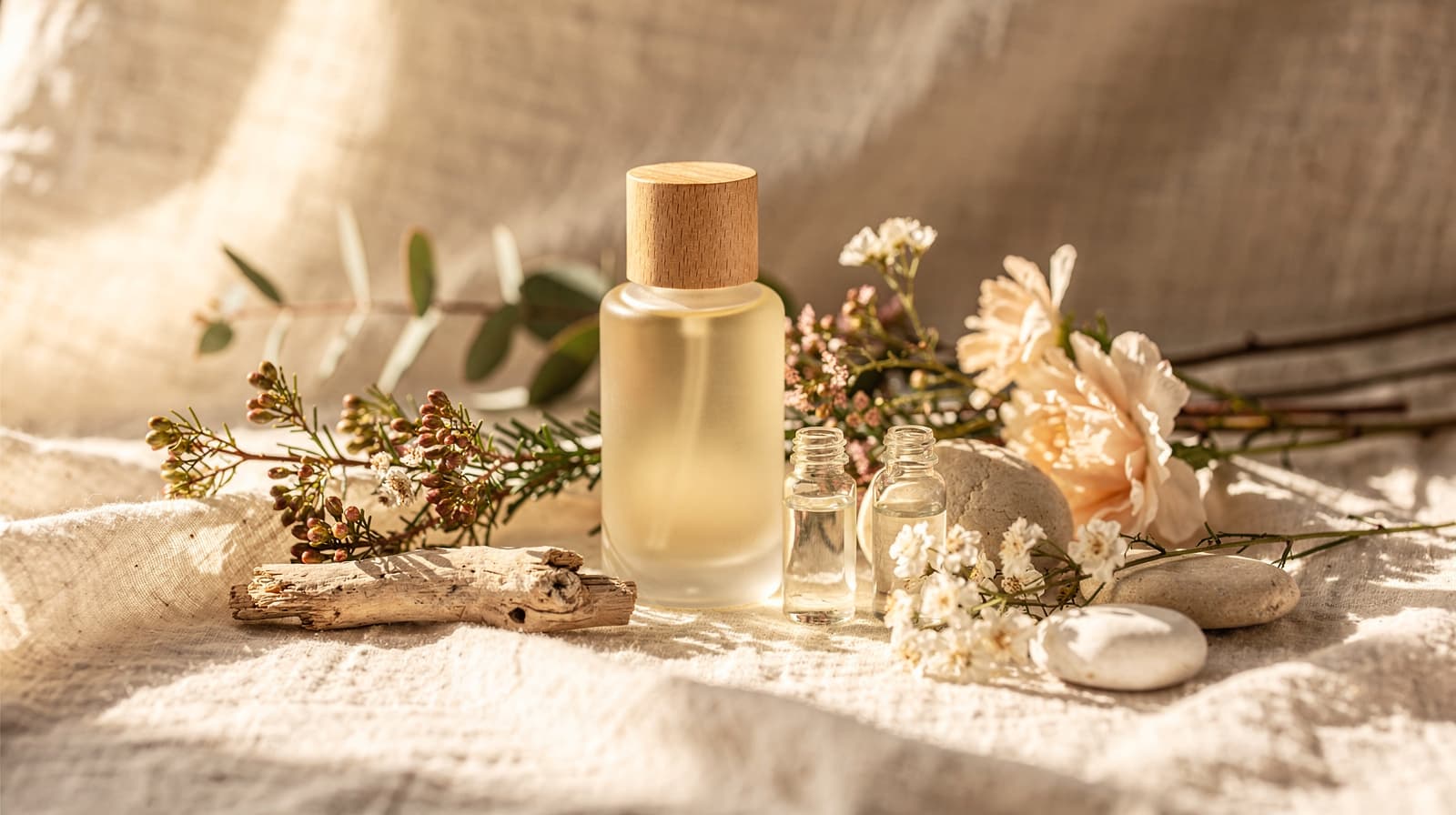
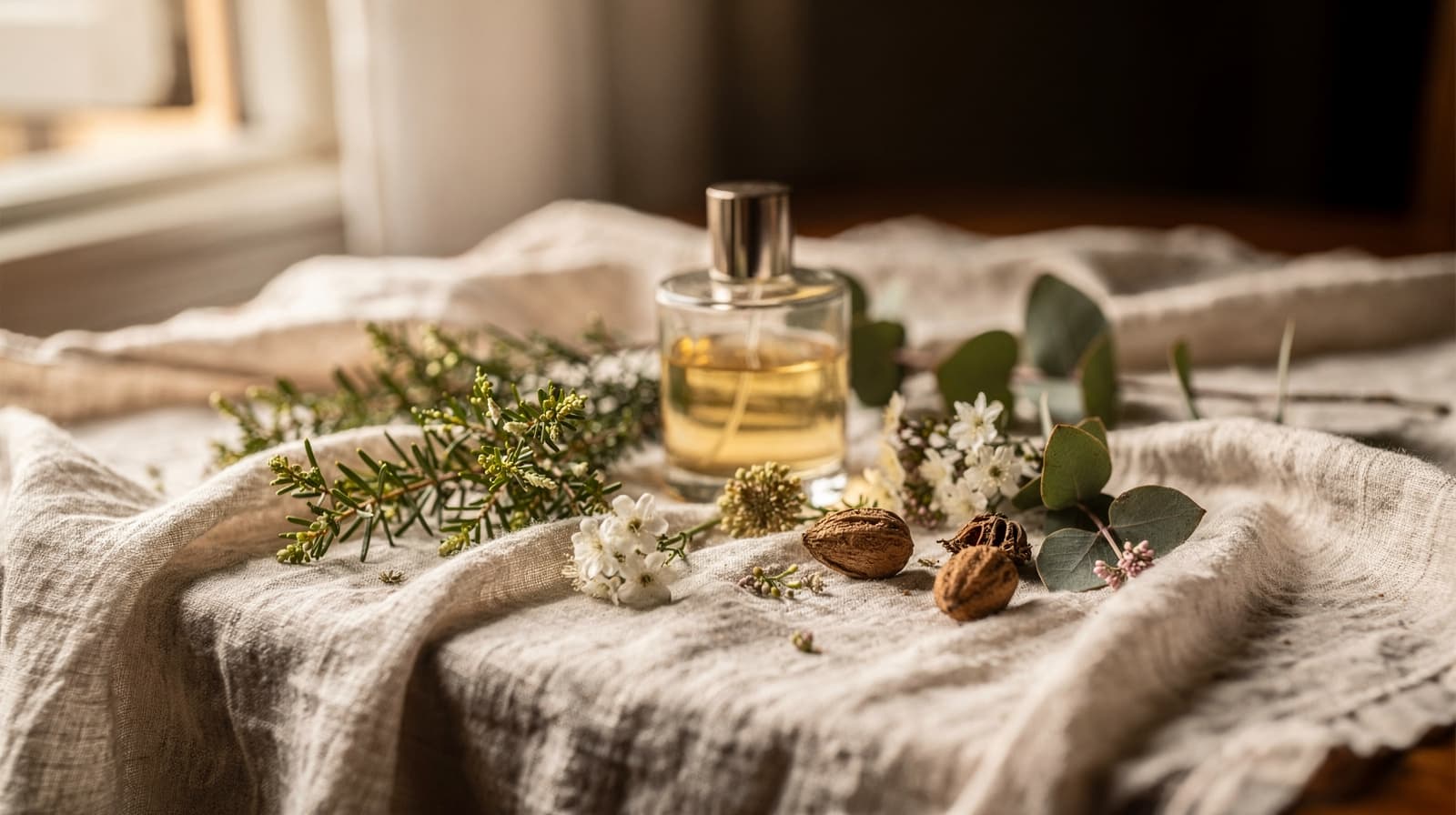
Our fynbos collection shifts entirely away from the Christmas-in-a-department-store template. Instead of synthetic cinnamon, you're working with real botanical extracts: South African protea, cape heather, juniper, and resinous notes that mirror what grows on the slopes above Mossel Bay. Instead of vanilla wrapper, there's clarity—a sense that the fragrance knows what season it is, and where it is.
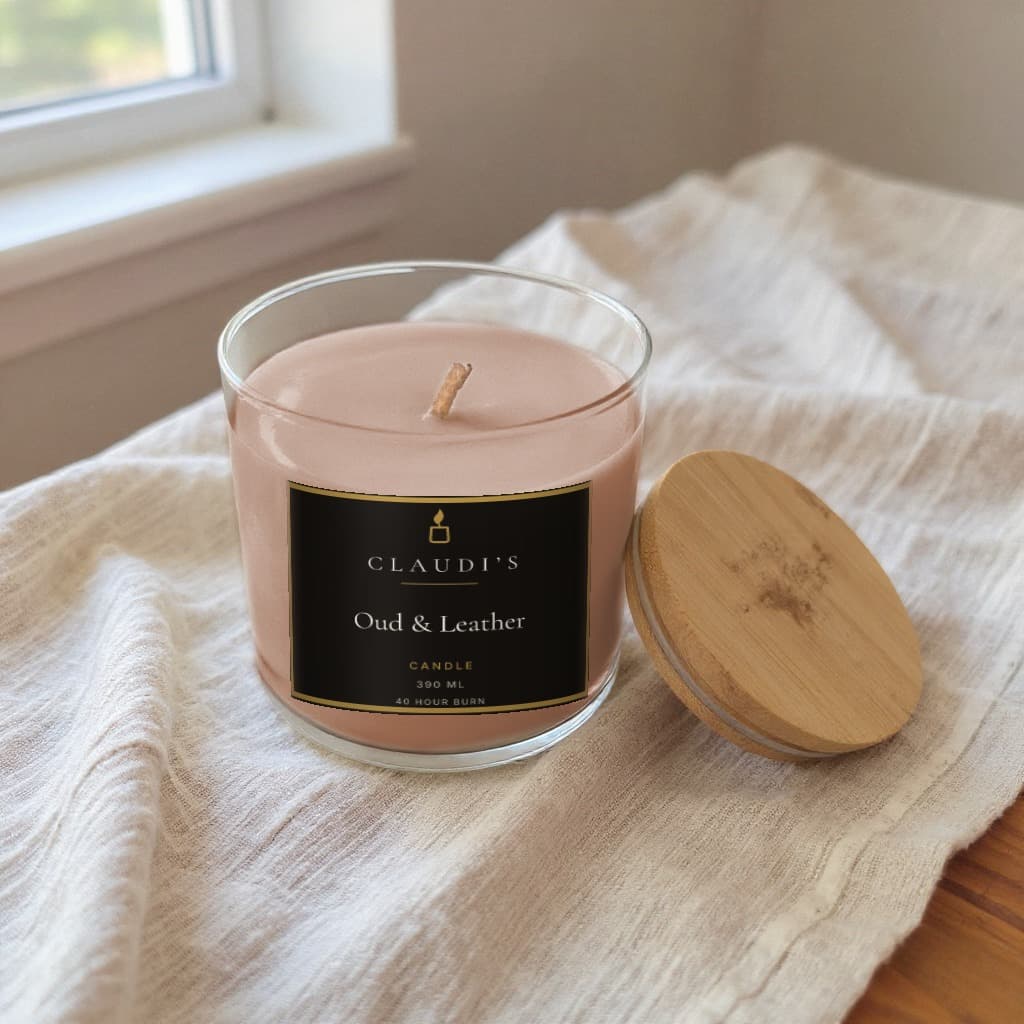
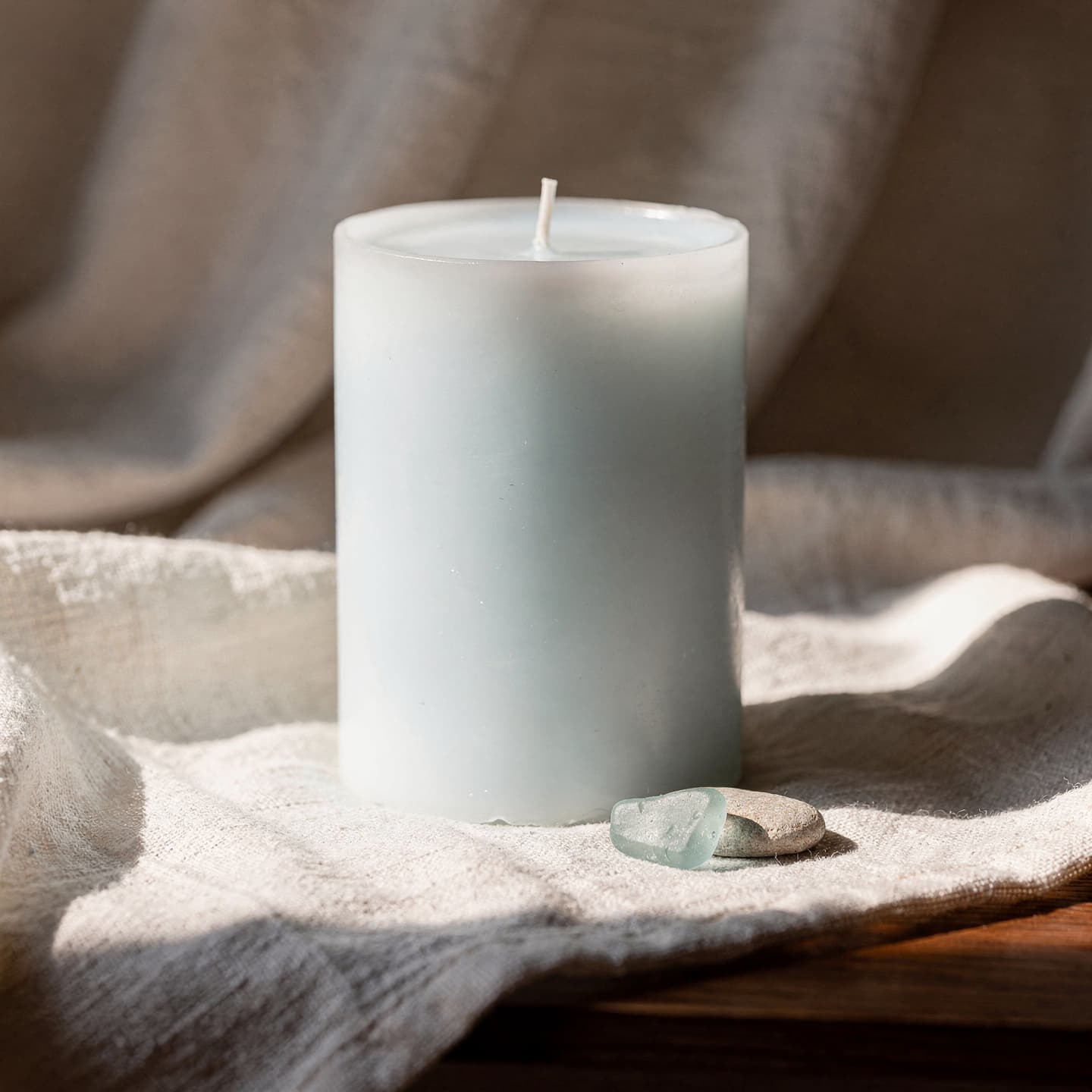
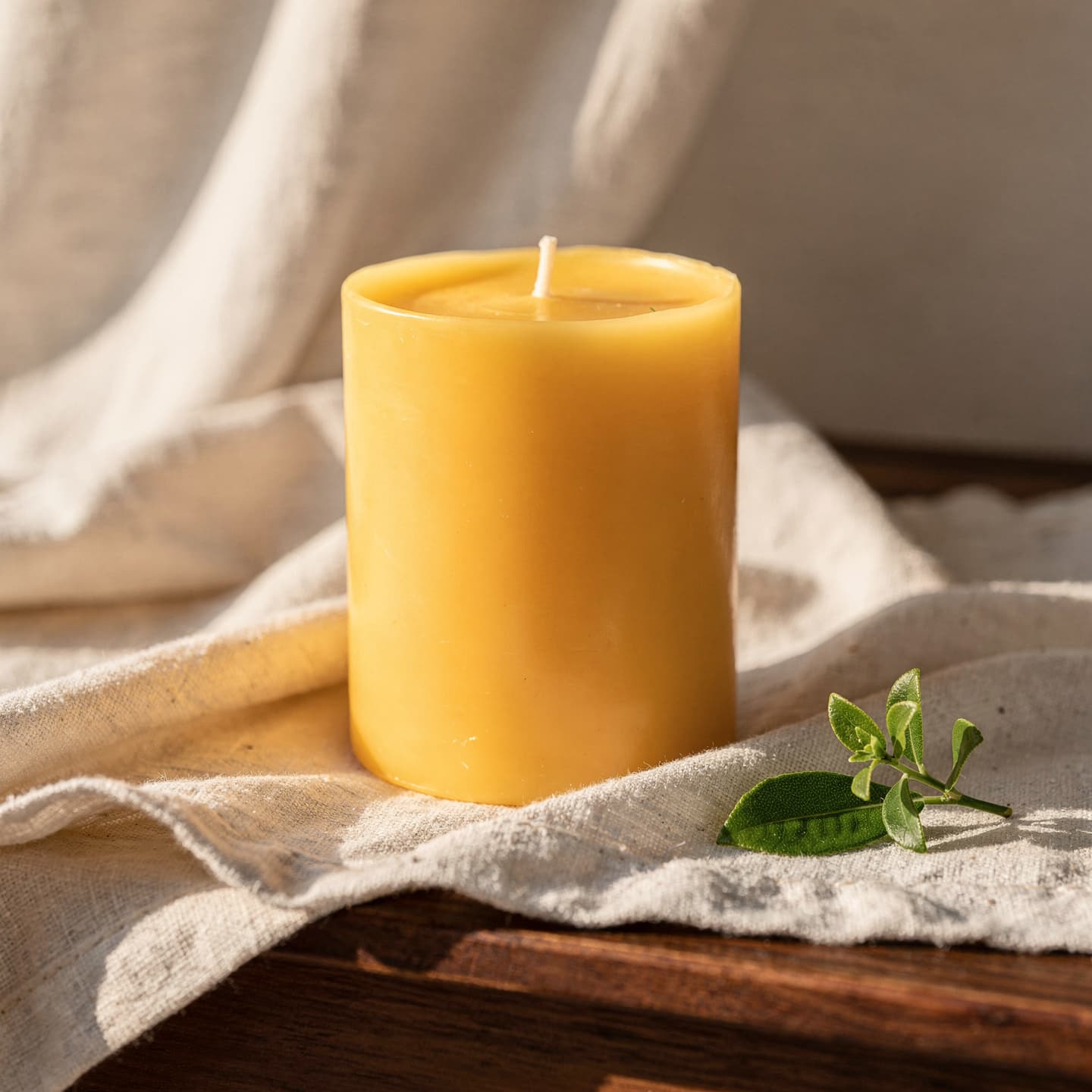
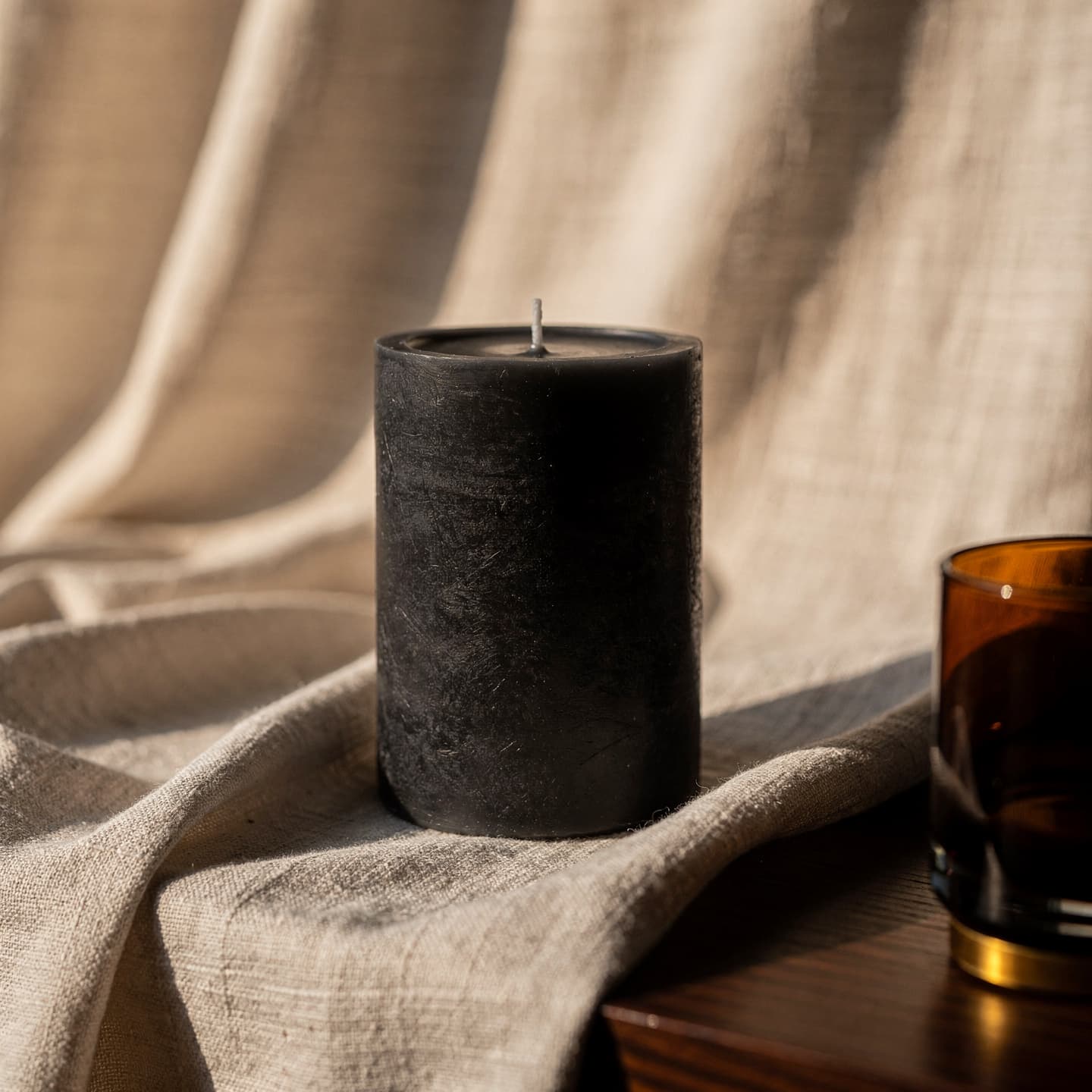
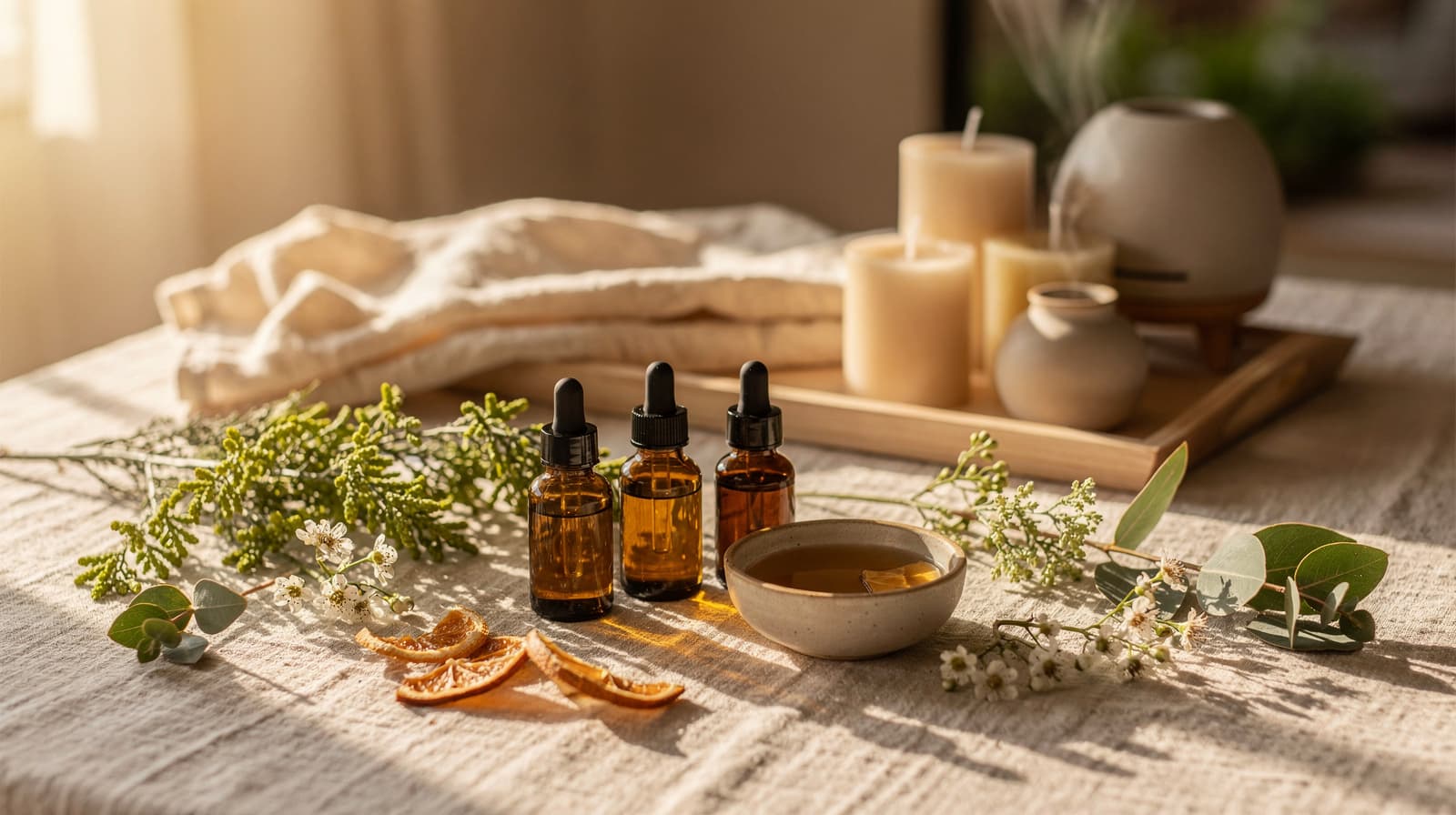
For December specifically, the seasonal collection rotates to include pieces that work with summer light and heat. A pillar candle in a fynbos-forward composition doesn't compete with the sound of the ocean or the smell of braai smoke—it sits underneath, supporting rather than dominating. When poured in the studio, each 40–55 hour bamboo jar is built to last through multiple evening gathers; the lidded vessel seals the scent between burns, which matters in our climate where every breeze carries salt.
The craft difference is tangible. Mass-market candles often use fragrance loads of 8–10%. The pieces poured in the studio run 12–15%, which means the scent stays true across the full burn, not just the first hour. For a gathering on the 23rd of December, that sustained throw matters. You're not chasing a candle that's gone flat by dessert.
Building a Scent Strategy for Your December Home
Seasonal fragrance in a South African home works best as layering, not domination. One candle alone can feel thin; three uncoordinated fragrances can feel chaotic. The solution is deliberate selection.
Start by running through our scent quiz—it takes three minutes and removes the guesswork. You'll identify whether you lean toward coastal (fresh, salt-touched, maritime) or fynbos (resinous, botanical, complex), or whether manor (warm, formal, grounded) suits the mood you're building. December often calls for a base—something grounding—layered under a lighter top note.
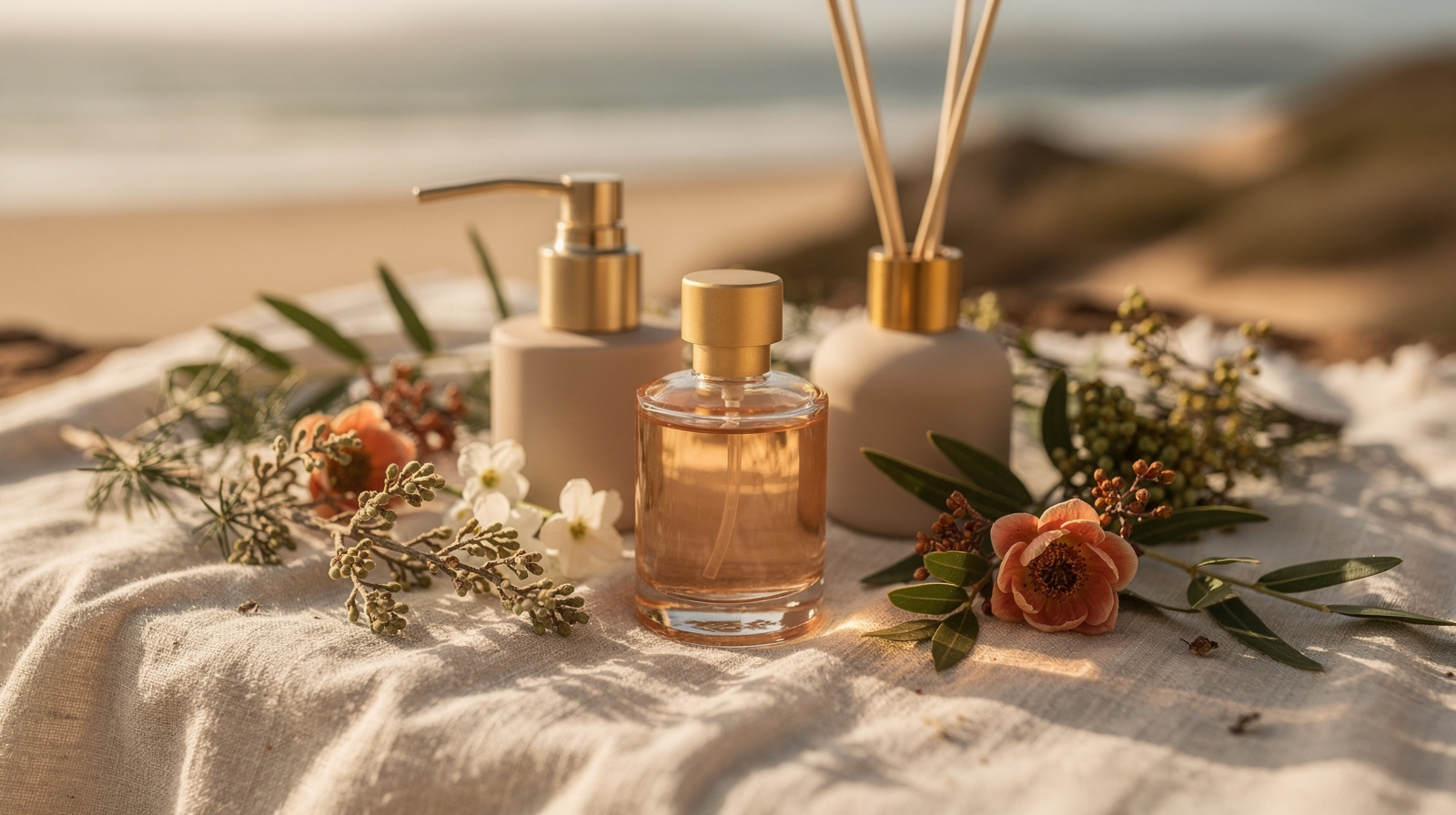
Next, choose your vessel by use. If you're hosting a single long gathering on Christmas Eve or Boxing Day, a pillar candle for the dining table is architectural and slow-burning; it anchors the tablescape visually and olfactively. If you're lighting candles across several days, tumblers are practical—burn one in the living room, one in the bedroom, and you can rotate them based on where people gather. The bamboo jar works for gifting: it's beautiful enough to leave on a shelf after the season ends, and the preserved scent between burns means it lasts longer.
Timing matters too. Light your primary candle 30 minutes before people arrive—this allows the fragrance to settle into the air naturally, rather than hitting guests as they enter. If you're using multiple pieces, stagger them: main candle at gathering time, a second pillar lit after dinner, room spray used sparingly in any closed spaces.
Frequently Asked Questions
What's the difference between Claudi's fynbos candles and the generic "Christmas spice" candles sold at supermarkets? Generic seasonal candles rely on synthetic fragrance compounds—particularly vanillin and cinnamyl compounds—that were designed for cold climates and read as overwhelming in heat. Fynbos-based compositions use real botanical extracts (protea, erica, juniper) and work with the South African summer season rather than against it. They also maintain their scent profile across the full burn, where mass-market candles often fade after the first two hours.
How long do the candles last, and is that enough for multiple gatherings through December? A tumbler candle burns for 35–45 hours; a bamboo jar runs 40–55 hours depending on wick management. For a household that gathers 3–4 evenings across December, one tumbler per primary space (living room, dining room) covers you comfortably. The bamboo jar's lidded design is especially useful—it seals the scent between burns, so the fragrance stays vibrant across multiple lighting sessions.
Can I order custom candles or labels for gifts before Christmas? Yes. Our custom label builder allows you to personalize a candle with a name, date, or message—useful for host gifts or family presents. Standard lead time for custom orders is 5–7 business days; we recommend ordering by early December to avoid year-end delays. For bulk orders (corporate gifting, event candles for a large gathering), contact us directly via wholesale.
Which collection should I choose if I'm unsure? Run the scent quiz—it's the fastest way to find your match. Most customers in December gravitate toward either fynbos (if they want botanical warmth) or coastal (if they prefer fresh, salt-touched clarity). Both work beautifully for South African summer entertaining; the choice depends on whether your home and gathering lean cozy or bright.
Closing the Season with Intentional Fragrance
A home fragrance for December in South Africa doesn't need to follow the global playbook. It can smell like the place where you live—salt, fynbos, clear light—and still feel festive because it feels true. The pieces poured in the studio are built for this climate and this season: they last through multiple gatherings, layer cleanly with other scents, and respect the landscape instead of fighting it.
Start with a tumbler in the fynbos collection for your main living space, or choose a [seasonal pillar](/shop/seasonal