How to Build an Aromatherapy Routine That Works in a South African Home
Aromatherapy at home isn't about diffusers in every room—it's about matching scent to space, season, and ritual. Here's how to start.
By Claudi·Poured in Mossel Bay, Western Cape
Most people think aromatherapy at home means plugging in a diffuser and hoping it works. The reality is quieter. It's about understanding why a space feels the way it does, then choosing a scent deliberately—one that answers a real need, not just a passing preference. In South Africa's high heat and high light, this matters more than anywhere else. A fragrance that soothes in a London flat might vanish in three hours on the Garden Route. The craft is in matching scent to season, room size, and the way you actually live.
Key Takeaways
- Burn time and room size matter more than scent strength. A 45-hour tumbler candle fills a 3.5 × 4 metre bedroom consistently; a 60-hour jar fills an open-plan lounge without overpowering hallways.
- South African spring (September–November) calls for fresh, botanical scents that refresh without fatigue. Fynbos and Coastal collections suit this season's temperature and light.
- Ritual beats routine. Lighting a candle at a specific time—morning coffee, evening wind-down, work focus—anchors the practice and makes it sustainable.
Aromatherapy at Home Begins With Space, Not Scent
Aromatherapy at home in South Africa requires a different logic than in temperate climates. The Mossel Bay studio works in a space where light intensity, humidity, and heat fluctuation reshape how fragrance behaves hour to hour. A scent that reads as warm and grounding at 6 p.m. can feel cloying by 9 p.m. if the room temperature has dropped sharply. This isn't a flaw in the fragrance—it's thermodynamics.
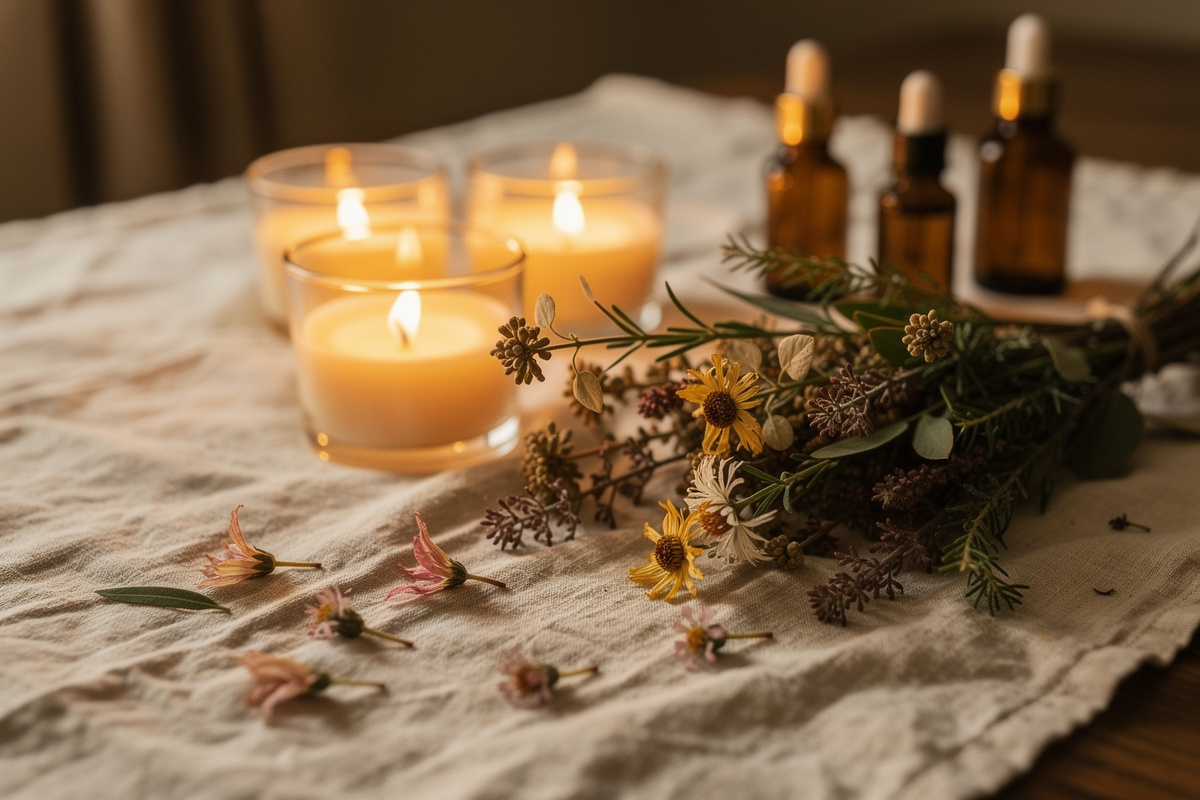
Start by mapping your spaces. A bedroom typically needs softer, longer-lasting scent—think a Coastal collection tumbler candle burning gently for 6–8 hours before sleep. A kitchen or dining space benefits from brighter, spicier notes that don't linger in fabric. A study or work zone needs something steady enough to anchor focus without distraction. In September, when Mossel Bay mornings are crisp but afternoons heat rapidly, a single scent can feel fresh at 7 a.m. and heavy by 3 p.m. The solution isn't to change candles constantly—it's to choose vessels and burn times that match the room's thermal rhythm. A Premium Bamboo jar with a lid lets you preserve scent between burns, controlling when and how much fragrance enters the room.
Vessels Shape the Experience
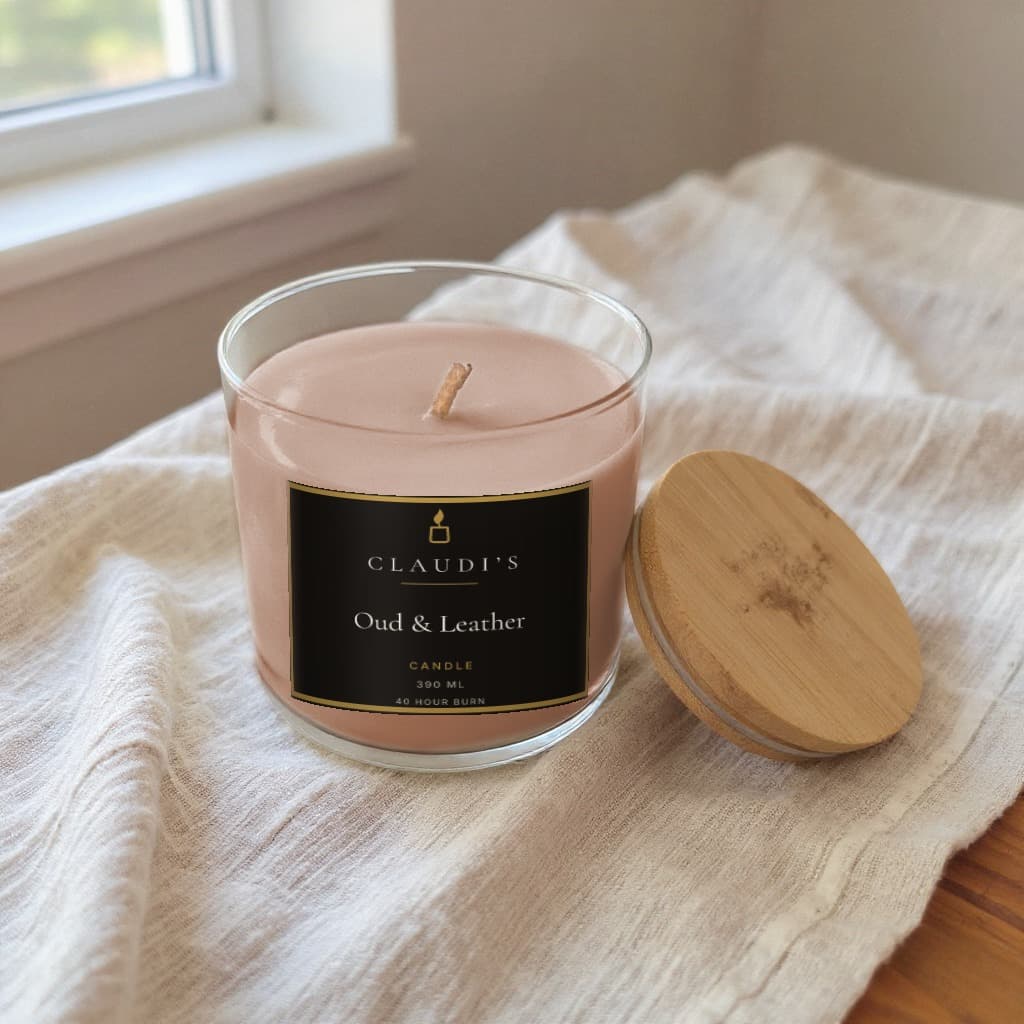
The candle itself is part of the ritual. A tumbler poured in the studio holds 35–45 hours of burn time in a compact form—ideal for bedrooms or small offices where you want consistent, unobtrusive fragrance. It's also practical: once burned, the vessel becomes a useful object again, avoiding waste. A Premium Bamboo jar serves a different purpose. The lid preserves the scent between burns, so you're not losing fragrance to air—crucial in an open-plan home or in high heat. It burns for 40–55 hours and sits on a shelf like a object of intention, not just a functional item.
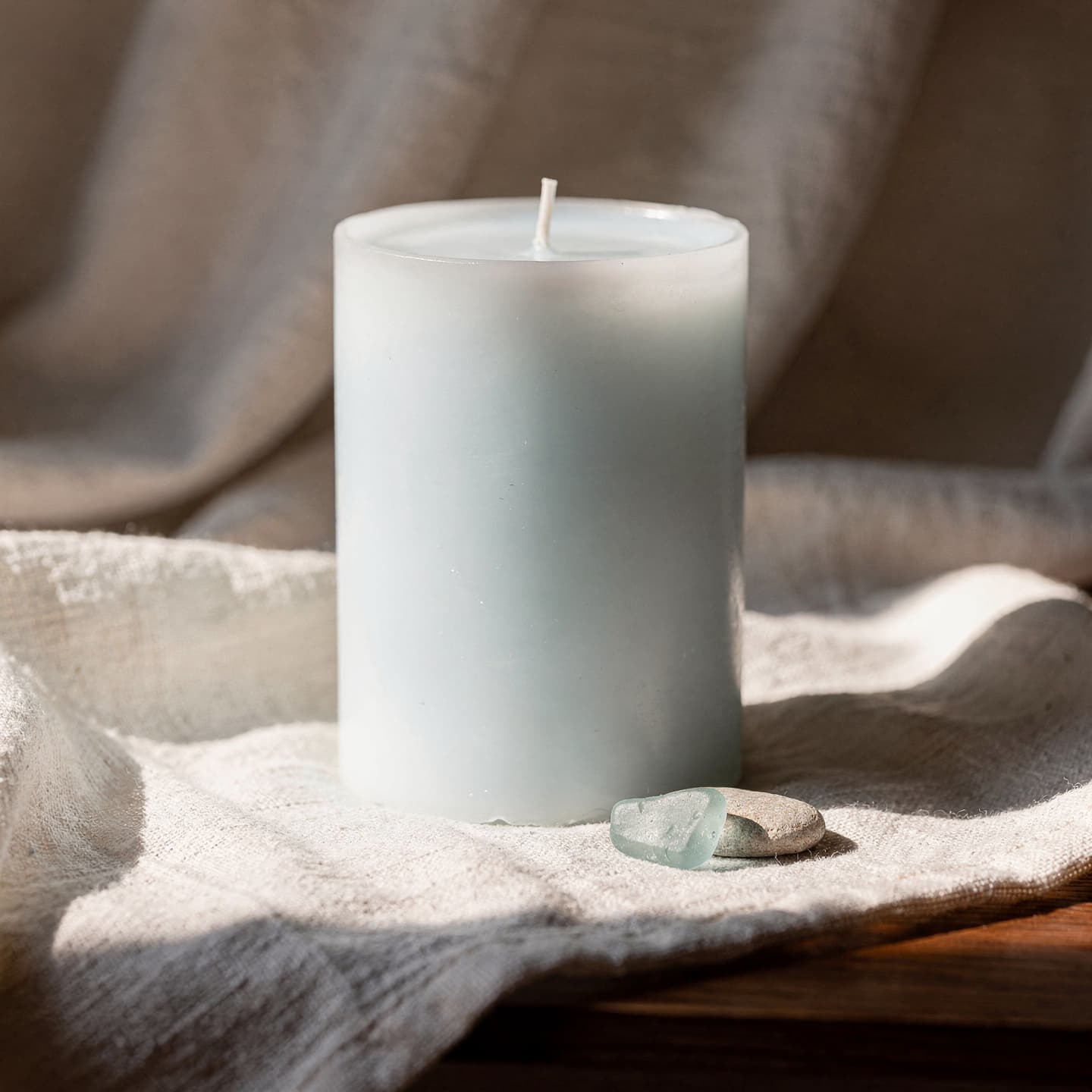
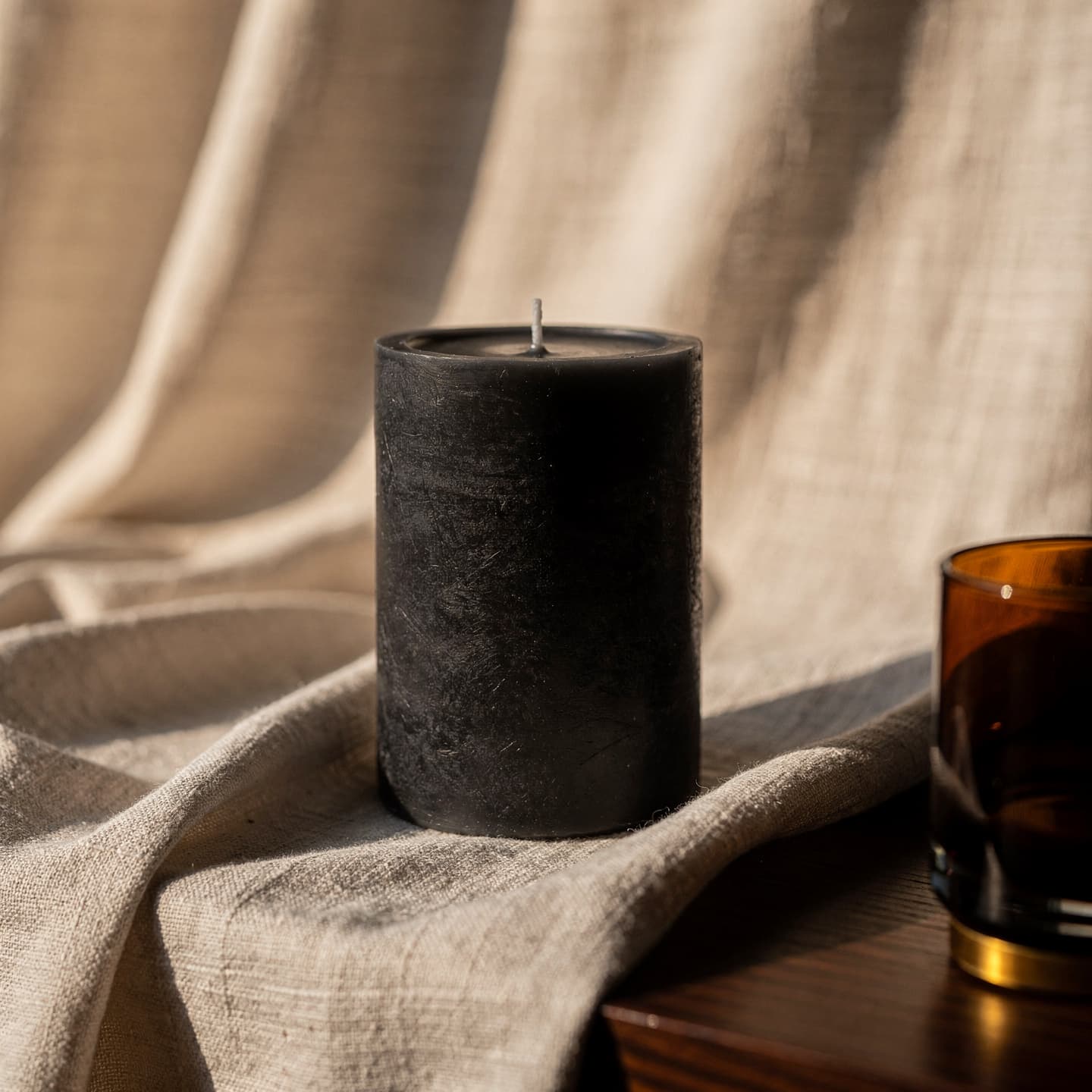
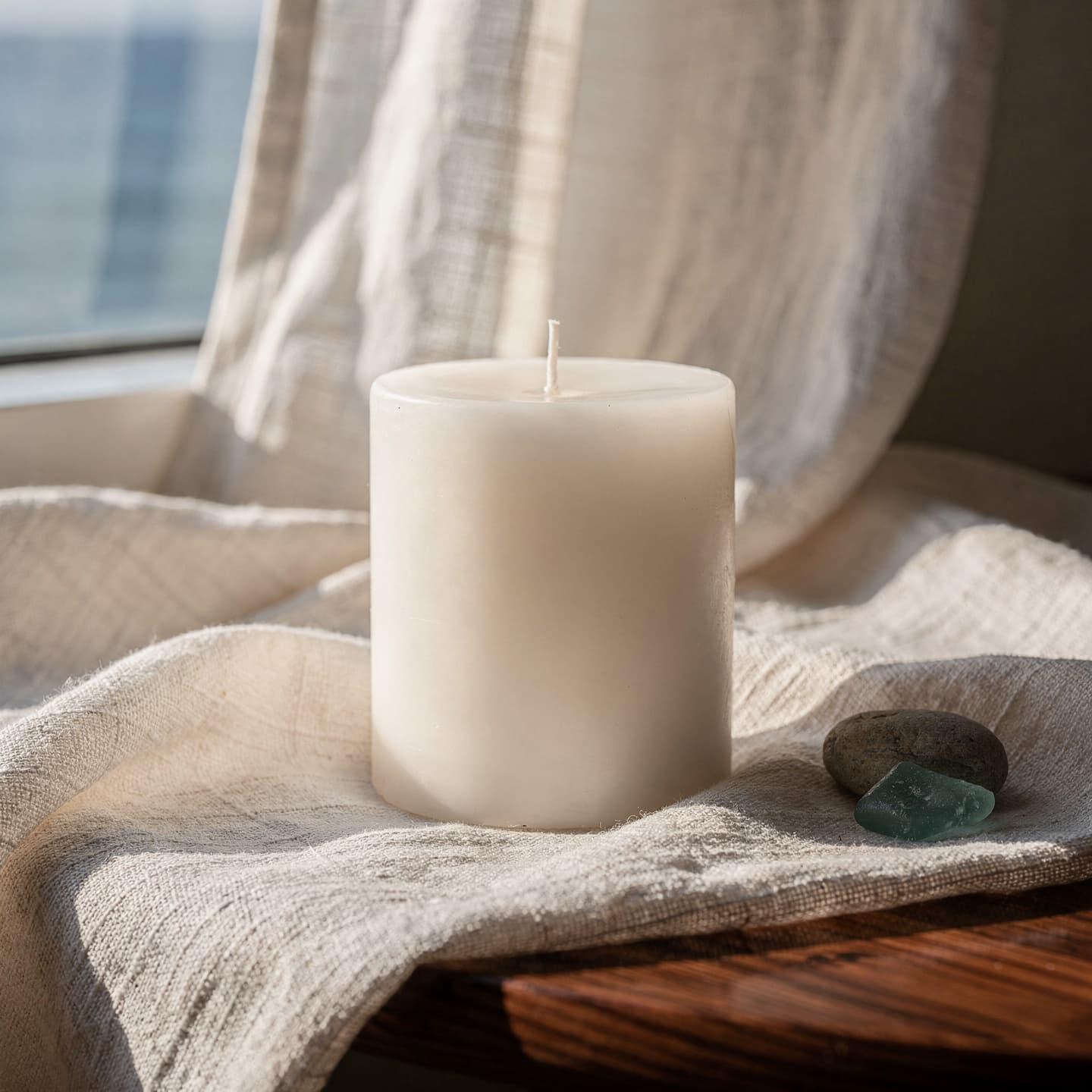
For those practicing aromatherapy at home as a seasonal reset, Seasonal collection candles often come in sculptural pillar form, designed to mark transitions—spring refresh, summer entertaining, autumn grounding. These aren't background fragrance. They're focal points. In a South African home, where entertainment often spills between indoor and outdoor spaces, a pillar candle on a dining table or sideboard anchors the whole atmosphere. It's visible. It signals intention.
Building Your Practice: Three Questions
Before buying, answer these three questions. First: Where do you want fragrance most? Bedroom, kitchen, living space, or all three rotating weekly? Second: How much active time do you spend in that space? Eight hours a day means a longer-burn vessel; two hours means something you light deliberately at that moment. Third: What does this space need from fragrance? Clarity? Calm? Warmth? A gentle boost?
If you're uncertain, use the scent quiz to match your preference and room type to one of our collections. The quiz accounts for South African light, heat, and lifestyle—not generic preference alone.
Then, choose a burn schedule. Don't burn continuously. Instead, light your candle for 3–4 hours, then let the room rest. This extends the perceived life of the fragrance, prevents olfactory fatigue (your nose stops noticing a constant scent after about 20 minutes), and reduces the risk of overheating a small space. September's fresh mornings are ideal for testing this—light a Fynbos collection candle when you wake, burn it through breakfast and early work, then extinguish it. The fynbos botanicals—resinous, herbal—work beautifully against crisp spring air.
Frequently Asked Questions
How long does a candle actually last if I burn it in short bursts? A 40-hour tumbler burned for 3–4 hours daily will last roughly 10–13 days. Burning in cycles extends perceived fragrance life because your nose resets between sessions, making each lighting feel fresher.
Can I use the same candle in multiple rooms? Yes, but not simultaneously. A single Premium Bamboo jar can move between bedroom and study across the week. The lid keeps it fresh between spaces. For a larger lounge, a second vessel prevents constant moving.
What's the best time to start aromatherapy at home in South Africa? September. Spring's temperature swings and fresh light make this the ideal reset month. The Coastal and Fynbos collections are timed for this season's botanical energy.
Do I need to customize candles for my home? Not for personal use, but if you're gifting to someone beginning their own practice, the custom label builder lets you add a date, intention, or personal note—turning a candle into a ritual gift rather than just a fragrance.
Start Small, Build Thoughtfully
Aromatherapy at home in South Africa works best when it's deliberate and matched to your actual rhythms, not a marketing ideal. You don't need three candles burning or a diffuser in every room. You need one good tumbler in one room, lit at one time each day, chosen because it serves a real need. Light it during morning coffee. Let it anchor your focus. Notice how the scent shifts as the room temperature changes across the afternoon. This is the practice. From the Mossel Bay studio, we've learned that the most effective aromatherapy ritual is the one you actually use—and that starts with honesty about which room, which hour, which scent matters most to you right now.
Explore the Coastal or Fynbos collections to find your entry point. Or begin with the scent quiz if you'd like guidance. Either way, start with one vessel, one ritual, one room. Let it breathe before you expand.
Fragrance notes, September 2026 — Claudi's Studio, Mossel Bay.