Studio Notes4 min read
What Defines Boutique Candles in South Africa — and Why Craft Matters
Boutique candles in South Africa prioritise intentional craft over volume. Here's what separates them from mass production.
By Claudi·Poured in Mossel Bay, Western Cape
---
title: "What Defines Boutique Candles in South Africa — and Why Craft Matters"
description: "Boutique candles in South Africa are defined by precision, not price. Discover how small-batch production, wick-to-vessel matching, and intentional craft separate studio candles from mass production."
author: "Claudi's Editorial"
date: "2024"
keyword: "boutique candles South Africa"
---
A boutique candle is not a smaller version of a mass-produced one. It is a deliberate choice in every step: the wax blend selected, the wick thickness matched to vessel diameter, the scent measured in millilitres rather than batches of thousands. In South Africa, where craft beverage and artisanal food production have established themselves as serious industries, boutique candles remain less visible—yet the makers who pursue them treat fragrance with the same rigour. The distinction matters more than aesthetics. It affects how a candle burns, how long it holds its scent, and whether the vessel becomes something you keep or discard.
## Key Takeaways
- Boutique candles in South Africa are defined by small-batch production and precise vessel-to-wick matching, not by price point alone.
- A **35–45 hour burn time** in a tumbler vessel signals intentional design; mass-produced candles often sacrifice burn consistency for speed.
- The choice between a tumbler, bamboo jar, or pillar candle determines not just aesthetics but practical longevity and secondary use.
## What "Boutique" Actually Means in South African Candle Making
The term boutique has been stretched across every industry until it signals little beyond exclusivity. In candles, boutique means a batch size small enough that the maker knows each vessel's burn characteristics before it reaches a customer. It means wick diameter is matched to jar width—a detail invisible to the buyer but critical to scent throw and burn rate. It means the wax blend is chosen for that specific scent profile, not a generic base stretched across a hundred fragrances.
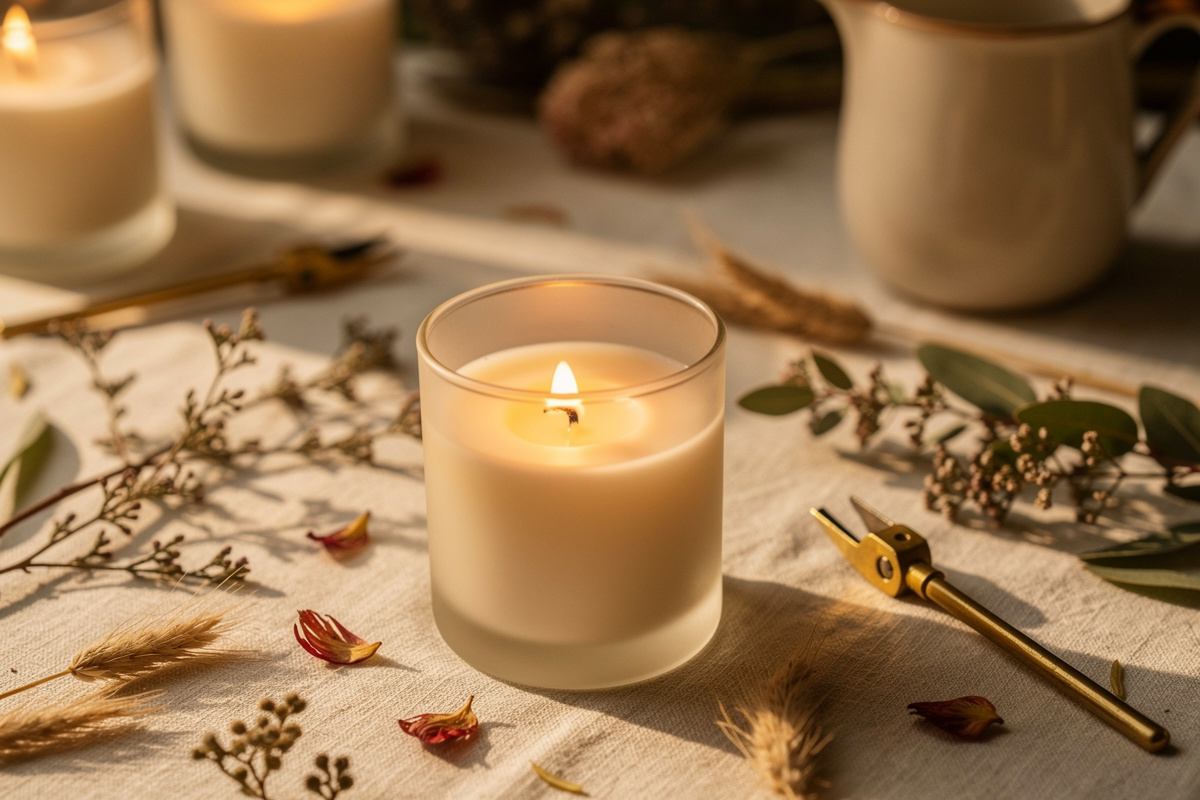
Studios across the Garden Route operate at a fundamentally different scale than overseas manufacturers. A Mossel Bay candle studio might pour 200–400 candles per month across four or five scents, where a factory produces that many in an hour. This difference is not romantic. It is measurable. When a candle burns at 35–45 hours rather than 15–20, and the fragrance remains consistent from the second hour to the final one, that consistency comes from knowing the vessel, the wax, and the wick intimately. Boutique candles in South Africa increasingly compete not on novelty but on reliability—the promise that this object will perform as intended across its entire burn.
## Craft in the Vessel: Why Your Candle's Container Matters
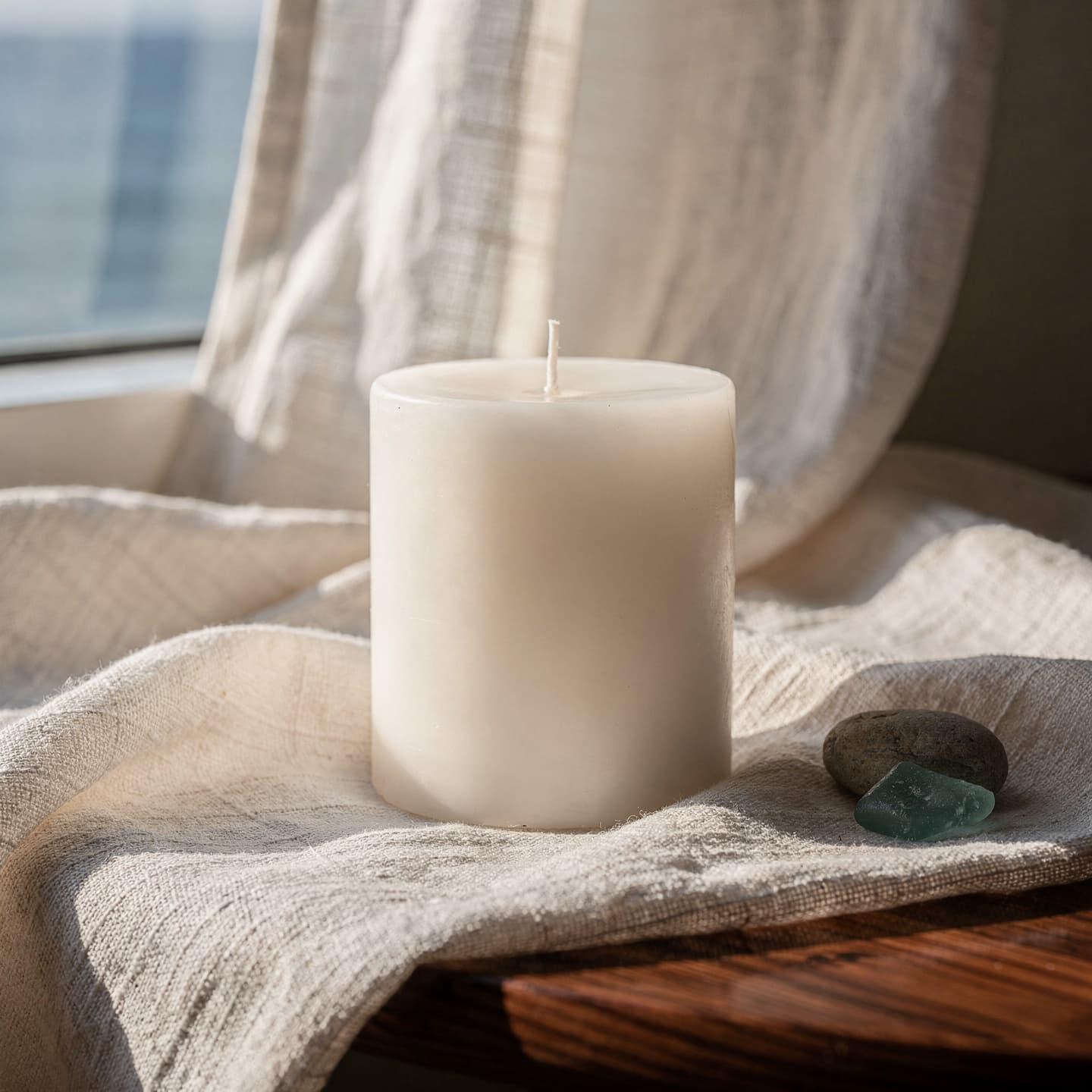
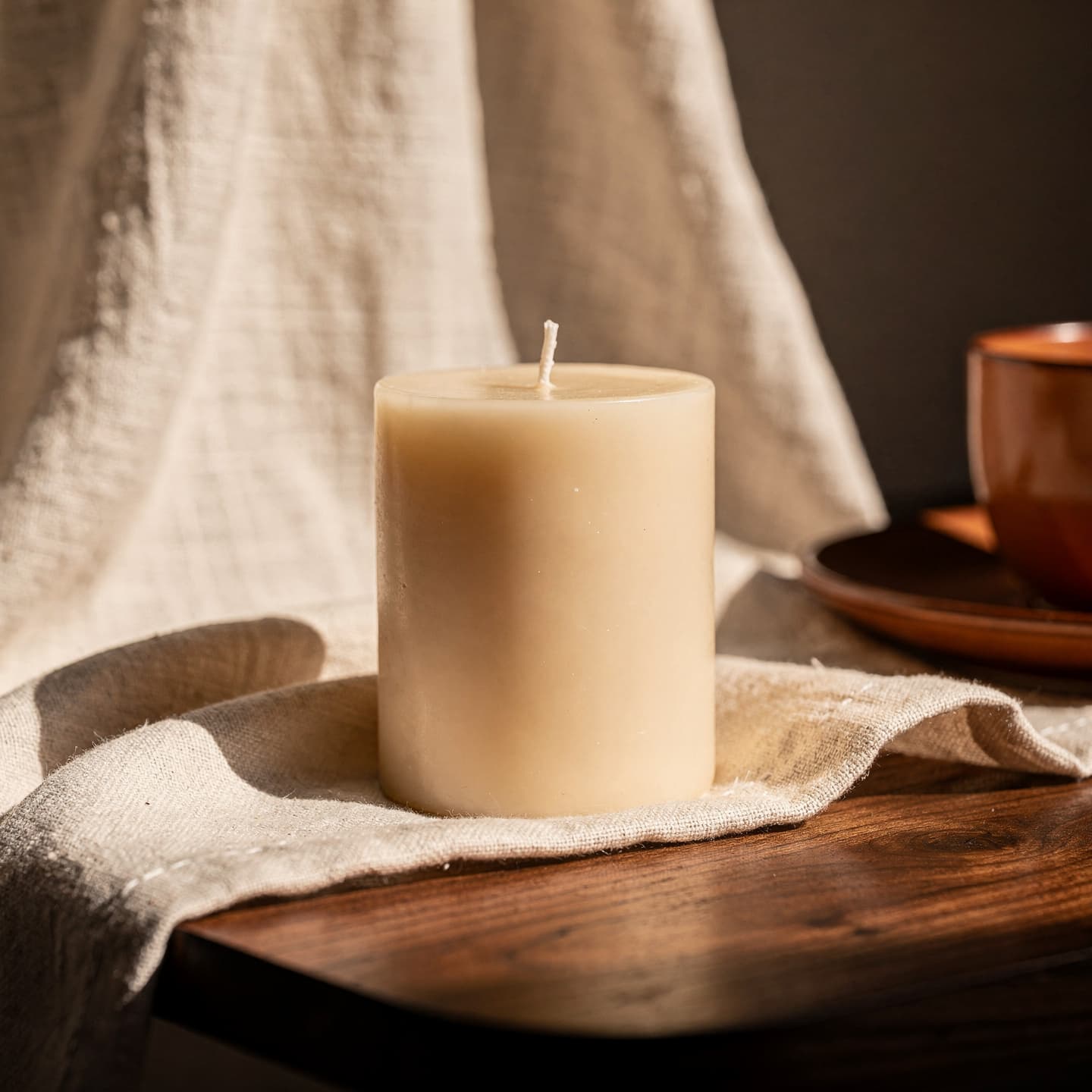
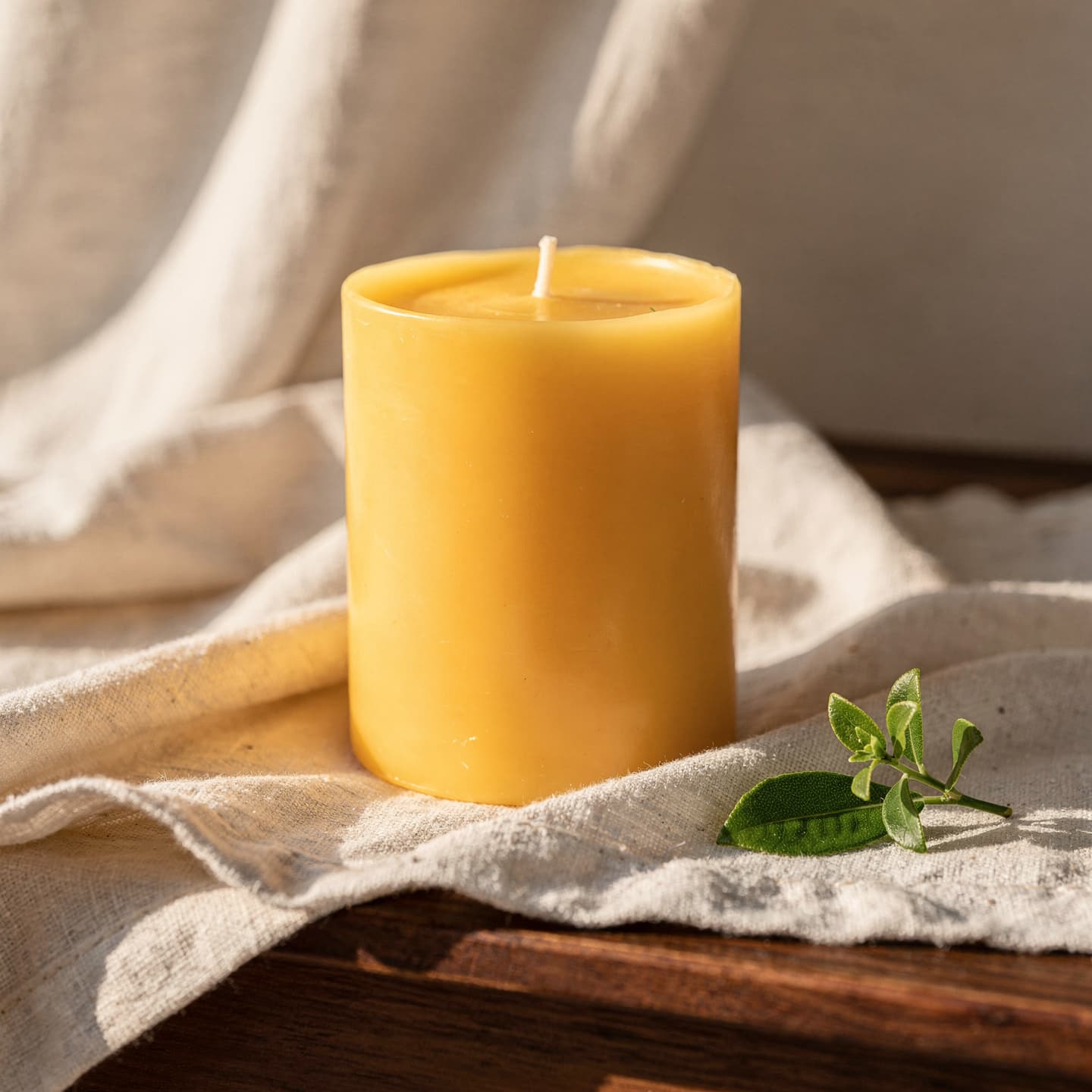
The vessel is not packaging. It is part of the product. A mass-produced candle dissolves its wax and is thrown away. A boutique candle should leave behind something worth keeping—a jar you use for storage, or a pillar that stands alone as a sculptural object.
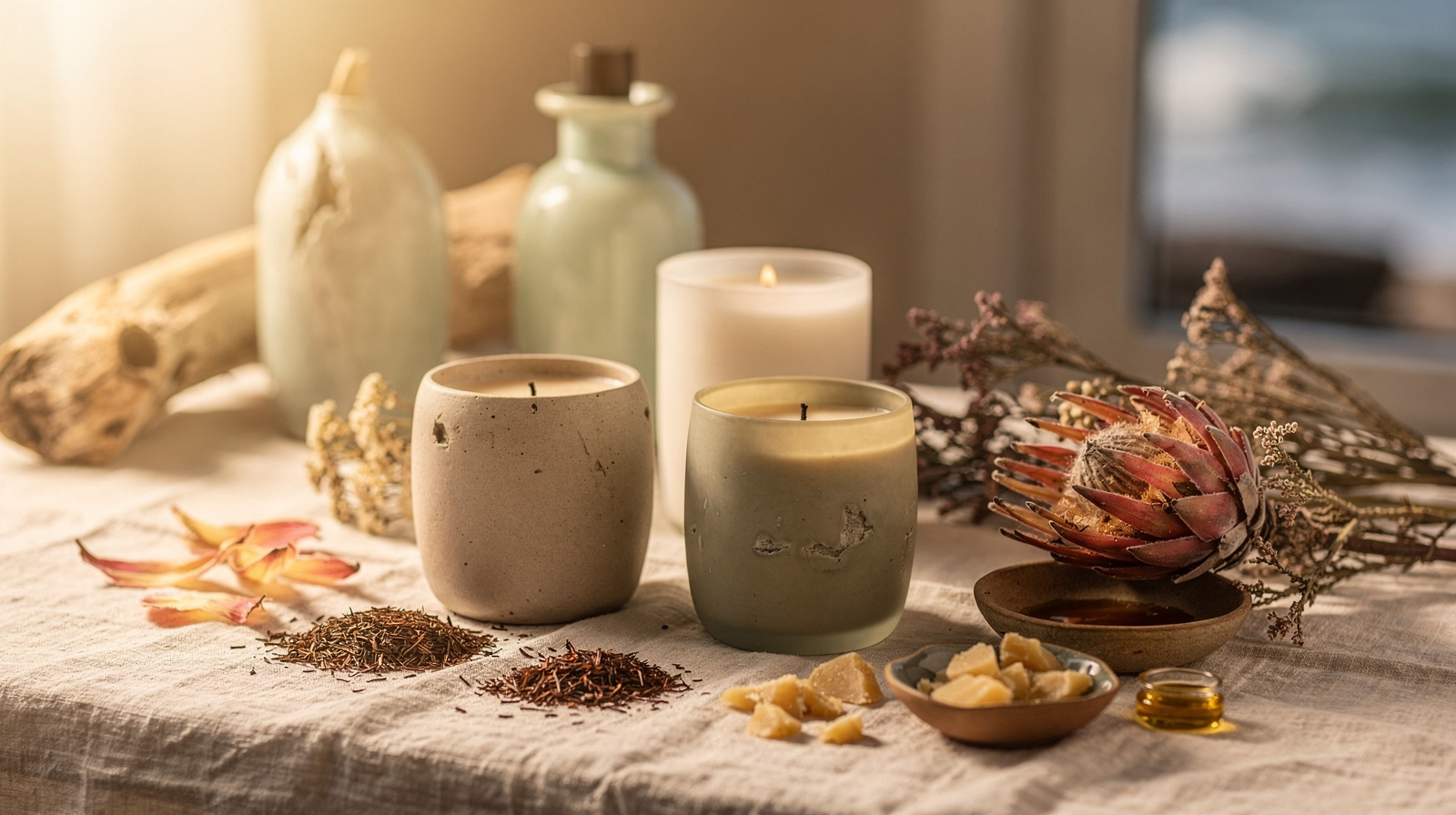
Our tumbler candles burn for 35–45 hours and are designed to be repurposed once the wax is spent: a drinking glass, a pen holder, or a planter. The vessel itself determines burn characteristics; a wider diameter requires a thicker wick to distribute heat evenly. The bamboo jar, fitted with a lid, preserves scent between burns and extends the fragrance life by slowing evaporation—a feature absent from open-top vessels. This is not added luxury. It is added function born from understanding how air, heat, and wax interact in a confined space.
Claudi's tumbler range is drawn from this principle: each vessel is selected so its thermal mass and diameter align with a specific wick gauge and wax formulation. The result is a burn profile you can predict and trust.
## The Scent Profile: Boutique Precision Over Batch Compromise
Fragrance oil is not cheap, and cheap fragrance oil is not fragrance at all. A mass-produced candle might use a single base oil across fifty products, adjusting only the top notes to create perceived variety. A boutique studio reformulates the wax blend to suit each scent: a floral may need a slightly different melting point than a woody, and a woody different again from a citrus-forward blend.
In Mossel Bay's cooler climate, where sea air and humidity shift across seasons, this becomes practical, not theoretical. A candle poured in summer must burn as reliably in winter. This requires testing in real conditions—not a wind tunnel or laboratory, but in the homes of customers who will live with it for seven weeks of burning.
## Why Boutique Candles Matter in South Africa Now
Boutique candles have grown quietly in South Africa because they solve a real problem: the gap between what supermarket shelves offer and what discerning customers actually want. A candle that performs, holds its scent, and leaves behind a beautiful object is no longer a luxury—it is simply a product made with knowledge rather than indifference.
Claudi's and studios like it across the Garden Route are building that knowledge publicly, one batch and one customer at a time. That is what defines boutique in South Africa today: not exclusivity, but earned credibility.