Why South African Craft Candles Matter: Sustainability Beyond the Label
Sustainable candles aren't just about wax type. What actually changes when you choose local craft over mass-made imports.
By Claudi·Poured in Mossel Bay, Western Cape
The word "sustainable" has become so loose it's almost useless. Every candle brand now claims to be sustainable. They use soy wax, recycled packaging, carbon-neutral shipping. Yet few actually explain what that sustainability means—or costs—when you're buying a candle poured in South Africa, where water scarcity is real, where supply chains are short, and where the choice to buy local is not virtue signalling but material impact.
This article explores what sustainable candles actually mean in a South African context, and how the decisions made in a small studio in Mossel Bay differ from the mass-produced alternative imported from overseas.
Key Takeaways
- Sustainable candles in South Africa mean shorter supply chains, lower transport emissions, and direct knowledge of where materials come from—something difficult to verify in imported stock.
- Craft studios like Claudi's use soy and natural wax blends poured in small batches, reducing overproduction waste compared to factory runs of thousands of units.
- A single tumbler candle burns for 35–45 hours, which means fewer purchases over a year—and fewer discarded vessels ending up in landfill if the vessel is kept and reused.
The Hidden Cost of Imported Candles
Most candles sold in South African retail come from overseas factories. They arrive in shipping containers, pass through distributors, sit in warehouses, and finally reach a shelf near you. Each step adds carbon. Each step also adds distance between you and the actual origin of the product—the wax source, the fragrance supplier, the manufacturing conditions.
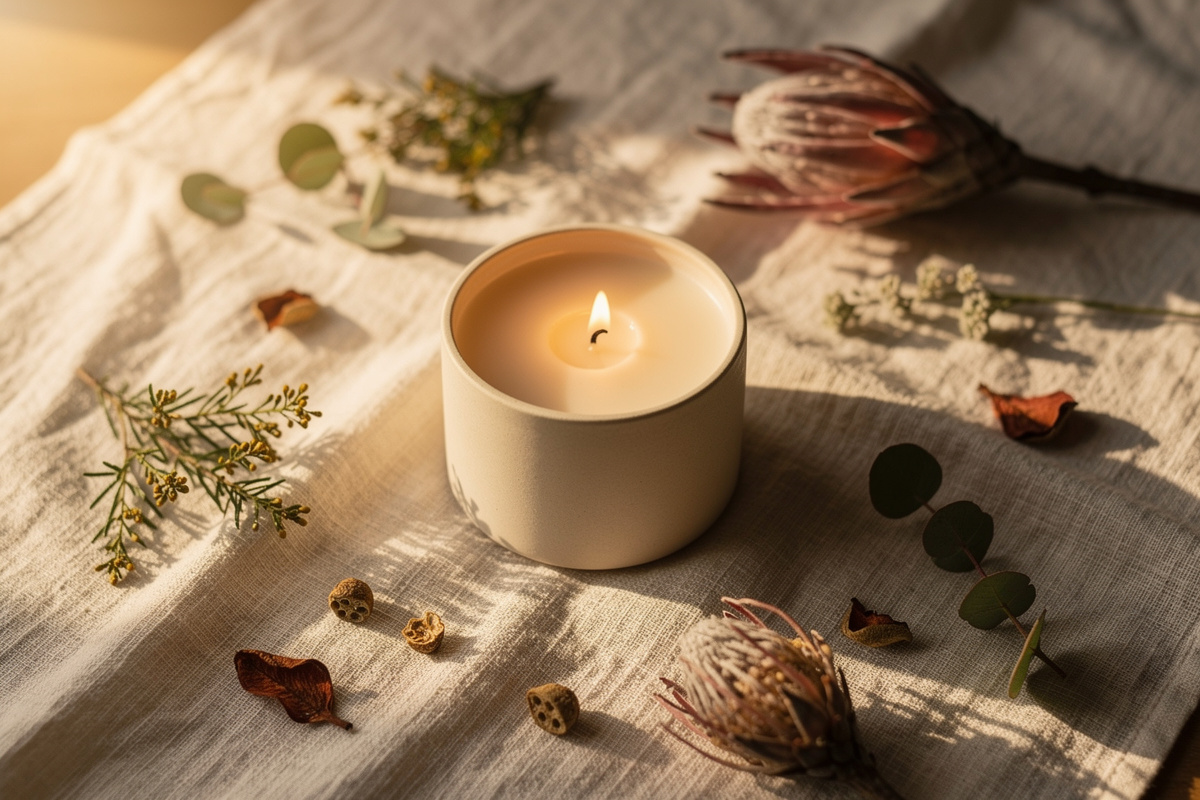
Sustainable candles made locally eliminate several of those steps. When a candle is poured in the Mossel Bay studio, it moves directly from maker to customer. No container ship. No intermediate warehouse. The materials—soy wax, natural essences, cotton wicks—are sourced with direct knowledge of their origin. You're not trusting a label; you're trusting a maker you can visit.
This matters most in a country where water and energy are finite. Factory production overseas uses resources you'll never see. Local craft production is visible. It's also smaller in scale: a batch of 50 tumblers poured in the studio is fundamentally different from a factory run of 10,000 units. One adapts to demand. The other must create demand to justify production.
Craft Vessels and Reuse: The Real Sustainability Story
Here's a concrete detail most candle articles skip: a vessel kept after the candle burns is not waste.
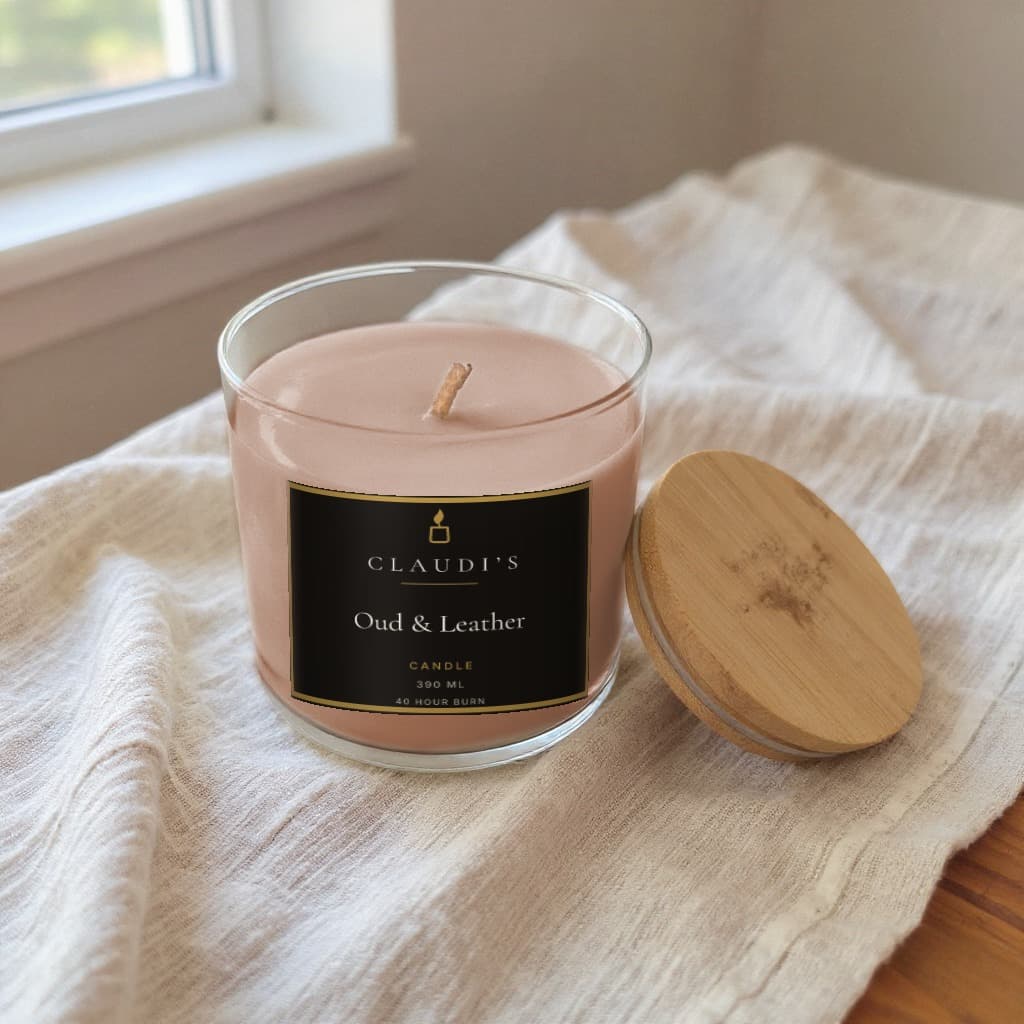
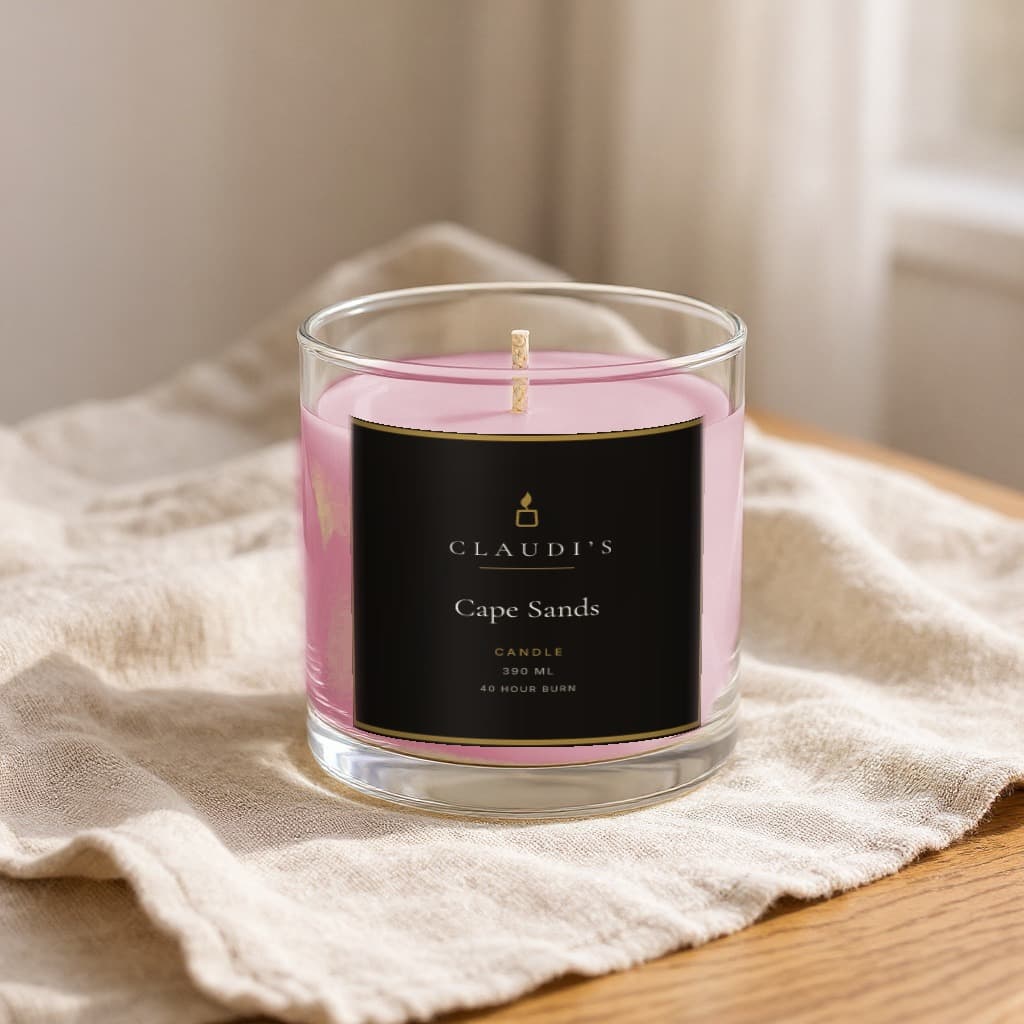
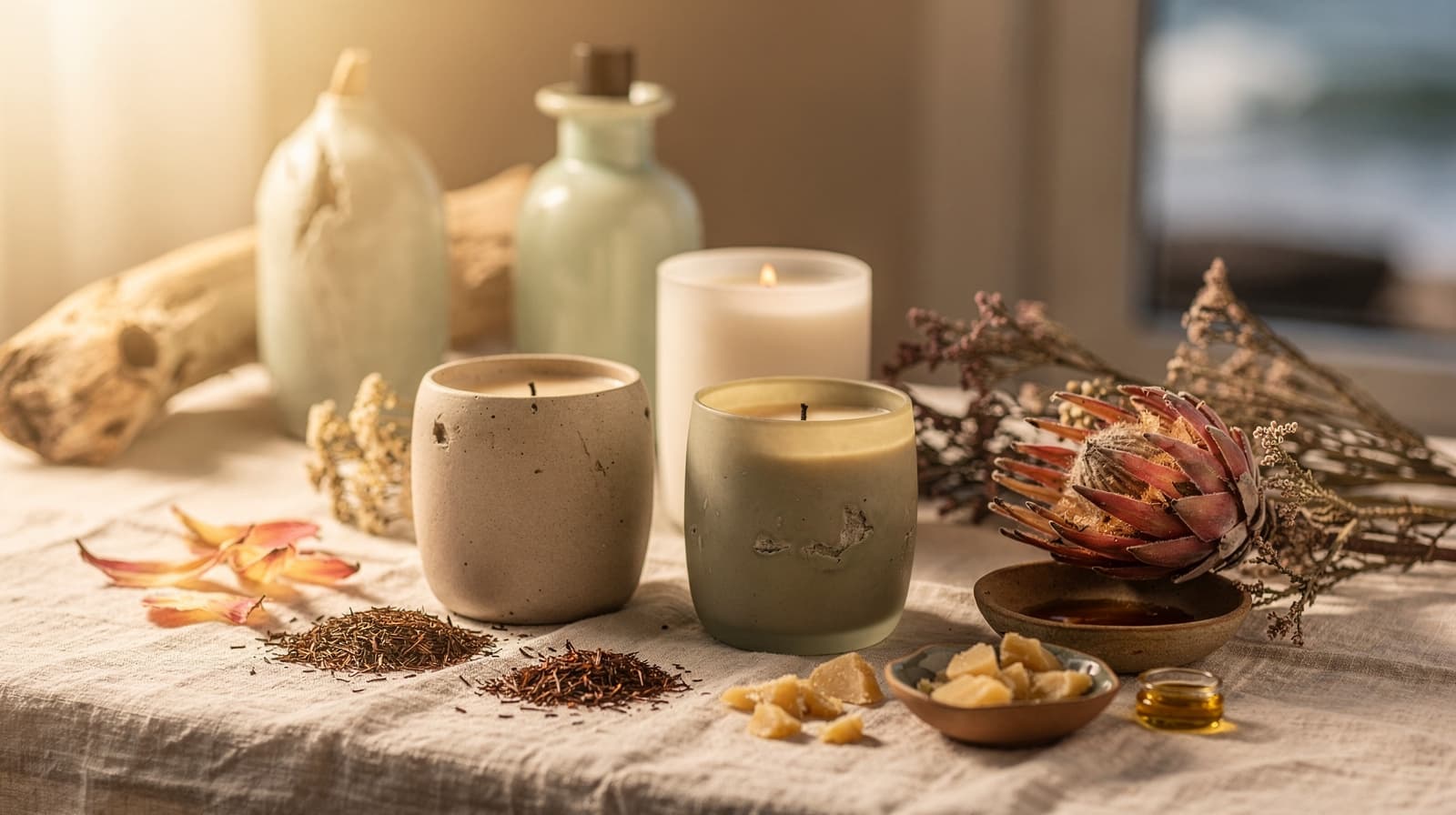
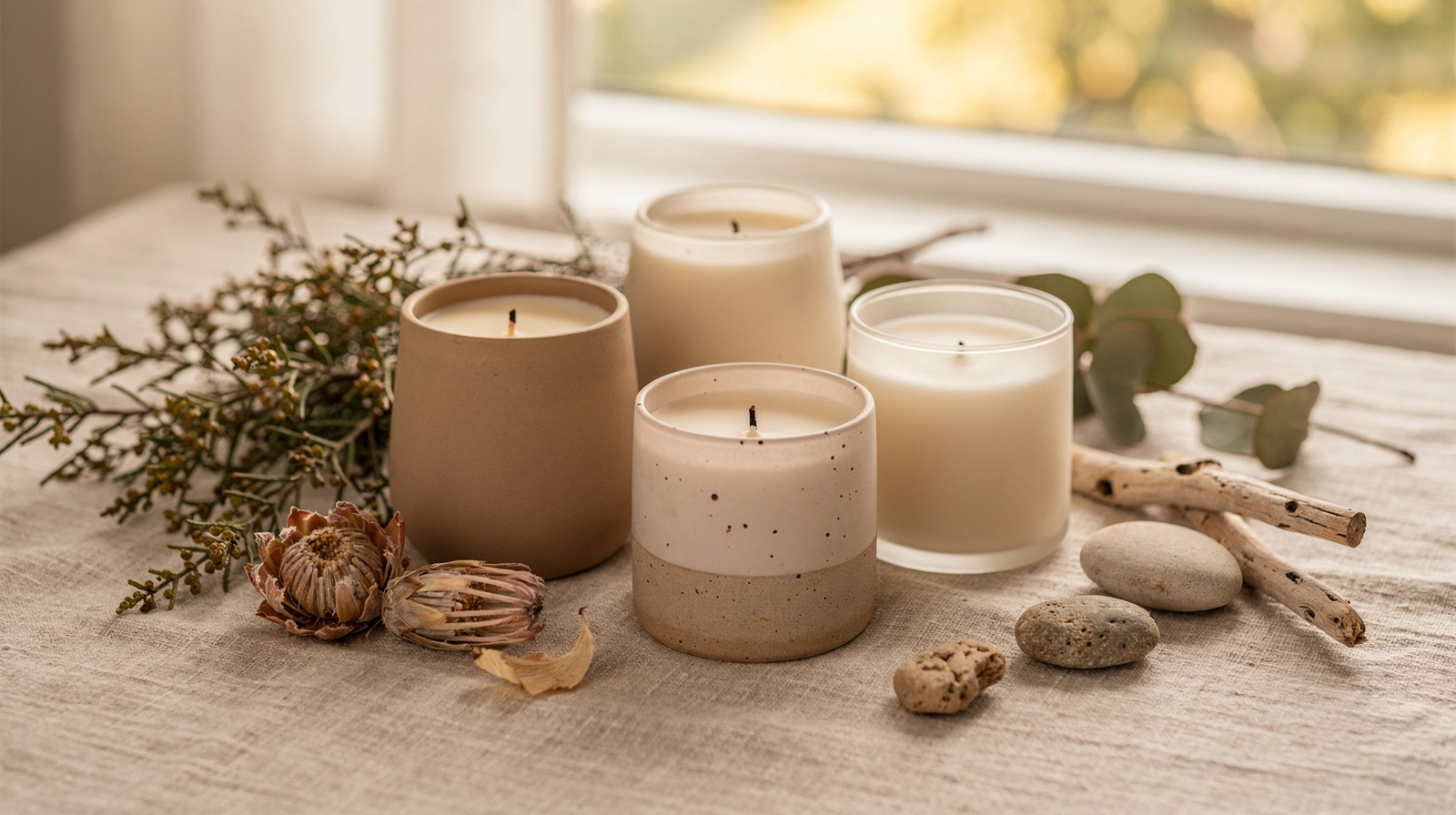
Our tumbler candles are designed to be kept. After 35–45 hours of burn time, the glass vessel remains—a practical object for pens, tea, or storage. This is intentional. A mass-produced, single-use candle vessel is waste from day one. A craft candle vessel is a second object with a second life.
The Premium Bamboo jar, lidded and built to preserve scent between burns, works similarly. It's not a throwaway container. It's a object you keep. This reuse is where real sustainability lives—not in the wax type, but in the design decision that assumes the customer will keep the vessel.
This also changes the carbon math. A cheap imported candle in a flimsy vessel means you buy more candles over time. Each purchase means more packaging, more transport, more waste. A craft candle with a kept vessel means fewer purchases. Fewer vessels in landfill. Fewer imports.
How to Choose Sustainable: Ask These Questions
When you're evaluating sustainable candles—whether local or imported—use this framework:
Where is it made? If you can name the studio or city, you can research water use, electricity source, waste practices. If it's listed only as "Vietnam" or "China," the supply chain is opaque. Local makes transparency automatic.
What happens to the vessel? Will you keep it? Reuse it? Or will it become waste? Design for reuse is the strongest sustainability signal. Our tumblers and bamboo jars are built for a second life.
How long does it burn? A candle that burns for 40+ hours means fewer purchases per year. That's fewer containers, less packaging, fewer transport emissions. Compare burn times, not just price.
What's the wax? Soy and natural wax blends are preferable to paraffin, but only if the soy is traceable. Ask the maker. If they can't answer, that's a signal.
If you're uncertain which sustainable choice matches your values, our scent quiz helps you find the right product—and in answering, you'll learn more about what matters to you in a candle.
Frequently Asked Questions
What makes a candle truly sustainable, not just marketed that way? True sustainability means: traceability (you can name where it's made), reusable design (the vessel has a second life), efficient burn (40+ hours reduces purchases), and local sourcing (shorter supply chains). A candle poured in Mossel Bay ticks all four. Marketing alone ticks none.
Are sustainable candles more expensive? Craft candles cost more upfront than mass-imported alternatives, yes. But because they burn longer (35–45 hours in our tumblers) and the vessel is kept, the cost per burn hour is lower. Over a year, you buy fewer candles. The math favors local craft.
Can I visit the studio to see how they're made? Yes. Claudi's is based in Mossel Bay, and we welcome visitors who want to understand the process directly. Transparency is part of our sustainability commitment—you can see where and how your candle is poured.
How do I gift a sustainable candle without wasteful packaging? Use our custom label builder to personalise a candle with a message or occasion. This adds meaning without adding plastic. For gifting, our Premium Bamboo jar is already wrapped with care, and the recipient keeps the vessel—true sustainability in presentation.
The Mossel Bay Difference
Sustainable candles in South Africa don't need to be complicated. They need to be local, traceable, and built to last. A candle poured in the Mossel Bay studio, burned for 40–50 hours, in a vessel you keep, is sustainable not because of marketing but because of design. The Garden Route location shapes everything: the fynbos essences that go into our botanical collections, the direct relationships with material suppliers, the ability to adjust production based on actual demand rather than factory minimums.
Start by choosing a candle you'll keep burning for hours, then keep the vessel. Explore our collections and find one that matches how you want to spend your scent time—then trust that you're making a choice that reduces waste, supports local craft, and gives you an object worth keeping.
Fragrance notes, October 2026 — Claudi's Studio, Mossel Bay.