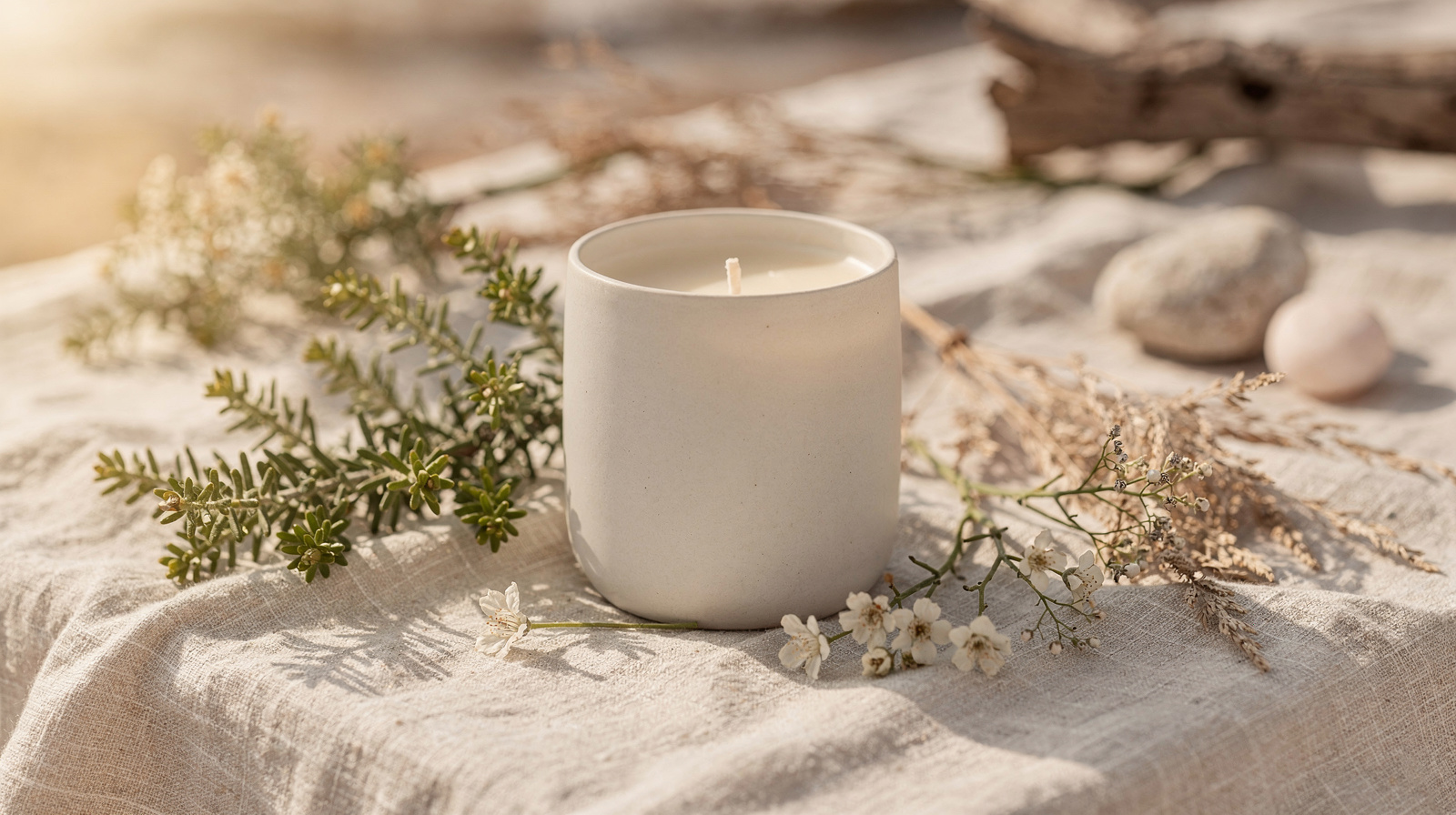
Hand-Poured Candles in South Africa: Where Craft Meets Coastal Intention
How deliberate pouring practices in Mossel Bay create candles that burn true, last longer, and hold their scent through every hour.
By Claudi·Poured in Mossel Bay, Western Cape
The difference between a hand-poured candle and an industrial one shows first in the pour itself. In the Mossel Bay studio, each vessel receives wax at a precise temperature, poured in a single deliberate motion that determines how the candle will cure, burn, and release its scent over weeks. This isn't efficiency. This is control. When you light a hand-poured candle made in South Africa—one that's been cared for through every stage, from wax selection to cure time to final quality check—you're holding the result of decisions that factories simply don't make. The margins are smaller. The attention is immense.
Key Takeaways
- Hand-poured candles in South Africa are subject to slower cure times (14–21 days) than industrial equivalents, which directly impacts scent throw and burn consistency at lighting
- The choice of vessel—whether tumbler, bamboo jar, or pillar—affects pouring temperature and cooling rate, changing how long the candle will burn (35–55 hours across our range)
- Sourcing wax, fragrance, and vessels locally or from trusted suppliers reduces environmental cost and ensures quality control that mass production cannot replicate
The Craft of Hand-Pouring: Why Temperature and Timing Matter
Hand-poured candles in South Africa follow a fundamentally different logic than machine-made alternatives. When wax is poured by hand, the person holding the vessel controls the rate of pour, the height from which it falls, and the cooling environment. These variables—trivial to a factory—determine whether the candle will tunnel (burn only down the middle), mushroom at the wick, or release its fragrance evenly across a room.
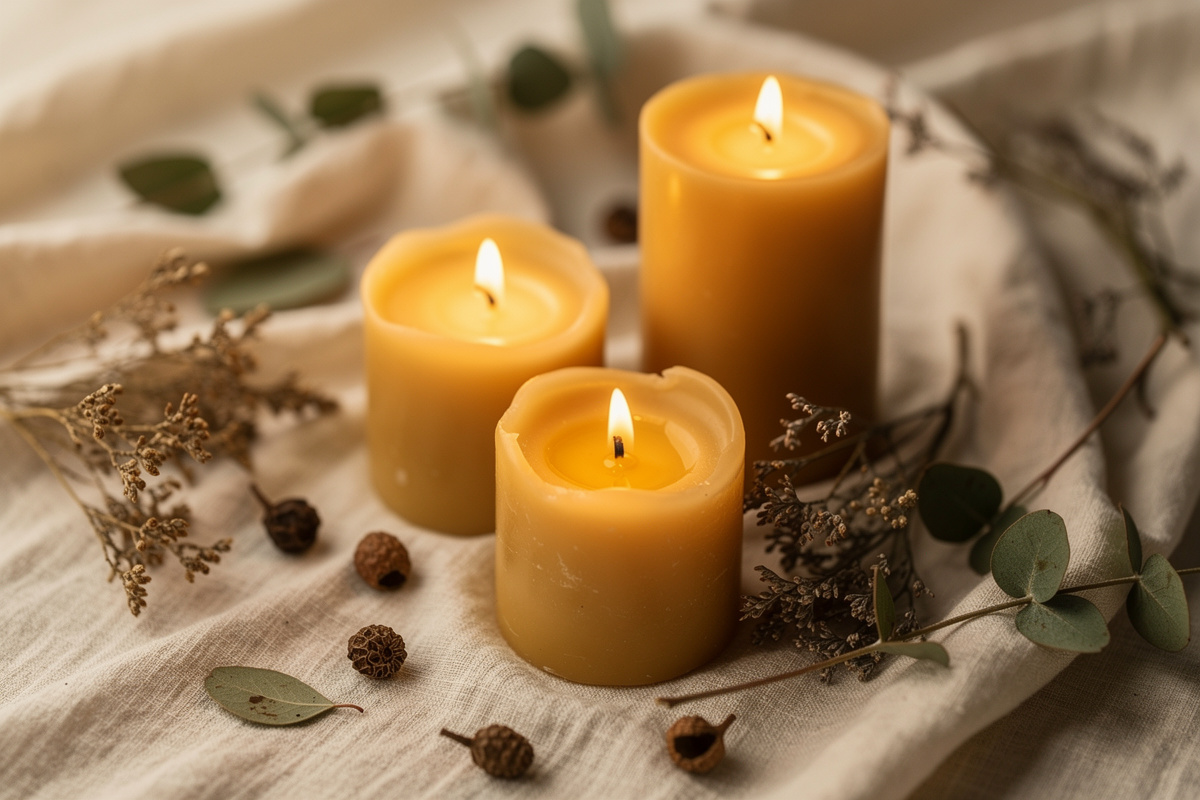
The studio uses wax heated to between 82–88°C, cooled in a climate-controlled space that maintains 18–22°C. This slow cooling—taking 12–18 hours before the candle is stable enough to move—creates a dense, even structure. Industrial pouring happens at higher temperatures and cools in minutes. The result feels different: a hand-poured candle holds its shape longer, resists cracking, and burns more predictably. For a 35–45 hour tumbler candle, this precision means you'll experience consistent scent diffusion from the first light to the final burn.
The South African context matters here too. Humidity and temperature fluctuations in a coastal studio like the one in Mossel Bay require adjustment. Summer pours happen earlier in the day; winter pours allow for longer ambient cooling. This responsiveness to place—to the actual conditions where the candle will be made—is impossible in a centralized factory thousands of kilometres away.
Vessel Choice and the Hand-Pour Decision
The choice of vessel isn't aesthetic alone. It's a technical decision that shapes the entire pouring process. A bamboo jar with a lid requires a different pour than a glass tumbler. The bamboo's insulation properties mean slower cooling; the lid needs clearance to fit after the pour settles.
This is why our 40–55 hour bamboo jars perform differently than tumblers in the same scent. The larger surface area and lidded design preserve fragrance between burns, making them ideal for hospitality spaces or as gifts where the candle will be lit sporadically over months. A hotel or lodge using these candles in guest rooms benefits from the extended scent throw—the fragrance doesn't fade between individual burns because the lid seals the memory of the previous light.
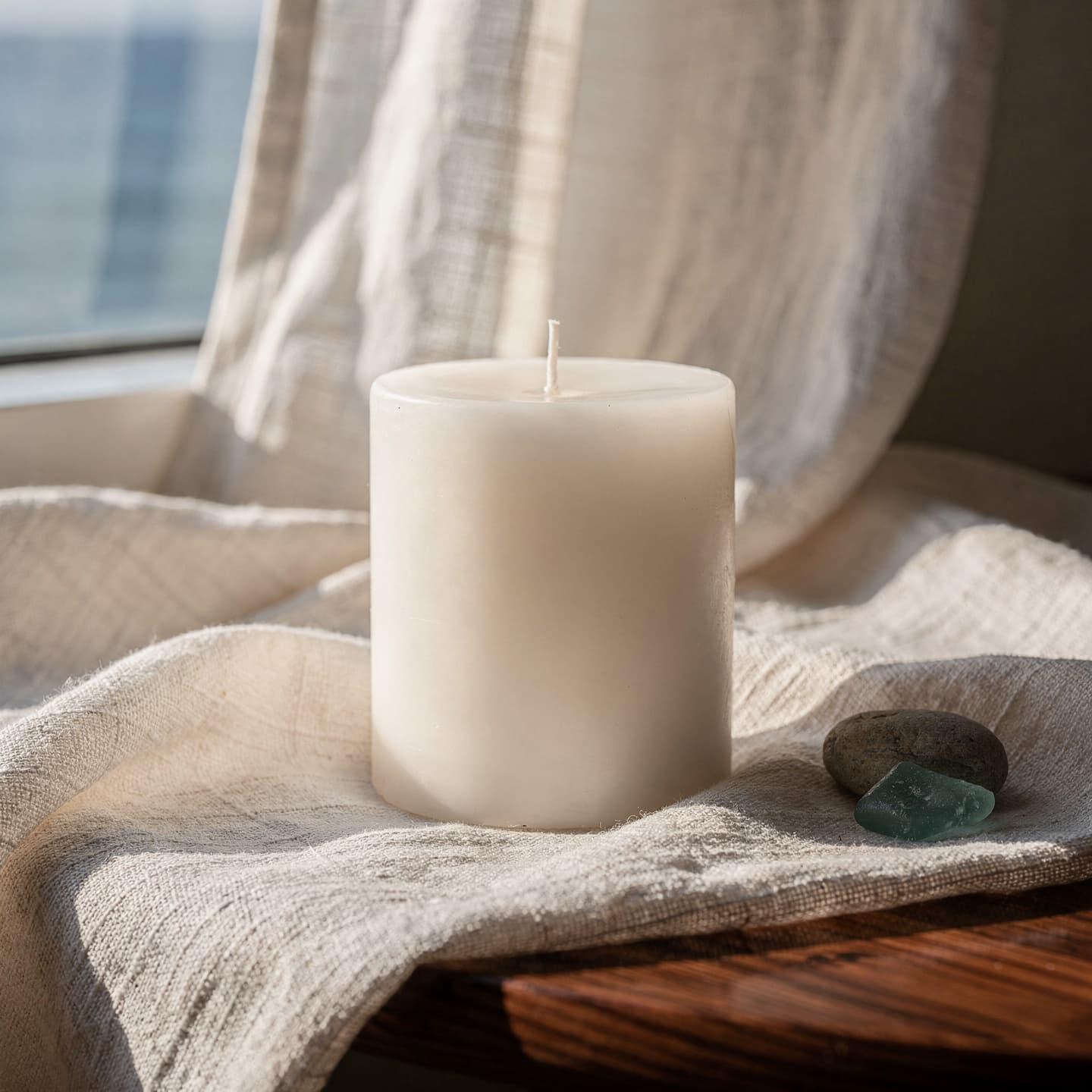
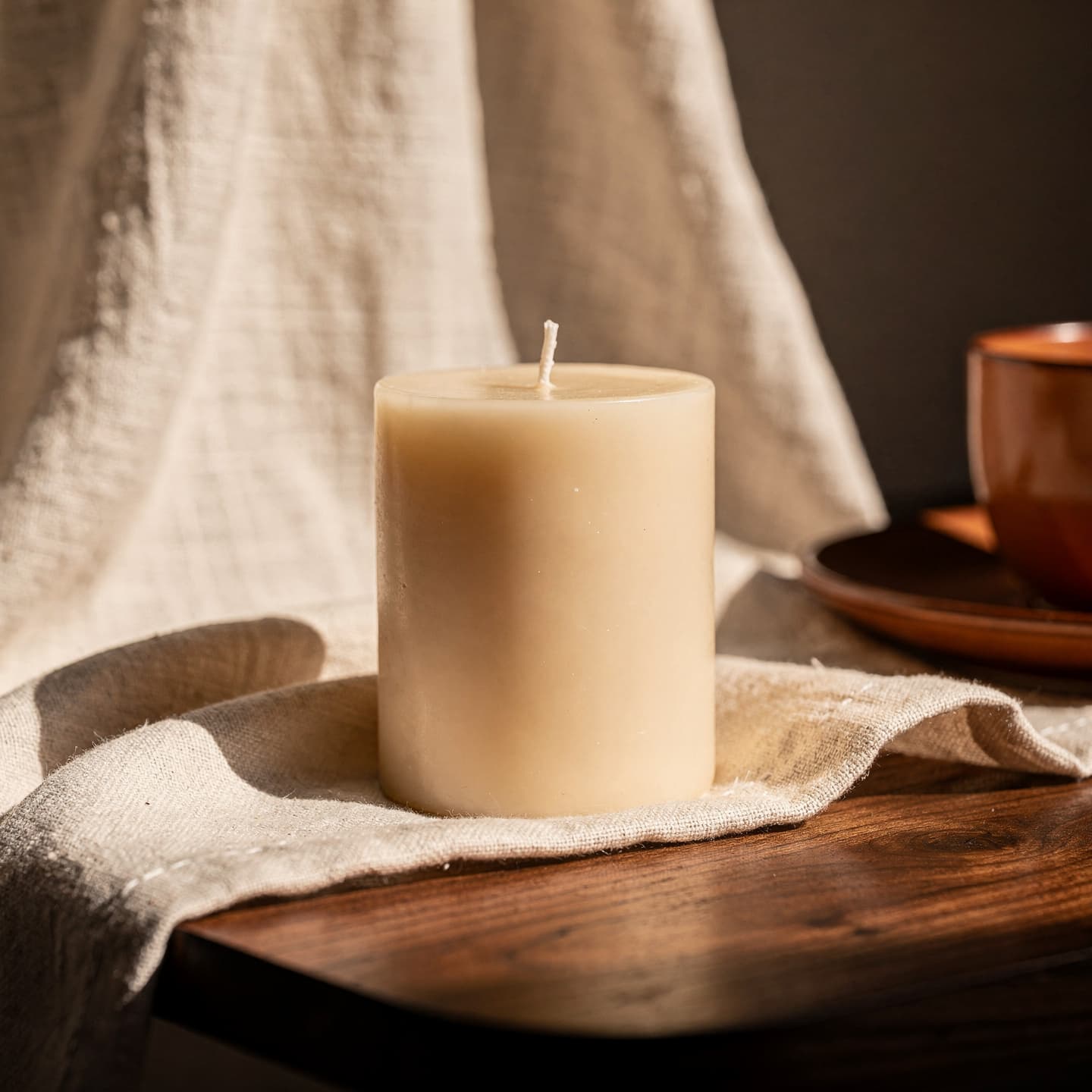
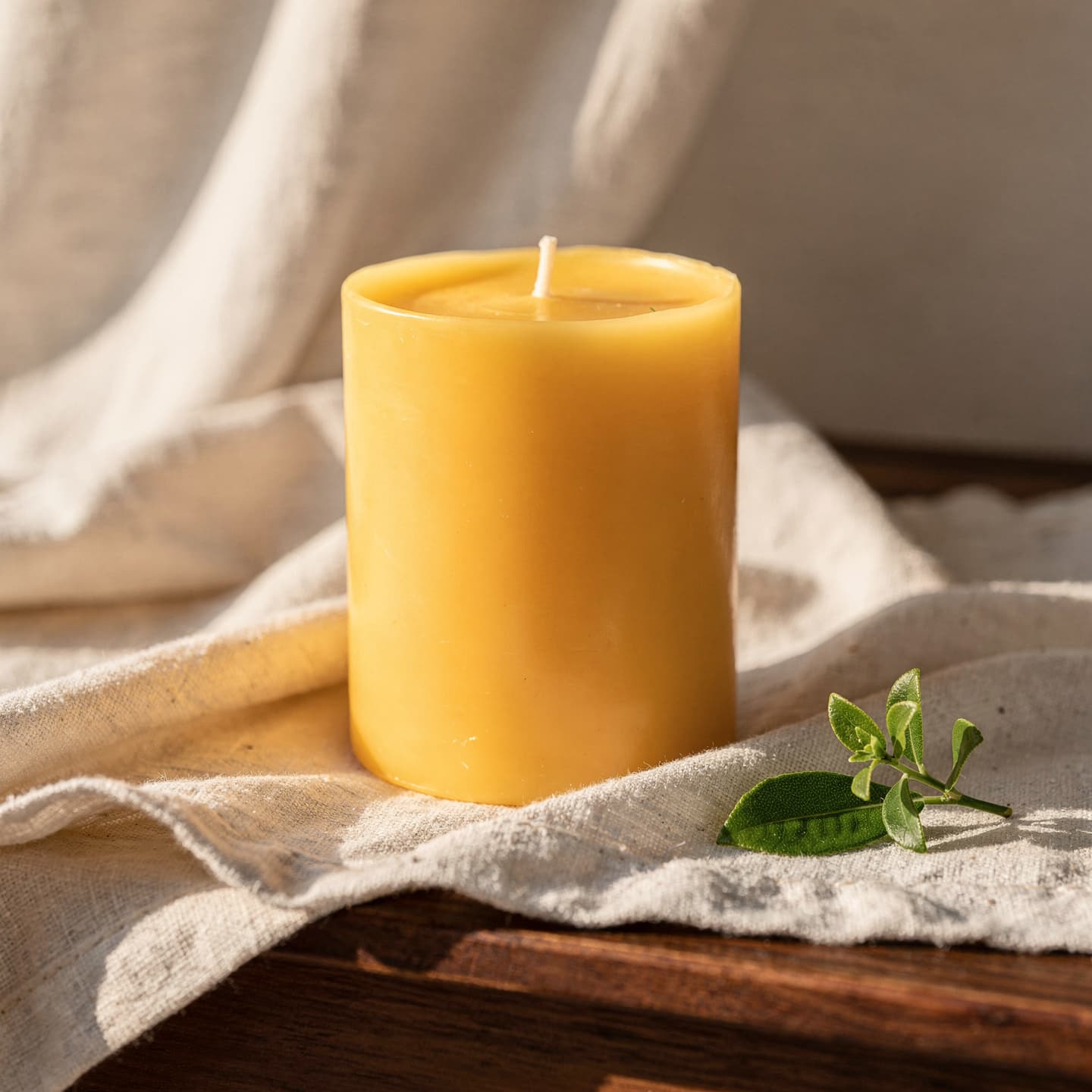
Hand-pouring into these vessels means the maker can feel when the wax reaches the vessel's shape, adjust the pour rate if needed, and ensure the wick sits perfectly centered. A machine cannot feel. It cannot adjust. For pillar candles used in tablescape design or ceremony—where the candle is seen as much as smelled—the hand-pour allows sculptural precision that a mold alone cannot guarantee. The surface finish, the wick placement, the way light passes through the wax: these are choices, not defaults.
Choosing Your Hand-Poured Candle: A Decision Framework
If you're selecting a hand-poured candle from a South African maker, three questions matter.
First: How will you use it? A tumbler works for daily ritual—beside a bed, on a desk, in a bathroom. A bamboo jar suits hospitality or gifting, where the vessel becomes part of the gift and the lid extends the candle's life. A pillar is architectural; it commands a space. Understand the burn time you need: 35 hours for routine use, 40–55 hours for shared or occasional spaces. Use our scent quiz to match your use case with a fragrance family—Coastal for fresh morning spaces, Fynbos for botanical depth, Manor for formal evenings.
Second: Does the maker cure and test before shipping? This is the invisible quality marker. The studio cures every candle for a minimum of 14 days before it leaves Mossel Bay. This waiting period ensures the wax and fragrance have fully bonded, the wick will behave predictably, and the scent throw is stable. Ask a maker about cure time. If they don't mention it, they're likely skipping it.
Third: Can you personalize it? If the candle is a gift, our custom label builder lets you add a name, date, or intention directly to the vessel. This transforms a hand-poured candle from a product into a meaningful object.
Frequently Asked Questions
Why do hand-poured candles cost more than mass-produced ones? Labor, cure time, and quality control are non-negotiable costs. A hand-poured candle spends 14–21 days curing before it can be shipped. A factory candle ships within hours. You're paying for the time the maker invests in getting it right, not just the materials.
How long should a hand-poured candle burn on its first light? The first burn should last 2–4 hours to allow the wax to melt across the entire surface and establish a proper melt pool. This "memory burn" prevents tunneling in subsequent lights. A 35–45 hour tumbler candle should be lit for at least 2 hours on its first use.
Are hand-poured candles made in South Africa better for the environment? Not automatically. What matters is the wax source (soy, paraffin, or blend), wick material (cotton vs. zinc-core), and fragrance quality. The studio in Mossel Bay sources wax from suppliers with transparent practices and uses cotton wicks. Shorter supply chains reduce transport emissions compared to candles made overseas and shipped to South Africa.
Can I order hand-poured candles in bulk for a hotel or event? Yes. The hospitality trade programme serves lodges, boutique hotels, and spas across the Garden Route and beyond. Custom scents, vessel choices, and volume discounts are available for orders of 12 or more. For weddings and events, explore our dedicated service.
The Mossel Bay Practice
Hand-poured candles made in South Africa represent a choice: the choice to slow down, to know your materials, to adjust for local conditions, and to stand behind every burn. The studio in Mossel Bay doesn't scale beyond what can be hand-poured with intention. This is not a limitation. It's a commitment.
When you light a tumbler candle from the studio, you're lighting something that was shaped by human hands responding to coastal humidity, poured at a temperature calibrated for winter or summer, and cured in a space where the maker could observe its cure. This is the practice of hand-pouring in South Africa—not nostalgic, not artisanal for its own sake, but genuinely, measurably different in how it burns and lasts.
Studio notes, July 2026 — Claudi's Studio, Mossel Bay.