What Luxury Home Fragrance Actually Means in South Africa
Beyond imported premium brands—how craft, climate, and place define real luxury in the South African home.
By Claudi·Poured in Mossel Bay, Western Cape
Luxury home fragrance in South Africa is not what you find in the airport duty-free. It's not a global brand with a Cape Town marketing team. It's the scent of your own landscape, poured in a studio where the maker understands the specific humidity of the Garden Route, the salt-loaded air off Mossel Bay, and the sharp resin of fynbos that grows ten kilometres away. Luxury here means recognising that a candle burning in a Johannesburg penthouse is different from one burning in a coastal villa—and the fragrance should respond to that difference. This is where real luxury home fragrance in South Africa begins: not with price or brand heritage, but with intention and place.
Key Takeaways
- Luxury home fragrance in South Africa is defined by responsiveness to local climate, not global uniformity—humidity, coastal salt, and indigenous botanicals matter more than celebrity endorsement.
- A 40–55 hour burn time in a quality vessel (not a candle that collapses after 20 hours) signals craft investment and real wax formulation, not corner-cutting.
- The most sophisticated South African homes use fragrance as a decision tool, matching scent families to season, room function, and the specific air quality of their region—not as decorative furniture.
Luxury Redefined: Place Over Price
Luxury home fragrance in South Africa has shifted. Ten years ago it meant importing French candles; today it means understanding that the Mossel Bay coast moves at different humidity than the Winelands, and that a fragrance formulated for London damp does not behave the same way in Cape Town's dry Southeaster wind.
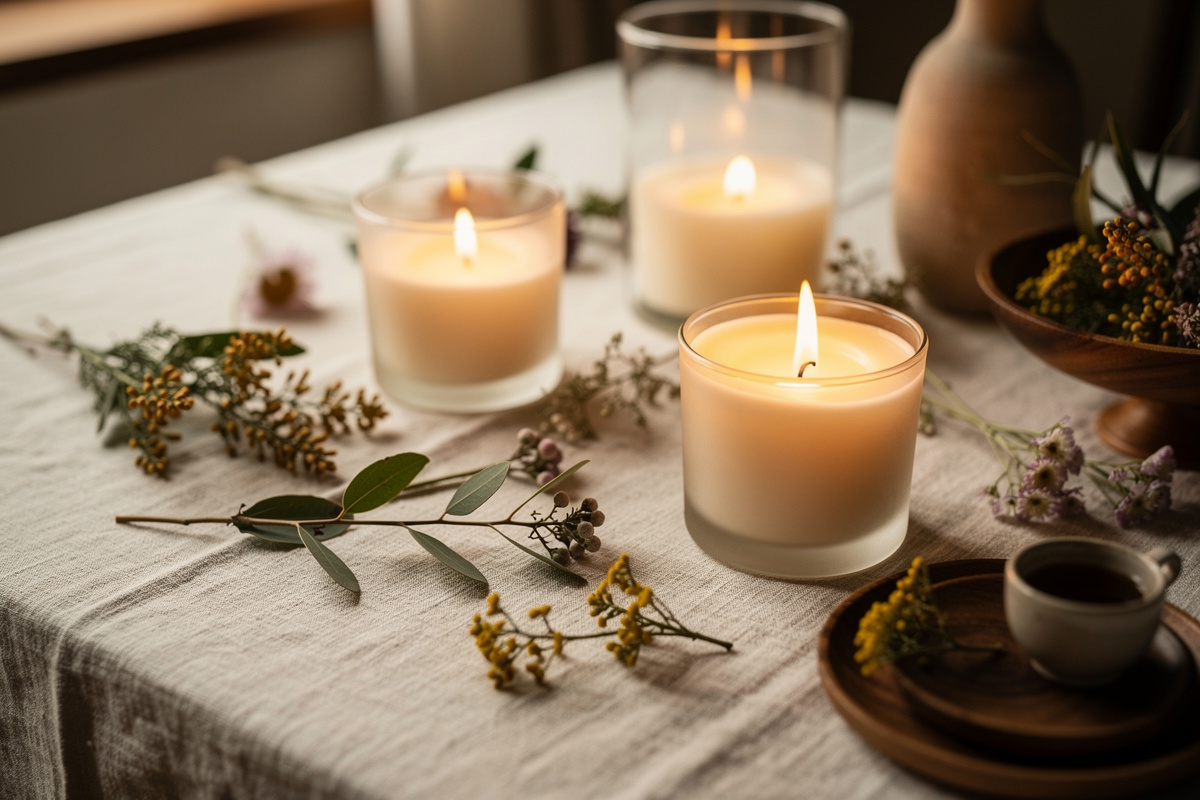
Real luxury recognises local craft. A candle poured in the Mossel Bay studio responds to the air it will burn in—the salt-laden wind that travels inland, the temperature swings between season and season, the way fynbos resin settles into plaster walls differently than synthetic florals. When you buy fragrance made here, you're buying something formulated for your climate, not exported and hoped-for.
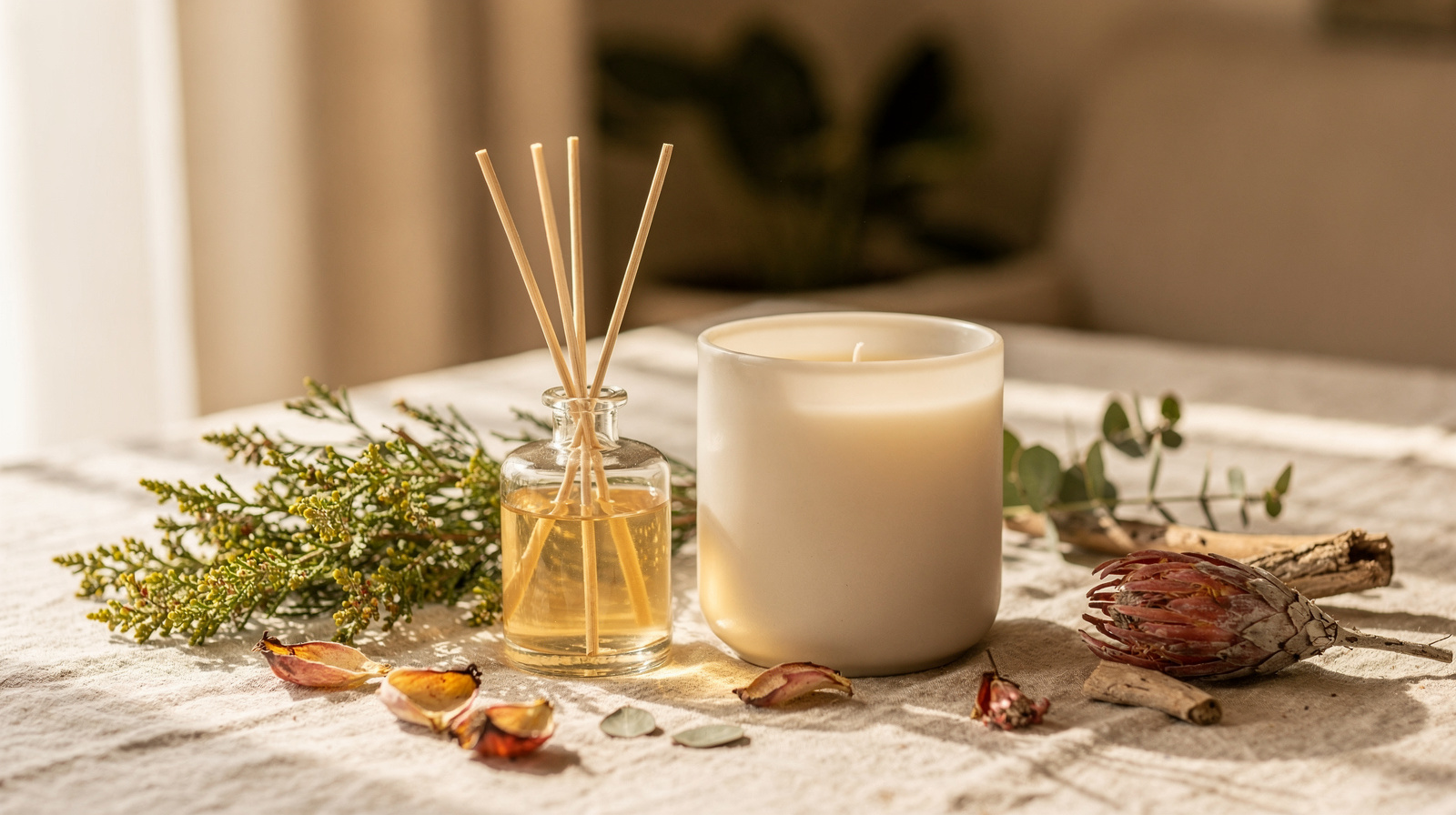
Price is the easiest marker of luxury, but it's also the laziest. A $300 imported candle and a $65 locally poured candle may burn differently. What matters is burn consistency, scent longevity, and whether the vessel has a second life after the wax is gone. A tumbler candle with a 35–45 hour burn gives you functional luxury—time, reliability, a kept object. That's how luxury reads in the South African home: practical, long-lasting, and quietly confident.
The Craft of Coastal and Fynbos Fragrance
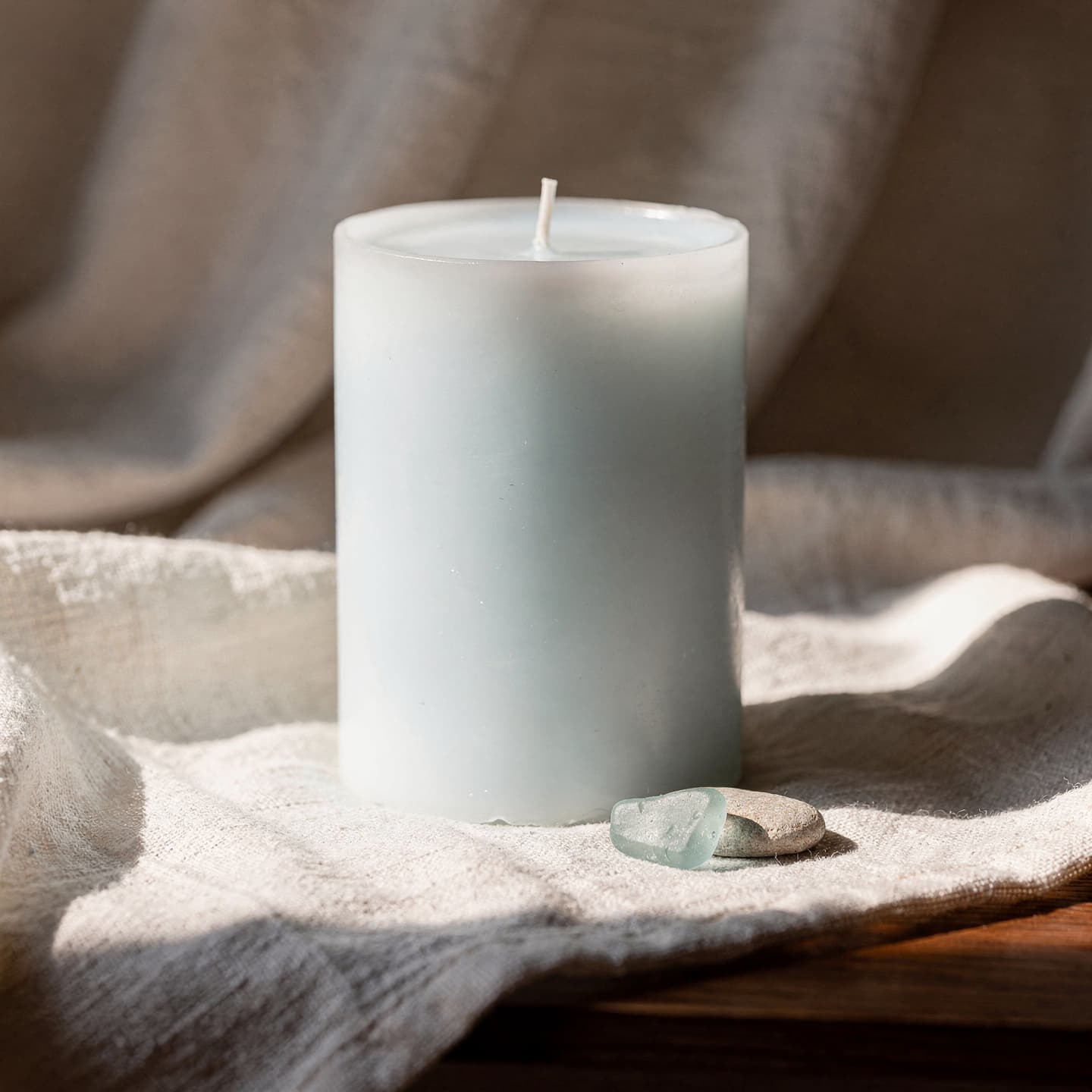
The Coastal collection is built for salt air. These fragrances open with fresh, maritime notes—they're not floral, not warm, not trying to be something else. They're formulated to cut through the noise of a sea breeze without competing with it. In Mossel Bay, this matters. The studio sits 800 metres from the Atlantic, and every batch is tested against real conditions: does the scent project through open windows? Does it fade into the background or command attention?
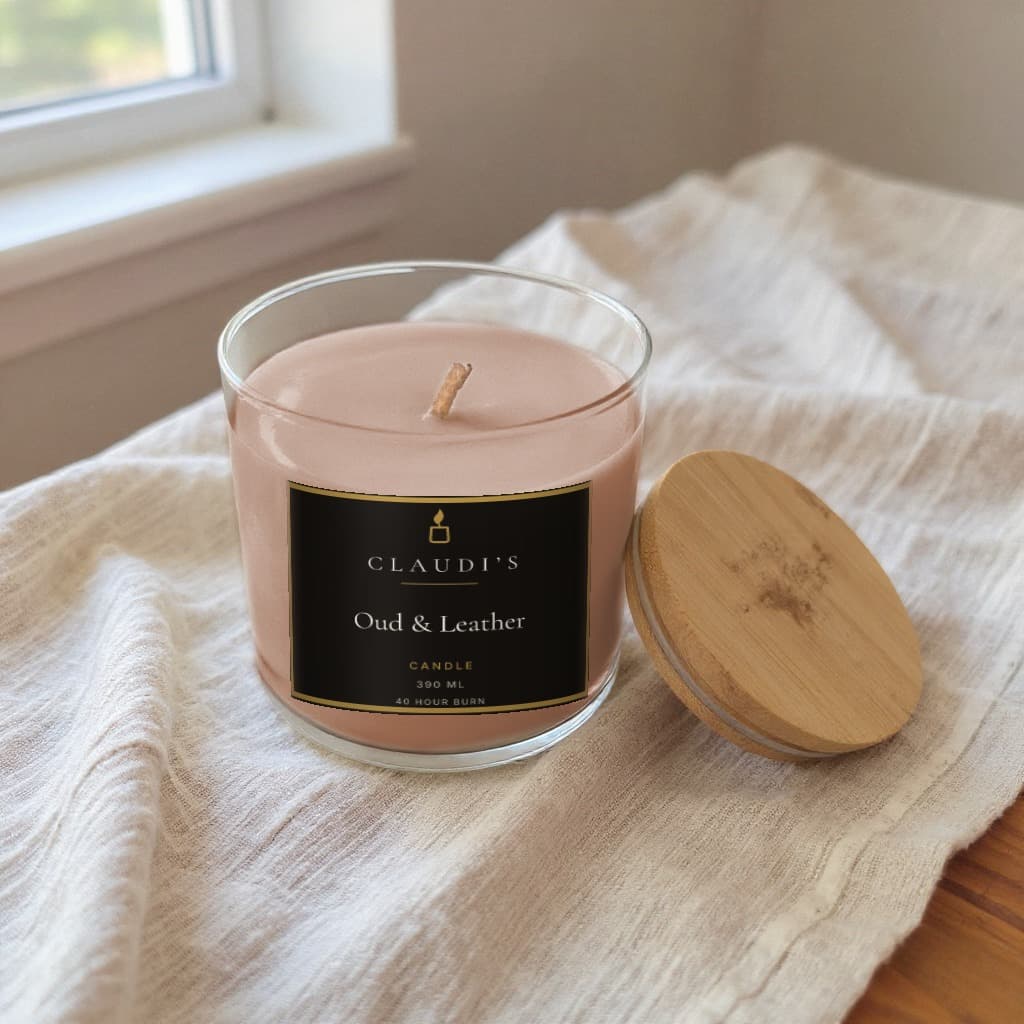
Our bamboo jar holds these coastal fragrances at their best. The lidded vessel preserves the scent between burns, which matters in humid coastal homes where condensation and salt spray can flatten an open candle's top notes. A 40–55 hour burn means you're not constantly replacing stock; you're investing in a fragrance that lives in your home for weeks. After the wax is done, the jar becomes a vessel—for tea, for desk storage, for the kind of utility that marks real luxury in South African homes.
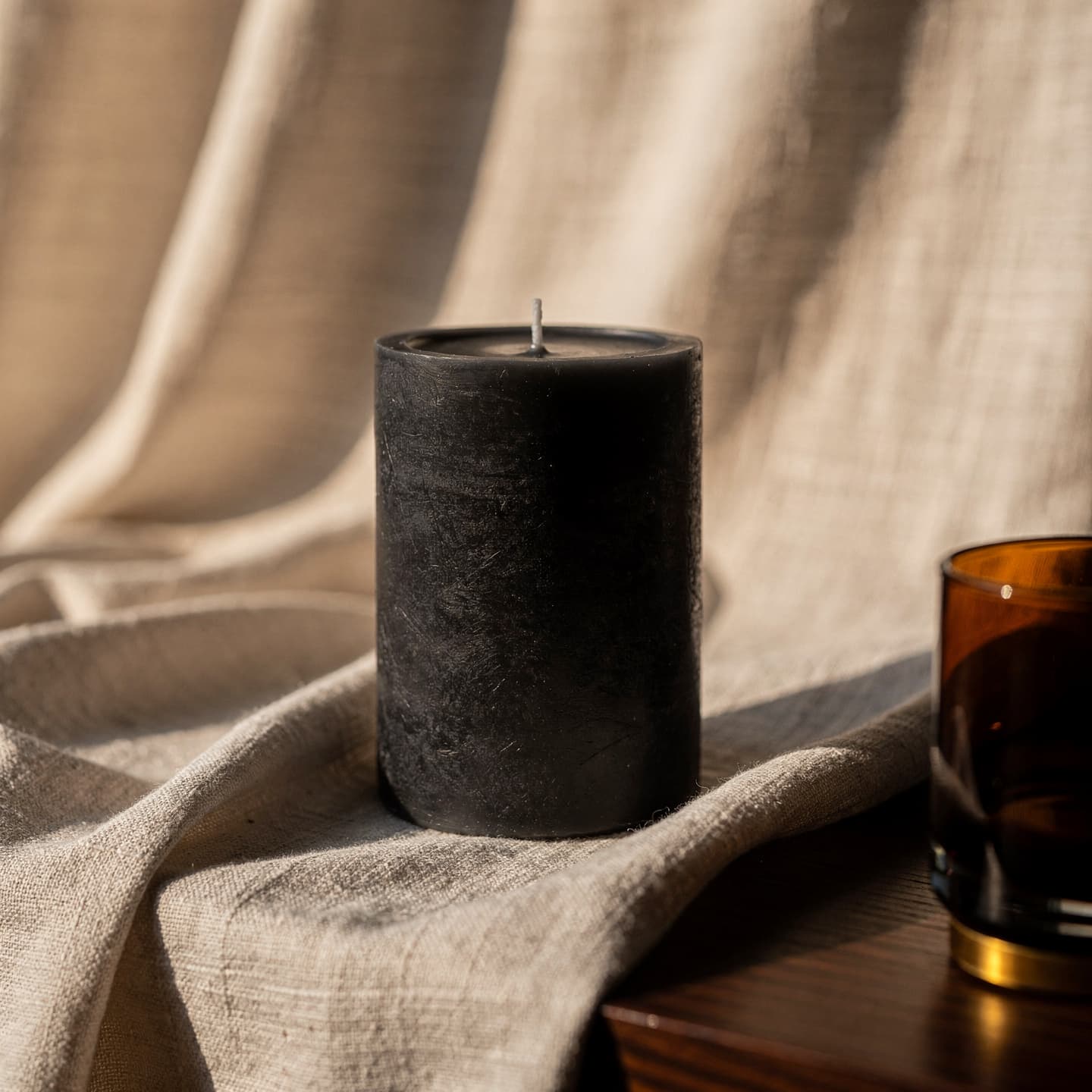
The Fynbos collection takes the other direction: botanical, resinous, grounded in the plants that grow across the Garden Route. Fynbos burns differently than cultivated florals. It's assertive, almost mineral. In a study room or library, fynbos grounds attention. In a bedroom, it settles the nervous system—resin has mild anxiolytic properties, which neuroscience confirms through olfactory pathway activation. That's not marketing; that's physiology. Luxury fragrance understands how scent moves through the brain, not just how it smells.
How to Choose: A Decision Framework for Your Home
Selecting luxury home fragrance for your space is not about trend or Instagram aesthetics. It's a decision based on function and climate.
Start with your room's exposure. A sun-facing lounge loses scent projection faster; you need something with strong top notes and good longevity—the Coastal or Manor collections work here. A north-facing bedroom or reading room benefits from something grounding—fynbos or the Gather collection, which carries spiced, social warmth without aggression.
Next, consider season. Winter in the Garden Route is cool and damp; fragrance clings differently. Summer is hot and dry; lighter notes evaporate faster. The Seasonal collection rotates with this reality. You're not fighting your climate; you're working with it.
Finally, test your own response. The scent quiz at the studio walks you through your preferences and matches you to the right family. It takes five minutes and removes guesswork. Luxury is knowing what you want before you buy—not discovering it after three weeks of a scent you're tired of.
If you're gifting, the custom label builder lets you personalise a tumbler or bamboo jar with a message or name. That's how luxury reads in gifting: specific, made for the person, marked with intention.
Frequently Asked Questions
What's the difference between a luxury home fragrance and a standard candle? Luxury candles burn longer, project more consistently, and are formulated for specific climates and use cases—not mass-produced for generic homes. A standard candle burns in 15–20 hours and fades; a luxury candle like ours holds scent for 35–55 hours and adapts to room conditions. The vessel also matters—ours are kept and reused, not discarded.
Why do some candles burn unevenly, and how does that signal quality? Uneven burning (tunnelling) happens when wax formulation is poor or the wick is wrong-sized for the vessel. Quality luxury home fragrance uses precise wax ratios and wick selection tested in real South African conditions—Mossel Bay humidity, coastal salt, seasonal temperature swings. A candle that burns flat and true is a sign of craft investment.
How does Mossel Bay's location affect the fragrances poured here? The studio is 800 metres from the Atlantic, so every batch is tested against real coastal air. Salt spray, humidity, and wind patterns all influence how a fragrance performs. Fynbos grows nearby, so resinous notes are formulated with local botanicals in mind. You're not buying a candle made for London—you're buying one made for here.
Can I use luxury fragrance in hospitality settings, or is it just for homes? Both. In fact, our hospitality programme places custom-formulated fragrances in boutique hotels, lodges, and spas across the Garden Route. A hotel lobby or guest room benefits from the same climate-responsive fragrance strategy as a home—consistency, projection, and a scent that complements the space rather than overwhelming it. Reach out about wholesale and hospitality options if you're sourcing for a business.
The Right Fragrance for Your Home
Luxury home fragrance in South Africa means buying something made for where you live, not imported and hoped-for. The Mossel Bay studio pours candles that understand salt air, fynbos, season, and the specific way South African light moves through a room. A tumbler candle gives you 35–45 hours of consistent burn and a vessel you'll keep. A bamboo jar preserves scent between uses and becomes part of your home after the wax is gone. Choose fragrance that responds to your climate and room, not fragrance that expects your home to adapt to it.
Fragrance notes, July 2026 — Claudi's Studio, Mossel Bay.