How South African Candle Making Balances Craft Precision With Natural Materials
The science and skill behind hand-poured candles in Mossel Bay: why temperature control and botanical sourcing separate studio candles from industrial production.
By Claudi·Poured in Mossel Bay, Western Cape
Candle making in South Africa exists at a crossroads. On one side: industrial facilities that pour thousands of units monthly, chasing consistency through automation. On the other: boutique studios that treat each batch as a variable system, where humidity, wax temperature, and botanical drying time demand constant adjustment. The difference isn't romantic sentiment—it's measurable. A tumbler candle poured at 68°C in winter coastal air behaves differently than one poured at the same temperature in inland heat, and a maker either adapts or accepts uneven burn pools and frosting. This is the daily reality of candle making in Mossel Bay, where the Atlantic influence keeps studios cool but unpredictable.
Key Takeaways
- South African candle makers must account for seasonal humidity shifts (particularly in coastal regions like Mossel Bay) that directly affect wax curing time and scent longevity—a factor rarely discussed in Northern Hemisphere candle guides.
- Hand-poured batches allow for botanical sourcing from the Fynbos biome, a region so botanically unique that 20% of South Africa's plant species exist nowhere else on Earth.
- Temperature precision during pouring determines burn characteristics: a candle poured 2–3 degrees cooler can extend burn time by 4–6 hours and improve scent throw without additives.
The Hidden Variables in South African Candle Making
Candle making south africa requires understanding a specific set of constraints. Most candle literature assumes temperate climates with predictable seasonal shifts. But the Garden Route—where Mossel Bay sits—experiences rapid weather changes within a single day. Rain can push humidity to 85% by afternoon, then salt-laden Atlantic wind dries the air by evening. This affects everything from wax cure time to fragrance oil integration.
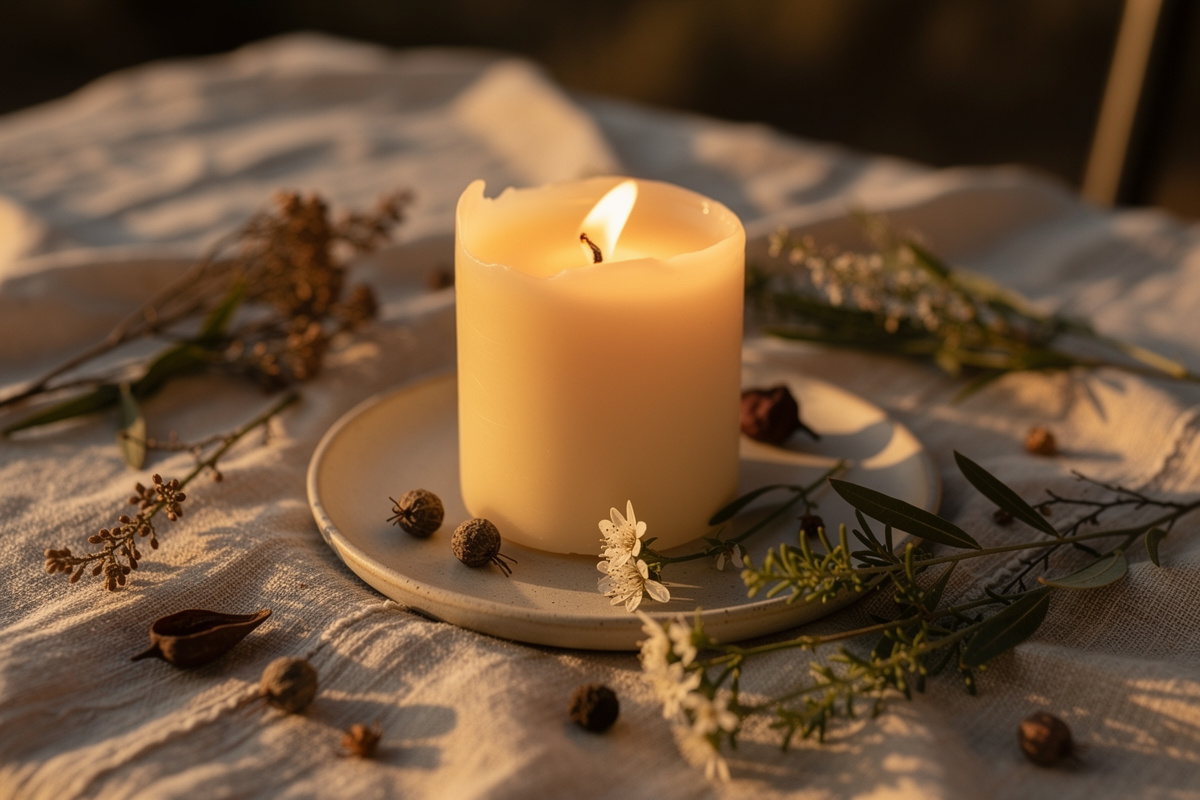
A batch poured on a humid morning may take 72 hours to fully cure; the same batch poured on a dry afternoon might cure in 48. The difference isn't trivial. Under-cured wax won't hold fragrance molecules evenly, leading to uneven scent throw across the burn. Over-cured wax becomes brittle and prone to cracking when burned. Professional studios track humidity hourly during production seasons, adjusting pour temperature and wait times between batches accordingly. This is why artisan candle making in South Africa—particularly in coastal regions—demands active decision-making rather than fixed protocols. A maker in Johannesburg can follow a recipe; a maker in Mossel Bay must read the room.
Botanical Sourcing and the Fynbos Advantage
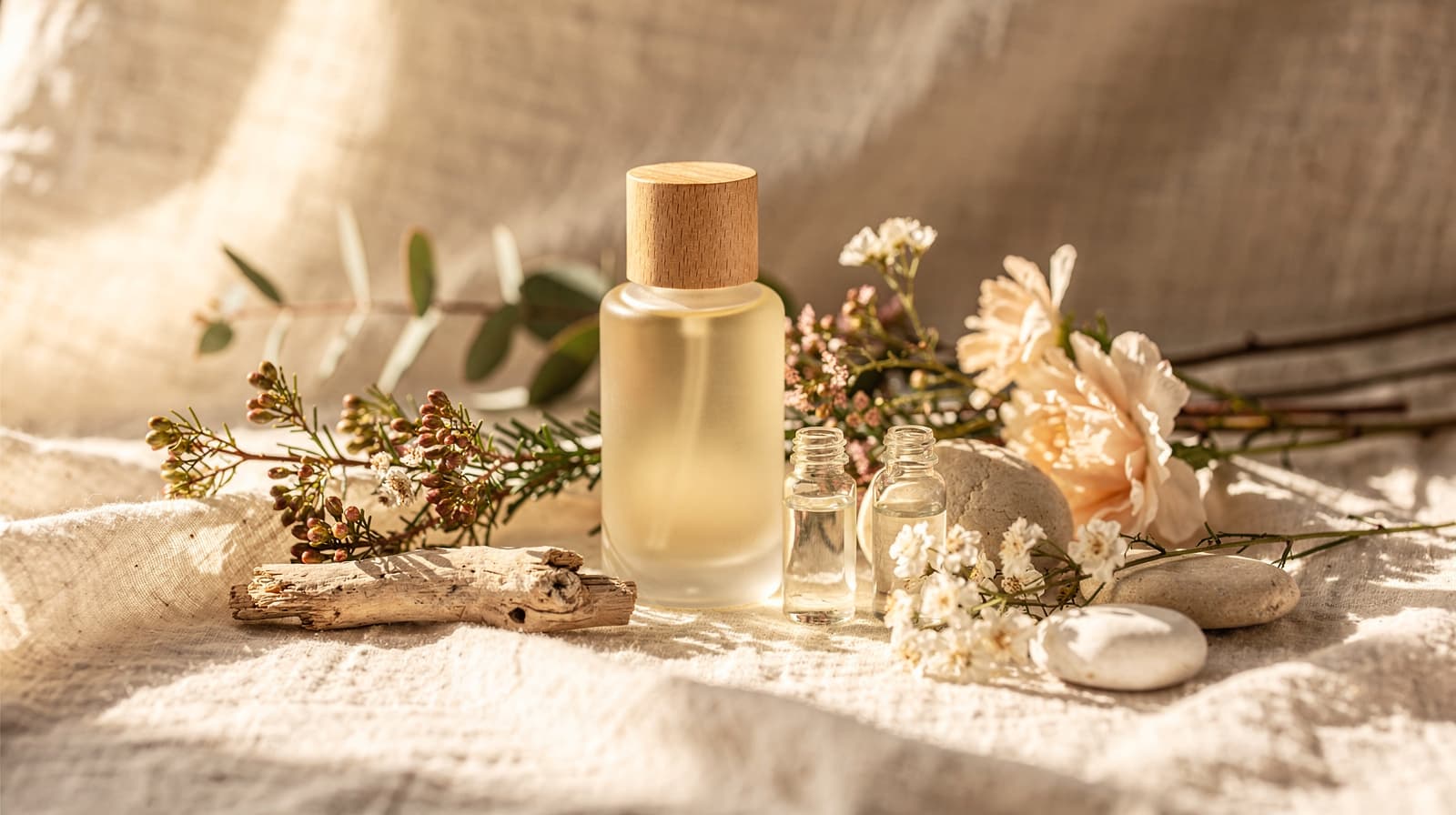
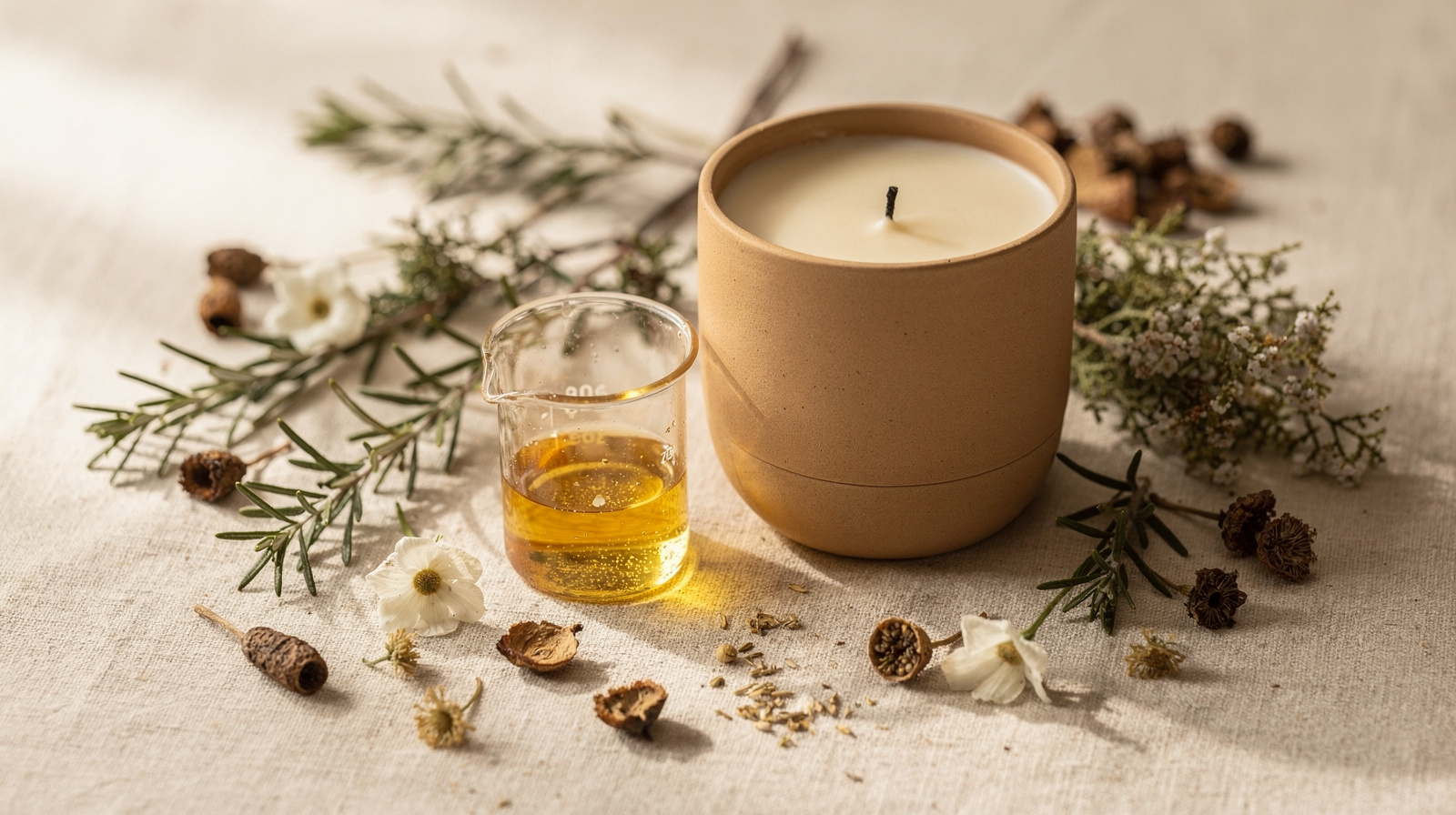
The Fynbos biome surrounding Mossel Bay contains over 9,000 plant species, many found only in this region. This isn't decoration—it directly shapes what's possible in scent composition for candles made here. Our Fynbos collection draws from botanicals like Cape heather, leucadendron, and wild rosemary that thrive in this specific microclimate. A maker sourcing these materials locally can work with fresher plant matter, achieving scent profiles that would require synthetic replication in other regions.
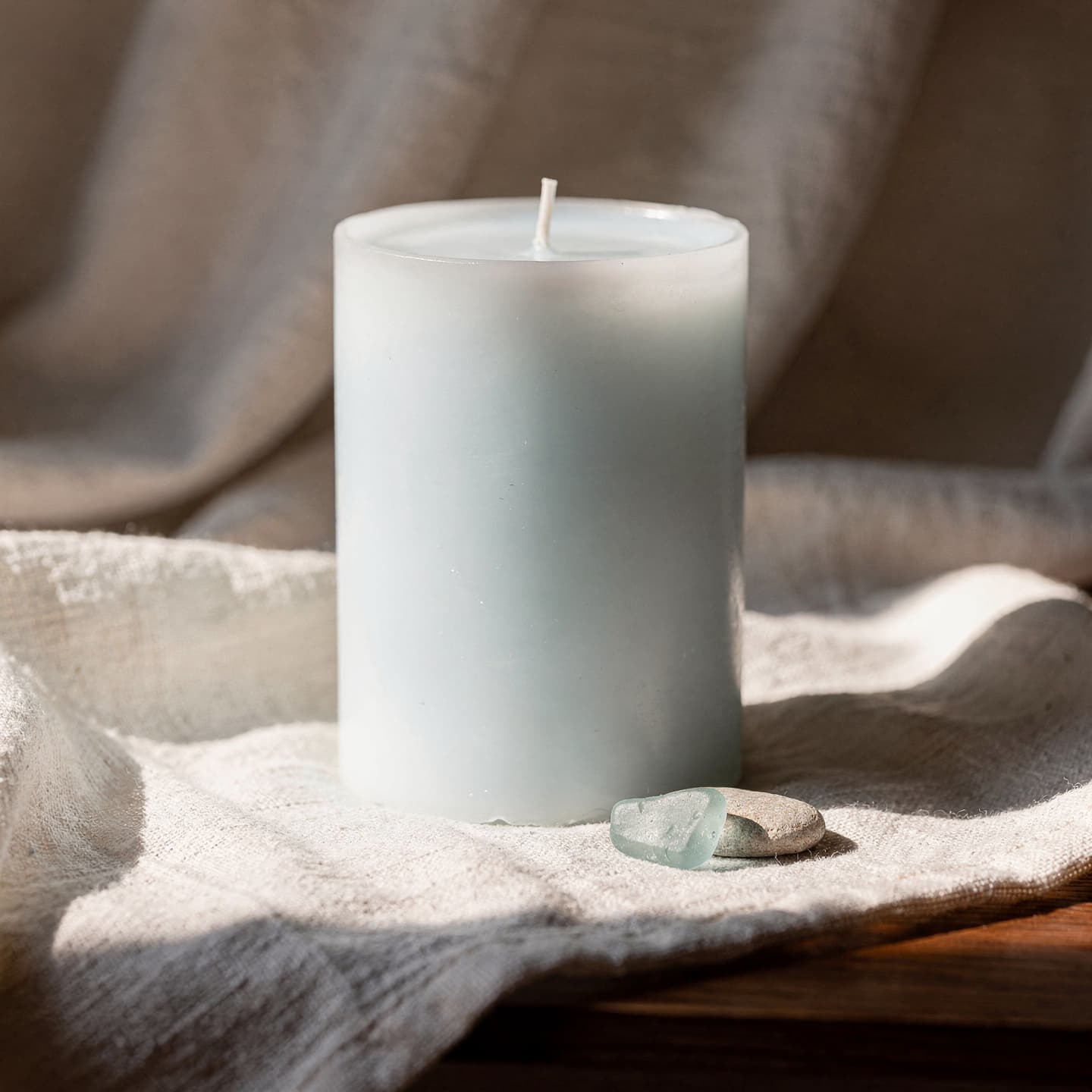
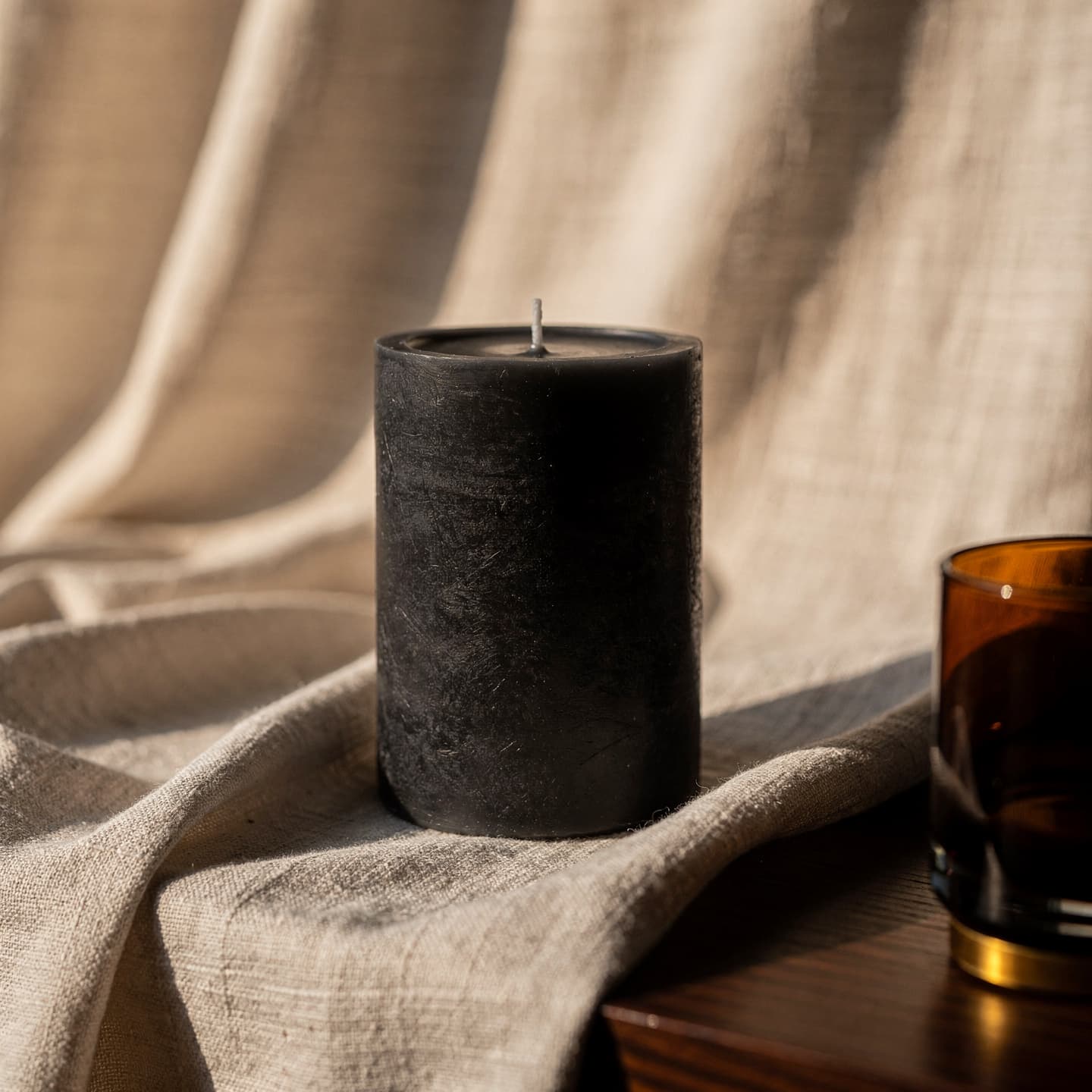
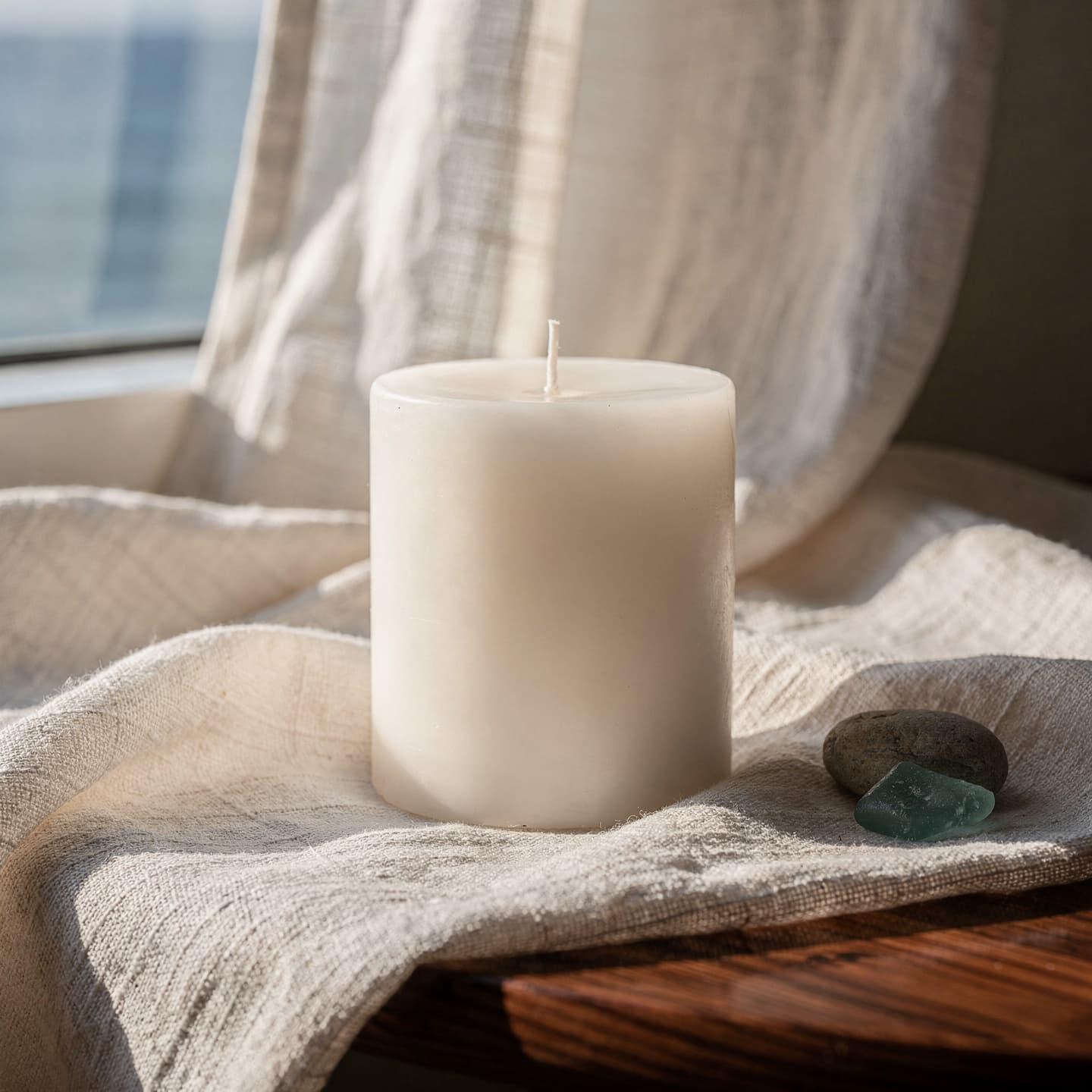
The craft of candle making south africa gains its regional character not from marketing but from material reality. When you pour a candle from the Mossel Bay studio, the Fynbos elements in the wax and fragrance oils reflect actual partnerships with local harvesters and distilleries—not imports from fragrance factories in Europe or synthetic approximations. A 40-hour burn in one of our bamboo jars releases fynbos botanicals sourced within 40 kilometers of the studio. This specificity of place is what differentiates regional candle craft from generic production. It's also why pillar candles and molded artisan pieces often feature Fynbos-derived scents; the botanical integrity matters more when the candle itself becomes a sculptural object meant to be noticed.
Vessel Choice and Burn Characteristics
Candle making decisions extend far beyond fragrance and wax. The vessel itself—whether a tumbler, bamboo jar, or pillar form—shapes the burn experience. Our tumbler candles achieve 35–45 hour burns because the vessel geometry concentrates heat around the melt pool, encouraging an even burn and good scent throw. The premium bamboo jar extends this to 40–55 hours through a lidded design that traps residual heat between burns and preserves scent integrity.
These differences matter in South African retail environments, where a candle might sit in a hotel room without climate control, exposed to afternoon heat through a window or evening cool-down. The bamboo jar's lid becomes functional, not decorative—it protects the fragrance layer from volatilizing in heat and re-solidifying unevenly. Choosing the right vessel for a specific space is part of the craft. If you're sourcing candles for a hospitality setting, the vessel choice directly affects how guests experience the scent and how long the candle lasts before requiring replacement. This is why our hospitality programme begins with conversations about guest experience and environmental variables, not just aesthetic preference.
Building a Sourcing Strategy for Candles Made in South Africa
If you're selecting candles for personal use or a business, understanding the maker's sourcing approach matters. Ask: Where does the wax come from? Are the botanicals sourced locally or imported? What's the curing timeline, and does it vary seasonally? These questions sound technical, but they're practical. A candle made in South Africa from imported wax and synthetic fragrance is no different from one made anywhere else. A candle poured from locally-sourced materials with regional botanical knowledge carries integrity.
Start by identifying what matters to you: scent profile, burn time, vessel reusability, or sustainability. Then match it to a maker's stated process. Use the scent quiz to clarify which of our collections—Coastal, Fynbos, Manor, or Gather—aligns with your preferences. If you're sourcing for a business or event, explore our corporate gifting and wedding options, where vessel choice and burn characteristics become part of the design brief. For hospitality settings, the hospitality trade programme includes guidance on seasonal scent rotation and performance expectations based on room conditions.
Frequently Asked Questions
What makes candle making in Mossel Bay different from other regions in South Africa? Coastal humidity and temperature volatility require real-time batch adjustments. Most South African candle makers operate inland where conditions are more stable. Mossel Bay's Atlantic influence creates a 15–20% longer curing timeline compared to Johannesburg or Cape Town, but it also allows access to unique Fynbos botanicals within a 40-kilometer radius of the studio.
How long does a hand-poured candle from a South African studio actually last compared to mass-produced candles? Our hand-poured tumbler candles deliver 35–45 hours; the bamboo jar extends to 40–55 hours depending on burn patterns and room temperature. Mass-produced candles often claim 30–40 hours but may achieve inconsistent burns due to faster curing and lower-quality mold release. The difference compounds over multiple burns.
Can I order custom candles for an event if I'm planning a wedding or corporate function in South Africa? Yes. The custom label builder lets you personalize tumbler and bamboo jar candles with dates, logos, or messaging. For larger orders or bespoke scent blends, our weddings and corporate gifting services work with lead times of 4–8 weeks depending on complexity and batch size.
Why do some South African candle makers emphasize botanical sourcing so much? The Fynbos biome is botanically unique—20% of its plant species exist nowhere else on Earth. Using local botanicals isn't marketing; it's acknowledging material reality. A candle scented with Cape heather or wild rosemary from Mossel Bay carries authenticity that imported fragrances cannot replicate, regardless of price.
The craft of candle making in South Africa—particularly along the Garden Route—demands respect for regional variables and material specificity. It's not a process you can automate away. Whether you're sourcing candles for personal use, a hospitality space, or a special event, understanding the maker's relationship to place, material, and technique shapes the final experience. [Start with our Fynbos or