How Fragrance Notes Layer: A Guide to Scent Composition and Longevity
Fragrance notes create scent over time—not all at once. Understand how top, heart, and base notes work together, and why burn time matters.
By Claudi·Poured in Mossel Bay, Western Cape
A candle smells different at minute five than it does at minute thirty. Most people don't notice this shift—they light the wick and assume the scent is fixed. But fragrance composition is temporal. It unfolds in layers, each one designed to emerge and fade at a precise moment. This isn't accident. It's chemistry, craft, and intention working together. Understanding how fragrance notes are structured changes how you choose a scent, how you use it, and how long it actually performs. In the studio in Mossel Bay, we build this timing into every pour.
Key Takeaways
- Fragrance notes don't all release at once—top notes vanish within 5–15 minutes, while base notes persist for hours after the candle cools.
- A 40-hour tumbler burn distributes scent evolution across multiple sessions, allowing each note family to develop fully in your space.
- The scent family you choose (Coastal, Fynbos, Manor, Gather) determines which notes will dominate early and which will anchor the experience.
The Architecture of Scent: How Notes Actually Work
When you light a candle, you don't experience a single fragrance. You experience a sequence. Fragrance notes are organised into three tiers: top, heart (or middle), and base. This structure mirrors how our olfactory system processes scent over time.

Top notes are the first impression—volatile, bright, quick to evaporate. Think citrus, pepper, or mint. They last 5–15 minutes. Your brain registers them as the "entry" to the fragrance, the initial spark. But they're ephemeral. On a chemical level, top notes have lower boiling points; they simply can't survive long in a heated wax pool.
Heart notes (or middle notes) emerge as top notes fade. These are the core of the fragrance—florals, spices, soft woods. They last 20–45 minutes and form the emotional core of the scent. This is where most of the composition lives. In our Gather collection, for example, the heart notes carry warmth and complexity that wouldn't register if you smelled them first.
Base notes are the anchor. Vanilla, amber, sandalwood, cedarwood—these are heavy molecules that linger long after the flame is out. They can persist for hours, even on cool skin or fabric. Base notes don't evaporate easily; they cling. They're the reason a candle still scents a room after you've blown it out.
This layering isn't random. When we build a fragrance composition in the studio, we're choreographing a reveal. Each note family enters and exits on schedule. A poorly composed fragrance has no structure—it's a muddle. A well-composed one guides you through a journey.
How Vessel and Burn Time Shape Note Perception
The vessel you choose affects how you experience fragrance notes. A tumbler candle—the workhorse of our range—burns for 35–45 hours. That extended burn means you're not experiencing the full arc in one sitting. Instead, you're living with the fragrance across multiple sessions, often over several weeks.
This matters because of scent adaptation. Your nose becomes habituated to a constant smell within about 20 minutes. But if you light the candle for two hours, then return to it the next evening, your olfactory system resets. The heart notes feel fresh again. Over the course of a 40-hour burn in a tumbler, the wax pool itself changes—the depth of fragrance oil in the melt pool shifts, which subtly alters which notes project strongest.
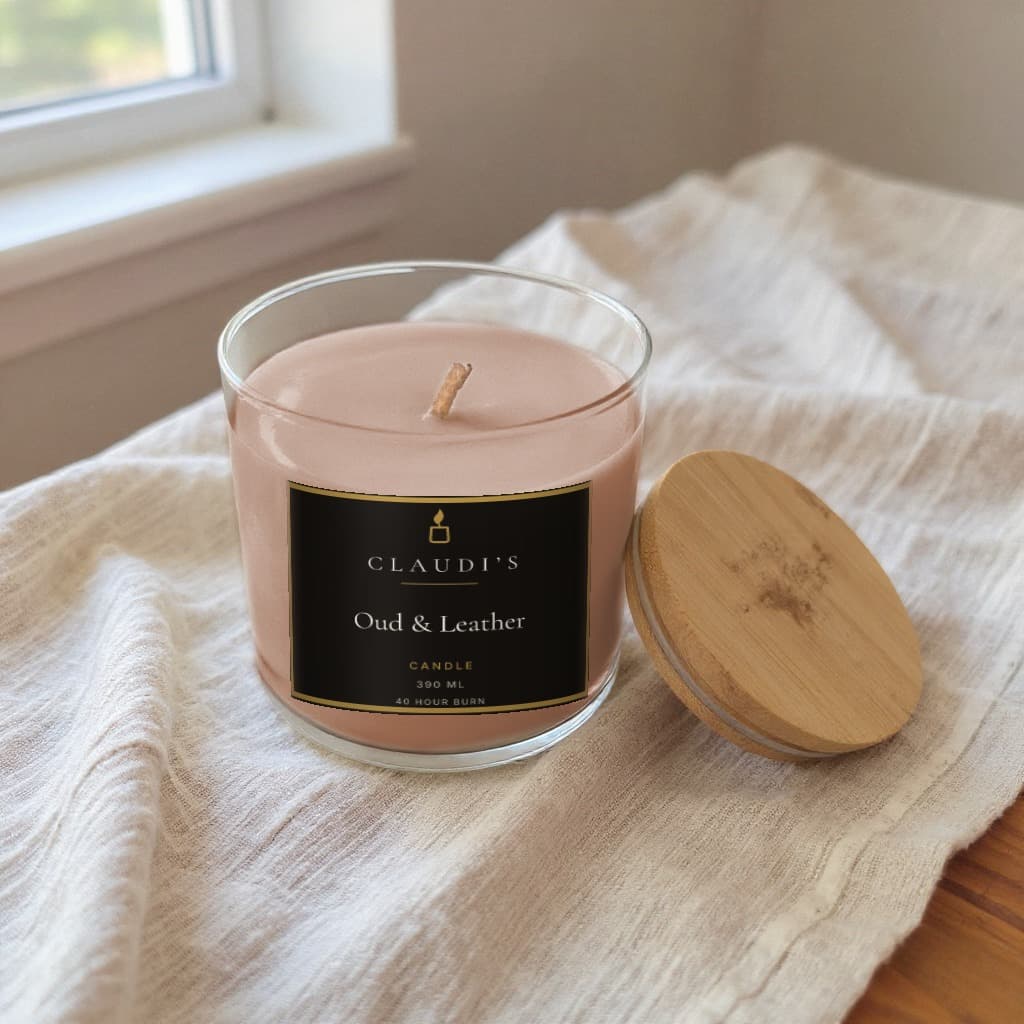
Our premium bamboo jar works differently. The lid seals the vessel between burns, which preserves the scent concentration. This is why we recommend bamboo for hospitality settings and gifting—the fragrance remains more consistent across sessions. The lid also extends the usable life by 10–15 hours compared to an open-topped tumbler.
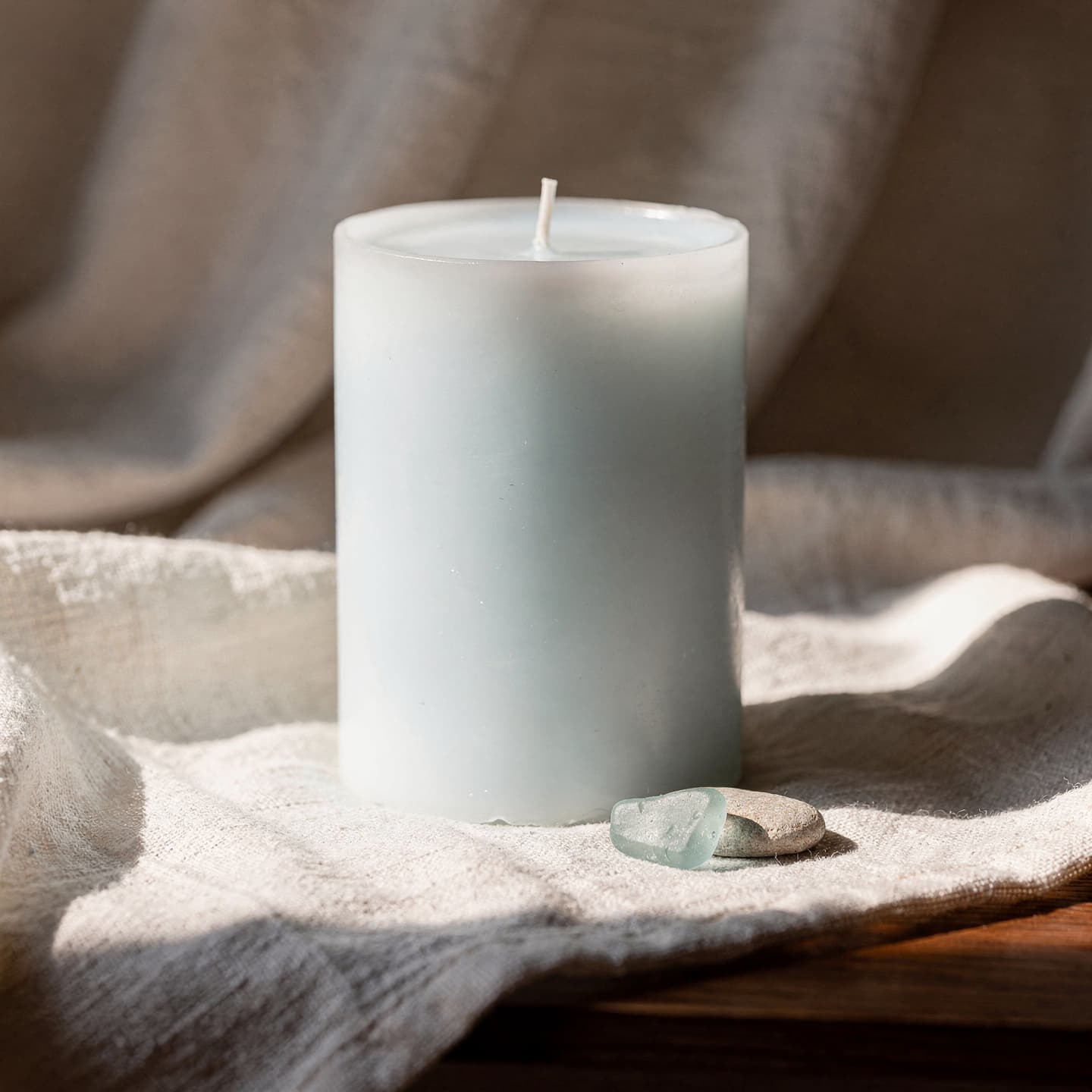
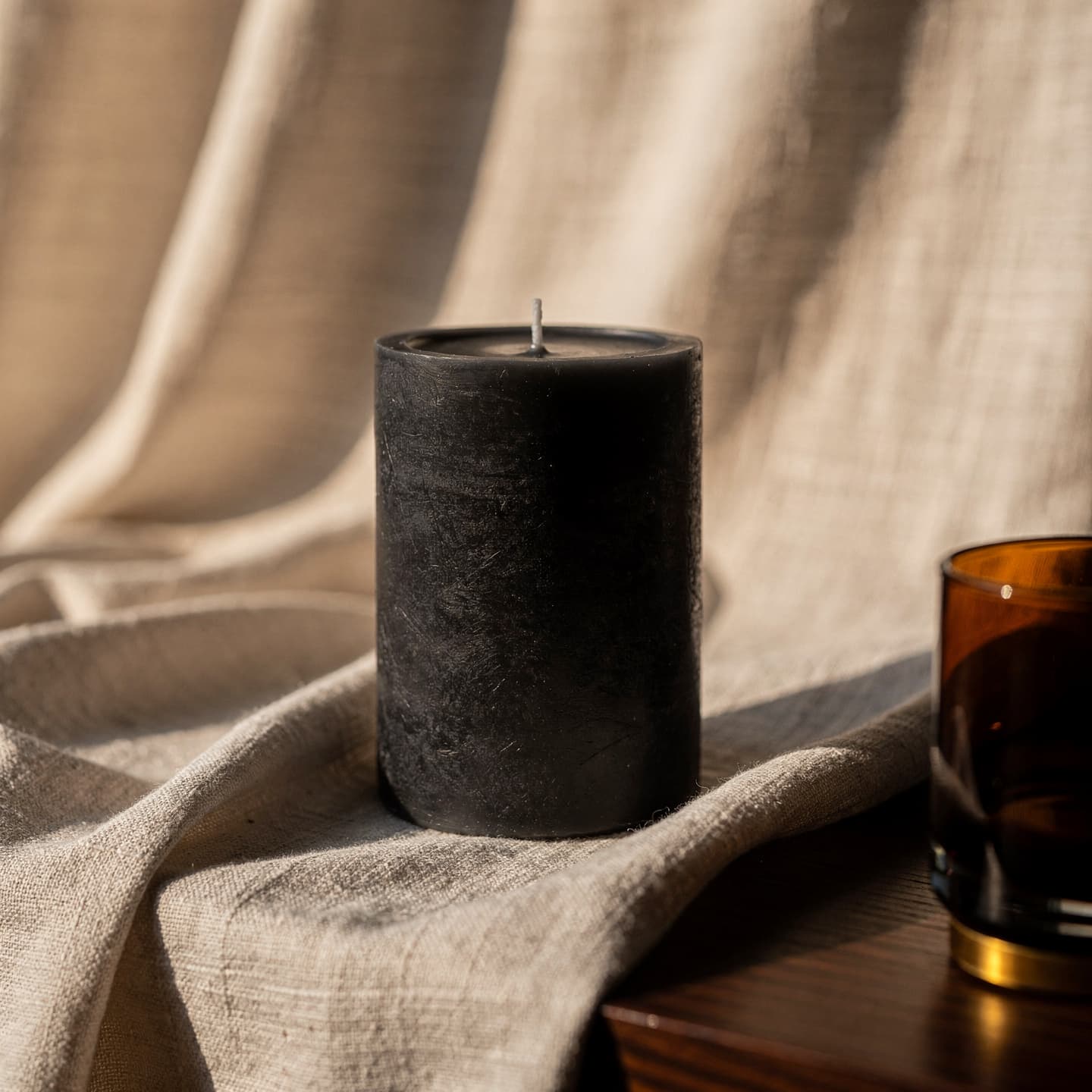
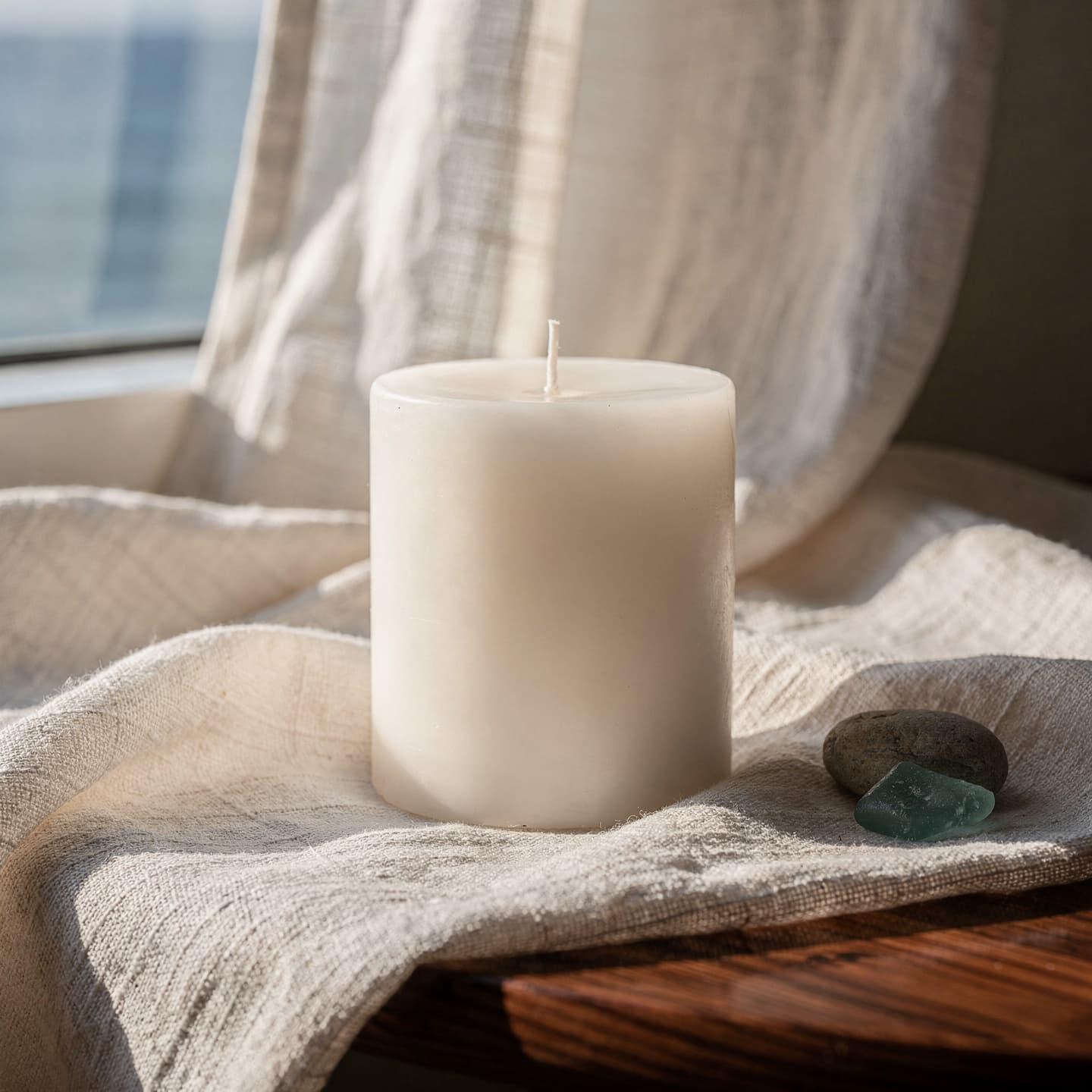
Pillar candles behave differently still. Without a vessel to contain and redirect heat, pillar candles burn more openly. The fragrance disperses faster, which means top notes project more powerfully in the first 20 minutes, but base notes don't linger as long after the flame is out. This is intentional—pillars are architectural objects designed for immediate impact, often in ceremony or tablescape settings.
Choosing a Fragrance Family Based on Note Profile
Your preferences reveal something about which notes draw you. Do you gravitate toward fresh, bright smells? You likely respond to top notes. Are you someone who loves candles that linger on clothes and skin? You're chasing base notes.
Our Coastal collection leads with top and heart notes—salt, sea spray, citrus, soft florals. These scents are meant to feel immediate and alive. They don't deepen or warm over time; they stay buoyant. Coastal fragrances suit spaces that need energy: kitchens, bathrooms, entryways.
Fynbos collection scents emphasize heart and base notes. Resinous, botanical, complex. Fynbos fragrances build slowly. The first ten minutes might feel sharp or green; the heart notes (often florals and spices native to the Western Cape) emerge next; the base (often woody or earthy) anchors everything. These are scents for contemplation, for spaces where you'll spend hours.
Manor collection is all base note architecture. Warm, formal, weighted. These fragrances project quietly but persistently. They're about presence, not announcement.
To find your note preference, our scent quiz walks you through specific moments and reactions. The questions are designed to map your nose, not your aesthetic taste. That distinction matters. You might love minimalist design but be someone whose olfactory system craves warmth and spice.
Frequently Asked Questions
Why does my candle smell stronger on the first day than the second week? Your olfactory nerve habituates to constant scents within 15–20 minutes. You're not losing fragrance; your brain has stopped actively processing it. Blow out the candle, leave the space for an hour, and return—the scent will feel potent again. This is normal and doesn't indicate a quality issue.
How do I know if a fragrance has good base notes? Blow out the candle and check the room 30 minutes later. If the scent has largely disappeared, the composition is top-note heavy. If the air still carries fragrance, the base notes are doing their job. Our bamboo jar preserves base notes best because the lid keeps the scent concentrated between burns.
Does a longer burn time mean better fragrance projection? Not necessarily. A 40-hour tumbler distributes scent across multiple sessions, so you experience the full note arc repeatedly. A shorter burn in a pillar concentrates fragrance intensity in one session. For hotel rooms and hospitality spaces where scent consistency matters, longer burns and sealed vessels perform better—which is why we developed the hospitality trade programme.
Can I use fragrance notes to plan a room's scent journey? Absolutely. Use a top-note-forward Coastal scent in your morning space (kitchen, bathroom), a heart-note-rich Fynbos in living areas where you spend evenings, and a warm Manor scent in bedrooms. The note composition shapes the psychological effect of the space. Many hospitality clients layer our collections this way across their properties.
The Mossel Bay Approach to Fragrance Layering
In the studio, we don't engineer fragrance notes in isolation. We're building for place and duration. The Garden Route light, the coastal air, the cool evenings—these environmental factors influence how scent registers. A fragrance that projects beautifully in a sealed hotel room might feel muted on an open veranda. A composition that smells rich in winter might feel cloying in summer heat.
This is why we offer custom label builders for gifts and events. When you're building a fragrance experience for a specific moment—a wedding, a corporate retreat, a seasonal celebration—the vessel, burn time, and note family all coordinate. The label becomes the promise of what's inside.
Start by identifying which note family calls to you.