Wax Melts as Sculptural Objects: When Fragrance Meets Interior Design
Wax melts transcend utility—they're design pieces that shape a room's atmosphere. Here's how to choose ones that last and look intentional.
By Claudi·Poured in Mossel Bay, Western Cape
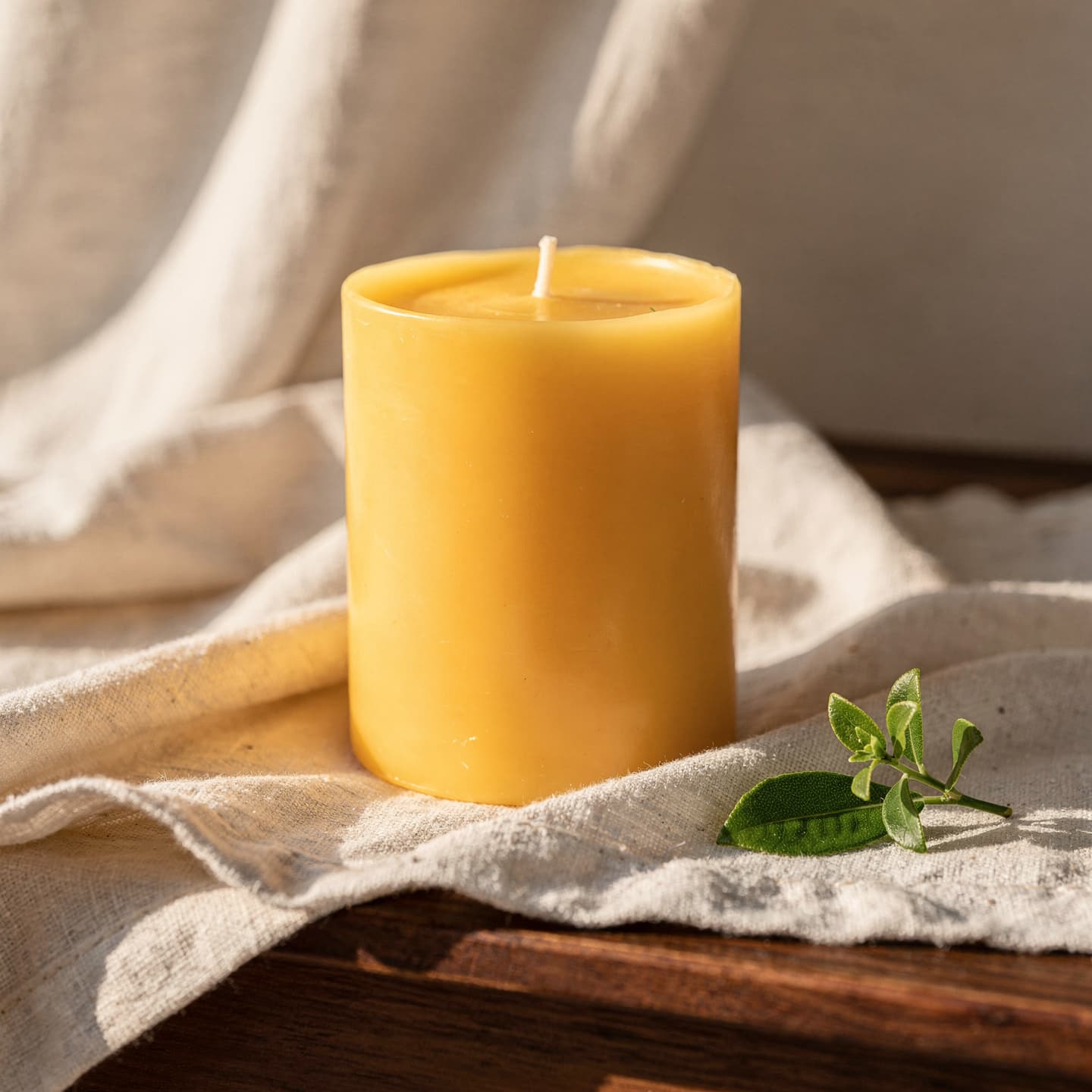
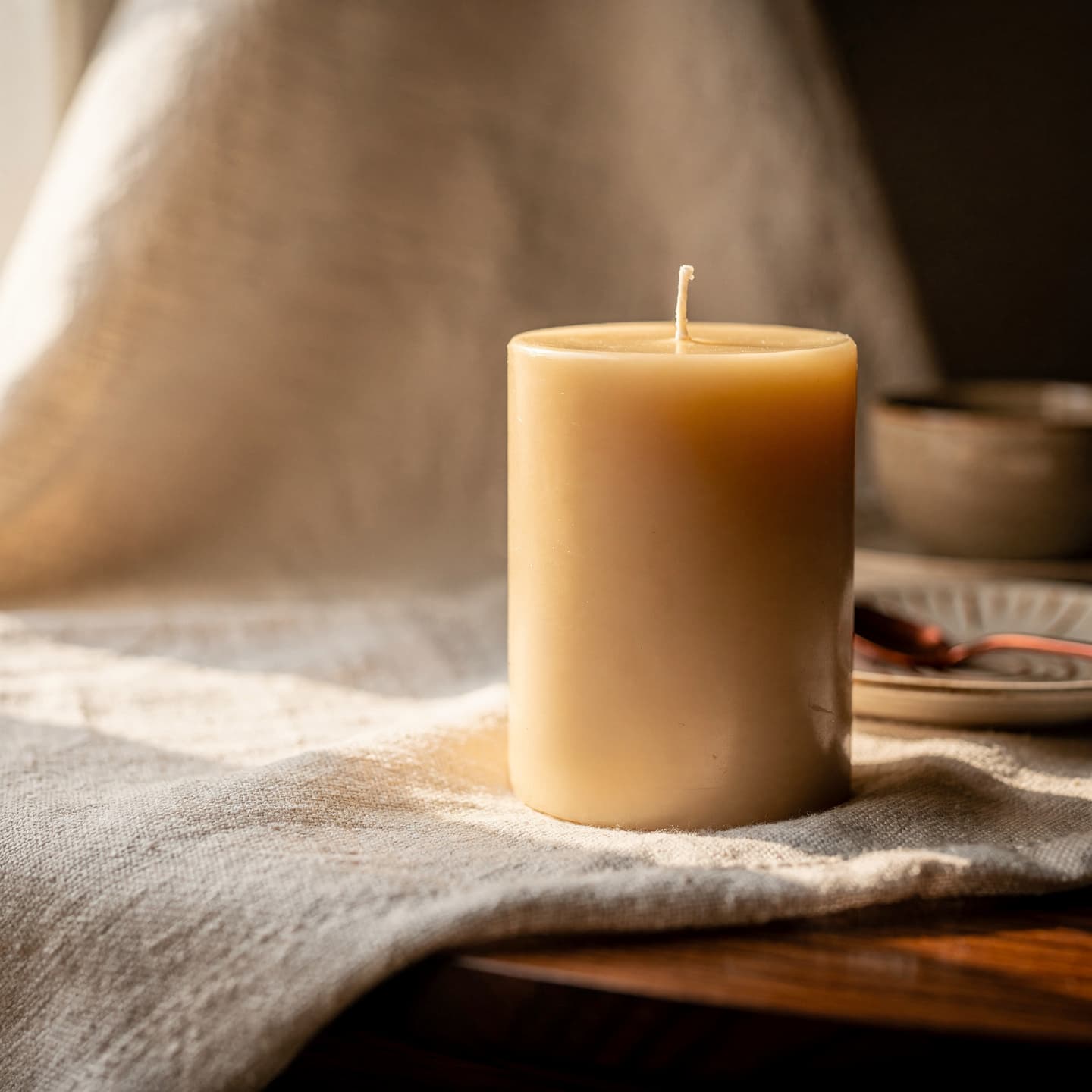
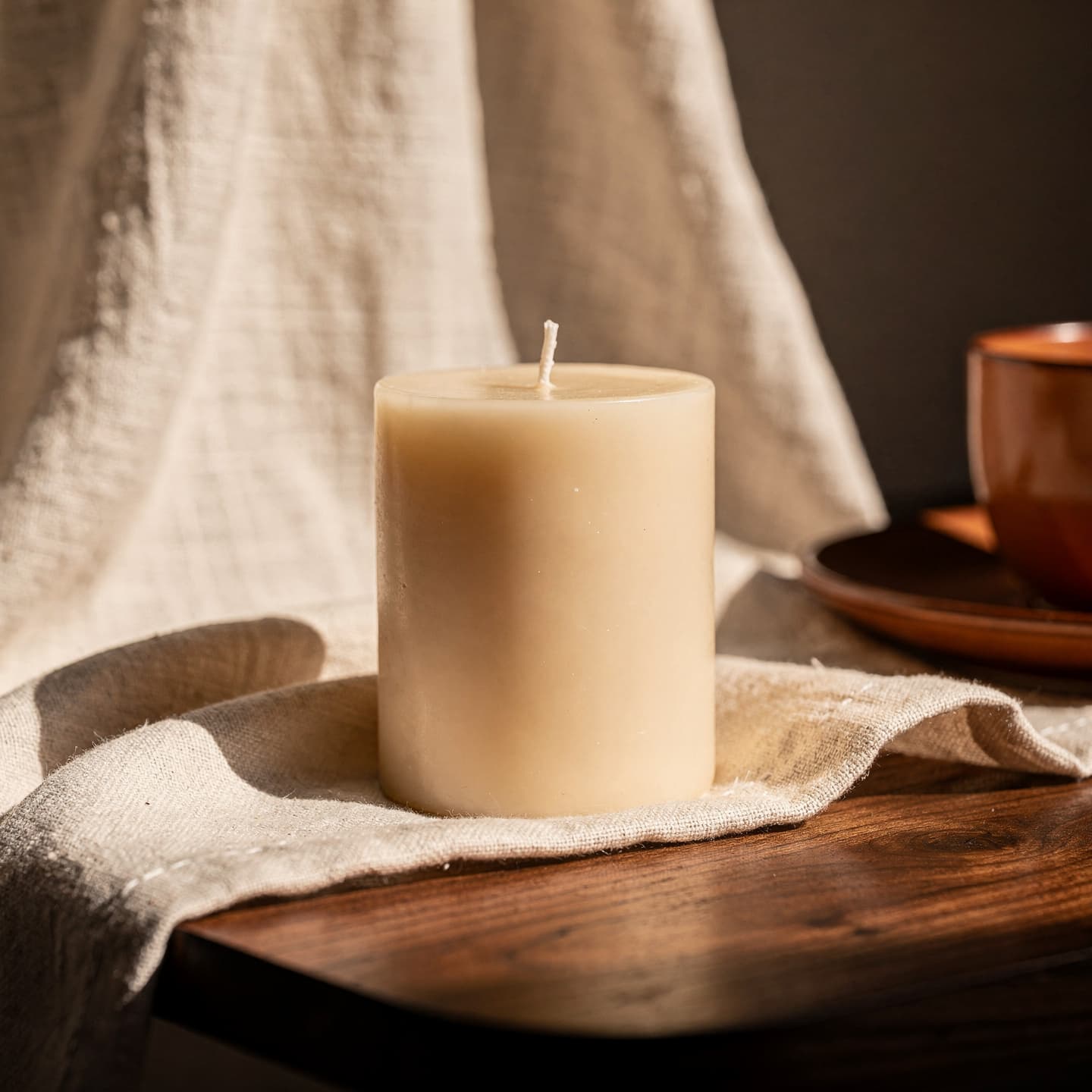
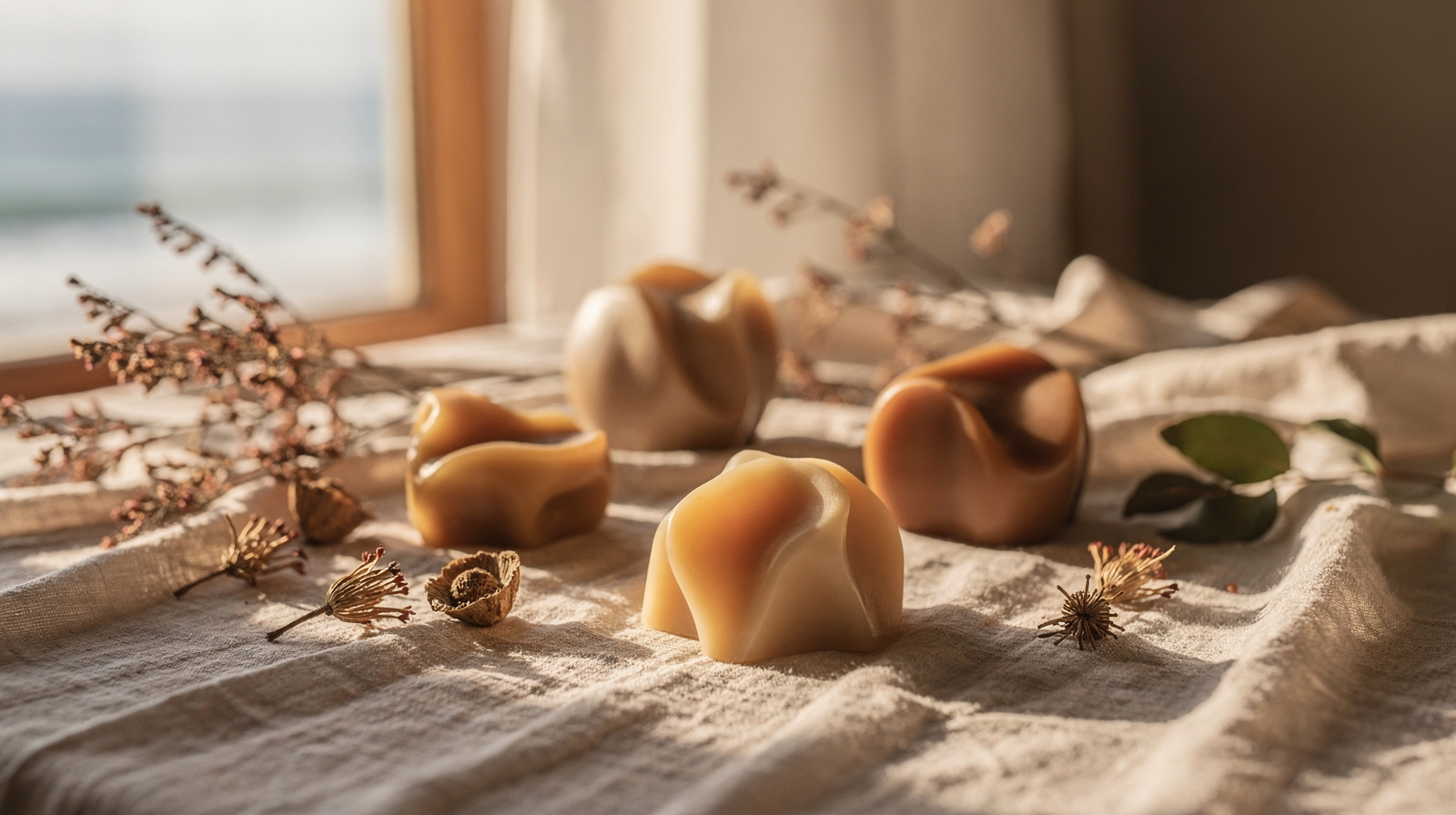
Walk into a home where fragrance feels accidental—a plug-in, a spray, something that announces itself rather than belongs. Now walk into one where scent has been considered as carefully as the paint colour or the ceramics on the shelf. The difference is immediate. In South Africa, where interior design increasingly emphasises locally made, tactile objects, wax melts have shifted from functional consumables into design pieces that earn their place on a shelf. They're not hiding in a corner; they're sitting on a table beside a book, or grouped on a bedroom dresser, their visual presence as important as what they release into the air.
Key Takeaways
- Wax melts from South African makers offer design intentionality that mass-produced alternatives lack—vessels matter as much as scent.
- A quality wax melt delivers 40–55 hours of fragrance diffusion depending on vessel and wax density, making them economical relative to competing scent methods.
- Choosing melts based on room function and existing décor transforms them from bathroom necessities into layered, considered design decisions.
The Shift From Utility to Object
Wax melts in South Africa have moved beyond their reputation as practical air fresheners. They've become what designers and makers call functional objects—things that do something (emit scent) but exist first as visual anchors in a space. This shift reflects a broader trend toward slow consumption and craft visibility: homeowners want to see what they're burning, to understand its origins, and to feel that the object itself—not just its function—deserves a place in their home.
The neuroscience supports this. When an object is visually interesting or intentional, the brain processes its scent more deeply. A wax melt in a handcrafted vessel from the Garden Route registers differently than a mass-produced equivalent from an overseas supplier. The ritual of lighting (or, with melts, placing in a warmer) becomes part of the experience, not a rushed task. In cities like Cape Town and Johannesburg, where design consciousness runs high, wax melts are increasingly chosen for rooms where guests will notice them—living rooms, bedrooms, entryways—rather than hidden away in bathrooms. This visibility demands aesthetic intention.
South African makers have responded by treating wax melts as seriously as candle vessels. The container, the wax quality, the scent composition—all three work together to create an object that functions and communicates taste.
Craft Meets Materiality: The Claudi's Approach
Not all wax melts are created equal, and the difference sits in the vessel and the wax blend. Our bamboo jar collection approaches wax melts as finished objects: the lidded jar preserves scent between burns, meaning a single melt can deliver fragrance across 40–55 hours of use, and the vessel itself—made from sustainably sourced bamboo—becomes a permanent fixture in a room, refillable across multiple seasons.
This matters practically and philosophically. A wax melt in a generic plastic container serves its function and disappears. A melt in a lidded bamboo vessel becomes something you keep, something you arrange on a shelf, something that signifies intention. From the Mossel Bay studio, we've calculated that a single bamboo jar vessel—used and refilled across two years—reduces packaging waste by approximately 60% compared to single-use plastic melt containers.
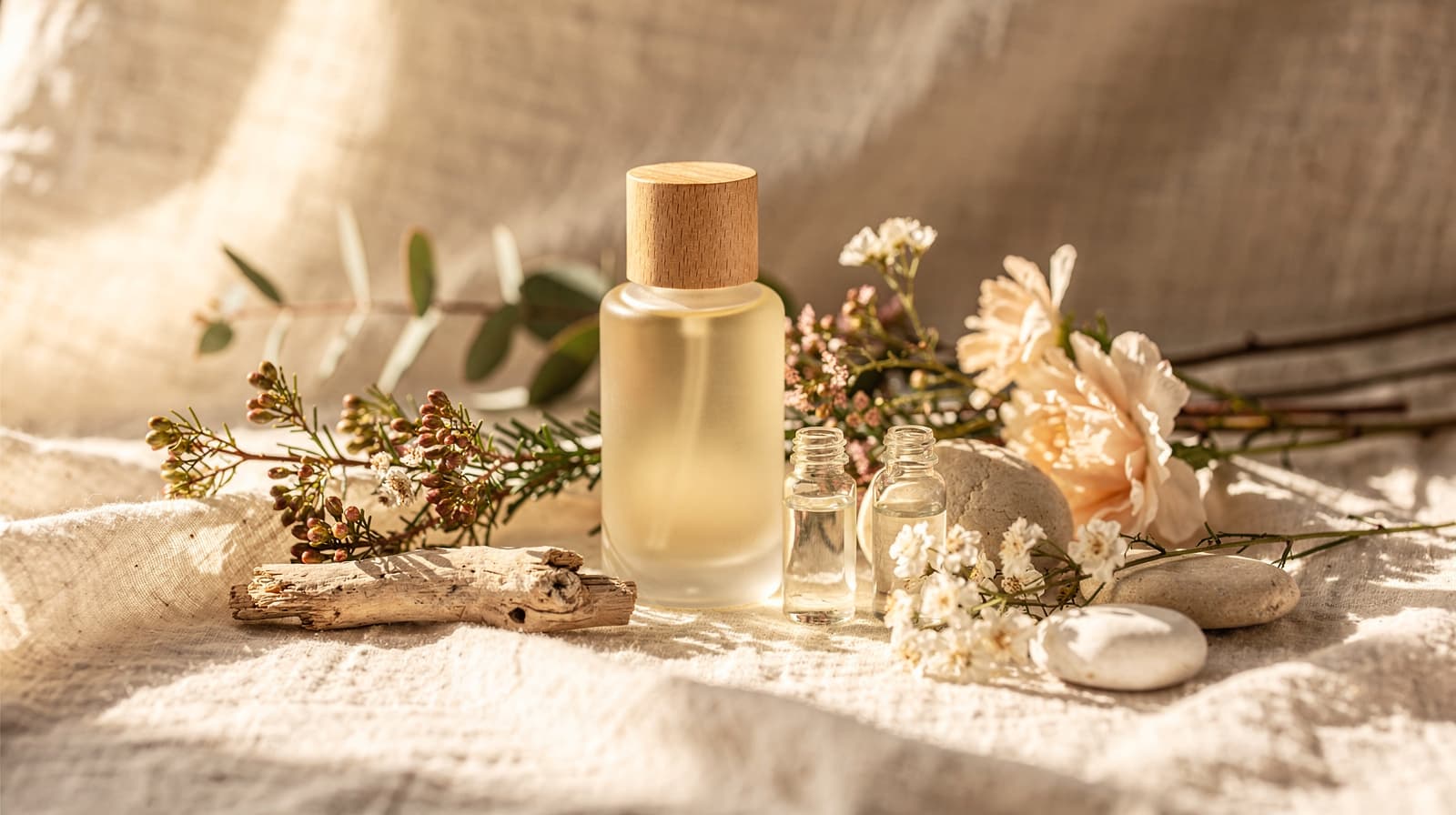
The scent families matter too. Our Gather collection carries spiced, social fragrances—cinnamon, cardamom, black pepper—scents that work in kitchens and dining spaces where they enhance rather than compete with food aromas. The Coastal collection draws on maritime freshness, suitable for bedrooms and living rooms where salt, driftwood, and ocean-facing notes don't overwhelm. Choosing a melt isn't just about fragrance preference; it's about room ecology.
Designing With Wax Melts: A Practical Framework
To integrate wax melts intentionally into your home, start by asking three questions.
First: What does this room need to communicate? A bedroom benefits from wax melts in the Coastal or seasonal collections—rotating scents that feel connected to light and time rather than constant. A living room, where guests gather, can carry more assertive fragrances from the Gather collection without feeling oppressive. An entryway sets tone, so a single, consistent scent—poured and refilled in the same vessel—creates recognition and ritual.
Second: What's the visual context? Wax melts sit alongside books, plants, textiles, and light. A modern minimalist room calls for neutral or transparent vessels; a maximalist space can hold sculptural, dark-coloured pieces. This isn't about matching; it's about conversation between objects. The vessel should feel like it belongs with what already exists.
Third: How will the scent layer with existing smells? This is where most people falter. If your kitchen already has the smell of cooking, citrus-heavy melts will clash. The Gather collection's spiced warmth complements rather than competes. If your bedroom has fresh linens, a Coastal melt enhances without overwhelming.
Use our scent quiz to move beyond generic preference and discover which fragrance families actually suit your home's sensory profile. The quiz considers room type, existing décor cues, and seasonal preference—useful intelligence before you commit to a refillable vessel.
Frequently Asked Questions
Are wax melts as effective as candles for filling a room with scent? In controlled space, yes—sometimes more so. Melts release fragrance steadily without the carbon footprint of a flame, and the vessel concentrates warmth. A melt in a lidded bamboo jar delivers scent in a medium-sized room (up to 40 square metres) consistently across its full burn time. Candles compete with the fragrance dispersal; melts focus it.
How long does a single wax melt actually last? A quality melt—particularly in a lidded vessel like our bamboo jar—delivers 40–55 hours of fragrance depending on wax density and room temperature. At typical South African indoor temperatures (22–25°C), expect closer to 50 hours. This works out to approximately 2–3 weeks of regular use (8 hours daily), making each melt economical relative to candles or plug-ins.
Can I use wax melts from local South African makers instead of imported brands? Yes, and there are material reasons to prefer it. Makers based in Mossel Bay and across the Garden Route work with regional wax suppliers, understand local climate conditions (particularly humidity and temperature fluctuation), and formulate scents that reflect South African botanical sources. The logistics are shorter, the quality feedback loop is tighter, and you're supporting craft businesses that invest in their communities rather than distant manufacturers.
Do wax melts work in hospitality settings, or are they only for homes? Wax melts excel in hospitality—boutique hotels, lodges, and guest houses use them extensively because they're functional, visually elegant, and controllable. A melt can establish signature scent across multiple rooms without overwhelming shared spaces. If you're outfitting a small hotel or Airbnb, our hospitality trade programme offers custom vessel options, minimum order flexibility, and refill systems designed for multi-guest environments.
Design With Intention
The homes that feel most considered are the ones where every object—whether functional or decorative—carries intention. Wax melts have entered that category. They're no longer necessities hidden from view; they're pieces of your room's sensory design, visible reminders that you've thought about how a space should feel.
In Mossel Bay, where we pour each batch by hand, wax melts begin as considered choices: which wax density, which vessel, which scent family for which season. That consideration carries through to your home. Explore our bamboo jar collection—each vessel is refillable, built to last, and designed to belong on the shelf you actually want to display it on. Start with our scent quiz to find the fragrance that suits your room's ecology, then choose a vessel that feels intentional. That's when wax melts stop being consumables and become part of how your home communicates.
Studio notes, August 2026 — Claudi's Studio, Mossel Bay.