How Scent Shapes Interior Space: A South African Guide to Olfactory Design
Room fragrance is interior design. Learn how scent layering, vessel choice, and seasonal shifts define space in South African homes.
By Claudi·Poured in Mossel Bay, Western Cape
A room speaks through sight first. But the moment a guest crosses the threshold, the air speaks too. In South African homes—from the Cape's coastal cottages to the Karoo's stretched horizons—room fragrance has become as intentional as paint colour or furniture placement. It is no longer an afterthought, a spray masked as freshness. It is a design decision. The difference between a space that feels like a house and one that feels like home often lives in the invisible layer we inhabit before we see it.
Key Takeaways
- Room fragrance as design element: Scent should complement your interior's aesthetic and function, not compete with it. A coastal space demands a different olfactory language than a warm, formal interior.
- Burn time and vessel matter: A 40–55 hour burn in a lidded jar preserves scent integrity across multiple burns and extends the life of your investment—critical in South African heat and light.
- Seasonal layering works: Spring and summer call for fresh, maritime scents; winter rewards deeper, resinous botanicals. Switching with the season is as natural as changing soft furnishings.
The Architecture of Scent in Interior Space
Room fragrance in South Africa is not decorative—it is spatial. The way a scent moves through a room depends on air flow, room volume, and the fragrance's molecular weight. A coastal room in Mossel Bay, where salt air already shapes the atmosphere, needs a different fragrance strategy than an inland Manor-style space.
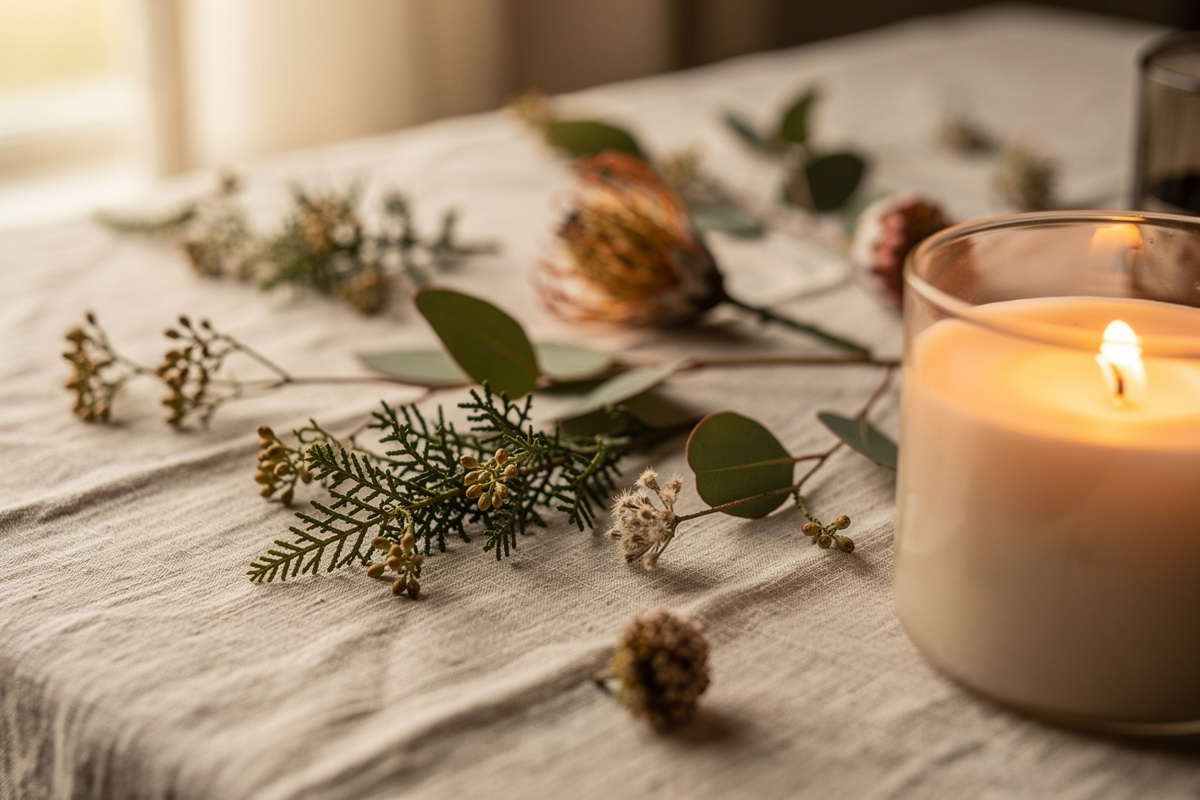
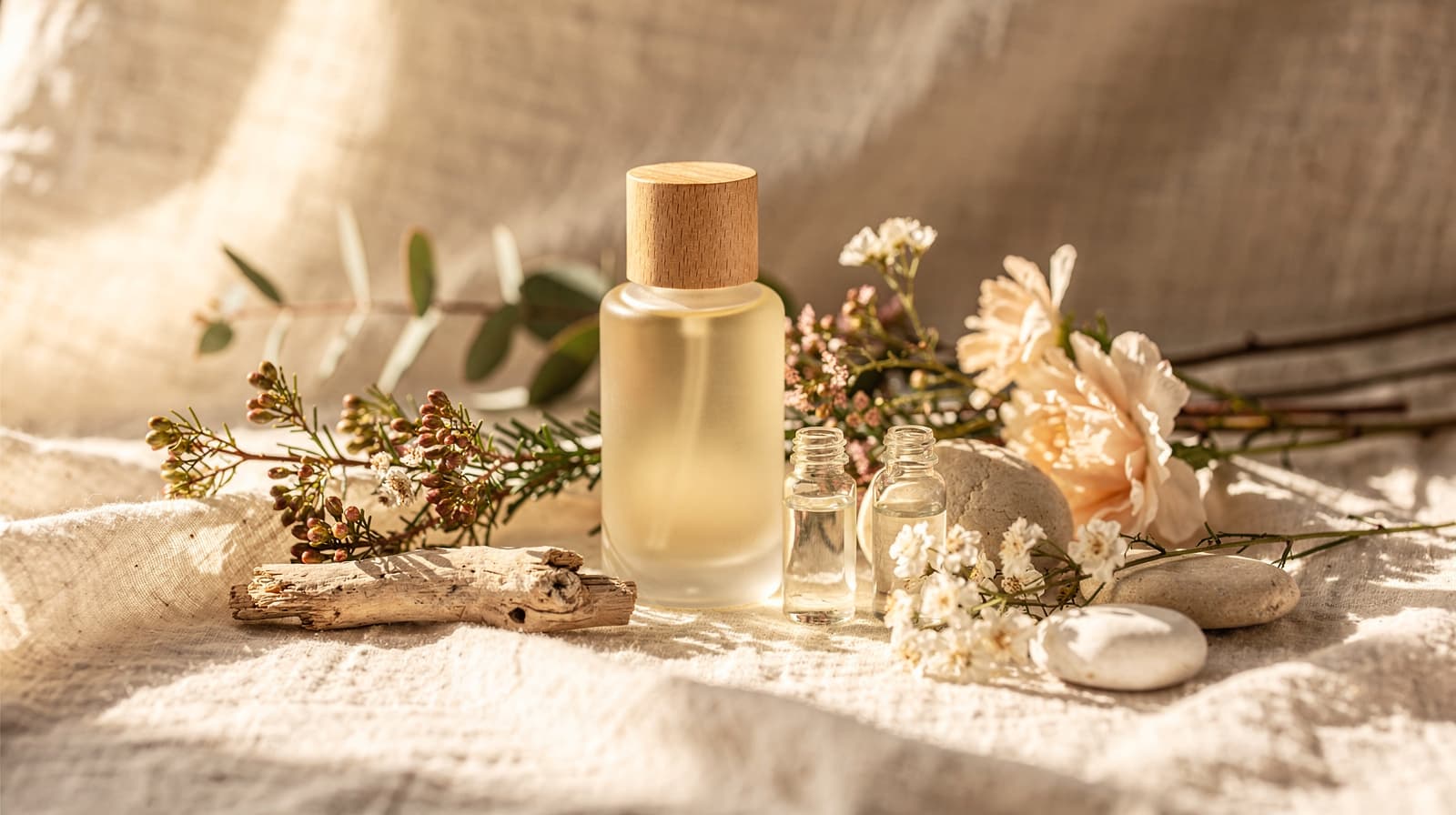
Neuroscience tells us that scent bypasses the thalamus and goes directly to the amygdala and hippocampus—the emotional and memory centres of the brain. This means a room fragrance doesn't just smell pleasant; it rewires how occupants feel in that space. A Fynbos-scented room carries the resinous weight of mountain botanicals. It slows breathing. It signals sanctuary. A Coastal fragrance—marine, bright, with citrus backbone—lifts the ceiling psychologically. It opens the room.
The South African interior design movement has increasingly rejected generic fragrance as clutter. What works is specificity: a scent that belongs to the room's geography, season, and function. A holiday rental in the Garden Route doesn't need to smell like artificial lavender from a mass-market supplier. It needs to smell like itself—like the fynbos outside, like the coastal wind, like the particular light that moves across the floorboards at 4 p.m.
This is where intentional room fragrance begins: asking what your space is, not what it should smell like.
Vessel, Burn, and Longevity: The Craft Side of Room Fragrance
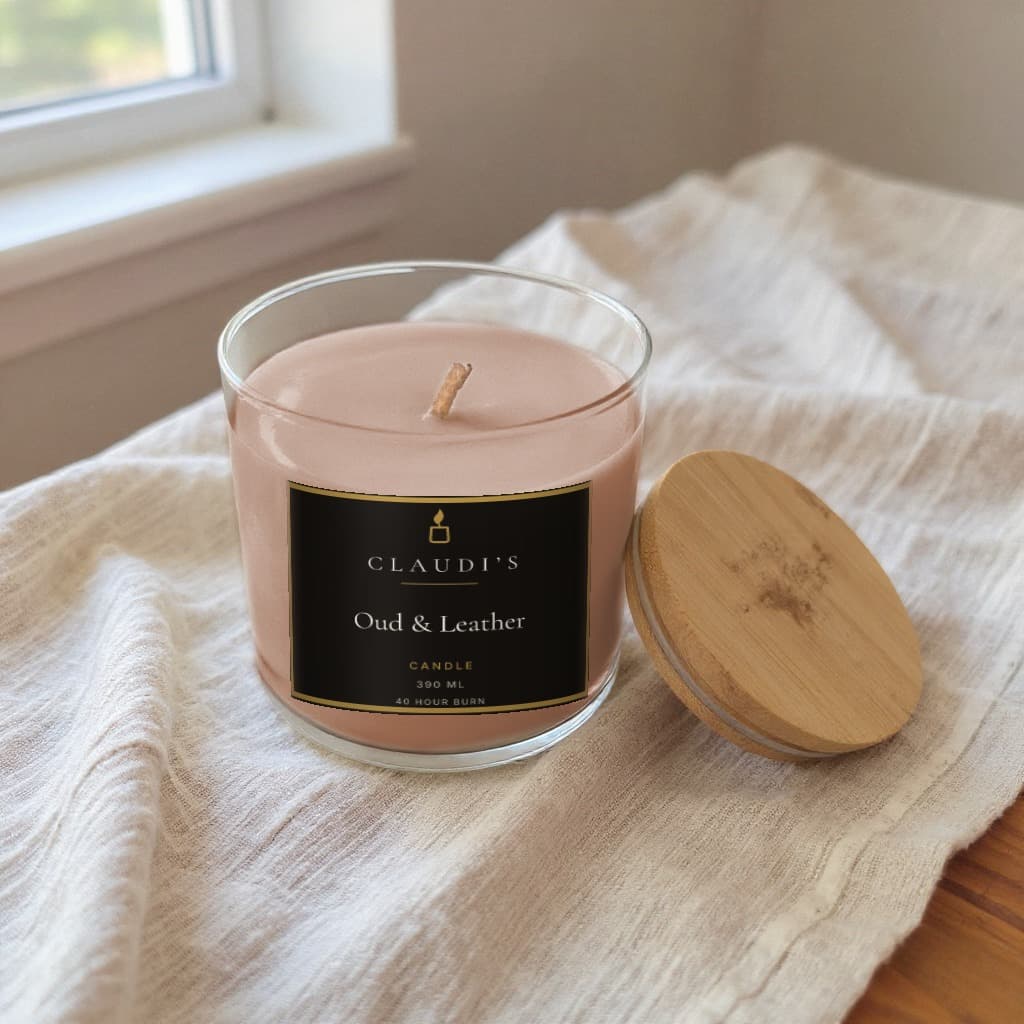
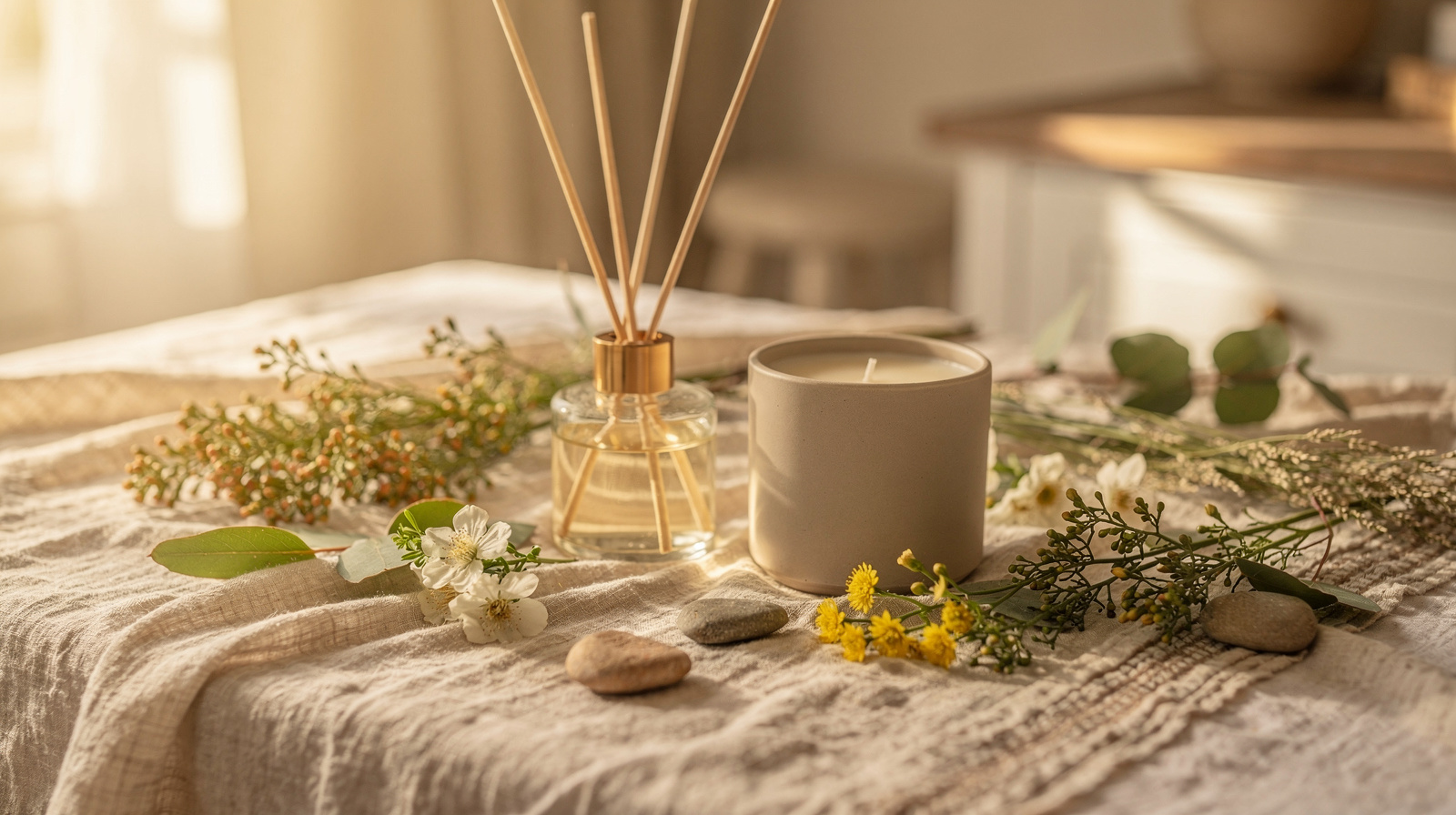
A scent lives longer in the right container. This is not marketing language—it is material fact. Our Premium Bamboo jar is lidded, which preserves the fragrance between burns and extends the total burn time to 40–55 hours. In South African summer heat, where UV light and temperature fluctuation degrade fragrance molecules, a lidded vessel is not luxury; it is stewardship.
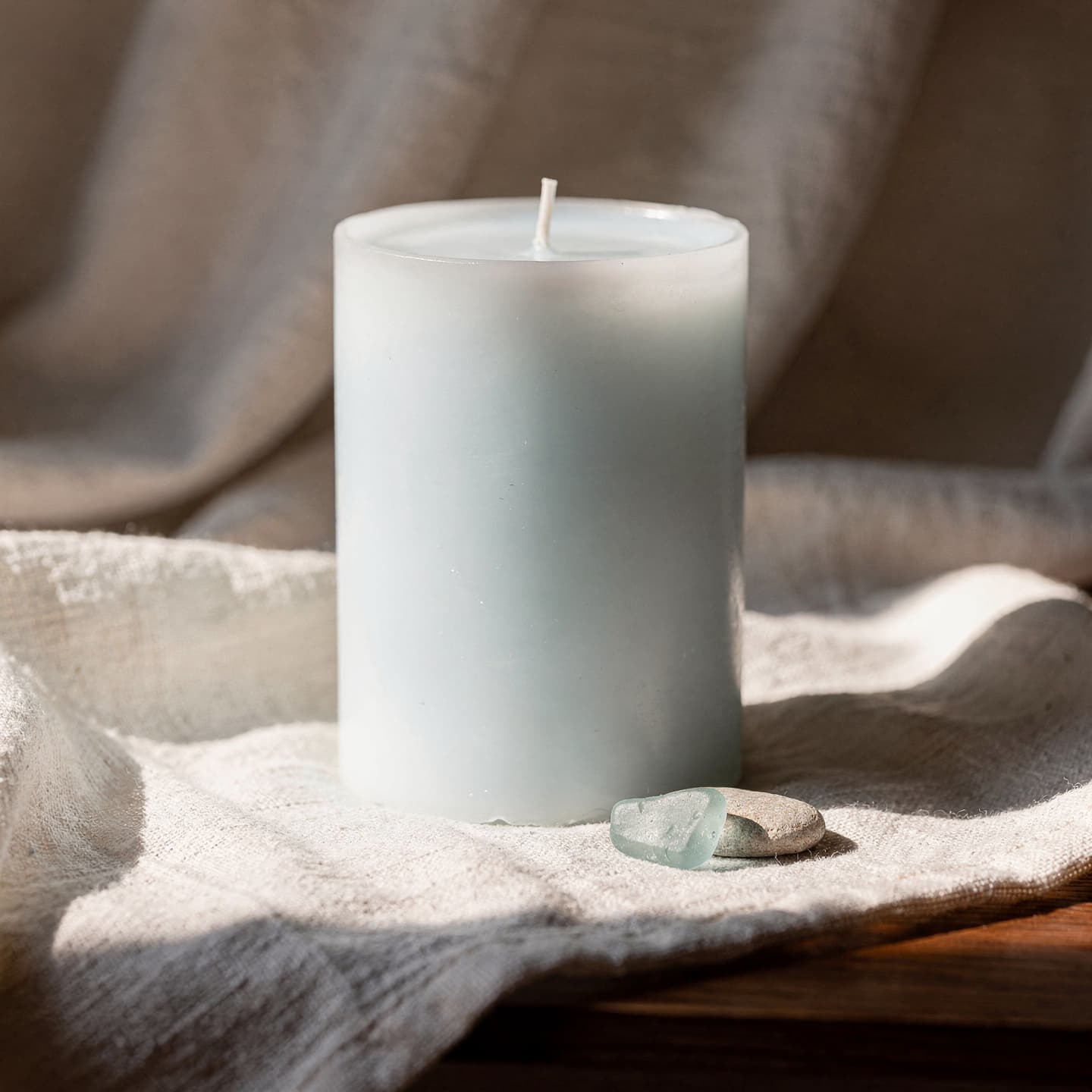
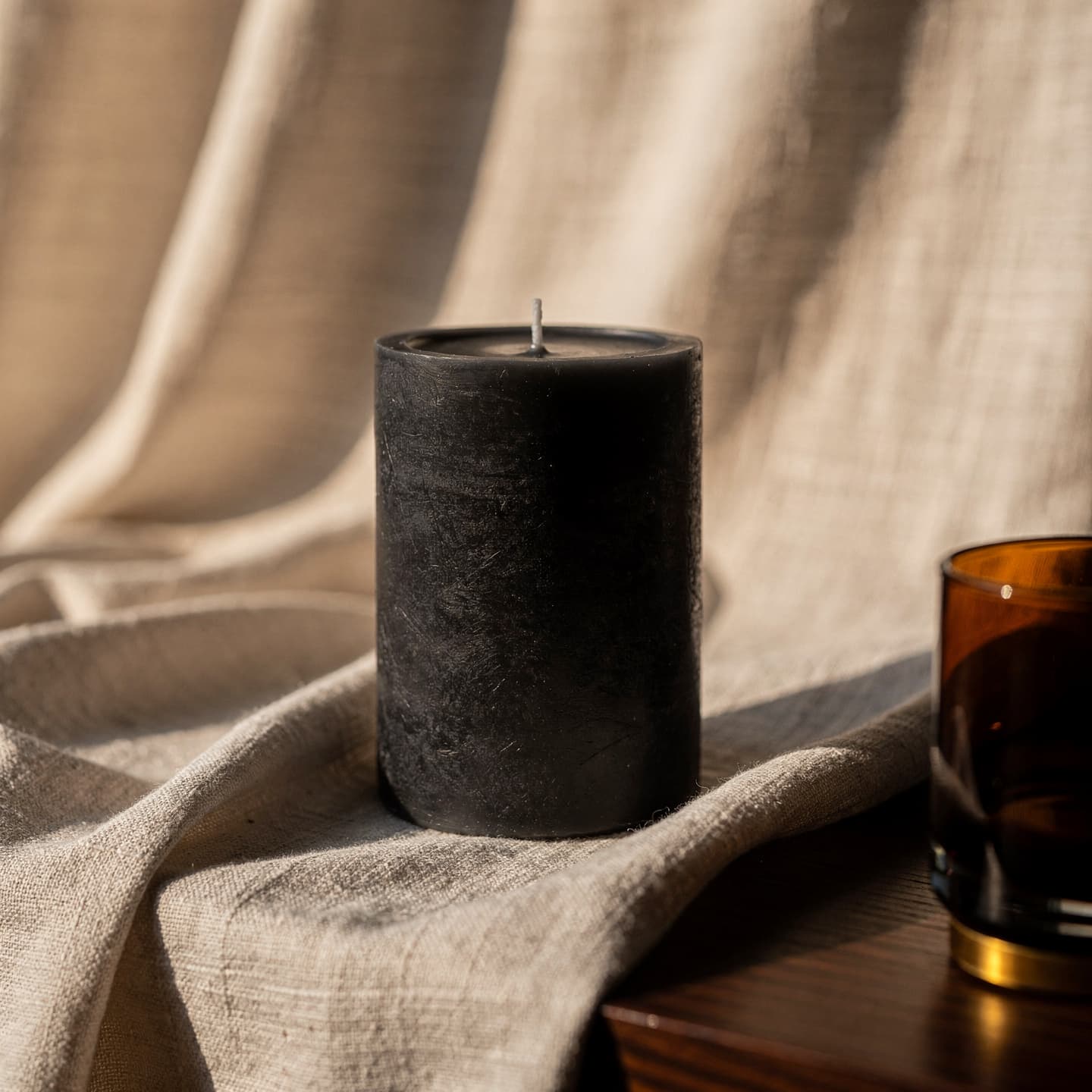
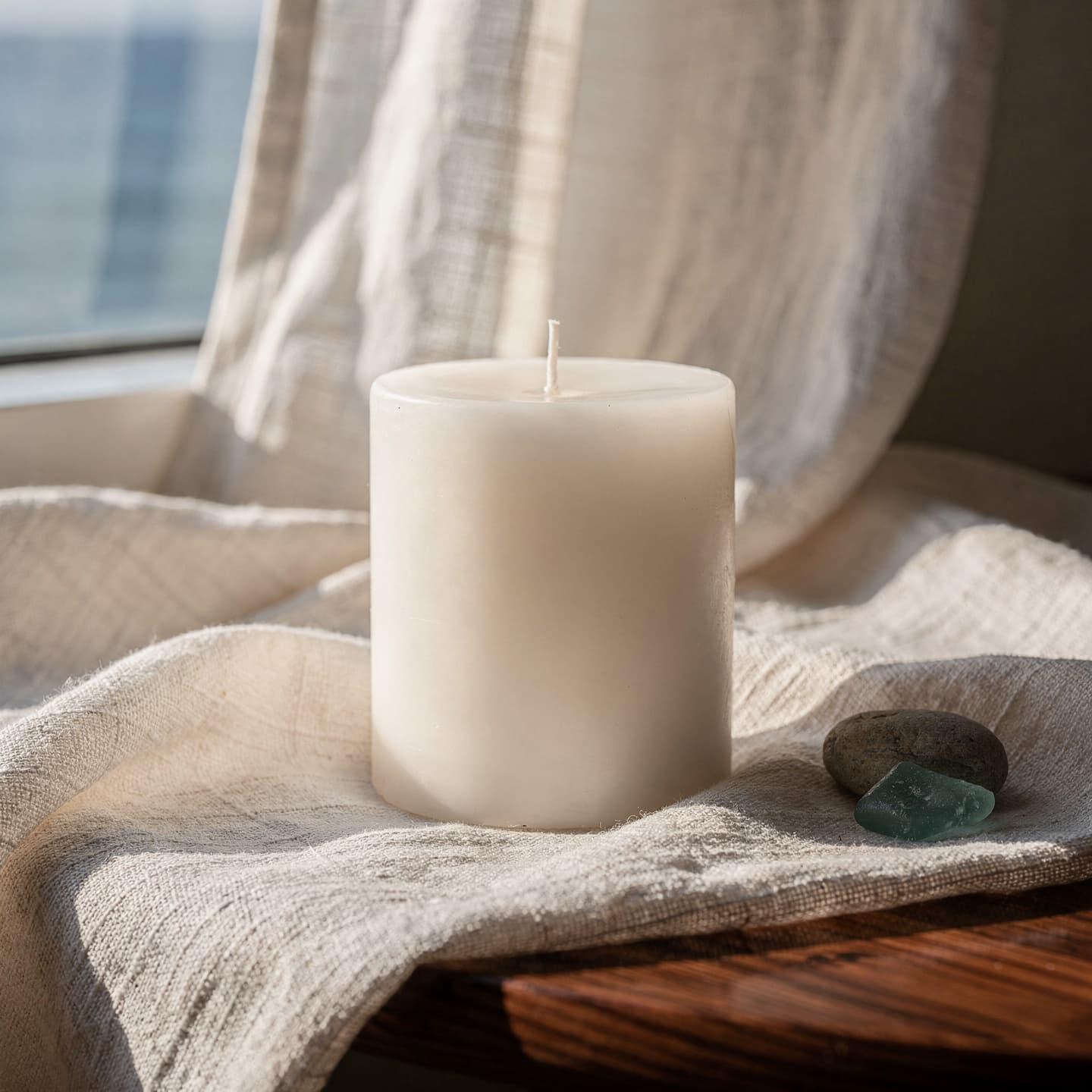
The vessel itself shapes how the fragrance moves. A tumbler candle, with its wider opening, releases scent more generously into a smaller room. A pillar candle—poured in the studio as a sculptural object—anchors a tabletscape or mantelpiece while releasing scent gradually, formally. Each form has its place.
Room fragrance design also considers what happens after the candle burns. A vessel kept on the shelf becomes part of the interior's visual language. Claudi's tumblers and bamboo jars are designed to earn their place in a room after the scent is gone. This matters. It means your investment doesn't disappear into landfill; it becomes glassware, a small object with presence.
When you choose a room fragrance for a South African home, you are also choosing how long that scent will accompany you, how its container will age, and what remains when the flame dies.
Matching Scent to Room Function and Season
The most common mistake is treating room fragrance as a single choice. A guest bedroom needs different olfactory work than a kitchen or a study. A kitchen, where cooking scents already occupy the air, requires a fragrance strong enough to dialogue with food aromas without competing. Our Gather collection—spiced, warm, social—works here because it echoes the room's purpose.
A bedroom, by contrast, needs restraint. A scent that whispers rather than announces. Fynbos botanicals—resinous, grounding, with subtle herbal depth—belong in this space. They do not stimulate; they settle.
South African seasons also demand response. Spring and early summer (August–September) reward fresh, maritime room fragrances. The Coastal collection is designed for this shift—lighter molecules that don't compete with open windows and cross-ventilation. By winter, when homes close inward and interiors deepen, a Manor collection scent—formal, warm, with woody undertones—feels like an extension of the season itself.
Using the scent quiz helps you map this landscape. It asks not just what you like, but how you live. This distinction matters. You might love the smell of ocean spray in isolation, but does it work in your dining room? Does it persist through the afternoon light? Will it still feel right in June?
Frequently Asked Questions
How much room fragrance do I need for a large open-plan space? Open-plan rooms in South African homes often exceed 60 square metres. A single tumbler candle (35–45 hour burn) works for up to 30 square metres. For larger spaces, layer two fragrances—perhaps a Coastal scent in the living area and a Gather scent anchoring the kitchen boundary. This creates visual rhythm and olfactory zones.
Does room fragrance fade faster in South African summer? Yes. UV light and heat accelerate the evaporation of fragrance molecules. A lidded bamboo jar mitigates this significantly—the lid seals between burns and can extend effective scent life by 15–20%. Without a lid, expect faster degradation, particularly in north-facing rooms or near windows.
Can I use the same room fragrance year-round? Technically, yes. But it will feel wrong. A heavy, resinous Manor scent in December feels like you are fighting the season. Seasonal switching—two or three fragrances rotated through the year—is how the studio approaches it. You keep the space aligned with its geography and climate, not at odds with it.
What if I want to customize a room fragrance as a gift? Use the custom label builder to personalize a tumbler or bamboo jar with a recipient's name, date, or message. This transforms a room fragrance into a considered gift—one that speaks to how they live, not just what they like. It works particularly well for housewarming gifts or hospitality occasions.
A Deliberate Approach to Interior Fragrance
Room fragrance in South Africa has matured. It is no longer about covering smells or filling silence. It is about intention—choosing a scent that belongs to your space, your season, and your way of living. A coastal home near Mossel Bay might rotate between fresh Coastal fragrances in summer and deeper Fynbos scents by autumn. A formal interior reaches for Manor year-round, letting warmth and formality anchor the room's character.
The craft of room fragrance design begins with asking one question: what does this space need to feel like? Once you know that, the scent follows. From the studio in Mossel Bay, we have learned that the most considered room fragrances are never generic. They are specific to place, season, and the people who inhabit the room. This is how a candle becomes part of a home's architecture.
Fragrance notes, August 2026 — Claudi's Studio, Mossel Bay.