South African Craft: Why Where Your Candles Are Made Matters
Locally produced fragrance in Mossel Bay combines botanical sourcing with hand-poured precision—a choice that shapes both scent and story.
By Claudi·Poured in Mossel Bay, Western Cape
There is a difference between a candle that happens to be made in South Africa and one built into South African craft from first principle. The distinction matters more than most buyers realise—not because of patriotism, but because proximity to raw material, understanding of local climate, and seasonal botanical knowledge shape the actual fragrance in the vessel. A candle poured in a studio overlooking the Mossel Bay coastline arrives at a different scent philosophy than one formulated thousands of kilometres away and assembled here. The choice of where a candle is made is a choice about what the candle can become.
Key Takeaways
- South African made candles sourced and poured locally reduce supply-chain delays and allow real-time adjustment to seasonal botanical availability, particularly in the Fynbos regions of the Garden Route.
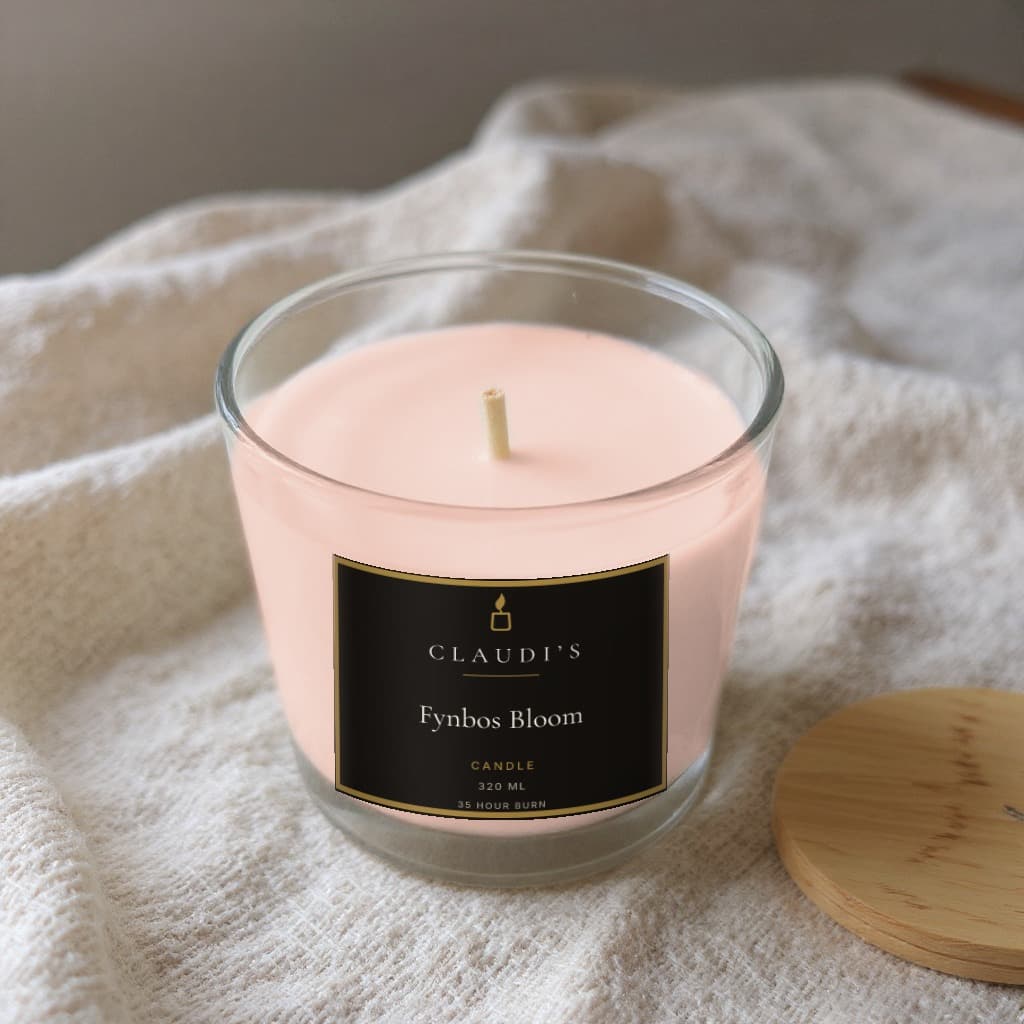
- Hand-poured tumbler candles burn for 35–45 hours when made in-studio using locally calibrated wax ratios, a precision harder to achieve across international supply chains.
- Choosing locally produced candles supports a craft economy where the founder and studio team remain embedded in the source landscape—critical for scent integrity and accountability.
The Geography of Fragrance
South African made candles aren't a marketing category—they're a logistics reality that changes what's possible in the vessel. When a candle studio sits in Mossel Bay, the botanical calendar becomes immediate. Fynbos flowers in spring (August–September locally); coastal salt spray carries different olfactory weight in winter; the specific humidity of the Garden Route affects how fragrance diffuses through wax. These are not sentimental details. They are practical constraints that shape formulation.
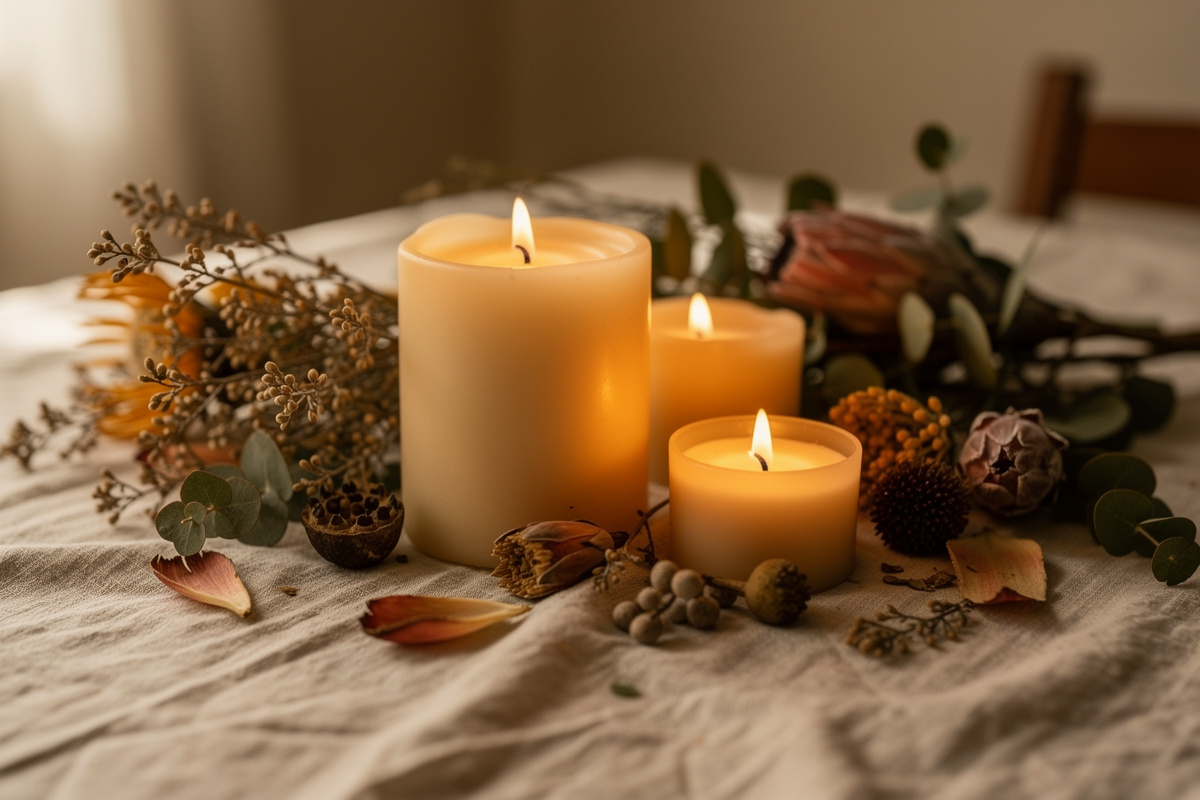
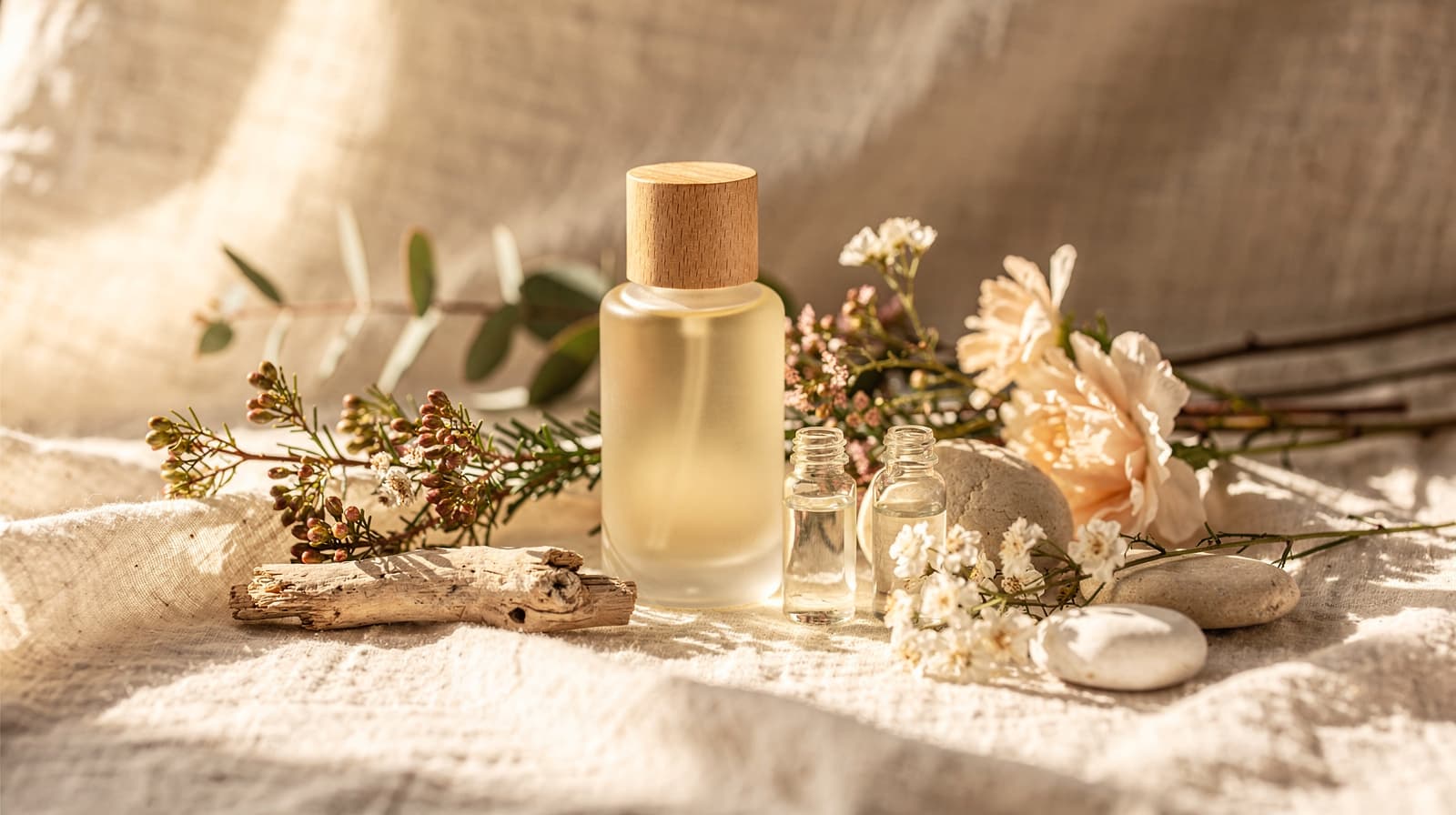
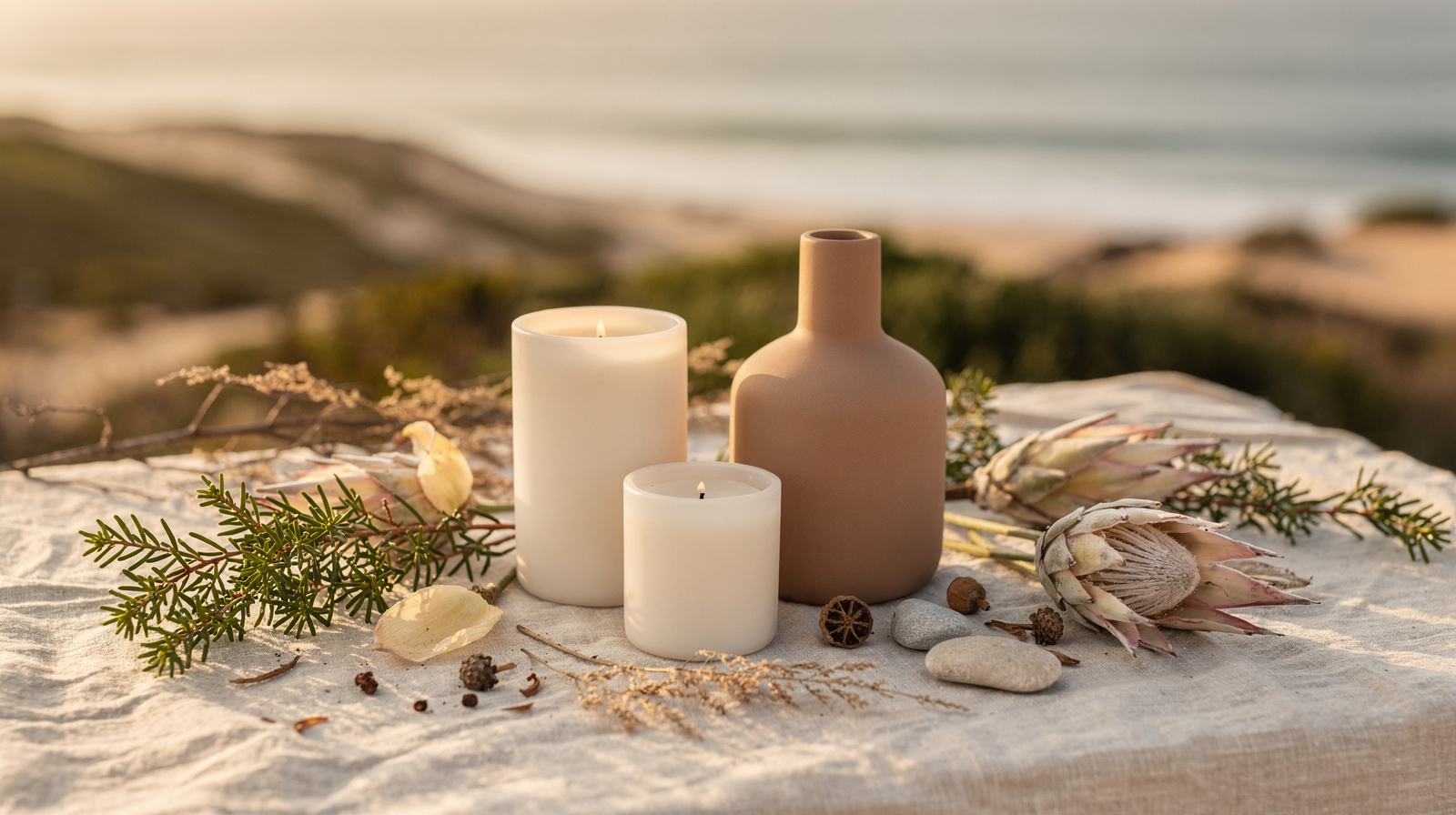
A studio operating across continents must predict scent trends months ahead and commit wax, fragrance oils, and vessels to warehouses in advance. A studio poured daily in one location can respond to what's in season, what the local air carries, and what the landscape itself is producing. This is why our Fynbos collection draws directly from resinous plants found within 50 kilometres of the studio—protea, erica, wild almond. It's not heritage marketing. It's the only way the scent can be authentic without translation.
The practical result: South African made candles in small batches allow for botanical precision that larger, geographically dispersed production cannot match. Each pour is tested against the local climate. Burn times are calibrated to the humidity in the studio on the day the batch is poured. When something shifts—a shipment of wax arrives slightly different, or spring humidity spikes—the formulation adjusts in real time, not three months later.
Precision and Accountability in the Studio
Hand-poured candles made locally carry a different kind of accountability. When the founder and the person pouring the candle are in the same room, often in the same building, quality becomes non-negotiable. There is nowhere to hide a substandard batch in a small studio.
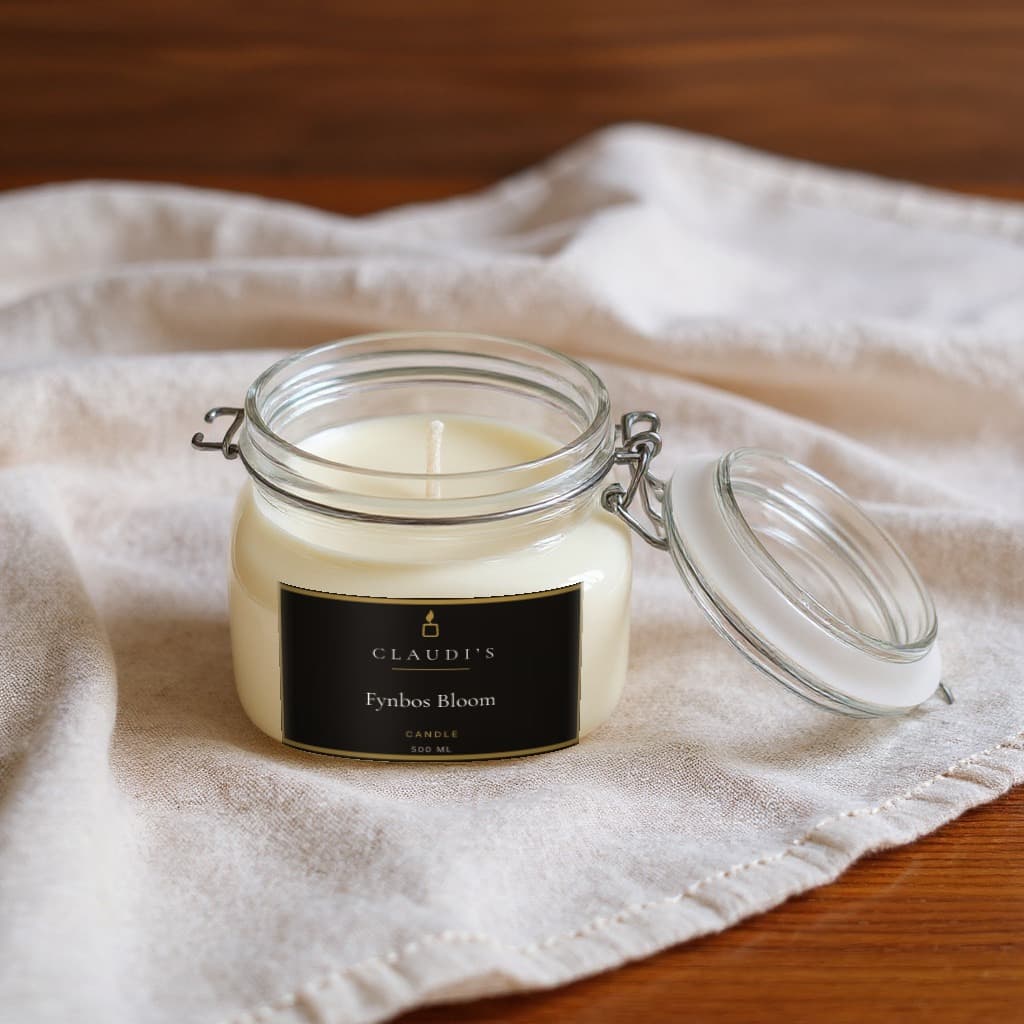
Our tumbler candles are poured in the Mossel Bay studio on a weekly cycle. Each batch begins with the same principle: wax weight, fragrance ratio, wick diameter, cooling time. But because they're poured here—not in a factory thousands of kilometres away—the studio team knows immediately if humidity or temperature has shifted the burn profile. A 35–45 hour burn time is not a theoretical claim; it's tested in this room, under these conditions, by the person who will speak to you if something goes wrong.
This accountability extends to scent families. The Coastal collection exists because the studio opens onto the Indian Ocean. The Manor collection draws from the formal landscape logic of the Garden Route's historic estates. These aren't fragrances designed in focus groups and assigned to regions. They're born from place, poured in place, and refined by the people living in that place. That coherence—between landscape, formulation, and the person making it—is what South African made actually means when it matters.
How to Choose a Locally Made Candle
The question isn't whether to buy South African made—it's which candle and why. Two practical filters help clarify the choice.
First, trace the sourcing. Not every candle made in South Africa uses South African materials or knowledge. Look for studios that source botanicals regionally (Fynbos, Garden Route herbs, coastal salt notes) and can name where those plants come from. Our scent quiz helps you match your preference to a collection built on actual local materials—whether you're drawn to fresh, maritime Coastal, or the resinous botanical depth of Fynbos.
Second, consider the burn profile and vessel longevity. A locally made candle in a quality vessel—like our bamboo jar with a 40–55 hour burn—is an investment in repeated use. The vessel becomes a keeper. The burn time reflects local testing and real humidity conditions. A tumbler candle poured in the studio carries a 45-hour burn guarantee because it's been tested in this room, under these exact conditions. That specificity only happens when making happens locally.
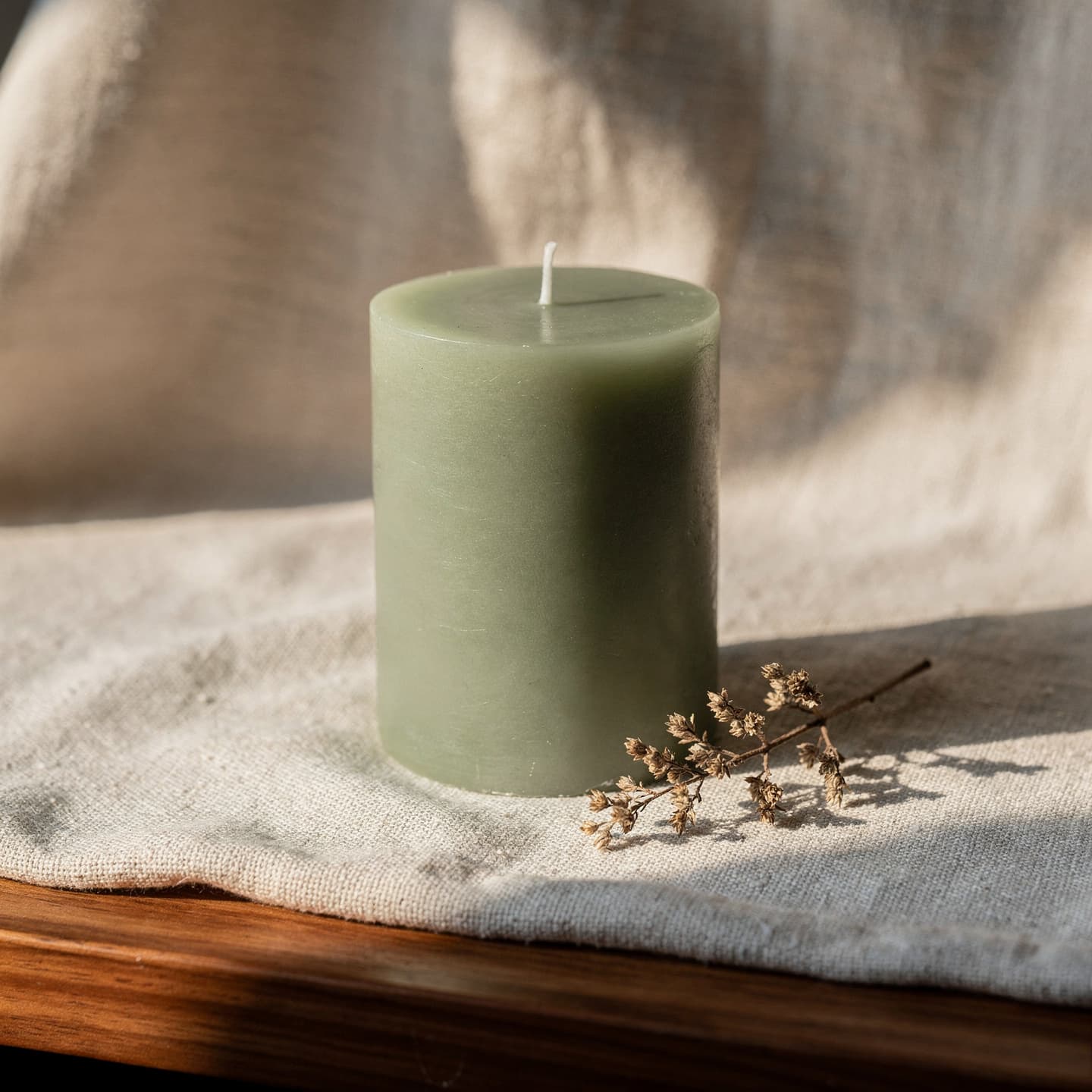
For hospitality buyers and event planners, this precision matters even more. A hotel or wedding venue ordering pillar candles from a local studio knows that delivery, adjustment, and accountability happen in the same timezone. The studio team can advise on burn rates for your specific climate and space. That's a conversation you can't have with overseas production.
Frequently Asked Questions
What makes a candle "South African made" as opposed to just assembled here? A truly South African made candle sources materials locally (botanicals, wax, vessels), is formulated by someone embedded in the local landscape, and is poured or finished in a South African studio. Ours are conceived, formulated, tested, and poured in the Mossel Bay studio—not manufactured overseas and packaged here.
Are locally made candles more expensive than imported alternatives? Often yes, because hand-pouring, small-batch production, and quality testing cost more than factory scale. But the vessel lasts after the candle burns out (our tumblers become desk organizers; our bamboo jars hold treasures), and the burn time is verified, not estimated. The actual cost per hour of fragrance is competitive when you factor in longevity and reuse.
Can I order custom South African made candles for an event or gift? Yes. Our custom label builder lets you personalise a tumbler or bamboo jar with your own design, text, or branding. For weddings, events, or corporate orders, the studio team works directly with you on volume, timing, and scent selection. Reach out through weddings or corporate gifting to discuss lead times and minimums.
How do I know the studio actually controls the quality if it's small? Small production is the guarantee. The founder and team pour candles weekly in one location, test every batch, and adjust formulation based on local conditions. There's no distant factory; there's no inventory backlog masking problems. If you email the studio about a burn issue, the person who poured your candle can usually recall the batch and its conditions.
Buying South African made fragrance means choosing proximity—between maker and material, between landscape and scent, between intention and outcome. It means a candle that responds to the season it was poured in, vessels that earn a second life after the wax burns down, and accountability that doesn't require a customer service department. From the Mossel Bay studio, this is how candles arrive at integrity. Start by exploring our scent collections or visit the studio itself—the location, the light, and the coastline visibility are part of what the candles carry forward.
Studio notes, August 2026 — Claudi's Studio, Mossel Bay.