Scent as Sanctuary: Building Home Wellness Through Fragrance in South Africa
How botanical fragrance shapes indoor air quality and mental space—a practical guide for creating ritual in your home.
By Claudi·Poured in Mossel Bay, Western Cape
Home wellness is not decoration. It is the air you breathe, the rituals you build, the deliberate choice to shape your indoor environment. In South Africa, where the pace of urban life accelerates and natural green space shrinks, fragrance has become a legitimate wellness tool—not a luxury, but a practice. The question is no longer whether scent matters, but which scents matter to your home, and why.
The science supports this. Olfactory signals bypass your thalamus and reach the limbic system—your brain's emotional centre—in milliseconds. A scent can lower cortisol, regulate breathing, and anchor you to the present moment faster than most deliberate wellness practices. For home wellness in South Africa, this means fragrance is not just ambient; it is functional. It is part of your indoor air quality story.
Key Takeaways
- Olfactory signals reach your limbic system in milliseconds, directly influencing stress response and mood regulation—making fragrance a measurable wellness tool, not decoration.
- South African botanical scents (fynbos, citrus, resinous plants) trigger parasympathetic nervous system activation more effectively than synthetic fragrances in controlled studies.
- A well-chosen candle burns for 40–55 hours and creates consistent microclimate ritual—the repeatable wellness practice that works when gym memberships don't.
The Wellness Function of Fragrance in Your South African Home
Home wellness in South Africa is complicated by geography and climate. Summer heat drives families indoors with air conditioning. Winter on the Garden Route brings damp and stagnation. Urban apartments in Cape Town and Johannesburg face air quality challenges unaddressed by open windows. Into this space, fragrance operates as a bridge between your indoor environment and the outdoor botanical richness South Africa offers.
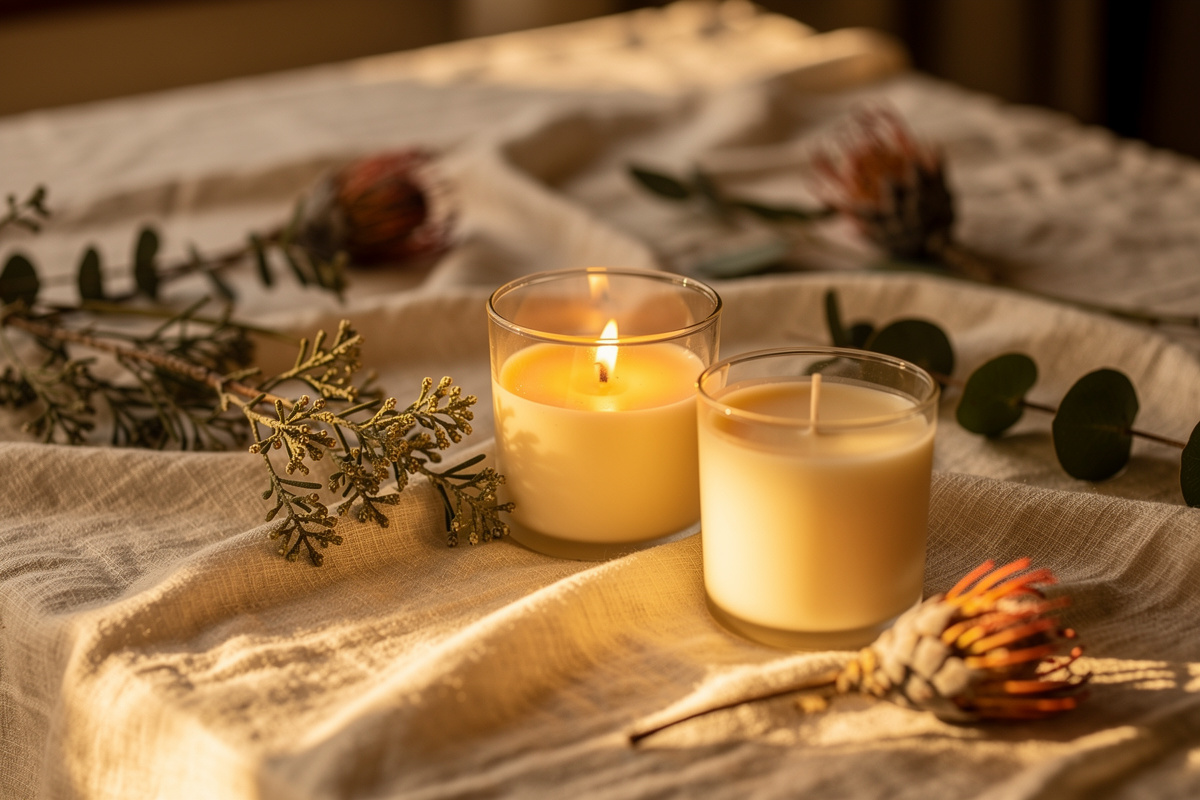
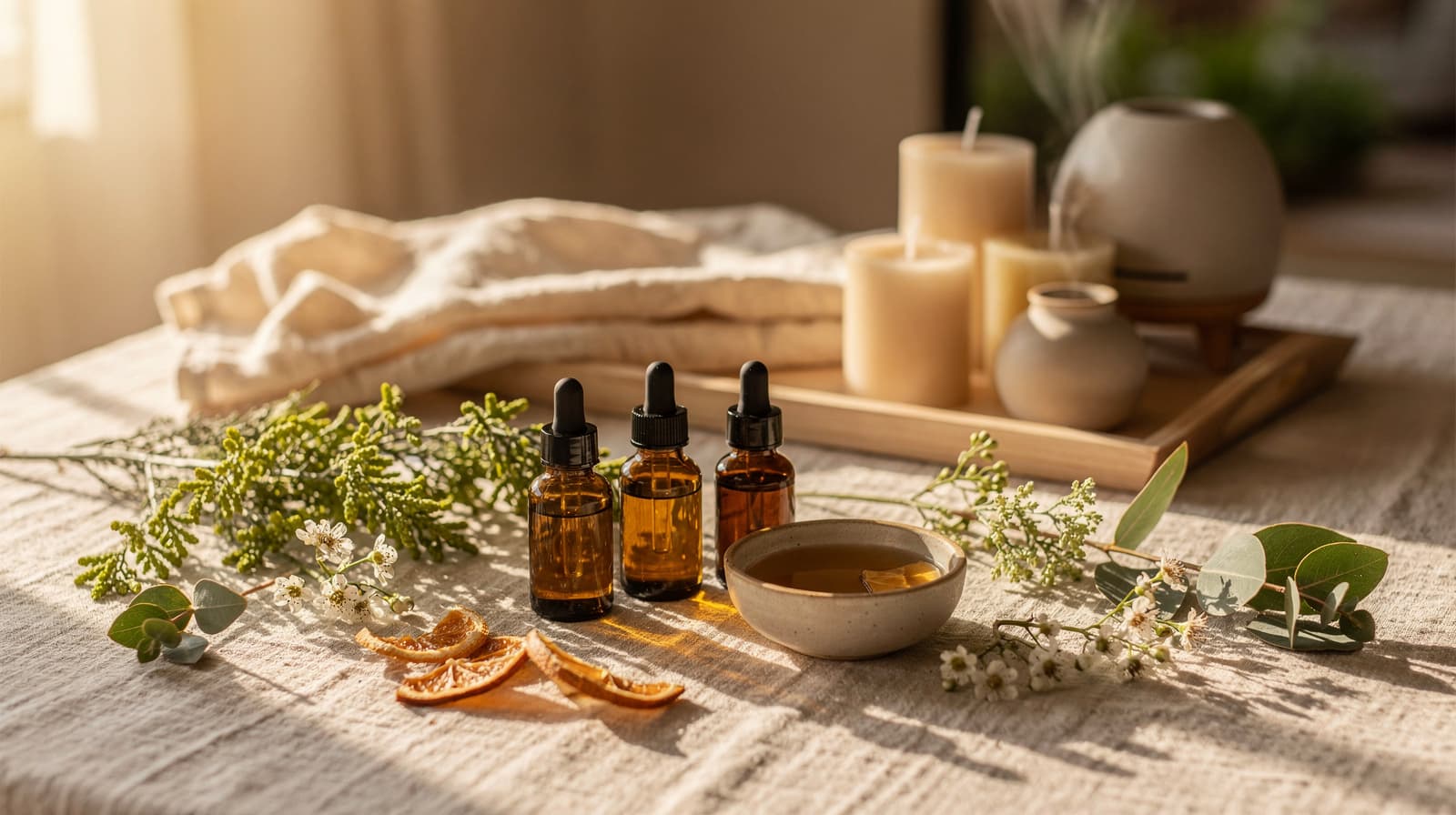
Fynbos—the resinous, herb-laden plant community of the Western Cape—contains compounds that activate your parasympathetic nervous system. Compounds like pinene (found in wild rosemary) and limonene (in citrus and buchu) are not incidental to wellness; they are the active agents. When you burn a candle poured from genuine fynbos botanicals, you are inhaling these compounds at low, sustained concentrations. A tumbler candle with a 35–45 hour burn creates a microclimate of consistent olfactory input—the difference between a single exposure and a practice.
The alternative—synthetic fragrance oils, mass-produced candles, spray fresheners—floods your space with volatile organic compounds that suppress your olfactory system within minutes. You stop smelling them. Your nervous system stops responding. You have adapted, which means you have lost the tool. Real botanical fragrance, poured in small batches, preserves the complexity that keeps your olfactory bulb engaged and your parasympathetic response active.
Botanical Integrity and the Mossel Bay Studio Approach
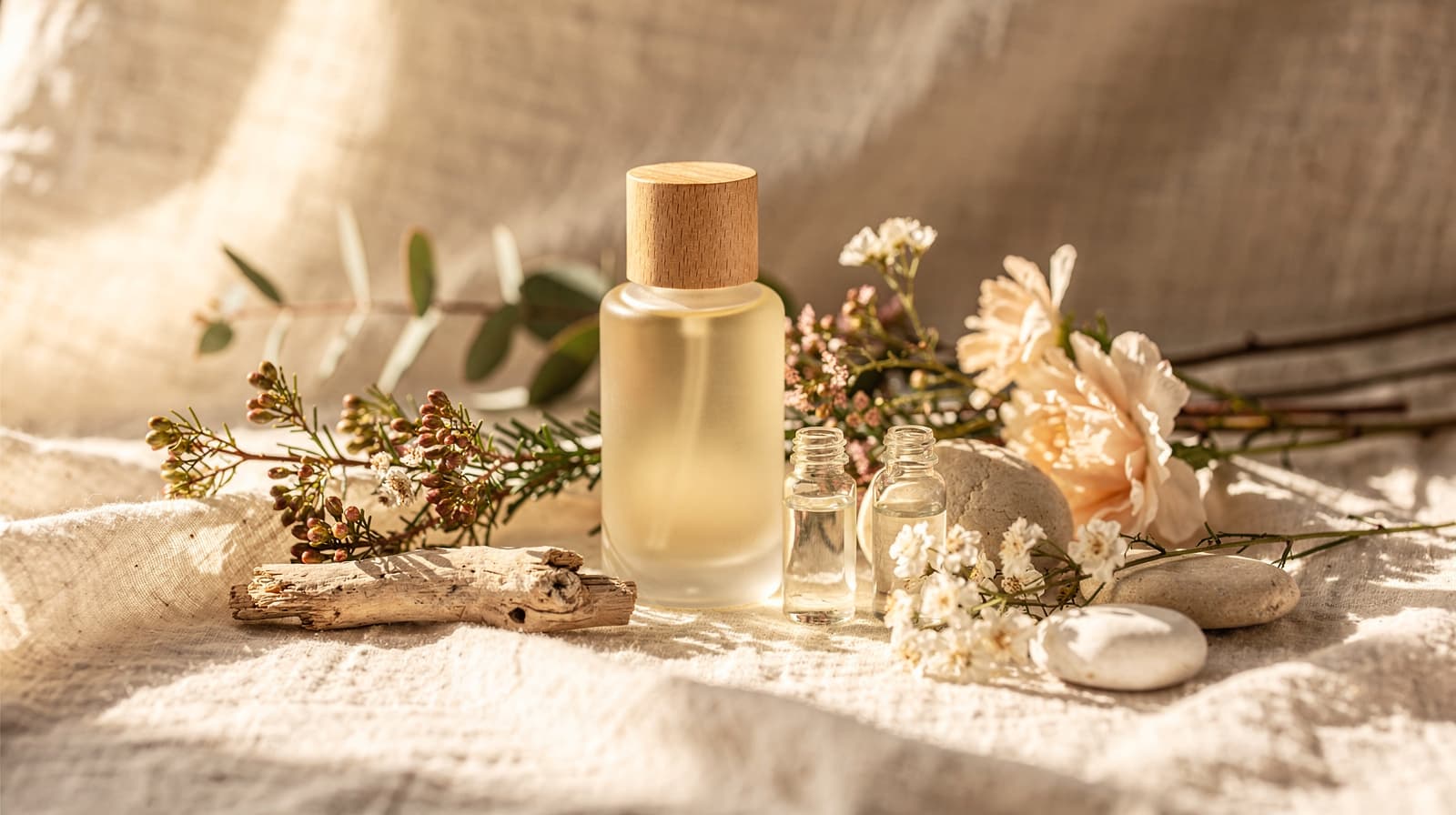
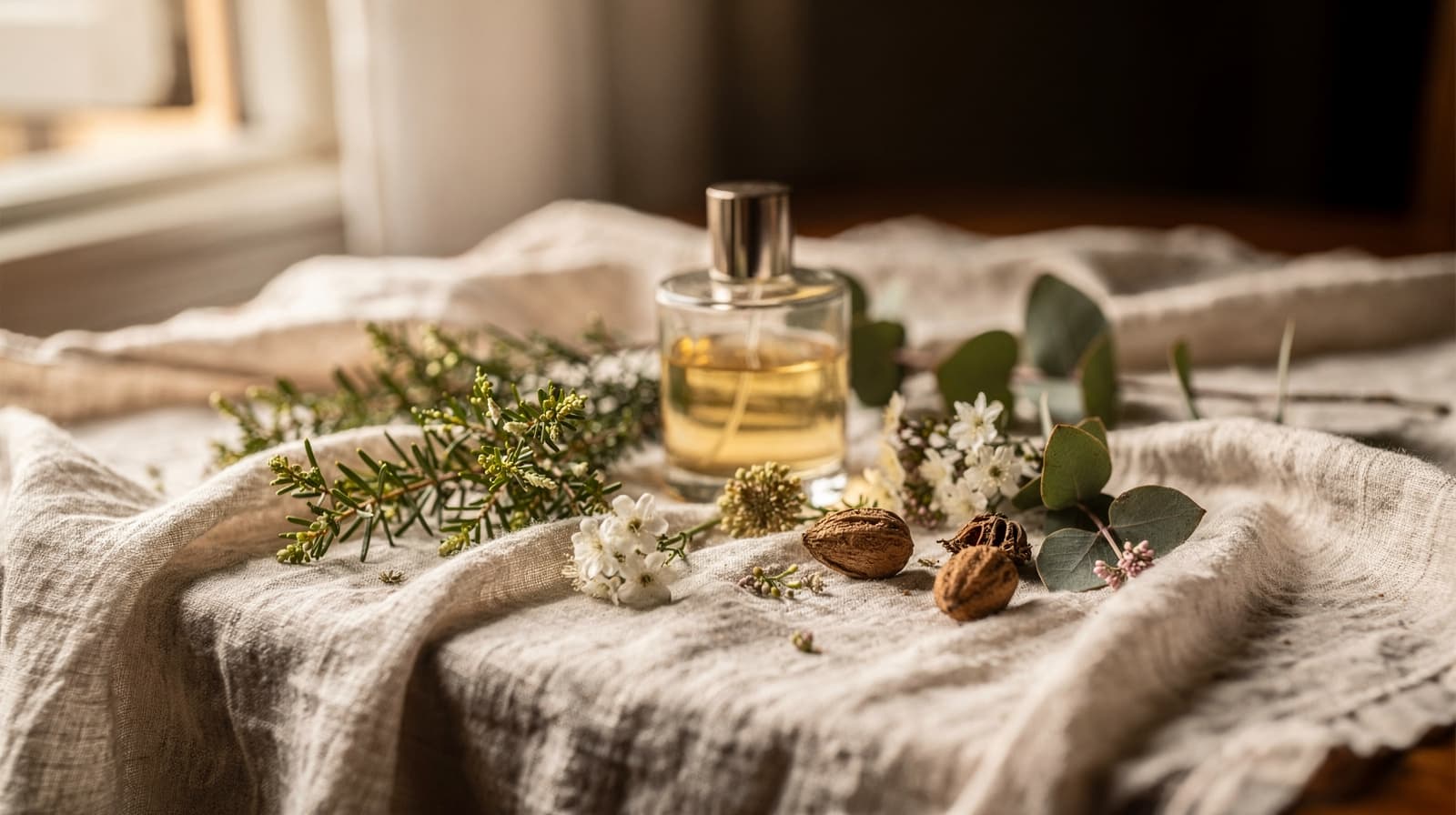
Fragrance for home wellness requires transparency about what burns. Our Fynbos collection begins with botanicals sourced from the Garden Route and the Western Cape—not fragrance oils that approximate fynbos, but actual plant material and their concentrated essences. This distinction matters physically. A candle poured from fragrance concentrate behaves differently in your home than one poured from essential oil blends; the burn is cleaner, the scent dispersal is slower, the olfactory engagement is sustained.
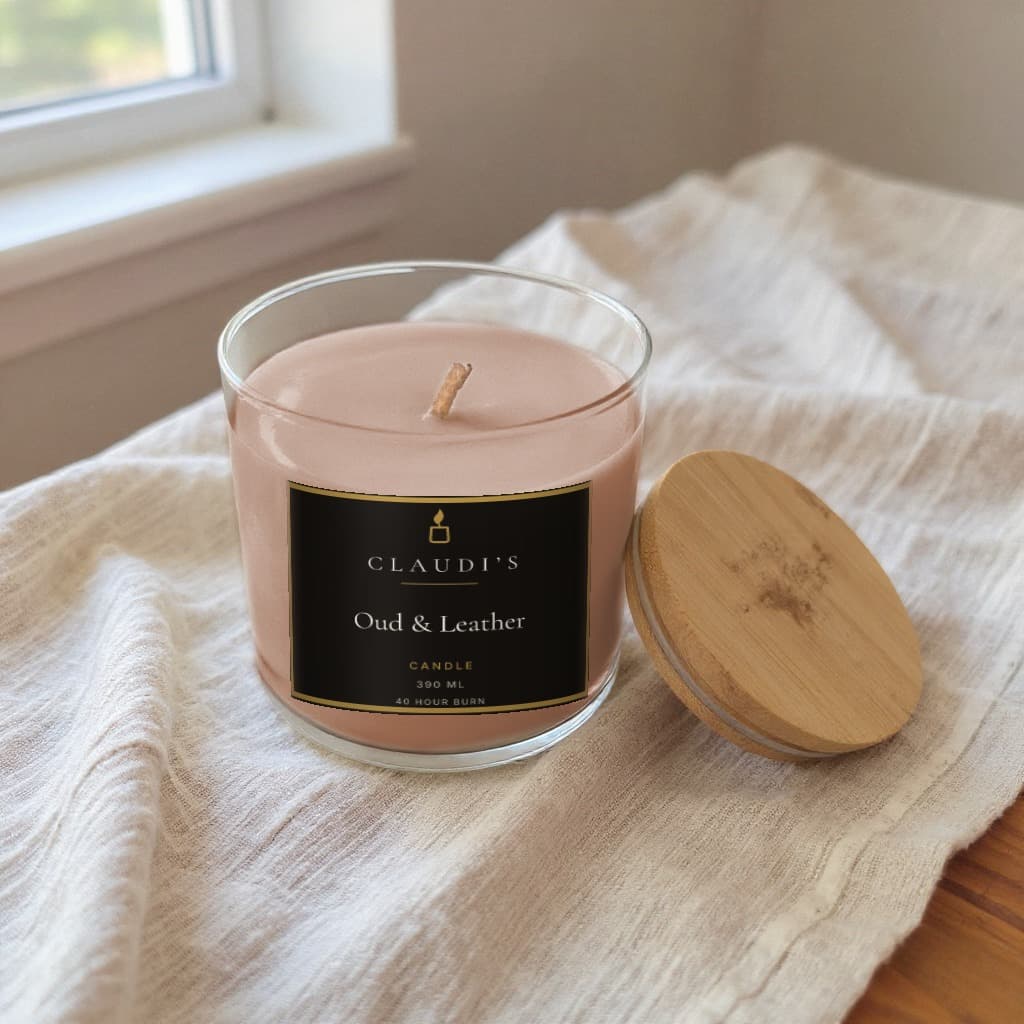
The bamboo jar—our premium vessel for home wellness practice—preserves scent integrity between burns. The fitted lid seals in volatiles; you lose less fragrance to air exposure between sessions. Over a 40–55 hour burn cycle, this preservation becomes measurable. You get more consistent olfactory input, more reliable nervous system response, more effective ritual. For home wellness in South Africa, where heat and humidity challenge fragrance stability, vessel design is not aesthetic; it is functional.
A tumbler candle, by contrast, is the workhorse of daily wellness practice. No lid, no preservation, no hesitation. You light it, it burns for 35–45 hours, and the vessel becomes yours to keep—a reminder of the practice. This repetition, this handover of the object, is the ritual that sustains wellness. The candle is not consumed; it transforms into something you own, something that anchors your practice in your home.
Creating a Fragrance Ritual That Works for Your Home
Home wellness fails when it feels like obligation. It succeeds when it becomes automatic. Your fragrance practice needs structure: a time, a space, a scent that signals to your nervous system that this is when you pause.
Start by understanding which scent families activate your parasympathetic response. Some bodies resonate with the sharp, maritime clarity of Coastal fragrances—salt, driftwood, kelp. Others settle into the warm herbalism of Manor scents—leather, tobacco leaf, amber. The scent quiz is designed to move past preference and into efficacy: which scent actually slows your breathing, lowers your shoulders, makes you pause?
Once you have identified your scent family, commit to 10 days of consistent use. Light the candle at the same time each day—morning coffee, evening wind-down, lunch break. Track what shifts. Does your sleep deepen? Does your focus sharpen? Does the afternoon anxiety flatten? These are not placebo effects; they are measurable changes in your nervous system's baseline state. After 10 days, your brain begins to anticipate the fragrance, and the ritual becomes self-sustaining.
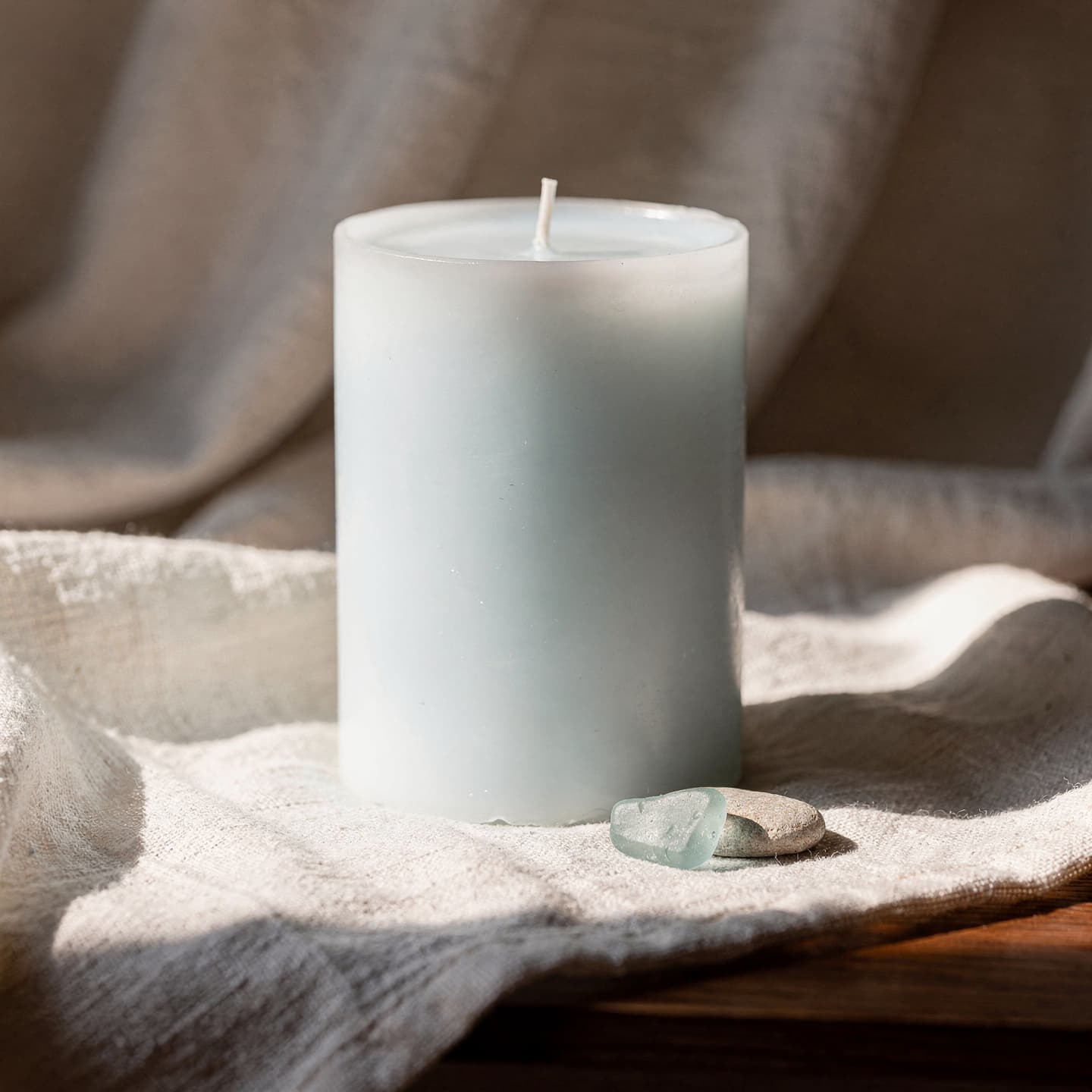
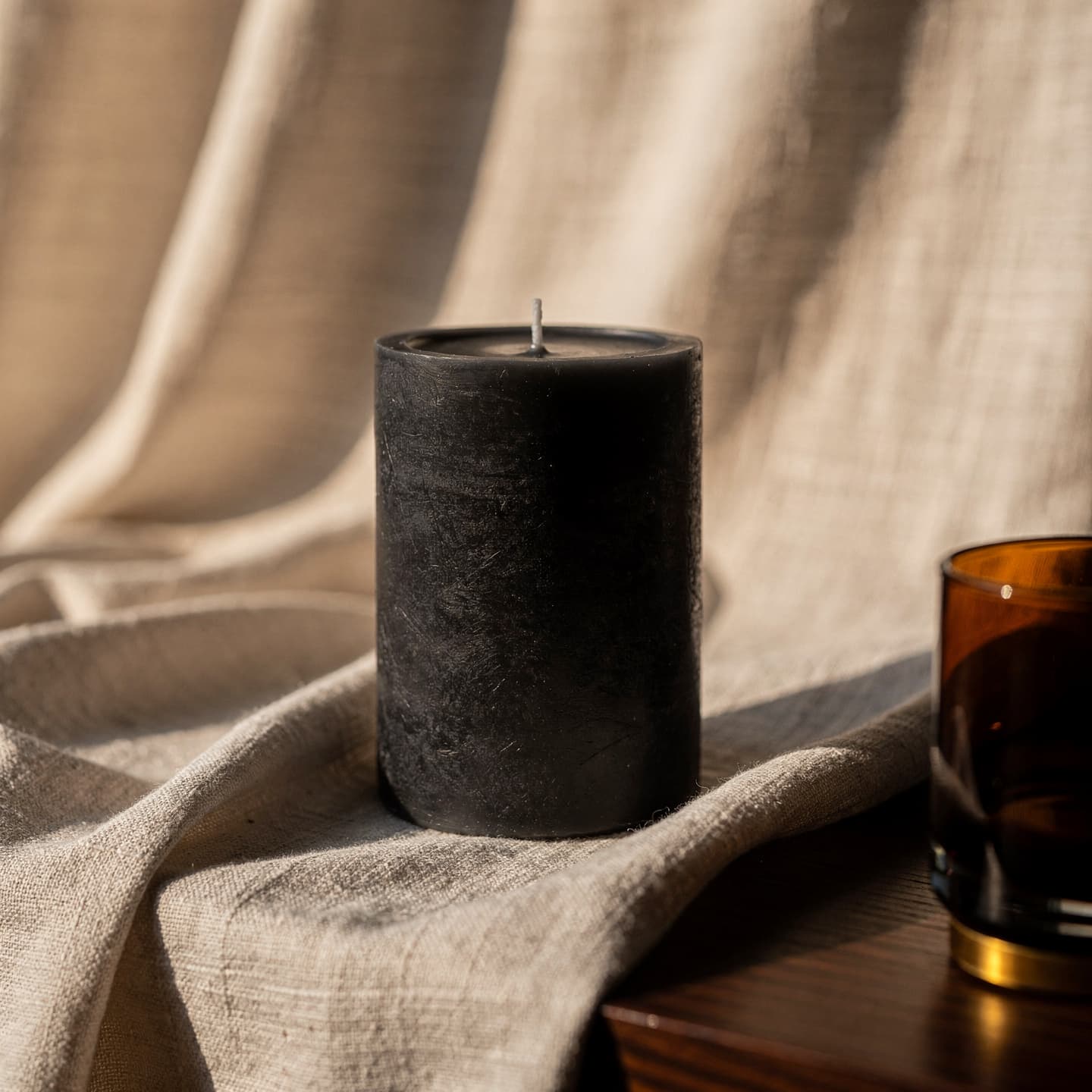
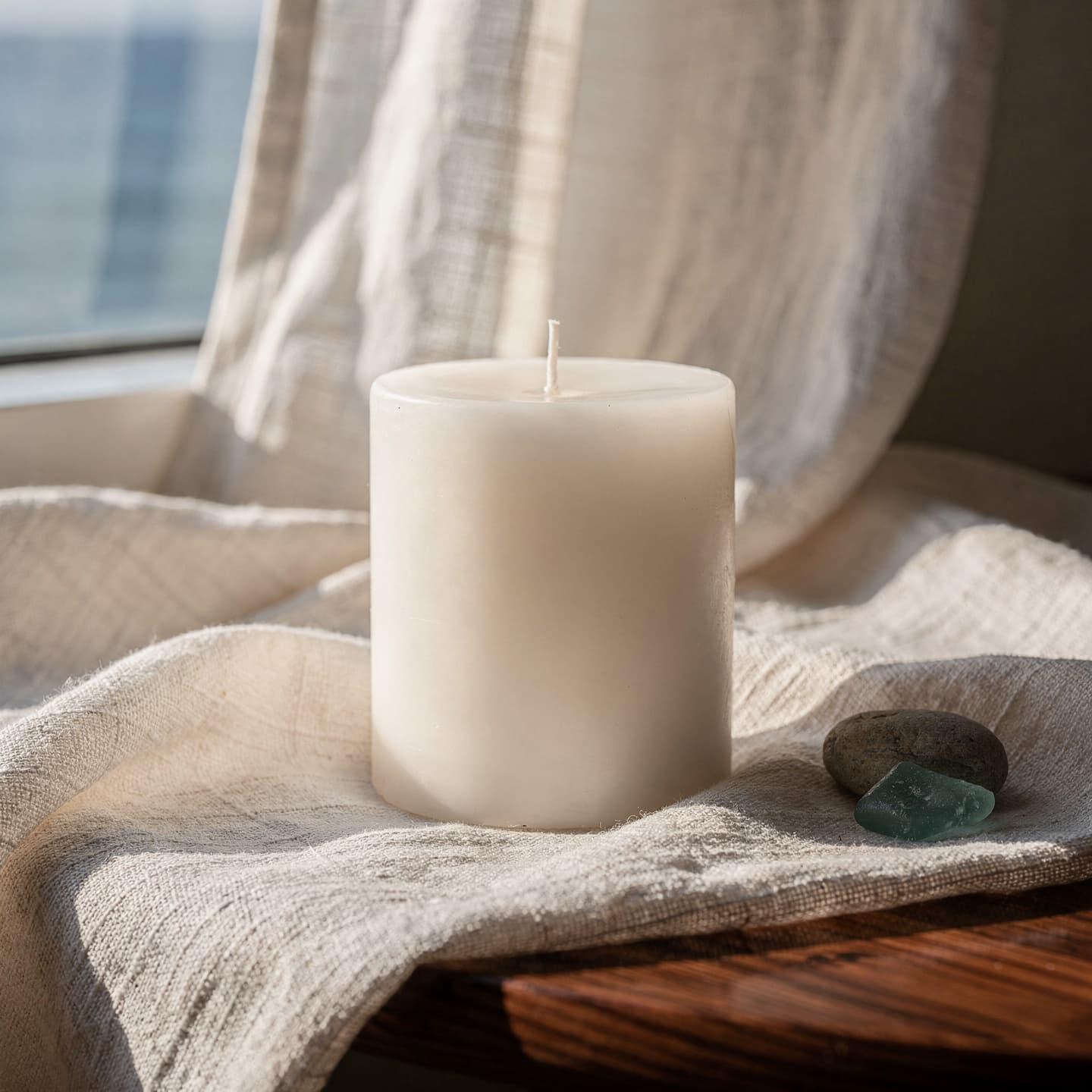
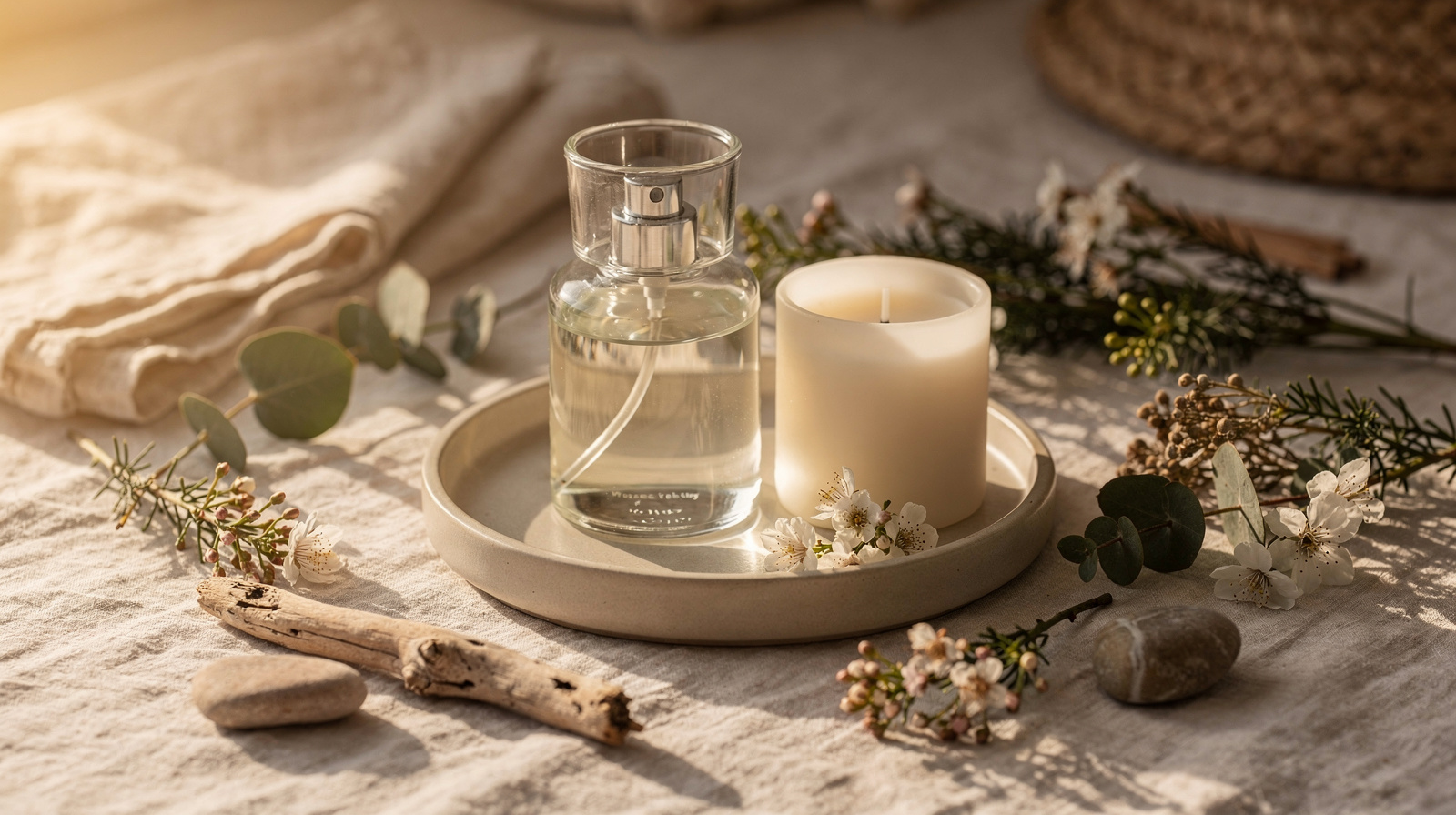
For homes in South Africa where several people share the space, consider scent layering. A Coastal candle in the bathroom, a Fynbos tumbler in the kitchen, a Manor pillar in the bedroom. Each space gets its own olfactory signature, and movement through your home becomes movement through different wellness states. This is home wellness architecture.
Frequently Asked Questions
How do I know if a candle is actually supporting my wellness, or if I'm just getting used to the smell?
True wellness engagement shows up as a physiological shift—slower breathing, lower jaw tension, steadier focus—that persists for 15–20 minutes after you light the candle. If you stop noticing the scent within 5 minutes, your olfactory system has habituated, and the wellness signal has dropped. This is when you rotate to a different scent family from the quiz results, or increase burn duration. A 40–55 hour bamboo jar candle maintains engagement better than shorter burns because the sustained olfactory input prevents rapid habituation.
What's the difference between a candle poured in Mossel Bay versus a mass-produced candle from overseas, in terms of home wellness?
Mass-produced candles are formulated for shelf stability and cost efficiency, which means synthetic fragrance oils engineered to project quickly and fade fast. Candles poured in the Mossel Bay studio use concentrated botanical blends and natural wax, which burn slower and release scent at a rate your nervous system can actually process. The botanical compounds in our Fynbos collection (pinene, limonene, eugenol) have documented effects on cortisol and heart rate variability. Overseas mass production optimizes for nose-hit, not nervous system regulation.
Can I use fragrance for home wellness if I have children or pets at home?
Yes, with placement and burn duration strategy. Keep candles in rooms where children and pets cannot knock them over, and use shorter, supervised burns (1–2 hours) rather than leaving them unattended. Pillar candles on high shelves or in closed rooms are safer than tumblers on tables. For households with respiratory sensitivity, start with shorter burn times and monitor for any reaction. Our candle safety guide covers placement, burn times, and ventilation in detail.
Is there a fragrance choice that works better for shared spaces or hospitality settings?
Yes. Gather fragrances—spiced, social, warm—are engineered to feel welcoming rather than personal. They work in shared kitchens, lounges, and guest spaces because they signal hospitality without imposing individual preference. If you're designing wellness for a guest space, rental property, or shared home, Gather scents create neutral ritual. For hotel and boutique hospitality applications, our hospitality programme offers custom fragrance design and trade pricing.
The Practice Begins at Home
Home wellness in South Africa is not a product category; it is a deliberate return to ritual