How Fragrance Layers Build: Understanding Top, Middle, and Base Notes
Fragrance unfolds over hours. Learn how the three layers of a scent work together—and why it matters when you're choosing a candle that'll last.
By Claudi·Poured in Mossel Bay, Western Cape
A candle burns. Within the first fifteen minutes, you smell something bright—maybe citrus, maybe herbs. An hour in, that top note fades. A warmer, fuller scent emerges and lingers for most of the burn. Then, as the wax pool deepens and the wick stabilizes, something deeper appears underneath. That shift isn't accidental. Fragrance is architecture. The scents you experience—from the moment a flame touches the wick to the final hours of burn—are arranged in layers called top notes, middle notes, and base notes. Understanding how they work doesn't just explain what you're smelling. It changes how you choose a candle and what you should expect from it over time.
Key Takeaways
- Top notes evaporate within 15–30 minutes and create the first impression; they're volatile molecules (limonene, aldehydes, light citrus esters) that disperse quickly into air.
- Middle notes emerge after 30 minutes and sustain for 2–4 hours; they're the body of the fragrance and often floral, herbal, or spiced compounds that bridge top and base.
- Base notes develop in the final hours of a candle's burn and anchor the scent; they're heavy molecules (woods, musks, resins) that can linger on fabric and skin long after the flame is out.
The Three Layers: How Fragrance Unfolds
A fragrance is roughly 5–15% top notes, 50–70% middle notes, and 10–20% base notes. That ratio isn't arbitrary. Top notes are the first impression—often sharp, bright, refreshing. They're composed of volatile organic compounds with low boiling points, meaning they evaporate quickly at room temperature and even faster when exposed to heat (like the warmth of a burning candle). If you light a candle and immediately smell fresh grapefruit or bergamot, that's a top note at work. In a 45-hour tumbler, that initial brightness might last ten to twenty minutes before it begins to fade.
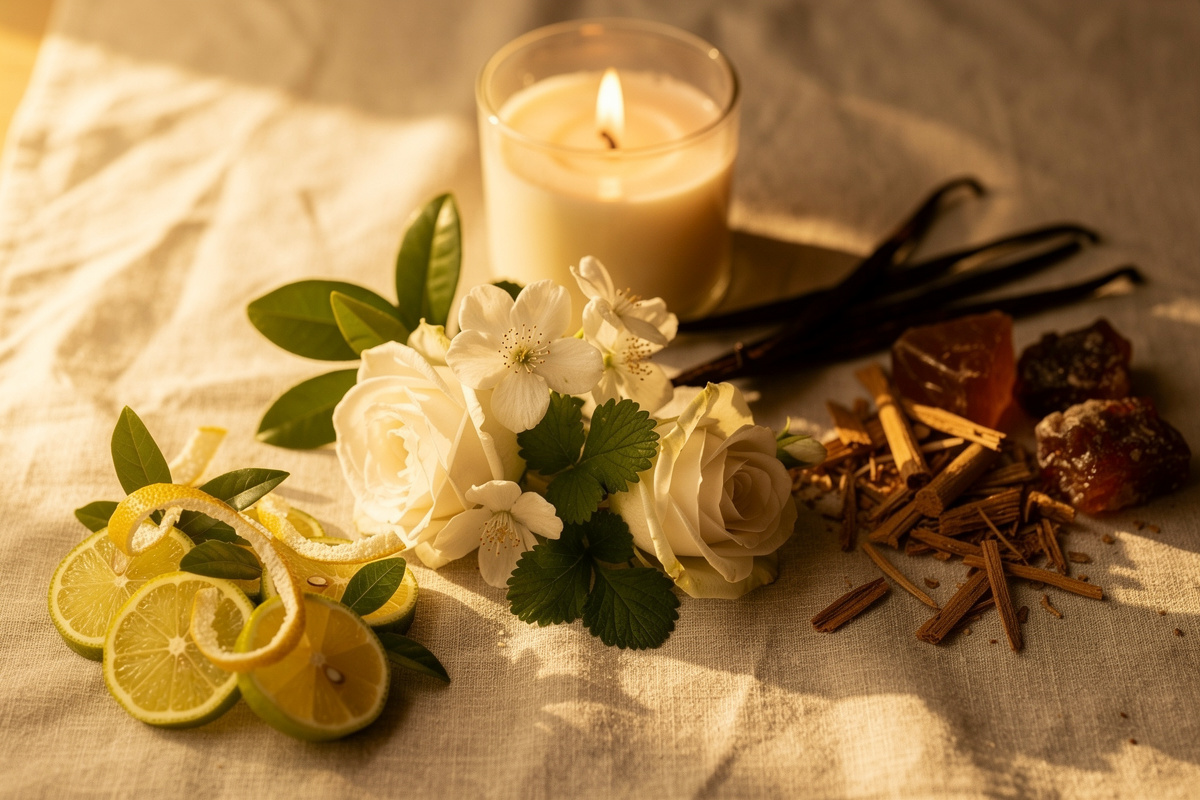
After the top notes dissolve, the middle notes—also called heart notes—emerge. These are the emotional core of the fragrance. They're heavier molecules with higher boiling points, so they persist longer. Middle notes are often floral (jasmine, rose), herbal (lavender, sage), or spiced (cardamom, clove). In the Mossel Bay studio, the Fynbos collection balances coastal top notes with resinous, botanical middle notes that evolve as the candle warms; a blend might open with petrichor and salt spray, then settle into wild rosemary and fynbos protea as the middle hour approaches. This phase lasts the longest—often 2–4 hours in a full-burn session—and is where most people form their opinion of a candle.
Finally, the base notes anchor everything. These are non-volatile compounds: woods (cedarwood, vetiver), musks, resins (frankincense, opoponax), and animalic molecules that evaporate slowly and linger on skin, fabric, and in the room long after the flame is out. A well-crafted base note in a 45-hour tumbler might still be perceptible in the final five to ten hours of burn, creating a sense of depth and sophistication.
Craft and Choice: How Claudi's Approaches Layered Scent
Not all candles are built the same. A generic mass-produced candle might have top notes that shout, middle notes that disappear, and base notes that never quite arrive. The craft of fragrance composition—what happens in the Mossel Bay studio—is about orchestrating these three layers so each plays its role and nothing dominates at the wrong moment.
The Coastal collection demonstrates this clearly. A blend might open with briny, mineral top notes (sea salt, ozonic aldehydes) that evoke walking along Mossel Bay's shore. The middle develops into fresher herbs and soft florals—a transition that happens as the candle reaches its optimal melt pool temperature. The base settles into warm sand notes and driftwood, grounding the memory of that coastal walk into something sustained and contemplative. That progression takes intention. It requires understanding not just which fragrance materials to choose, but in what quantity, and how they'll interact as the candle's heat profile changes.
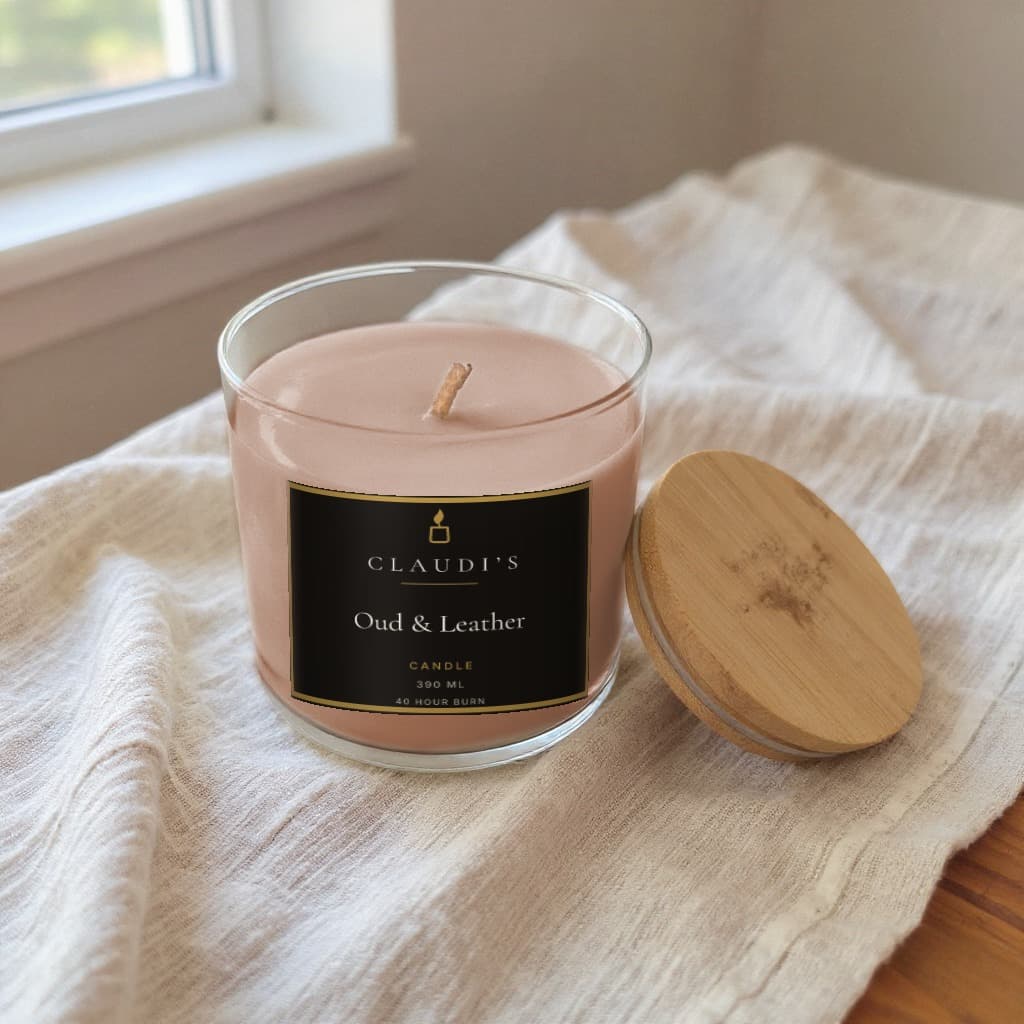
The same principle applies to our Manor collection—formal, warm, grounded. The top note might be a sharp bergamot or a touch of black pepper; the middle unfolds into leather and dark florals; the base rests on vetiver and oud. A 35–45 hour tumbler gives enough time for all three to play out without rushing. Shorter candles compress the experience; longer formats like the 40–55 hour bamboo jar allow each layer to breathe fully.
Choosing a Candle: What to Listen For
When you're deciding between fragrances, understanding top, middle, and base notes helps you predict what you'll actually experience—not just in the first five minutes, but over the full burn. Start with what you notice immediately. Do you like bright, zesty openings, or do you prefer candles that feel mellow from the start? That tells you whether you value top notes or whether the candle's middle and base matter more to you.
Then ask yourself: What do I want to smell like in the second and third hour? That's the middle note question. A candle that smells amazing for fifteen minutes but turns dull or harsh after that is a poor choice, no matter how fresh the opening. This is why reading fragrance notes matters—if you love spiced, warm scents, seek out middle notes of cinnamon, clove, or amber rather than assuming a "warm" label delivers.
Finally, consider longevity. If you're burning a candle for four hours at a time, you need base notes robust enough to still be present at hour three and four. If you're using candles in a guest bedroom or as table decor during an event, the staying power of the base note determines whether the room still smells intentional after the guests have mingled for two hours. This is why the bamboo jar's 40–55 hour burn is popular for hospitality—the base notes have time to anchor the space, and the vessel itself preserves the scent between uses. Try our scent quiz to discover which fragrance layers and collections match your preferences.
Frequently Asked Questions
Why does a candle smell different after an hour? The top notes—the most volatile aromatic compounds—evaporate first, usually within 15–30 minutes. As they disappear, the middle notes (heavier, more stable molecules) become dominant. This is natural chemistry, not a flaw. A well-composed fragrance accounts for this shift and uses it to build a complete olfactory story.
Can I make a candle with only top notes, so it stays fresh all day? Not practically. Top notes evaporate by design—they're volatile. If a candle contained only quick-evaporating molecules, it would smell like nothing after thirty minutes. A balanced fragrance needs all three layers; the magic is in how they transition, not in eliminating the transition entirely.
How do I know if a candle's base notes will work in my space? Base notes are most noticeable in the final hours of a burn and linger on surfaces. If you want a space to smell intentional for a full evening (say, a dinner party or wedding reception), choose candles with base notes you genuinely like—woods, resins, musks—rather than assuming the opening will define the whole experience. Claudi's Gather collection uses warm, spiced base notes that settle into a room without overwhelming it.
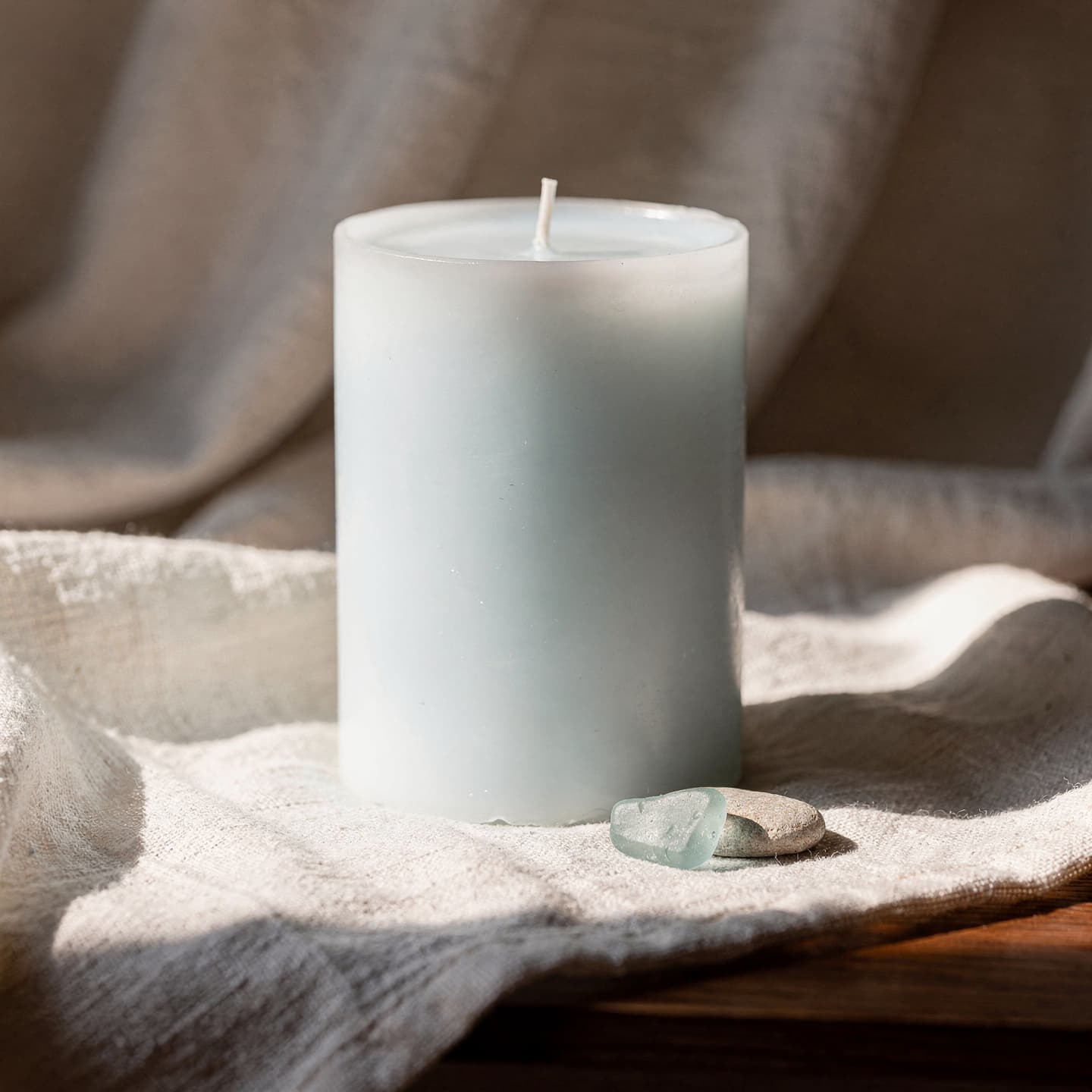
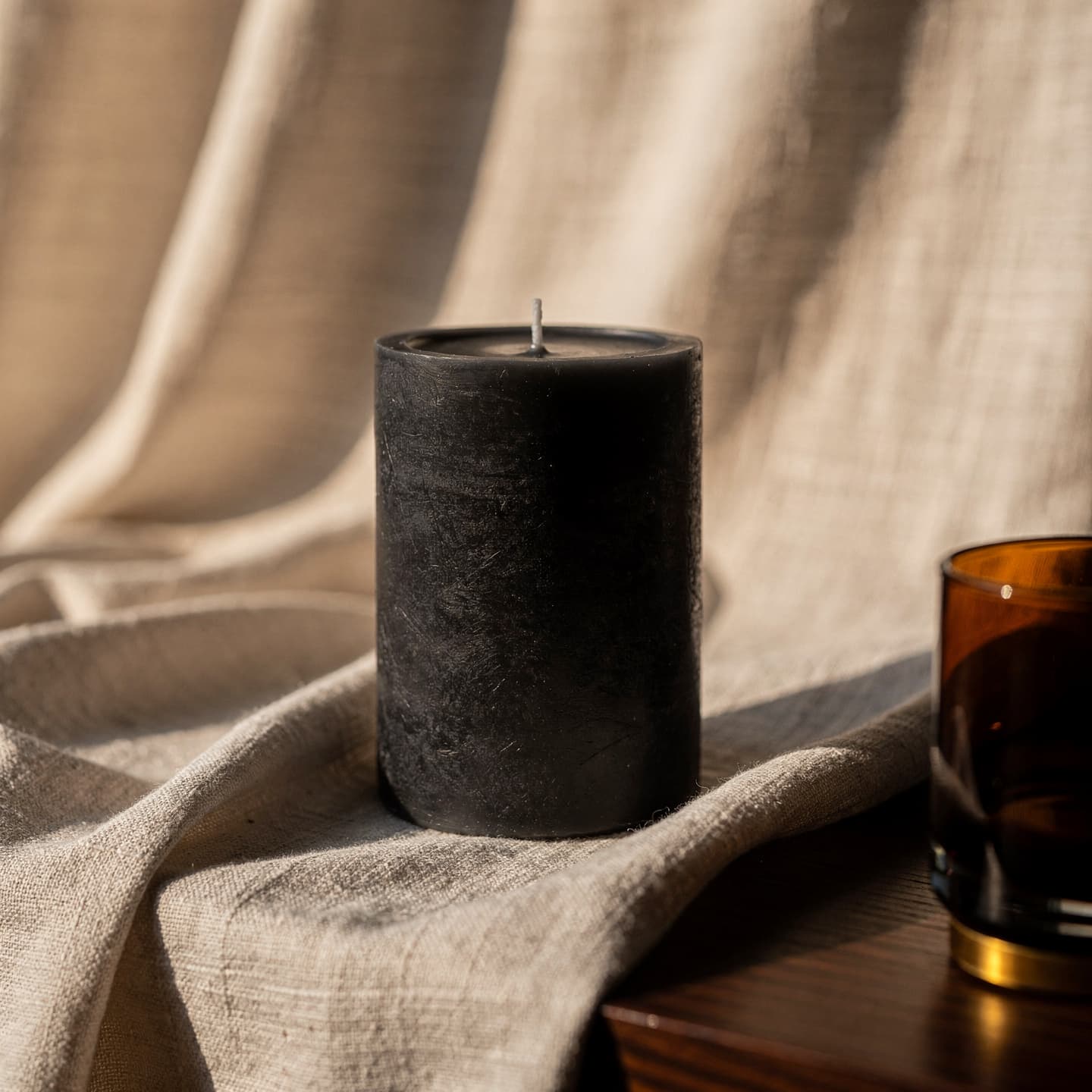
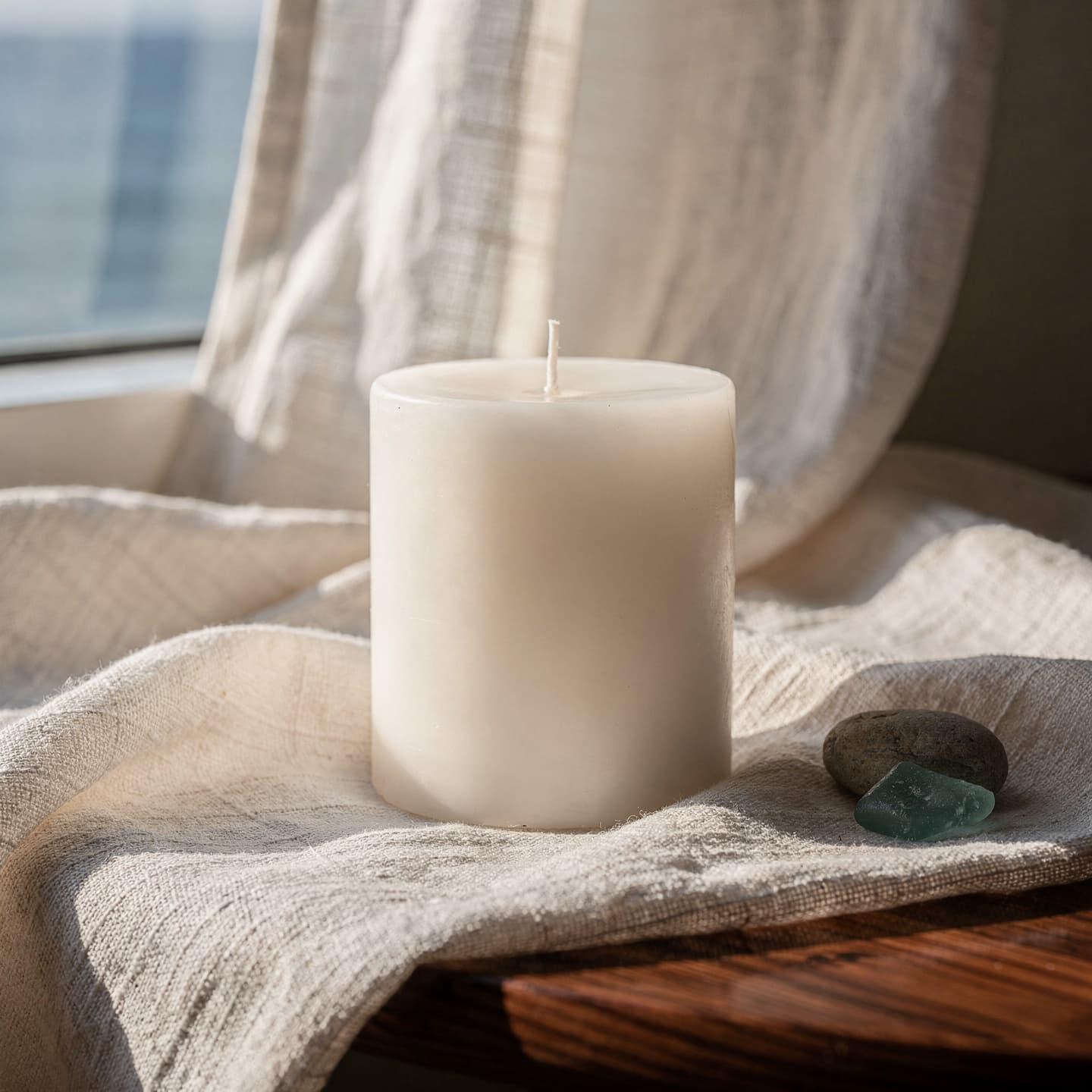
Do pillar candles have the same layered fragrance as tumblers? Yes—the fragrance composition is identical. The difference is vessel and burn profile. A pillar candle burns differently due to its shape and air exposure, which can subtly shift how quickly top and middle notes disperse. For ceremony, tablescapes, or formal events, pillar candles often showcase base notes more prominently because the burn is slower and more controlled.
Understanding fragrance layers transforms how you experience a candle. It