The Craft Behind Candle Making in South Africa: From Wax to Burn
South African candle makers blend imported wax science with local botanicals. Here's how the process works—and why it matters for your home.
By Claudi·Poured in Mossel Bay, Western Cape
Most people assume candles are poured in bulk, like soap. They are not. In the Mossel Bay studio, each candle begins as a decision: which wax, which wick, which scent layering will create the burn profile the customer expects. South African candle makers face a distinct challenge—the country's heat, humidity, and coastal air demand wax blends and curing times that differ from European or North American standards. Understanding how candles are made, locally, reveals why some burn clean for 45 hours and others tunnel or gutter within days. This article walks you through the real process, the materials that matter, and what to look for when choosing a candle made in South Africa.
Key Takeaways
- South African candle makers cure wax blends 7–14 days longer than global averages to account for humidity and temperature fluctuations along the Garden Route coastline.
- Wax type (soy, paraffin, or blended) determines burn time, scent throw, and whether the candle will develop a clean, even melt pool or tunnel down the centre.
- The choice of vessel—tumbler, bamboo jar, or pillar—affects cooling rate, wick selection, and the final burn performance you experience at home.
How Candles Are Made: The South African Context
Candle making in South Africa begins with a paradox: the country manufactures very few raw materials. Most wax is imported—soy from North America, paraffin from the Middle East—yet the curing and blending process is distinctly local. The Mossel Bay studio works with wax blends chosen for their performance in the Western Cape's maritime climate: cooler nights, salt-laden air, and afternoon heat that can soften vessels. A standard tumbler candle poured in temperate Europe might cure in 48 hours. Here, the same candle sits undisturbed for 10–12 days. This longer cure allows the wax to fully crystallize, ensuring an even melt pool and consistent scent release across the entire 35–45 hour burn.
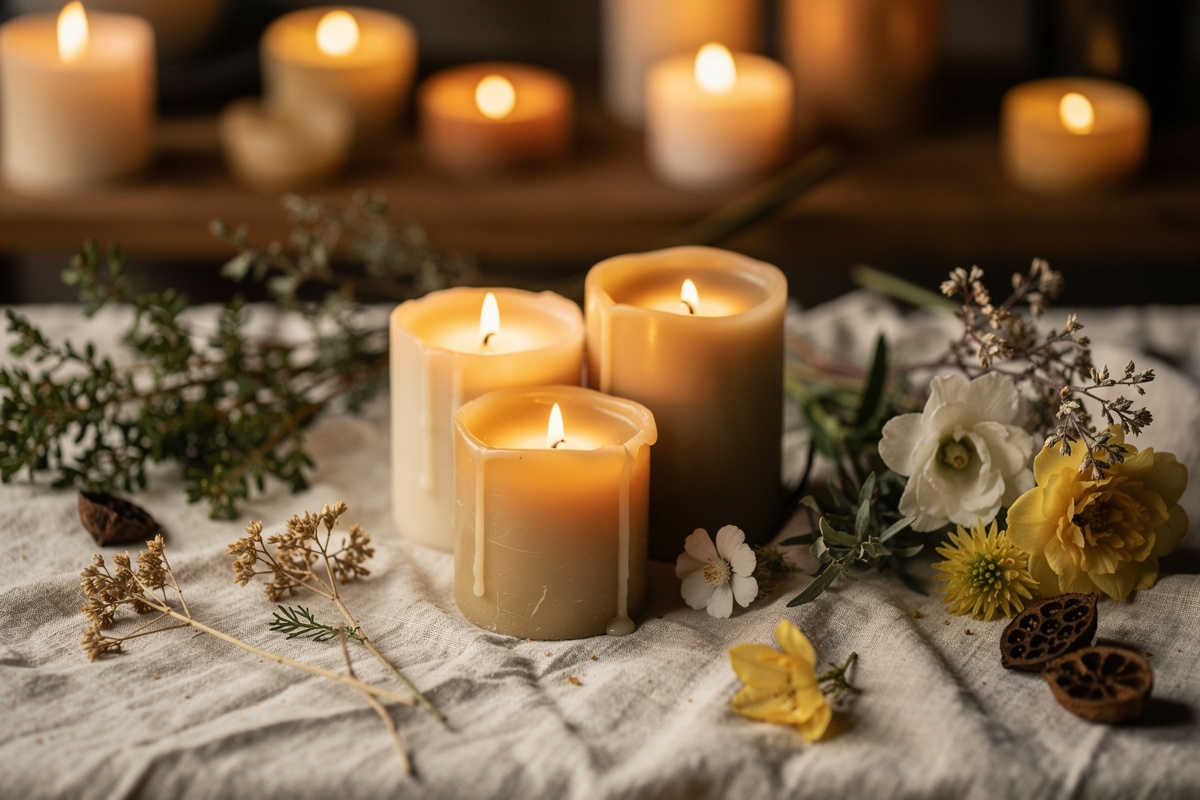
Why does this matter? Humidity. The Garden Route averages 75–85% relative humidity during spring. If wax hasn't crystallized fully, moisture penetrates the surface, dulling scent throw and creating a soft, uneven top. South African candle makers who skip this step produce candles that perform beautifully in a London flat and poorly in a coastal home. The craft, therefore, is not just pouring wax—it is engineering wax behaviour for a specific place.
Wax type itself shapes the entire narrative. Paraffin holds fragrance strongly but can emit small amounts of soot if the wick burns too hot. Soy burns cleaner and slower, and supports botanical scents well, but costs more and requires a heavier wick to prevent mushrooming. Most serious South African makers blend the two, optimizing for burn time, scent throw, and environmental conscience. The ratio—often 70% paraffin to 30% soy, or vice versa—is a proprietary decision that separates craft producers from commodity candle factories.
The Vessel and the Wick: Where Science Meets Craft
Once the wax blend is chosen, the vessel becomes a working variable. A tumbler candle cools differently than a bamboo jar, which cools differently than a pillar. In a tumbler, the glass absorbs and radiates heat evenly, allowing the wax to set from the outside inward. In a lidded bamboo vessel, the enclosed space creates a slightly warmer cooling environment, which changes how the fragrance settles into the wax matrix. This is not poetry—it is thermal dynamics.
The wick selection depends on vessel width, wax blend, and desired scent throw. Too thin, and the candle won't generate enough heat to release fragrance. Too thick, and it burns hot, consumes wax quickly, and may produce soot or smoke. South African makers test wicks across seasons because wax behaviour shifts with ambient temperature. A wick that performs perfectly in July (cool, dry) may overheat in October (warmer, more humid). The studio pours test batches monthly, burning them in controlled conditions to verify wick performance.
Coastal and Fynbos scent families demand different wick treatments because their volatility differs. A fresh, citrus-forward Coastal blend releases faster than a dense, resinous Fynbos scent. The wick must be matched to fragrance volatility, not just wax volume. This is why a candle made in South Africa for South African air—salty, mineral-rich—performs better in a Mossel Bay home than a generic international candle might.
Choosing the Right Candle: A Practical Framework
When you are evaluating how candles are made, ask three questions. First: What is the cure time? A reputable South African maker will state it clearly. If the answer is vague or under five days, the candle likely hasn't stabilized. Second: What is the burn time, and has it been tested? A tumbler candle should deliver 35–45 hours reliably, not as an estimate. Third: Where was it made, and does the maker account for local climate? A candle poured in Mossel Bay for use in Mossel Bay will perform better than one imported untested.
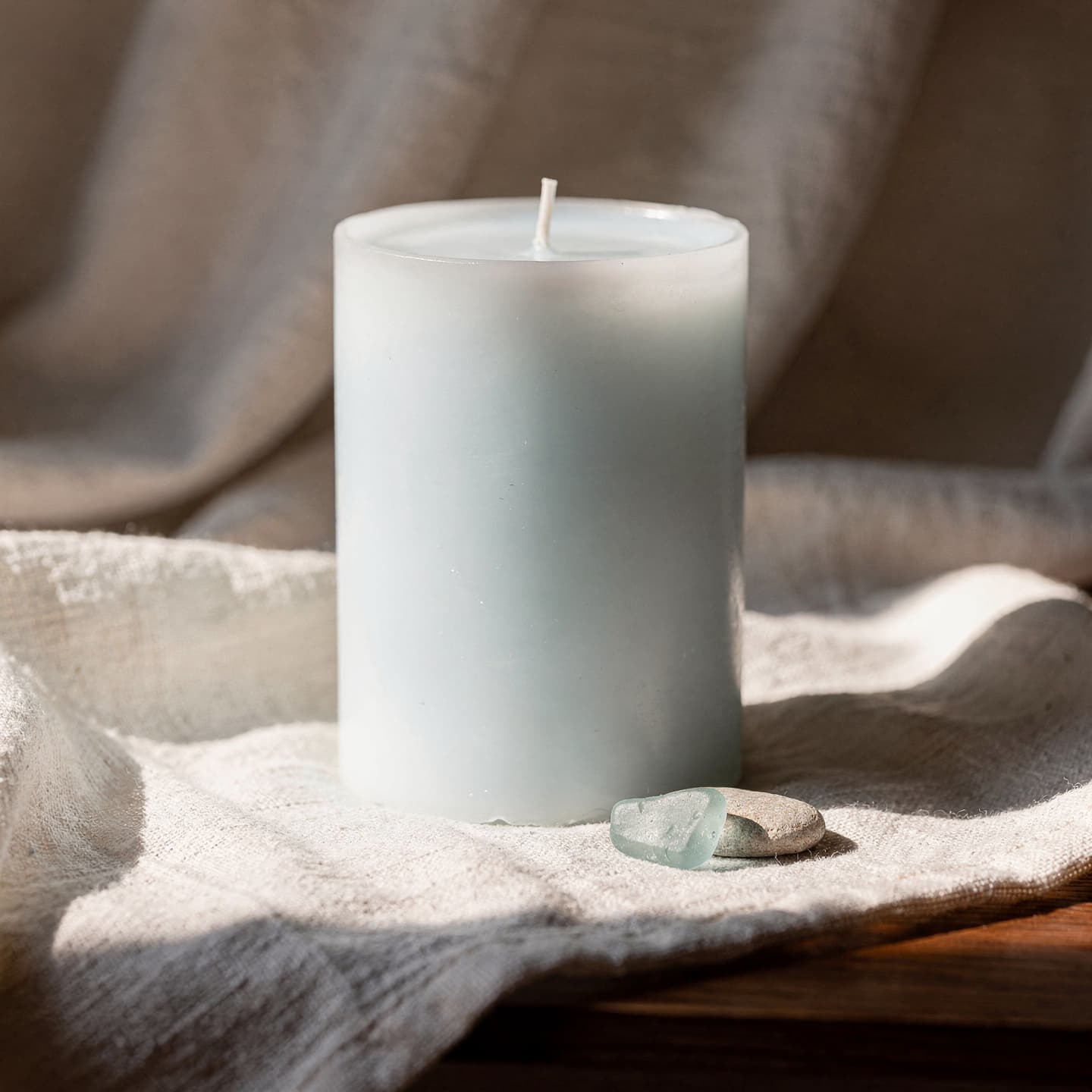
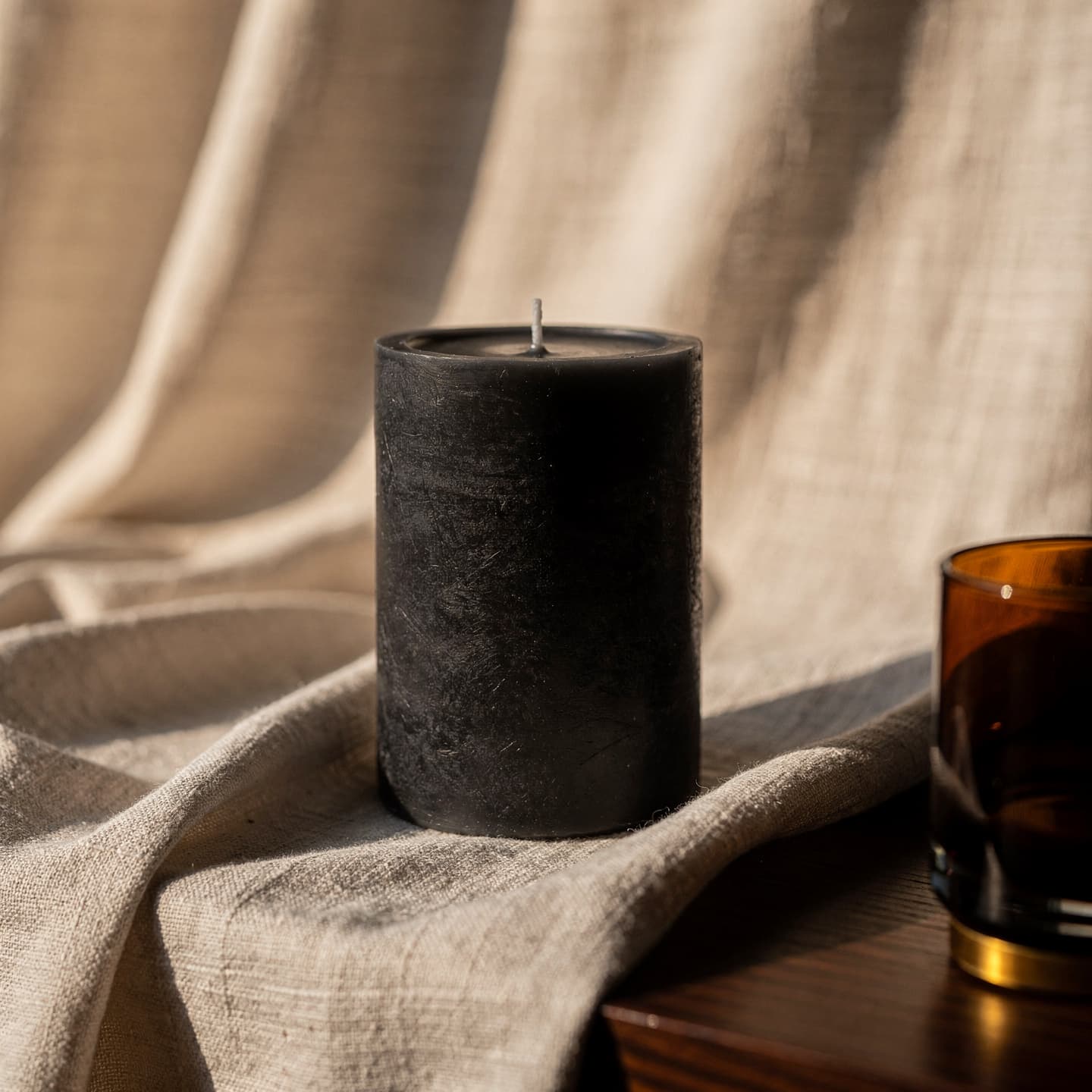
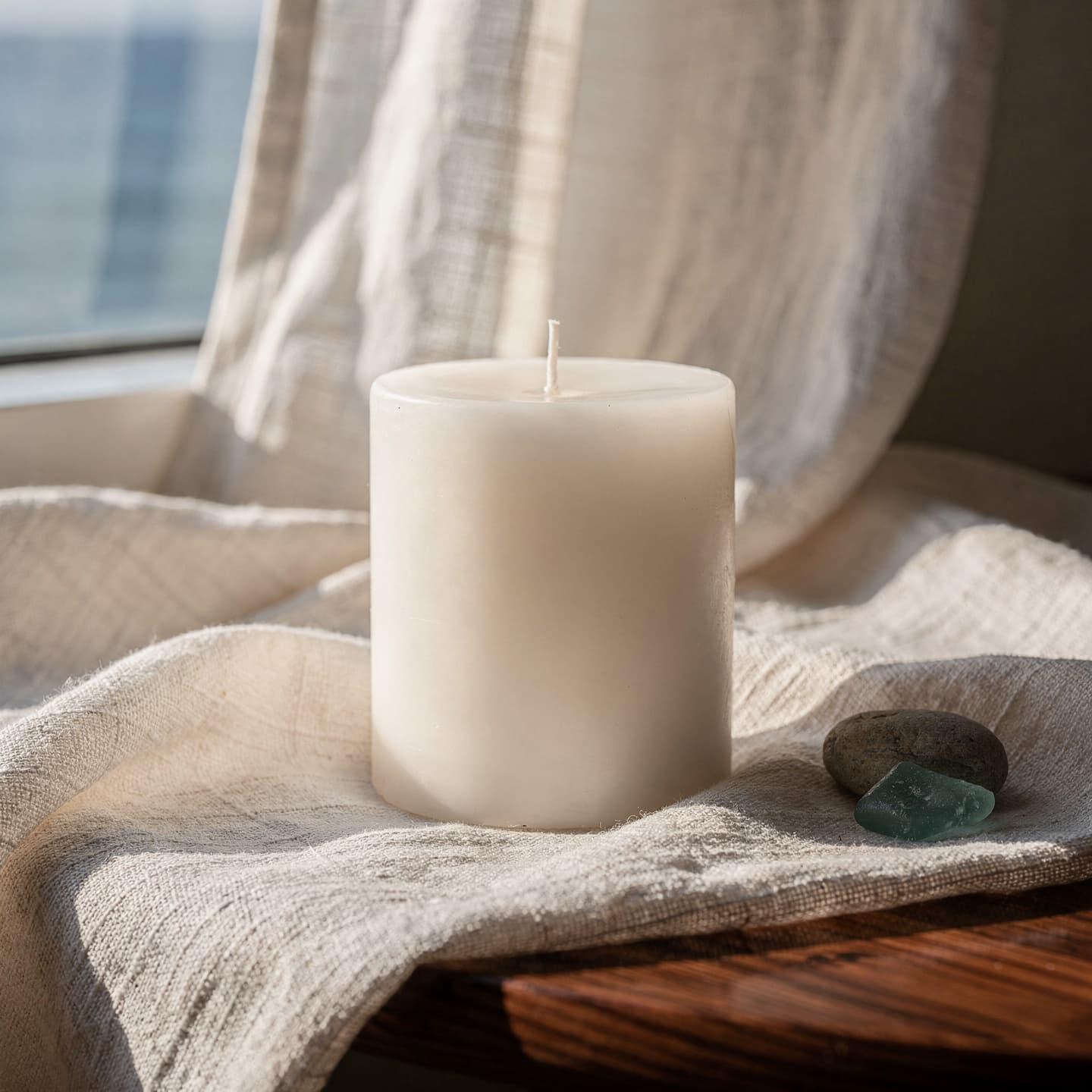
Consider your intended use, too. A tumbler candle suits everyday burning and makes an excellent vessel for reuse or gifting—the glass stays behind. A bamboo jar with a lid preserves fragrance between burns and signals care; it suits hospitality settings, gifting, or homes where ambiance matters as much as economy. Pillar candles work best in tablescapes or formal settings where their architectural presence is intentional.
If you are unsure which scent direction suits your home, the scent quiz walks you through your fragrance preferences and recommends collections—Coastal for fresh, maritime air; Fynbos for botanical depth; Manor for warm, formal spaces. Each collection is designed with Mossel Bay's landscape and seasons in mind.
Frequently Asked Questions
How long does it really take to make a candle in South Africa? From wax receipt to finish, roughly 3–4 weeks. Two weeks of testing and blending, then pouring, then 10–12 days of curing before the candle is ready for use. This isn't slow; it is necessary for quality.
What makes a candle "made in South Africa" different from an imported candle? Local makers account for humidity, salt air, and temperature swings that imported candles aren't engineered for. A candle made for London's drier climate will often tunnel or perform unevenly in the Western Cape's maritime air. Our tumbler and bamboo candles are tested in Mossel Bay conditions before sale.
Why do some candles tunnel, and does it matter where they're made? Tunnelling occurs when the wick burns hotter than the wax around it melts. It happens when: the wick is too thick, the wax blend isn't suited to local humidity, or the candle wasn't cured long enough. South African makers who skip the extended cure are most vulnerable to this problem.
Can I customize a candle with my own label or design? Yes. The custom label builder lets you design a label for any candle—ideal for gifting, events, or corporate use. Turnaround is 7–10 days for most orders.
The act of making a candle, truly, is an exercise in respecting place. South African candle makers do not simply follow a global playbook; they observe the Garden Route's light, humidity, and coastline, then adjust their craft accordingly. When you burn a candle poured in Mossel Bay, you are burning the result of a maker's commitment to that specific geography. The Coastal and Fynbos collections from the studio carry that commitment in every burn—35–45 hours of fragrance carefully engineered for the air you breathe. If you are ready to experience the difference, start with the scent that resonates: take the fragrance quiz and discover which collection belongs in your home.
Process notes, September 2026 — Claudi's Studio, Mossel Bay.