Essential Oils vs Fragrance Oils in Candles: What Burns Better, Lasts Longer, and Why Craft Matters
Essential oils smell authentic but burn fast. Fragrance oils last longer. Here's what the chemistry says—and which choice fits your home.
By Claudi·Poured in Mossel Bay, Western Cape
The choice between essential oils and fragrance oils seems simple until you light the wick. Essential oils smell like the plant—fresh, alive, sometimes peppery or resinous. Fragrance oils smell like a curated memory of a place. One burns faster. One holds its scent longer across a room. Neither is objectively better. But understanding how they behave in a candle flame changes what you buy and why. At the Mossel Bay studio, we work with both, depending on the intention. A 40-hour burn in a tumbler demands fragrance oils. A seasonal scent designed to evoke the Garden Route fynbos might lean on botanical essences, layered with synthetics for longevity. The real decision isn't about purity—it's about what you want the candle to do.
Key Takeaways
- Essential oils evaporate faster at high heat; fragrance oils are engineered to release scent gradually over 40–55 hours of burn time
- A 35-hour tumbler poured from the Mossel Bay studio uses fragrance oils for consistency; seasonal artisan pieces may blend both for character
- The "natural" vs "synthetic" debate misses the point—craft is about choosing the material that serves the burn, the room, and the experience
Why Essential Oils Burn Faster—and Why That Matters
Essential oils are volatile. Volatile means they evaporate easily—which is why a drop of lemon oil on your skin disappears in minutes, and why the smell of crushed fynbos leaves lingers only briefly. When you pour an essential oil into hot wax and light it, the heat accelerates that evaporation. A candle made entirely from essential oils burns through its fragrance load in a fraction of the time a fragrance oil candle does. A typical essential oil candle releases most of its scent in the first 8–12 hours of burn; a fragrance oil candle releases steadily across 40–55 hours.
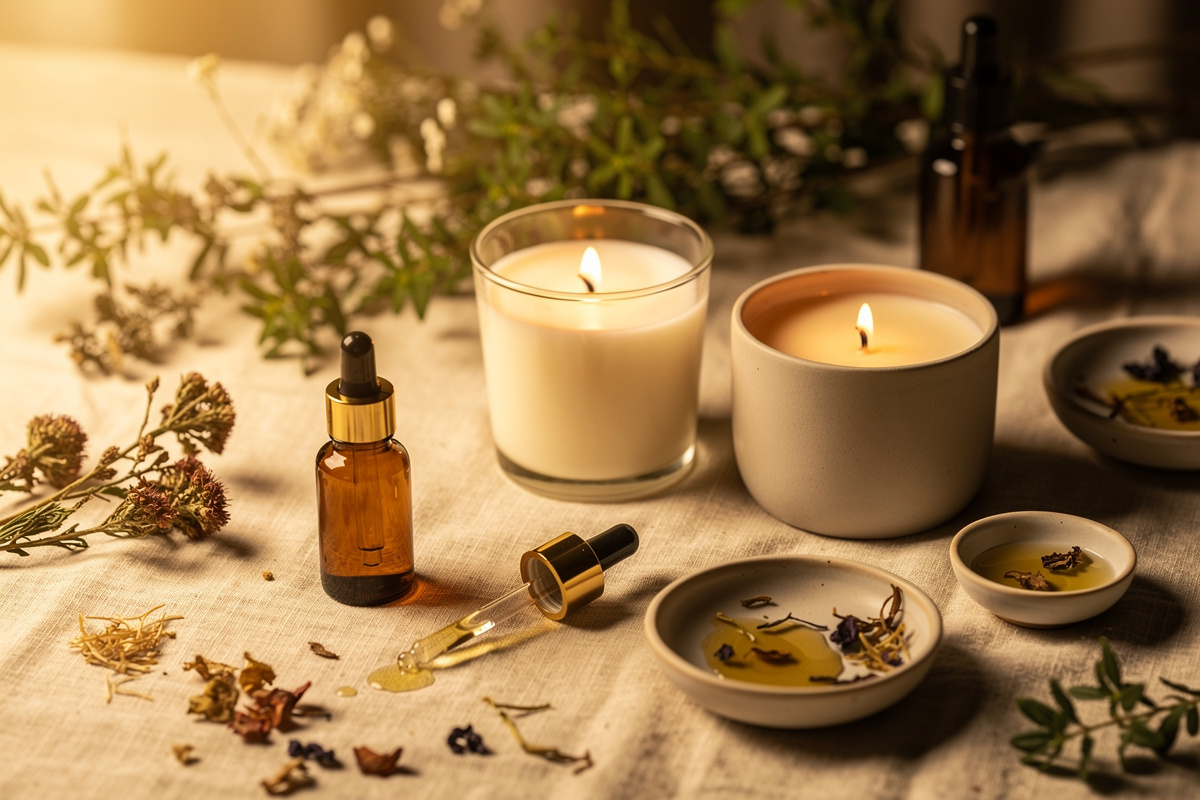
This isn't a flaw in essential oils. It's their chemistry. They're complex, volatile molecules extracted from plants—authentic, often beautiful, sometimes surprisingly expensive (real rose oil costs more than gold, ounce for ounce). But that volatility means you're paying for a shorter experience. In a 35-hour tumbler candle, that's a material problem. You light it, the room smells extraordinary for a week, then the scent fades while wax remains. Fragrance oils solve this by being engineered for stability. They're synthetic molecules designed to withstand heat, hold their character across hours of burn, and release their scent in a controlled, predictable way. This doesn't make them fake—it makes them functional.
The Mossel Bay studio pours candles engineered to burn cleanly and smell consistently across their full burn time. That precision demands fragrance oils as the primary carrier. It's a craft choice.
Our Craft: Why We Blend, When We Choose Pure
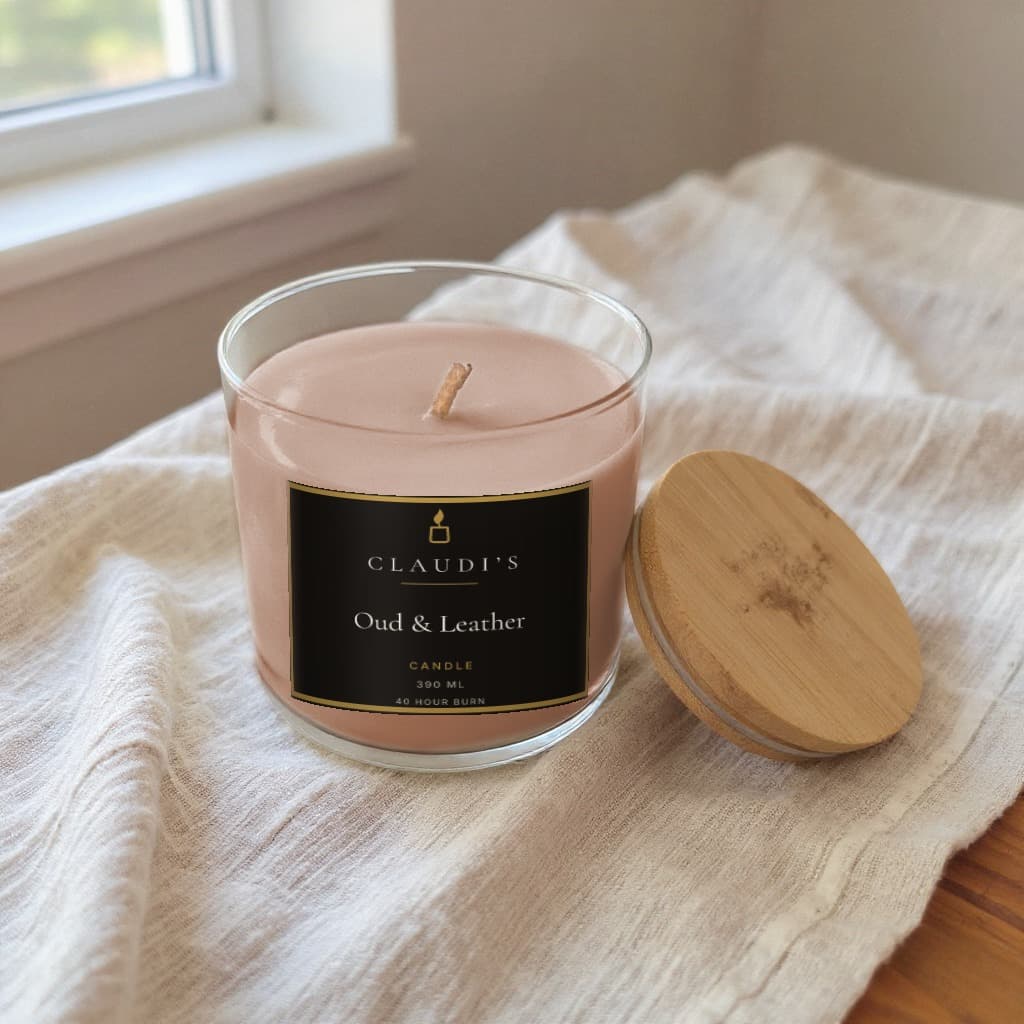
When you buy a tumbler candle from the studio, you're buying a 35–45 hour object. That's not a suggestion—it's a specification. To hit that burn time with a scent that holds across all 45 hours requires fragrance oils as the foundation. They're stable, they're predictable, they don't vanish after the first burn.
But we don't dismiss essential oils. In our Coastal collection, we layer fragrance oils with botanical abstractions—synthetic molecules that evoke the salt air, kelp, and weathered stone of Mossel Bay's shore. In our Fynbos collection, we use resinous fragrance oils as the base, then layer in actual fynbos absolutes and essences—the resinous heart of protea, the clarity of geranium—to create depth that pure fragrance alone can't achieve. This is blending, not pretending.
For artisan pieces and seasonal releases, we sometimes pour smaller quantities with a higher proportion of essences. A hand-molded piece designed for a specific moment—a wedding, a private dinner in the Garden Route—can afford to be more precious, more volatile, more fleeting. You use it knowing it will burn brightly and briefly. But a candle you light every evening needs a different contract. It needs fragrance oils that sustain.
How to Choose: A Practical Framework
Ask yourself three questions.
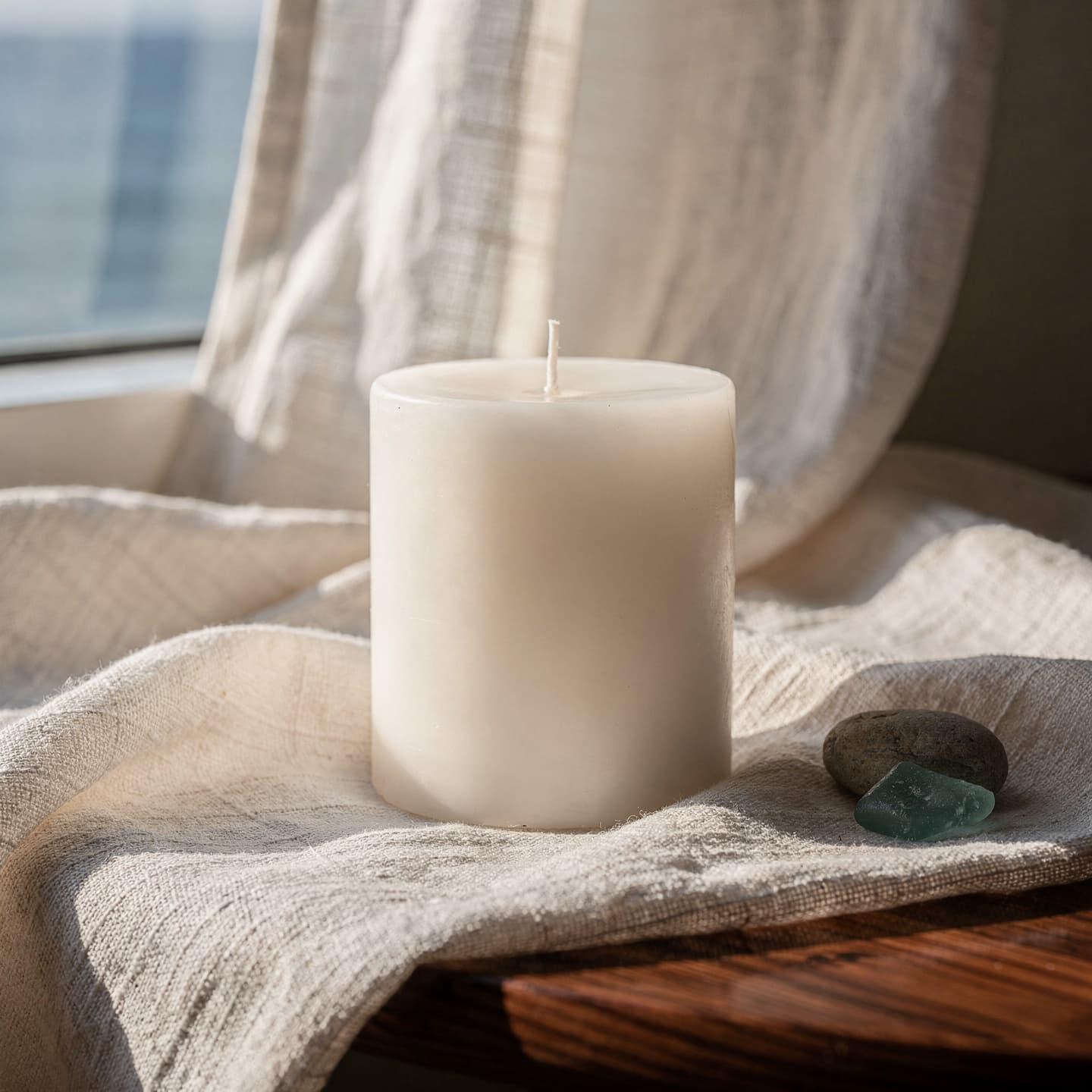
First: How long do you want this candle to perform? If you're lighting it daily for a month, you need fragrance oils. If you're burning it for a single evening or a specific occasion, essential oils are fine—even beautiful. The studio's Pillar candles for ceremonies and tablescapes are engineered for the burn time of a single dinner. Our everyday Tumblers are built for repetition.
Second: How far do you want the scent to travel? Essential oils tend to smell strongest very close to the candle—intimate, personal, sometimes subtle. Fragrance oils, especially in larger vessels, fill a room consistently. If you want to enter a space and immediately know what's burning, fragrance oils deliver that. If you prefer a whisper of scent, essentials work well in a small room or personal space.
Third: What's your budget? Essential oils cost more. A candle poured with 100% essential oils is more expensive to make and burns faster, so you replace it sooner. Fragrance oils are more economical over time. If you're buying candles as a regular part of your home ritual, fragrance oils give better value. If you're treating yourself to a seasonal luxury or a specific memory, essential oils are worth the investment.
Not sure which scent family speaks to you? Take the Scent Quiz—it asks about your space, your mood, and the moments you want to create, then suggests which collection fits your home.
Frequently Asked Questions
Are fragrance oils toxic or less natural than essential oils? No. Fragrance oils are synthesized molecules that behave predictably in heat and air—they're not "chemicals" in a sinister sense; essential oils are also chemicals (just volatile ones). Both are safe in properly formulated candles. The studio uses fragrance oils that meet international safety standards and burn cleanly without releasing harmful particulates.
Can I make a long-burning candle with only essential oils? Technically, yes—if you pour extra-thick wax and use a larger wick. But you're fighting the chemistry. The oil will still evaporate faster, so you're wasting material and money. It's like trying to keep a fresh flower arrangement fresh for three months—possible, but you're working against nature. Blending essences with stable fragrance oils is the craft solution.
How long do fragrance oil candles actually last in Mossel Bay's climate? The studio tests burn times in consistent conditions. A 35-hour tumbler burns true in most indoor environments—the cool, humid Garden Route actually helps preserve scent throw and extends the perceived burn time compared to hot, dry climates. In your home, expect the stated burn time plus or minus 2 hours depending on ventilation and wick trimming.
Can I customise a candle with my own essential oil blend? Yes, through the Custom Label Builder—you choose a scent family and vessel, then personalise the label with a date or intention. The fragrance itself is poured from the studio's formulas, which blend for longevity. If you're interested in bespoke fragrance development for a wedding, event, or hospitality space, the Weddings guide and Hospitality programme explore custom options.
The real decision isn't essential oils versus fragrance oils. It's about intention. If you want a candle that sustains your home for weeks—one you light each evening and trust to perform—reach for a tumbler or bamboo jar poured with fragrance oils designed to deliver steady scent across a full burn. If you're creating a single moment—a ceremony, a dinner, a memory—a hand-poured artisan piece or seasonal release can embrace more volatile, precious essences. The studio in Mossel Bay approaches every pour as a choice, not a compromise. We choose the material that serves the candle's purpose. Start with a tumbler in the [