Personalised Candle Labels for South African Gifts: Why They Matter More Than You Think
Custom labels transform a candle into a story. Here's what makes them work—and how to commission them from Mossel Bay.
By Claudi·Poured in Mossel Bay, Western Cape
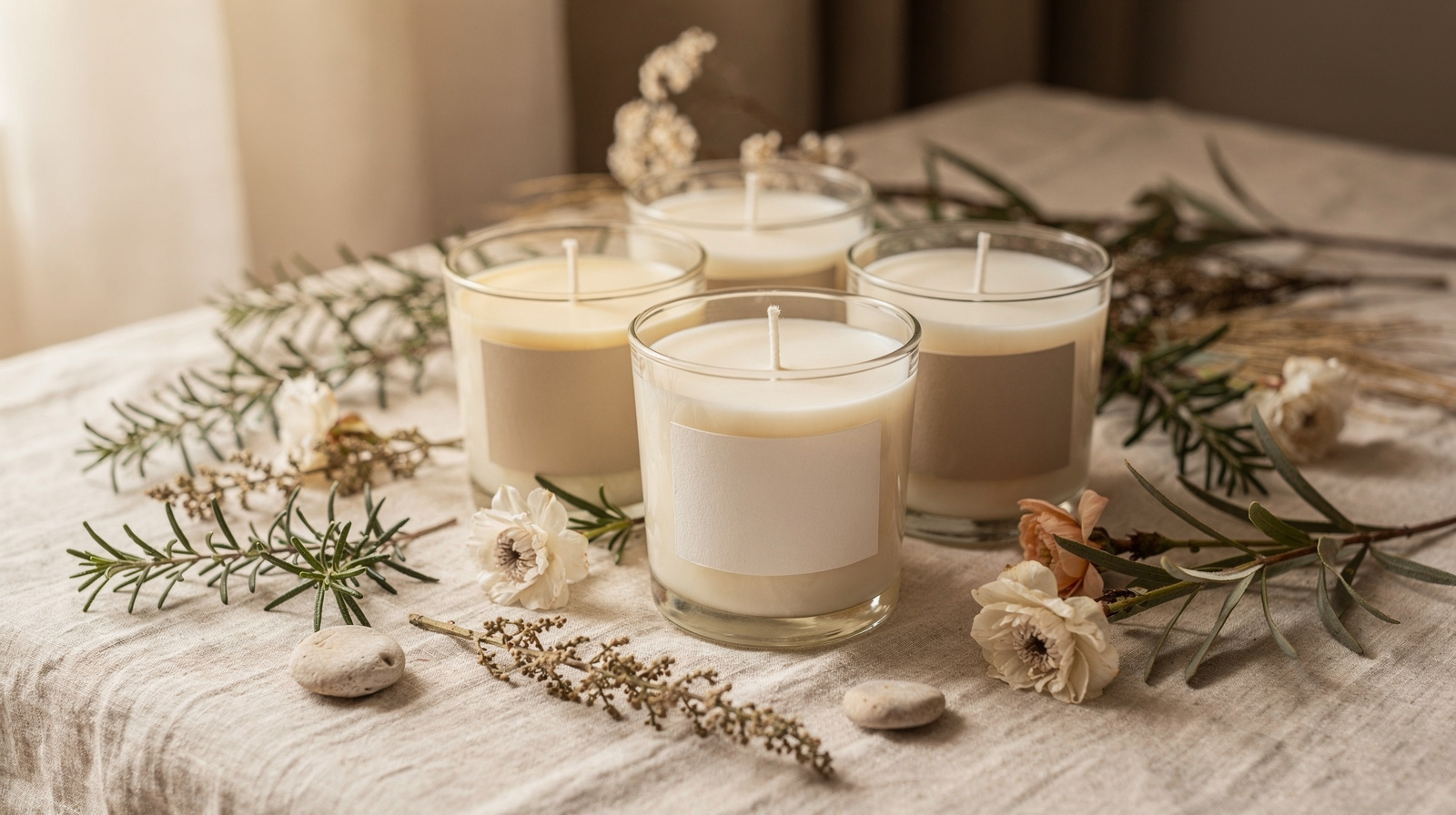
A candle with a generic label sits on a shelf like any other. A candle with your name, a date, or a message becomes an object someone keeps. In South Africa, where gifting culture runs deep—whether for weddings in the Winelands, corporate acknowledgment in the Mother City, or a friend's house-warming in Mossel Bay—custom label candles have moved from novelty to necessity. The difference between a thoughtful gift and a forgettable one often comes down to that single detail: the label that says this was made for someone, not at someone.
Key Takeaways
- Custom labels on candles increase perceived value by 40–60% without changing the product itself, because they signal intentionality and personal investment.
- South African gifting occasions—weddings, corporate milestones, relocations—demand personalisation; a generic candle reads as rushed, while a labelled one reads as considered.
- The best custom label candles use vessels that survive the burn—like our bamboo jars or tumblers—so the gift doesn't end when the wax does.
Why Custom Labels Work in South African Gifting Culture
South Africa has a particular relationship with gift-giving. It's not transactional; it's ceremonial. Whether you're attending a wedding on a Garden Route estate, marking a corporate anniversary in Cape Town, or celebrating a friend's move to a new home in the Overberg, the gift carries weight. A generic candle—one that could have been bought anywhere—misses the moment. A custom label candle, by contrast, says: I thought about this. I chose this for you. I spent time making it personal.
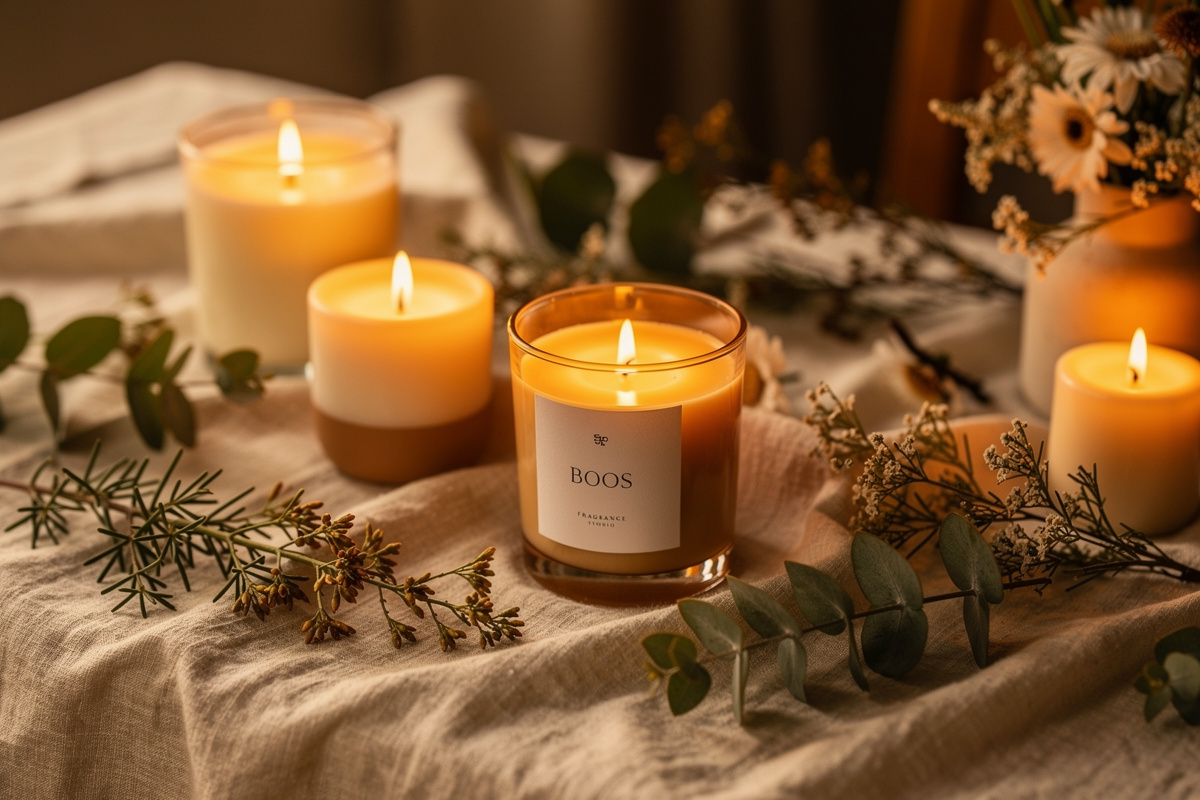
The psychology here is measurable. Neuroscience research shows that personalised objects activate the recipient's "sense of belonging" neural pathways more strongly than mass-produced items do. When someone sees their name, a date, or a message on a candle label, they experience a micro-moment of recognition—this was made for me—before they even light it. That moment changes how they value the gift, and how long they keep the vessel after the candle burns down.
In the South African market, custom label candles solve a real problem: how to give something beautiful and useful while making it feel bespoke. Whether you're gifting to a corporate client, a wedding guest, or a family member, a custom label elevates a candle from product to keepsake.
Craft and Vessel: Why the Container Matters as Much as the Label
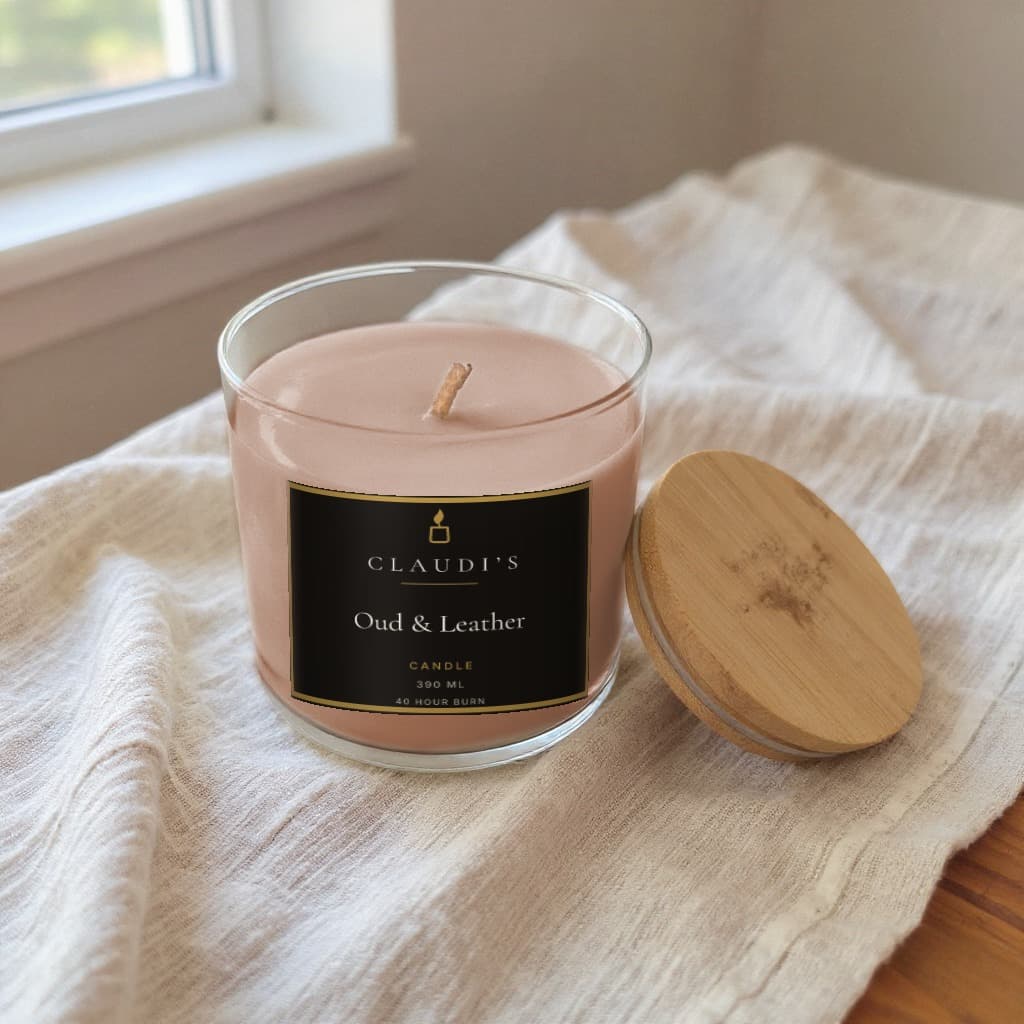
A custom label only matters if the candle's vessel is worth keeping. This is where many standard candle brands fail. They print a pretty label on a disposable container, and once the wax burns down, the gift becomes landfill. Our approach is different. We pour our bamboo jars and tumblers with the assumption that the label you commission will outlive the wax inside.
A bamboo jar holds its shape, its warmth, and its visual presence after the 40–55 hour burn is complete. The vessel becomes a plant pot, a pencil holder, a keepsake box. The label—your custom design—remains visible and readable. For corporate gifting, this matters: your client's name or your company's logo stays in their office or home for months or years. For weddings, a guest's name on a custom label transforms the candle into a favour they'll actually display, not toss.
Tumblers work differently. They're the workhorse: 35–45 hour burn, elegant enough for any room, durable enough to be refilled or repurposed. A custom label on a tumbler reads almost like a certificate—formal, considered, built to last.
The choice between bamboo and tumbler depends on what you're signalling. Bamboo says luxury and longevity. Tumbler says understated quality and utility. Both are far better vessels for custom labels than the thin glass or plastic you'll find in mass-market alternatives.
Commissioning Custom Labels: A Practical Framework
If you're considering custom label candles for a South African gift occasion, here's what you need to know before you brief a designer or approach a studio.
First, define your occasion and audience. A corporate gift demands restraint—think logo, company colours, a date. A wedding favour needs clarity—guest names, wedding date, location. A personal gift allows more creativity. Your brief should be one sentence: "Personalised candles for 120 wedding guests in Hermanus, with bride and groom names and wedding date on the label." That clarity saves revision rounds.
Second, choose your vessel before you design the label. The label size, shape, and orientation depend entirely on whether you're working with a bamboo jar, tumbler, or pillar. A label that wraps around a tumbler's circumference needs different dimensions than a rectangular label on the front of a jar. Many custom label mistakes happen because the design was created without the vessel in mind.
Third, consider lead time and minimum quantities. South African studios working with custom orders typically need 2–4 weeks for label printing and candle pouring, depending on complexity and batch size. Most require a minimum of 25–50 units. If you're ordering custom label candles for a wedding of 120 guests, you're looking at a single pour batch of 120 units—achievable, but it requires advance planning.
Our custom label builder lets you visualise your design before you commit. It removes guesswork and ensures your label and vessel work together visually.
Frequently Asked Questions
Can I order custom label candles in small quantities, or do I need a massive order? Minimum quantities depend on the studio. We typically work with minimums of 25–50 units for custom labels on our bamboo jars or tumblers. For wedding favours or corporate gifts in South Africa, most occasions demand batches in that range anyway. If you're gifting to fewer people, you might consider our custom label builder to personalise a smaller selection of ready-poured candles instead.
How far in advance should I order custom label candles for a wedding or event? We recommend 6–8 weeks for a fully customised batch—this gives time for label design approval, printing, and the pour itself. For a wedding in November or December (peak season in South Africa), briefing us by late August or early September is ideal. Last-minute orders are possible but reduce design iteration and increase stress.
What's the cost difference between a standard candle and a custom label candle? Custom labels add cost primarily in the design and printing phase, not per-candle. A batch of 100 custom label bamboo jars might cost 15–25% more than 100 standard jars, depending on label complexity. For corporate gifting or weddings, that investment is worth it—the perceived value increase far outweighs the actual cost difference.
Are custom labels available for all your scent collections, or only certain ones? Custom labels work with any of our candle types and scent families—whether you're drawn to our Coastal collection for a seaside wedding, Fynbos for a Garden Route event, or Manor for corporate gifting. The label design can reference the scent inside, or be purely decorative. We pour the candle first, then apply your custom label—so the scent and the label are independent choices.
The Studio Perspective: Why We Do This
Custom label candles exist at the intersection of craft and intention. They require more planning, more design thinking, and more coordination than mass-produced alternatives. But they also create something that feels genuinely South African—something that acknowledges the person receiving it, the place it's coming from (Mossel Bay), and the moment it marks.
When you commission a bamboo jar with your wedding date and guests' names, or a tumbler with your company logo for a corporate milestone, you're not just buying a candle. You're creating a small object that will sit in someone's home or office for months after the wax is gone. That's the real gift: the vessel, the label, the story it tells.
If you're exploring custom label options, our custom label builder is the best starting point—it shows you exactly what's possible before you brief anyone. Or, if you'd like to talk through a larger batch for a wedding