How to Choose a Relaxation Candle That Actually Works
Most relaxation candles overpromise. What matters: scent chemistry, burn consistency, and vessel design—the three elements that shift your nervous system.
By Claudi·Poured in Mossel Bay, Western Cape
You light a candle at 6 p.m. to unwind. By 7 p.m., you're still tense. The issue isn't willpower. It's that most candles sold as "relaxation" are built for marketing, not neurology. A candle that actually shifts your state needs three things: a scent compound that signals calm to your olfactory bulb, a clean, consistent burn that doesn't distract you, and a vessel design that lets you keep using it long after the wax is gone. In South Africa's fast-paced coastal and inland centres, the market for relaxation candles has grown sharply—but so has the gap between what's promised and what's delivered. This article cuts through the noise and shows you how to spot the real thing.
Key Takeaways
- Linalool and cedarwood activate your parasympathetic nervous system—not every "calming" scent does. Check the ingredient list before you buy.
- A 40–50 hour burn time matters more than scent intensity—longer, slower burns release fragrance steadily and prevent olfactory fatigue (your nose tuning out the smell after 20 minutes).
- A vessel you'll keep using amplifies the effect—glass tumblers and lidded jars preserve scent between burns, making each lighting feel intentional rather than disposable.
The Neuroscience Behind Scent and Relaxation
Relaxation candles in South Africa often claim to "reduce stress" or "promote sleep," but the chemistry behind those claims varies wildly. Your olfactory bulb connects directly to your limbic system—the part of your brain that governs mood and memory. When you inhale certain volatile compounds, they trigger measurable shifts in cortisol and serotonin. Linalool, found in lavender and some botanical blends, has been shown in peer-reviewed studies to lower heart rate and blood pressure. Cedarwood and frankincense activate the parasympathetic nervous system—your body's brake pedal.
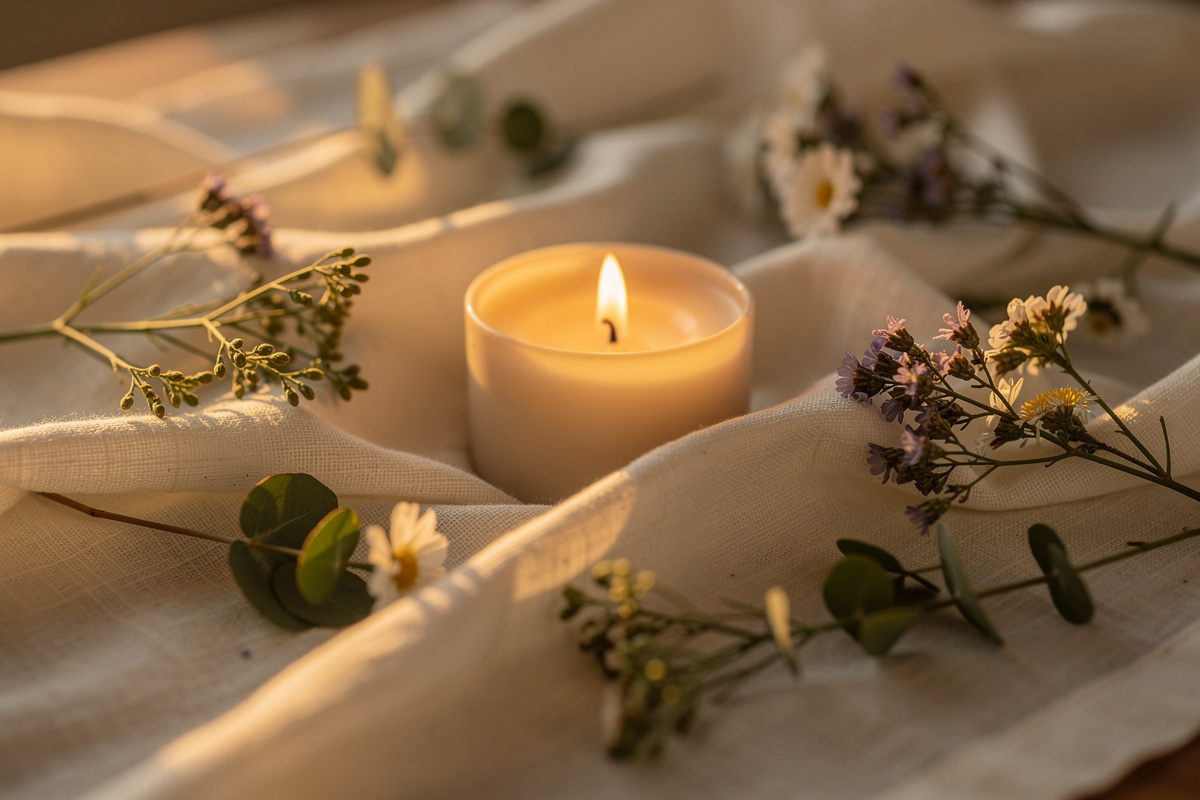
The catch: these compounds need to be present in meaningful concentration, and they need to be released slowly. A candle that burns too hot will combust the aromatic molecules and deliver a scent that smells strong but doesn't calm. A candle that burns too cool will barely scent a room. A well-designed wick and wax blend burns at 160–180°C—hot enough to release fragrance, cool enough to preserve the neurochemical compounds intact. In the Mossel Bay studio, every batch is tested over a full burn cycle to ensure the scent profile stays consistent from first light to final pour.
This is why a true relaxation candle is slower to make and costs more upfront. You're not just buying wax; you're buying precision.
Crafting Calm: Scent Families That Deliver Relaxation
Not all relaxation comes from the same scent family. The Coastal collection leans on salt, driftwood, and citrus—a lighter, air-clearing approach that suits people who feel calmed by openness and space. The Fynbos collection draws on resinous botanicals native to the Garden Route: protea, wild almond, and cedar. These compounds have deeper, slower decay curves; they linger in your nervous system longer.
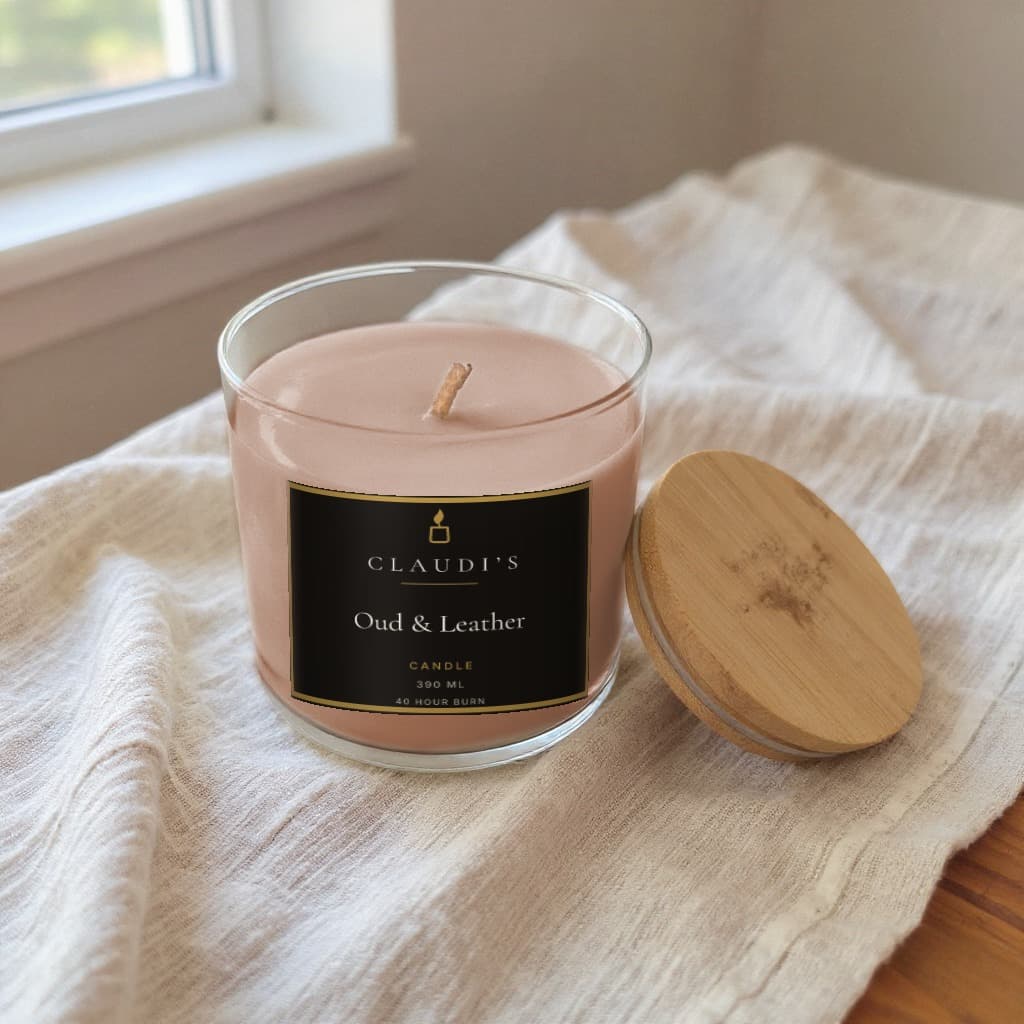
For true relaxation in the evenings, the Manor collection offers warmth and formality—think sandalwood, leather, and soft amber. These scents signal "arrival" and "completion," which is why many people light them at day's end. A 45-hour tumbler candle from this family will release fragrance evenly across multiple evenings, meaning you're not chasing the effect each night. You're building a ritual.
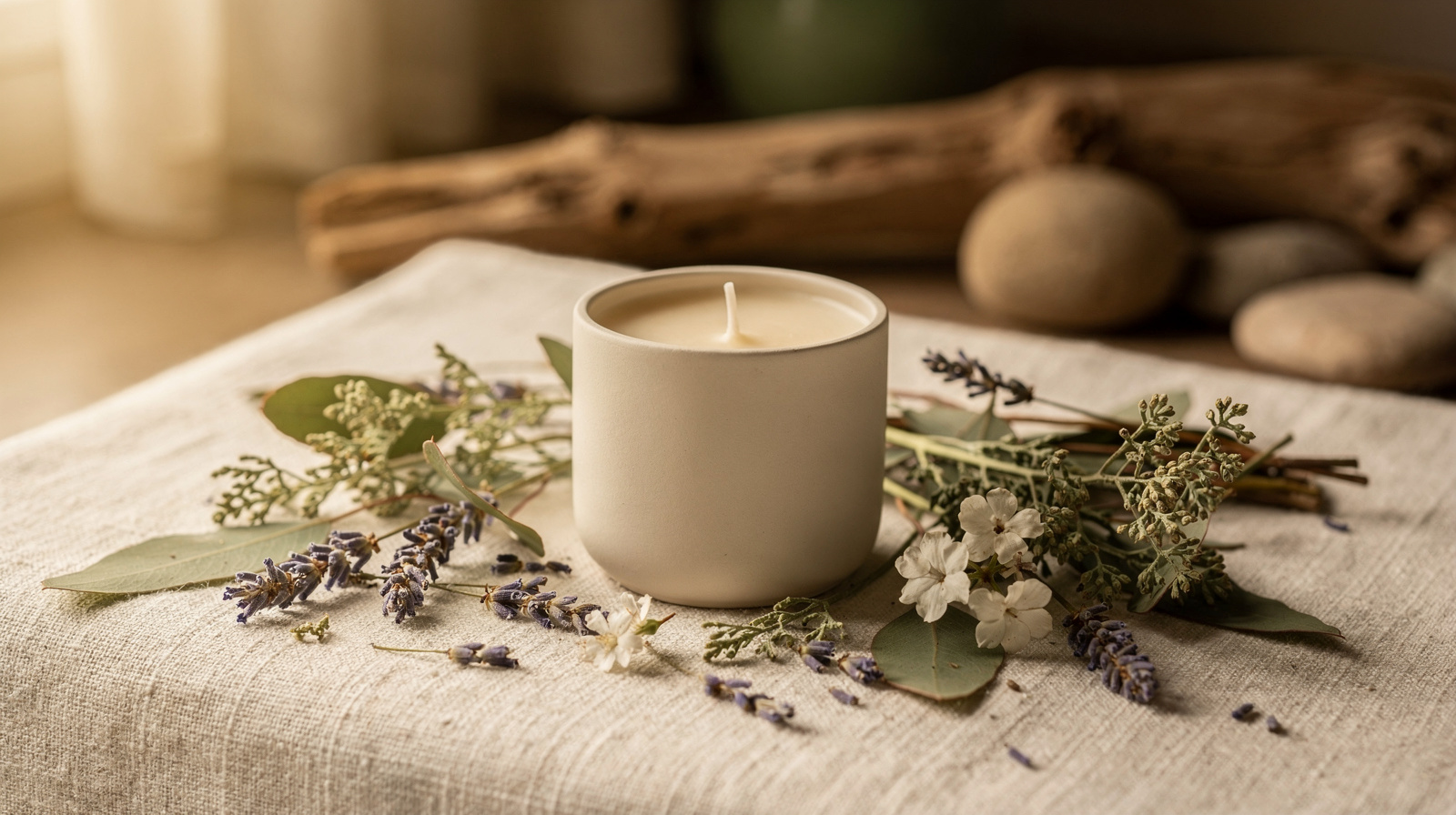
The vessel matters as much as the scent. A tumbler you keep on your desk after burning creates a tactile anchor for relaxation. A lidded bamboo jar seals the scent between burns, so when you light it again, the fragrance compounds haven't oxidized or faded. That consistency—knowing the candle will feel the same tomorrow as it does tonight—is its own form of calm.
How to Choose: Three Practical Questions
Before you buy a relaxation candle, ask yourself these three questions. They'll cut through marketing noise and point you toward something that actually works.
First: What time of day am I lighting this? Morning relaxation often needs brightness—a Coastal blend that opens the airways. Evening relaxation needs depth—something from the Manor or Fynbos family that signals wind-down to your nervous system. The Scent Quiz will match you to the right family based on your daily rhythm and sensory preference.
Second: How long can I commit to the candle? A 35–45 hour tumbler is ideal if you light it 4–5 nights a week. A 50+ hour bamboo jar suits people who want one candle to last through a whole season. Don't buy 100-hour burn times if you'll get bored and swap to something else—olfactory habituation means you'll stop noticing the scent after three weeks anyway. Consistency beats duration.
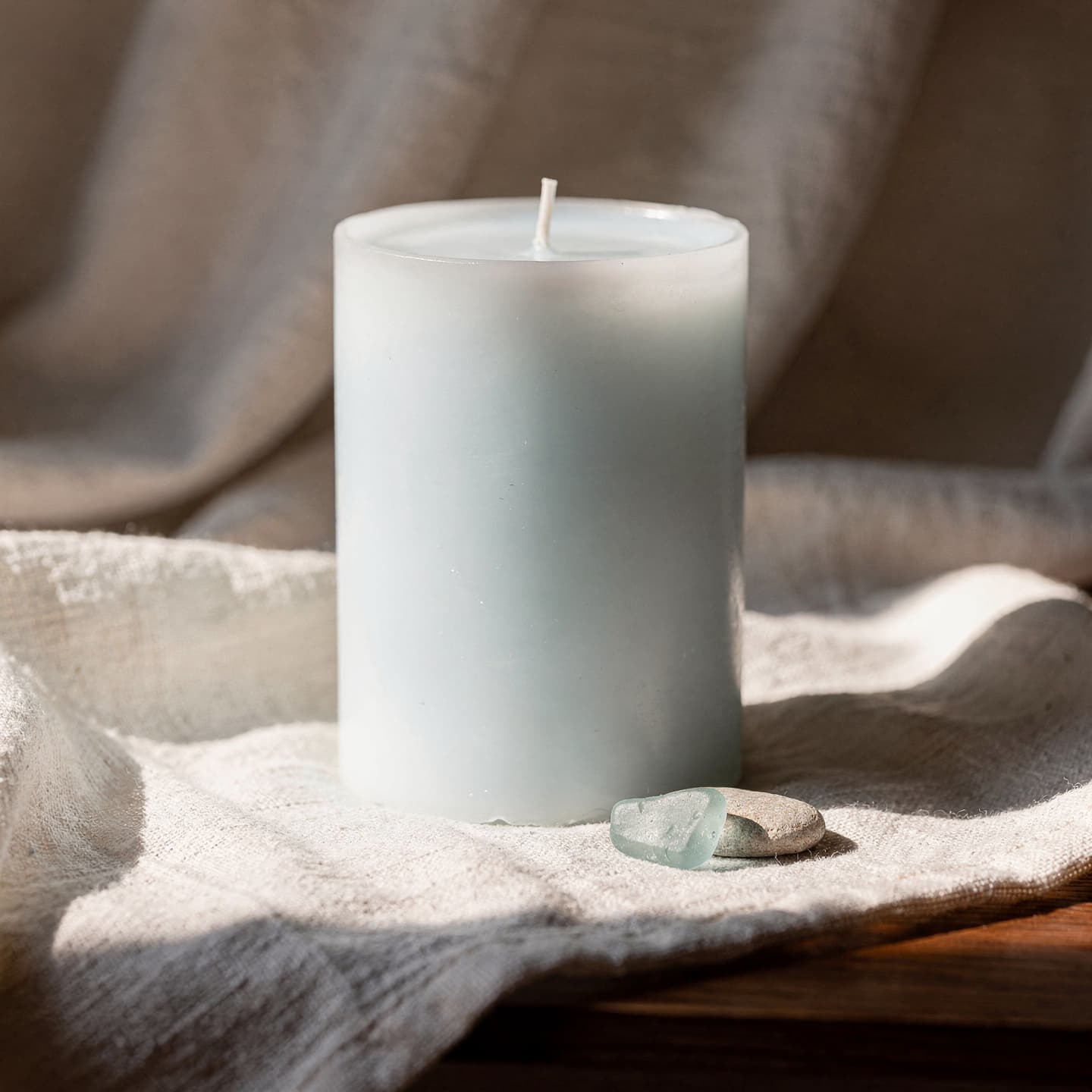
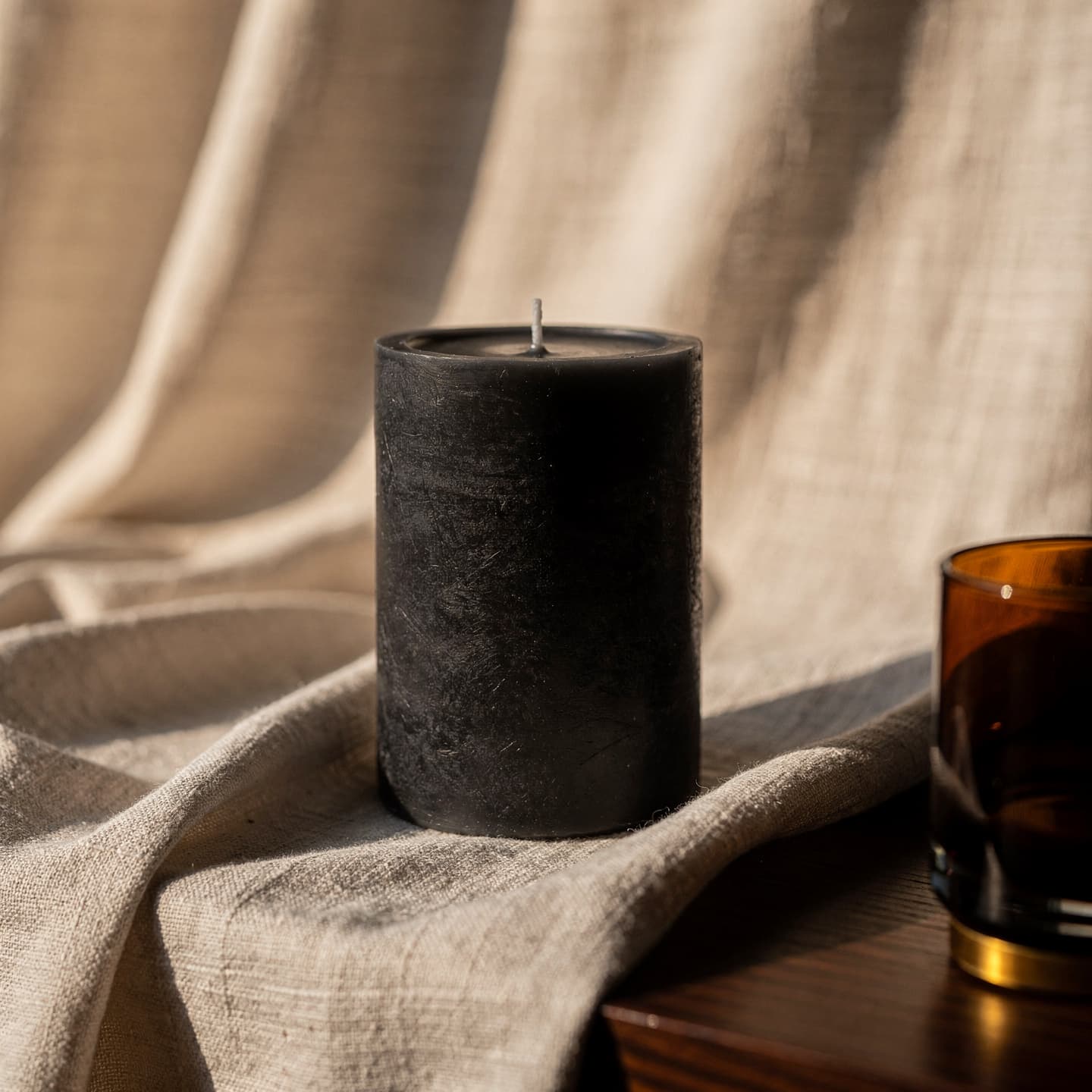
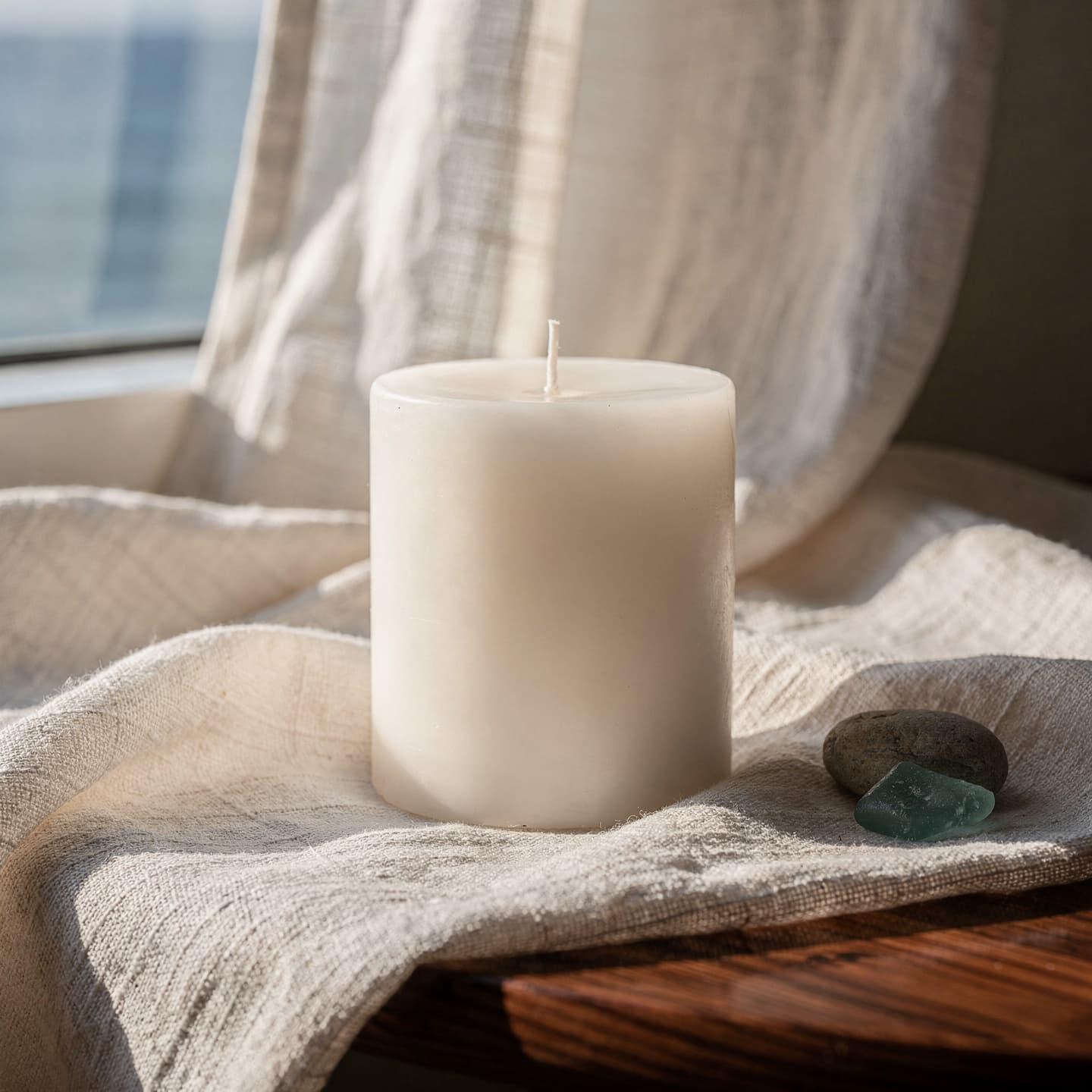
Third: Will I keep the vessel? If yes, buy a tumbler or bamboo jar—something with weight and design. If you're just testing the waters, a pillar candle works, but you'll lose the ritual anchor that makes relaxation intentional. Many people create a "relaxation corner" with a kept vessel, a book, and a consistent lighting time. The vessel itself becomes a trigger for your parasympathetic nervous system.
Frequently Asked Questions
What's the difference between a tumbler and a bamboo jar for relaxation? A tumbler is open-top, ideal if you like stronger scent throw and don't mind replacing it. A bamboo jar has a fitted lid that seals the fragrance between burns, reducing oxidation and making each lighting feel fresher. Both burn 40–50 hours. Choose the jar if you light the candle fewer than four times a week; choose the tumbler if you use it daily.
How long before a relaxation candle actually makes me feel calm? Most people report a shift within 10–15 minutes of lighting, though full nervous system response takes 20–30 minutes. If you feel nothing after 30 minutes, the candle either isn't releasing fragrance properly (wick issue) or the scent family isn't matched to your neurology. This is why the Scent Quiz asks about your preferences—mismatched scents won't relax you, no matter how "calming" the label claims.
Are Claudi's relaxation candles more expensive than supermarket alternatives? Yes. A tumbler from the Mossel Bay studio costs more because the wax blend, wick sizing, and scent concentration are formulated for neurochemical effect, not just smell. A supermarket candle might cost half as much but burn inconsistently and deliver fragrance that fades or smells artificial after two weeks. The studio's tumbler candles are priced at the quality level—you're paying for precision, not for a brand name.
Can I use a relaxation candle if I have scent sensitivities? Yes, but start with the Coastal collection, which uses fewer botanical compounds and relies more on marine accords. If you have asthma or strong fragrance aversion, contact the studio before ordering—custom, lower-concentration blends are available through the hospitality programme, and some principles apply to personal orders. Mossel Bay location details are here.
The Studio's Approach to Relaxation
The difference between a candle that works and one that doesn't comes down to intention in the pour. From the Mossel Bay studio, every batch destined for relaxation is burned and tested for scent decay, wick performance, and burn consistency. A single tumbler requires three separate quality checks before it ships. This isn't visible on the label, but you'll feel it when the fragrance remains true from the first light to the last.
If you're ready to find your relaxation scent, start with the Scent Quiz—it takes three minutes and matches you to a collection that aligns with your nervous